

Article
Dr. Albert Keidel
{
  "authors": [
    "Albert Keidel"
  ],
  "type": "legacyinthemedia",
  "centerAffiliationAll": "dc",
  "centers": [
    "Carnegie Endowment for International Peace"
  ],
  "collections": [],
  "englishNewsletterAll": "asia",
  "nonEnglishNewsletterAll": "",
  "primaryCenter": "Carnegie Endowment for International Peace",
  "programAffiliation": "AP",
  "programs": [
    "Asia"
  ],
  "projects": [],
  "regions": [
    "China",
    "North America",
    "United States",
    "East Asia"
  ],
  "topics": [
    "Economy"
  ]
}
Source: Getty
Les Echos recently interviewed Albert Keidel, a researcher at the Carnegie Endowment, about the economic crisis. He asserted that the Chinese authorities should encourage domestic consumption and domestic investment and address social unrest in a balanced manner by distinguishing legitimate grievances from those that are not legitimate.
Source: Les Echos

A: I believe that it is incorrect to say that China's economic growth has essentially been nourished, notably in recent years, by exports. The growth of trade surpluses in the past three years has resulted in overheating in the country, which comes on top of a strong base of domestic demand.
Q: But, if exports are not the main engine of China's economic growth, how can its deceleration be explained?
A: Launched exactly one year ago, the efforts of the government to wrestle with inflation are largely responsible for the current problems. Trade difficulties are adding to it and making the deceleration even more brutal.
Q: What should the Chinese authorities do to ensure that growth retains its momentum?
A: The Chinese have shown that they have the means to stimulate their economy. They have completely eliminated the problem of inflation and have a solid financial system to assist the stimulus. They should now encourage domestic consumption and domestic investment. The Chinese still have a capital stock per capita that is extremely low.
Q: Is the growth of social movements in the country cause for concern?
A: Of course, everyone is worried about social unrest, but it is inevitable in an economy that is experiencing rapid growth and wrenching restructuring. This trade cycle will result in a serious reorganization of underperforming firms in coastal areas. The government must manage this process in a balanced manner by distinguishing legitimate grievances from those that are not legitimate. That will not be easy, but it is necessary.
Q: If one were to project beyond the crisis, where do you see China in 30 years for the 60th anniversary of economic reforms?
A: It is almost certain that China's GDP will be greater than that of the United States by 2038. With this crisis, this catching up could occur even sooner. Maybe just before 2030, if the Chinese recover fairly quickly as I expect and if the United States experiences very slow growth for several years.
Q: To guarantee the momentum of its growth, is China going to need to urgently start political reform?
A: In China, political reform must contribute to social stability and must allow different voices in society to have more and more space for influencing decision-making. The election of national leaders is not the only, and perhaps not the main, criterion for democratic progress in a poor society like China's. If political reform is a necessary part of rapid modernization, it is not so urgent as to call into question the whole current system. That could have unfortunate consequences, in the long term, for the success of democratic reforms, which will come in their time, in the longer term, as the economic welfare of the population increases.
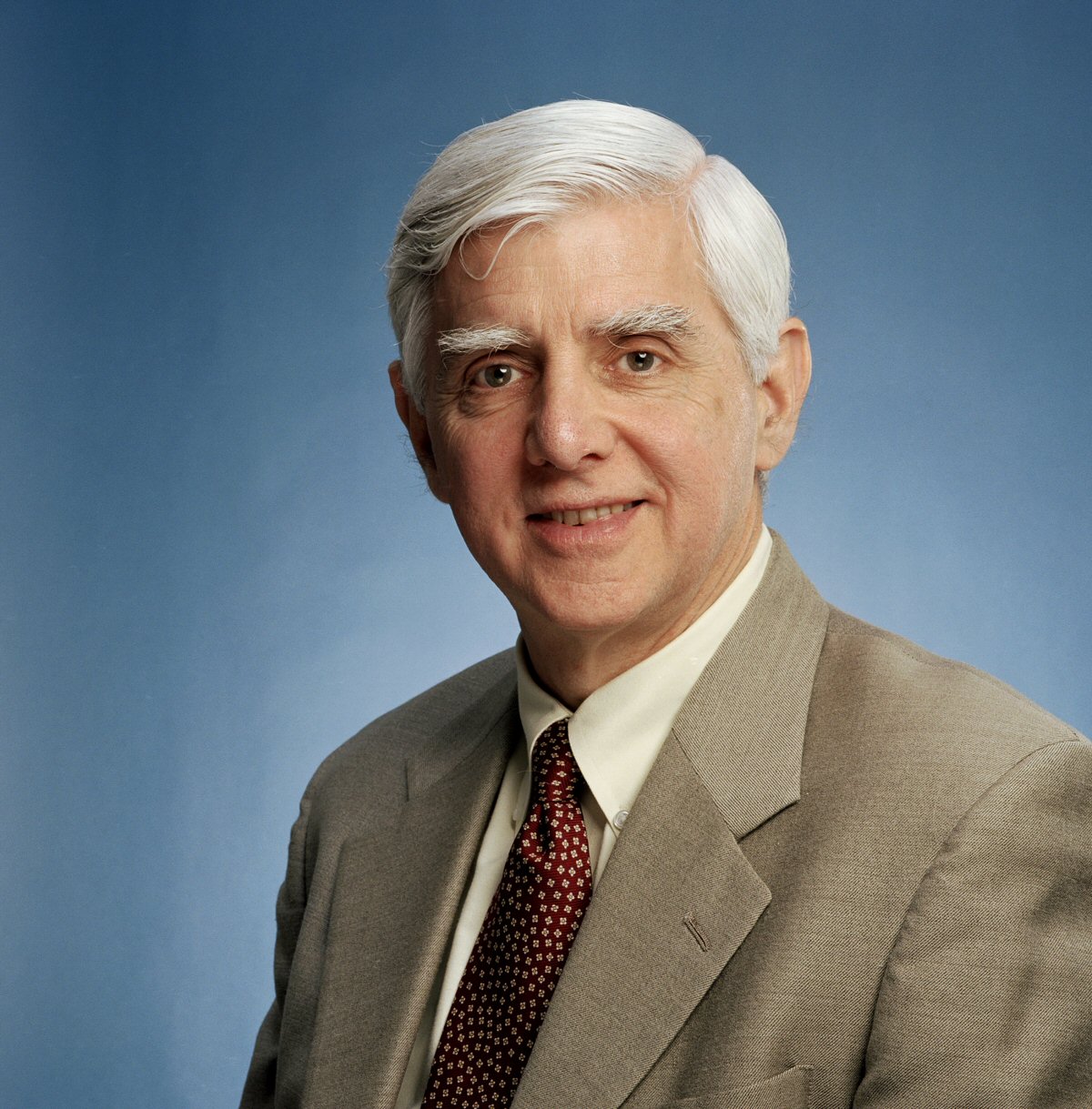
Former Senior Associate, China Program
Keidel served as acting director and deputy director for the Office of East Asian Nations at the U.S. Department of the Treasury. Before joining Treasury in 2001, he covered economic trends, system reforms, poverty, and country risk as a senior economist in the World Bank office in Beijing.
Recent Work
Dr. Albert Keidel
Dr. Albert Keidel
Carnegie does not take institutional positions on public policy issues; the views represented herein are those of the author(s) and do not necessarily reflect the views of Carnegie, its staff, or its trustees.

Russian strikes are weakening the economy sustaining Ukraine’s war effort. Closing the growing funding gap will require more European support and politically contentious reforms in Kyiv.

Balázs Jarábik

For every ruble allocated to social policy, health, and education in 2027, double that amount is earmarked for the army, the police, and the security services.

Alexandra Prokopenko

Trump has promised Belarus a massive potash deal. But Minsk is seeking something greater: restored Western transit and greater room for maneuver from Russia.
Balázs Jarábik

Minsk clearly expected the dialogue with Washington to yield more results, in particular the lifting of EU sanctions and permission to export potash.

Artyom Shraibman

Depleted financial reserves and a shrinking tax base mean it is no longer possible to simultaneously deliver high defense spending, price stability, and economic growth.
Alexandra Prokopenko