

Commentary
This year’s wars have made alternative routes to transit through Russia no less risky for Central Asian countries.
Galiya Ibragimova
{
  "authors": [],
  "type": "pressRelease",
  "centerAffiliationAll": "dc",
  "centers": [
    "Carnegie Endowment for International Peace"
  ],
  "collections": [],
  "englishNewsletterAll": "menaTransitions",
  "nonEnglishNewsletterAll": "",
  "primaryCenter": "Carnegie Endowment for International Peace",
  "programAffiliation": "MEP",
  "programs": [
    "Middle East"
  ],
  "projects": [],
  "regions": [
    "North America",
    "United States",
    "Middle East"
  ],
  "topics": [
    "Foreign Policy"
  ]
}
REQUIRED IMAGE
During the campaign, President-elect Obama emphasized the need for greater diplomacy and a willingness to engage with hostile regimes. This commitment to “return to diplomacy” will not be enough to break the deadlock in the Middle East. Obama should break from traditional U.S. posture and support peace initiatives originating with Arab countries.
WASHINGTON, Dec 18—During the campaign, President-elect Obama emphasized the need for greater diplomacy and a willingness to engage with hostile regimes. This commitment to “return to diplomacy” will not be enough to break the deadlock in the Middle East. Obama should break from traditional U.S. posture and support peace initiatives originating with Arab countries, urges a new paper by the director of the Carnegie Middle East Program.
Marina Ottaway explains that the United States lacks the legitimacy and capacity to monopolize leadership in the peace process. The new administration should signal its support for three key Arab undertakings: Syrian–Israeli negotiations under Turkish leadership, Hamas–Fatah talks brokered by Egypt, and the Arab–Israeli initiative most recently proposed by Saudi Arabia.
Key Conclusions:
Ottaway concludes:
“The new administration needs to rethink the U.S. role in the politics of the Middle East, abandon the assumption that it must be at the center of every initiative, build on what the regional countries are trying to do, and, in the process, encourage them to take more responsibility. At a time when American solutions appear deadlocked and the new president will have to concentrate his attention on the economy, sharing the burden provides a way forward.”
###
NOTES
Carnegie does not take institutional positions on public policy issues; the views represented herein are those of the author(s) and do not necessarily reflect the views of Carnegie, its staff, or its trustees.
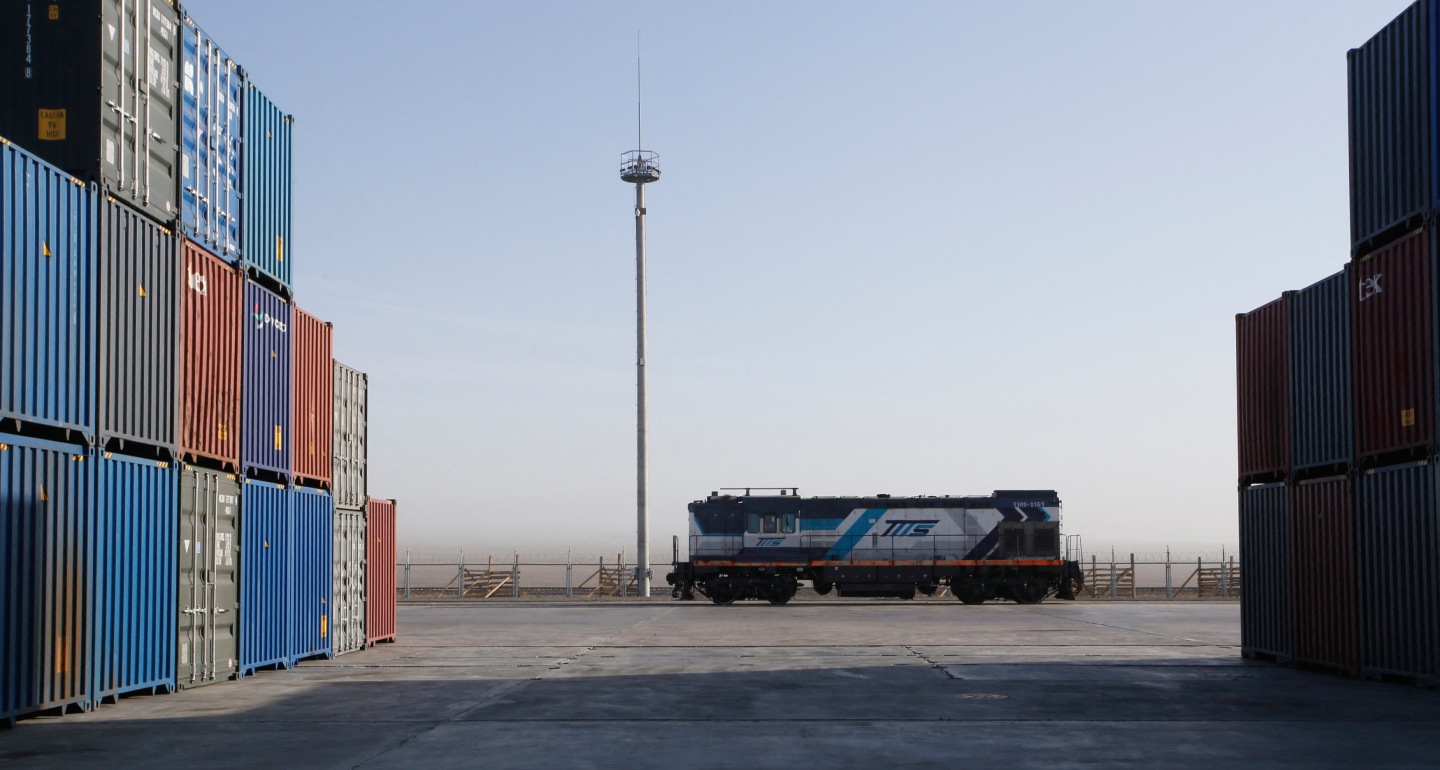
This year’s wars have made alternative routes to transit through Russia no less risky for Central Asian countries.

Galiya Ibragimova
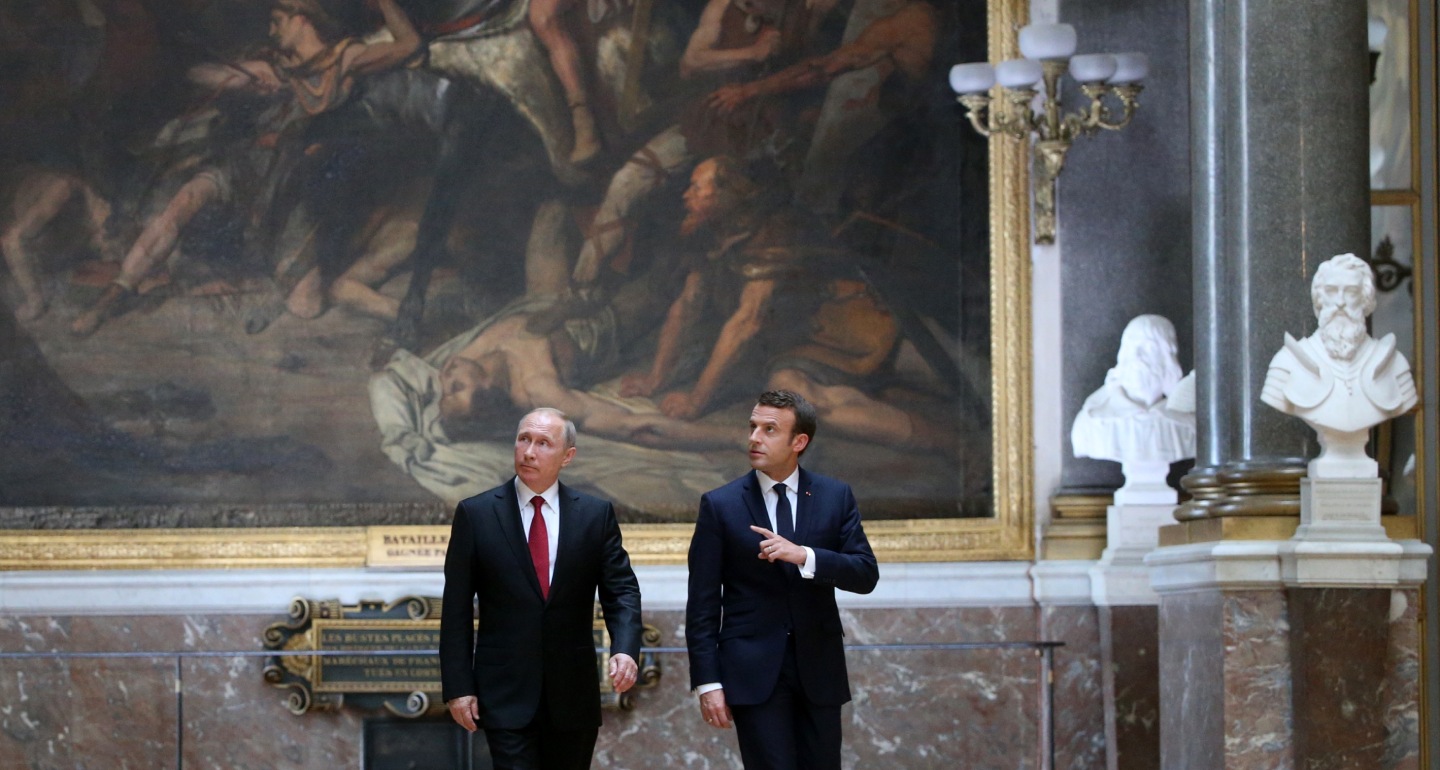
Reestablishing a dialogue with Moscow is not a goal in its own right. The goal is to guarantee the independence of Ukraine and the peace and security of Europe.
Arkady Moshes
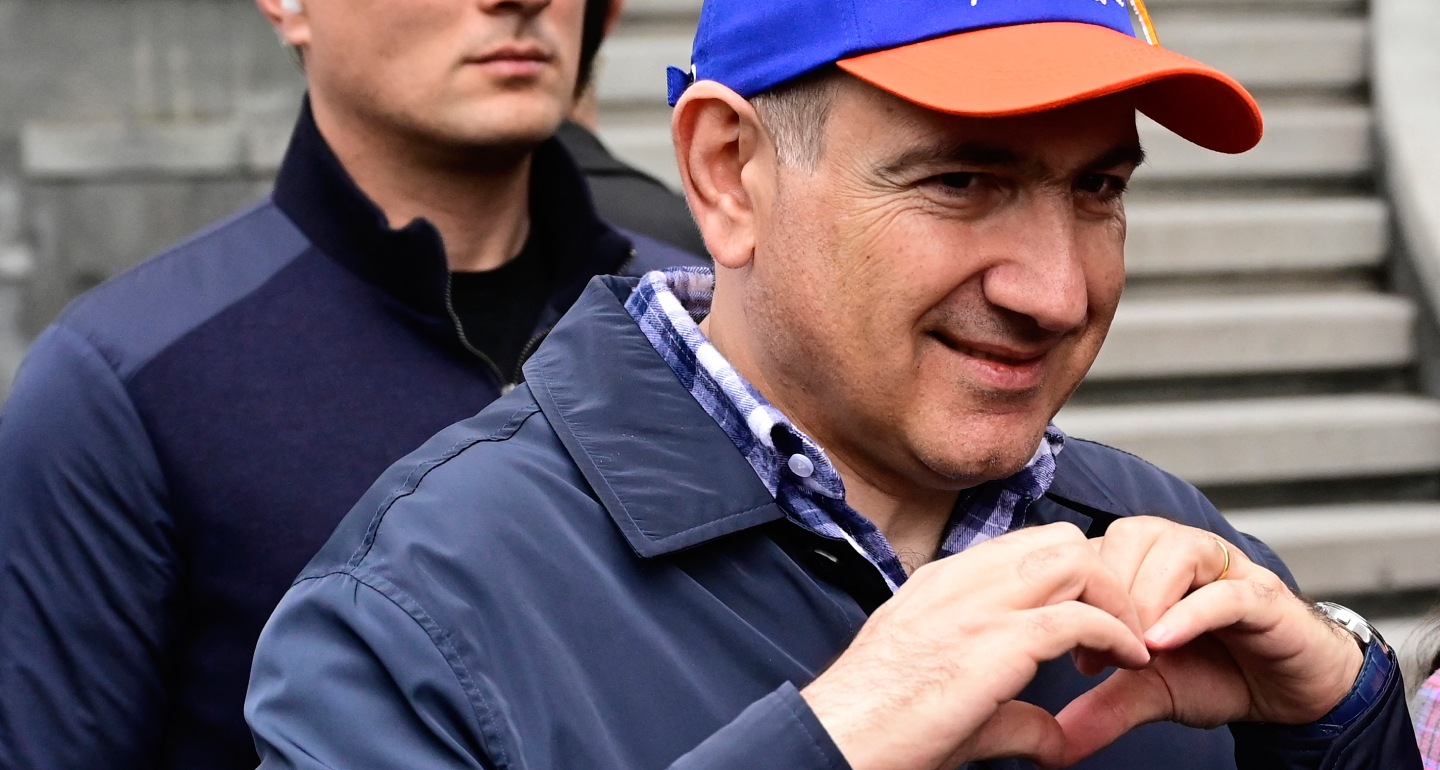
By fueling the arguments of both supporters and opponents of Armenian Prime Minister Nikol Pashinyan, Azerbaijan wants to ensure he is re-elected with a weaker mandate.

Bashir Kitachaev
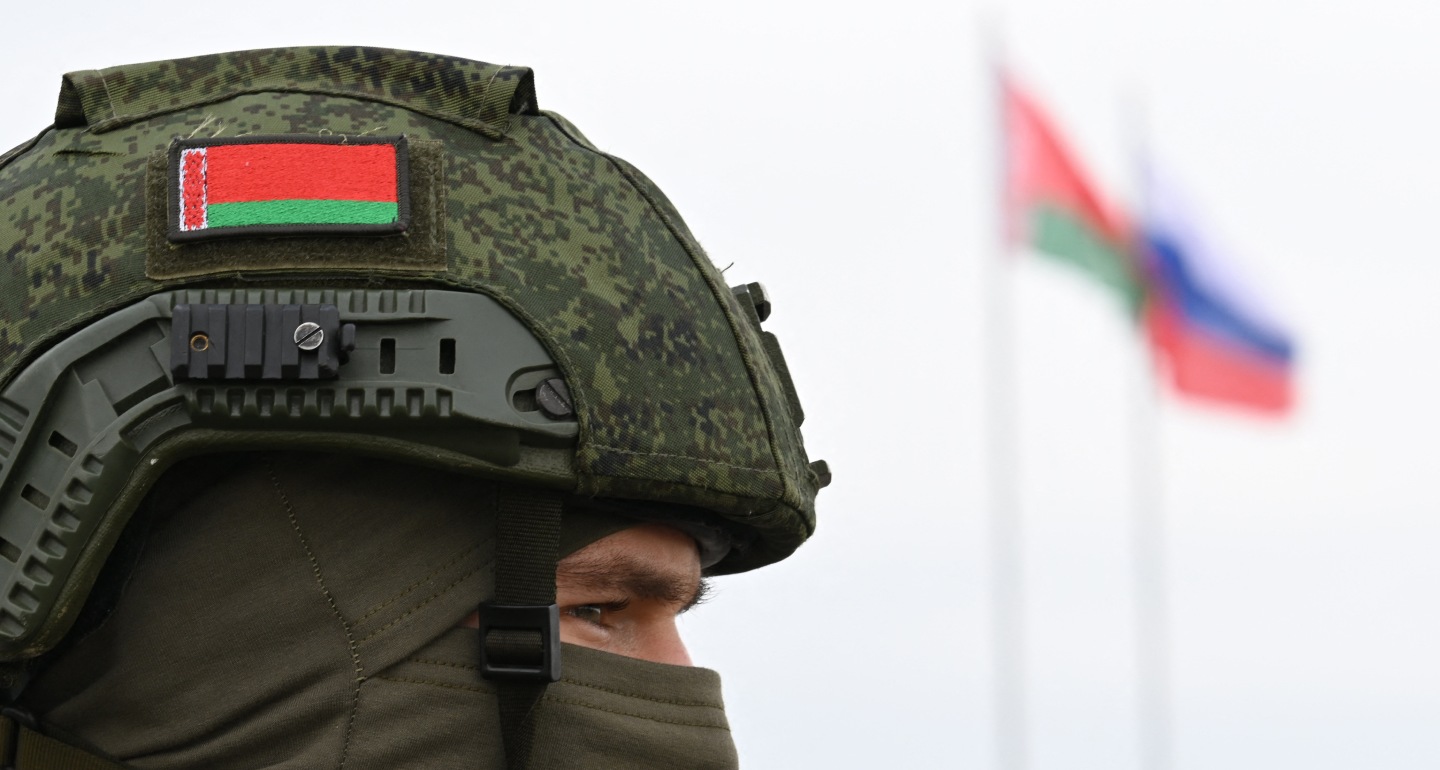
By reminding the world that Lukashenko is a threat to NATO and Ukraine, Kyiv is trying to return the focus to why the Belarusian regime needs to be contained rather than rewarded.

Artyom Shraibman

The demands of the Kremlin’s war in Ukraine, demographic problems, and public hostility toward Central Asians mean Russia does not have enough workers.
Salavat Abylkalikov