

In The Media
David Rothkopf
{
  "authors": [
    "David Rothkopf"
  ],
  "type": "legacyinthemedia",
  "centerAffiliationAll": "",
  "centers": [
    "Carnegie Endowment for International Peace"
  ],
  "collections": [],
  "englishNewsletterAll": "",
  "nonEnglishNewsletterAll": "",
  "primaryCenter": "Carnegie Endowment for International Peace",
  "programAffiliation": "",
  "programs": [],
  "projects": [],
  "regions": [
    "North America",
    "United States"
  ],
  "topics": [
    "Economy"
  ]
}
Source: Getty
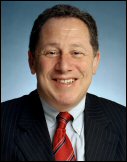
With 26 delegations and a daunting list of economic issues to address, next week’s G20 Summit is unlikely to accomplish as much as the world is hoping.
Source: Wisconsin Public Radio's Conversations with Kathleen Dunn

“There is almost no place that you can think of in the global economy that doesn’t require a jump-start right now,” Rothkopf said. Therefore, the first priority should be to “stop the bleeding,” followed by policies that aim to restore growth. The G20 Summit, however, is likely to produce little consensus on the best policies to achieve these goals because it will be difficult to reconcile the widely varying economic plans of all 26 delegations. Some of the most important policy questions are likely to remain unresolved, including the debate over whether countries should embrace big stimulus packages and whether new international regulatory mechanisms should be established.
Nonetheless, Rothkopf noted that economies tend to repair themselves over time, predicting that the global economy might begin to see a resurgence in growth at the end of 2009 or the beginning of 2010. The interesting question is not whether we will recover but what the world will look like once we have emerged from this crisis. New industries will lead our future growth, perhaps with a focus on green industry, and existing industries may see large-scale changes. Inevitably, geopolitical relationships will shift, leaving a world with new opportunities and dilemmas.
Former Visiting Scholar
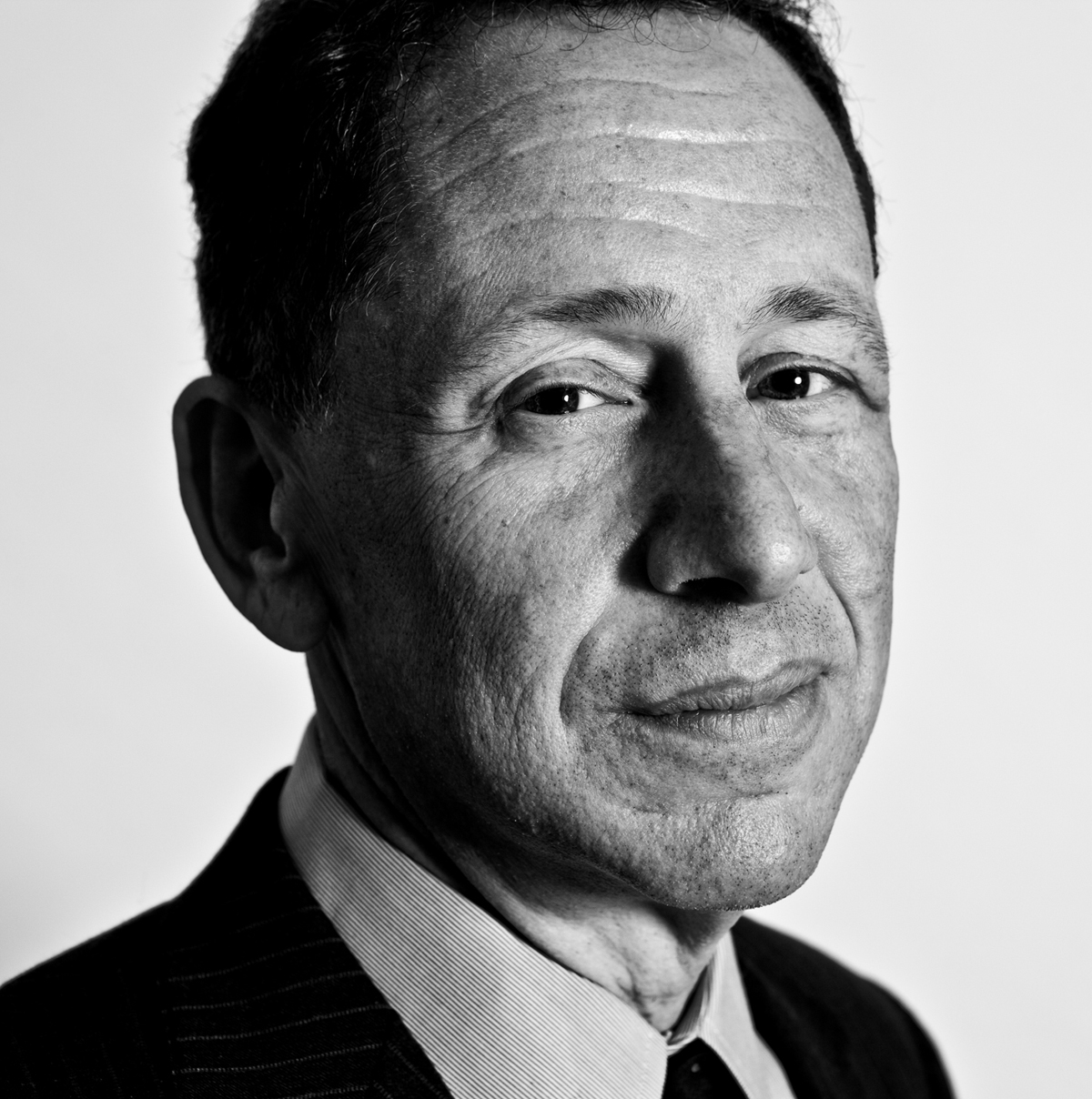
David Rothkopf was a visiting scholar at the Carnegie Endowment as well as the former CEO and editor in chief of the FP Group.
Recent Work
David Rothkopf
David Rothkopf
Carnegie does not take institutional positions on public policy issues; the views represented herein are those of the author(s) and do not necessarily reflect the views of Carnegie, its staff, or its trustees.

Powerful lobbyists and inertia led to Russia’s coal-mining sector missing an excellent opportunity to solve its structural problems.
Alexey Gusev

The Russian leadership wants to avoid a dangerous precedent in which it is squeezed out of Iran by the United States and Israel—and left powerless to respond in any meaningful way.

Nikita Smagin
Lukashenko is willing to make big sacrifices for an invitation to Mar-a-Lago or the White House. He also knows that the clock is ticking: he must squeeze as much out of the Trump administration as he can before congressional elections in November leave Trump hamstrung or distracted.

Artyom Shraibman
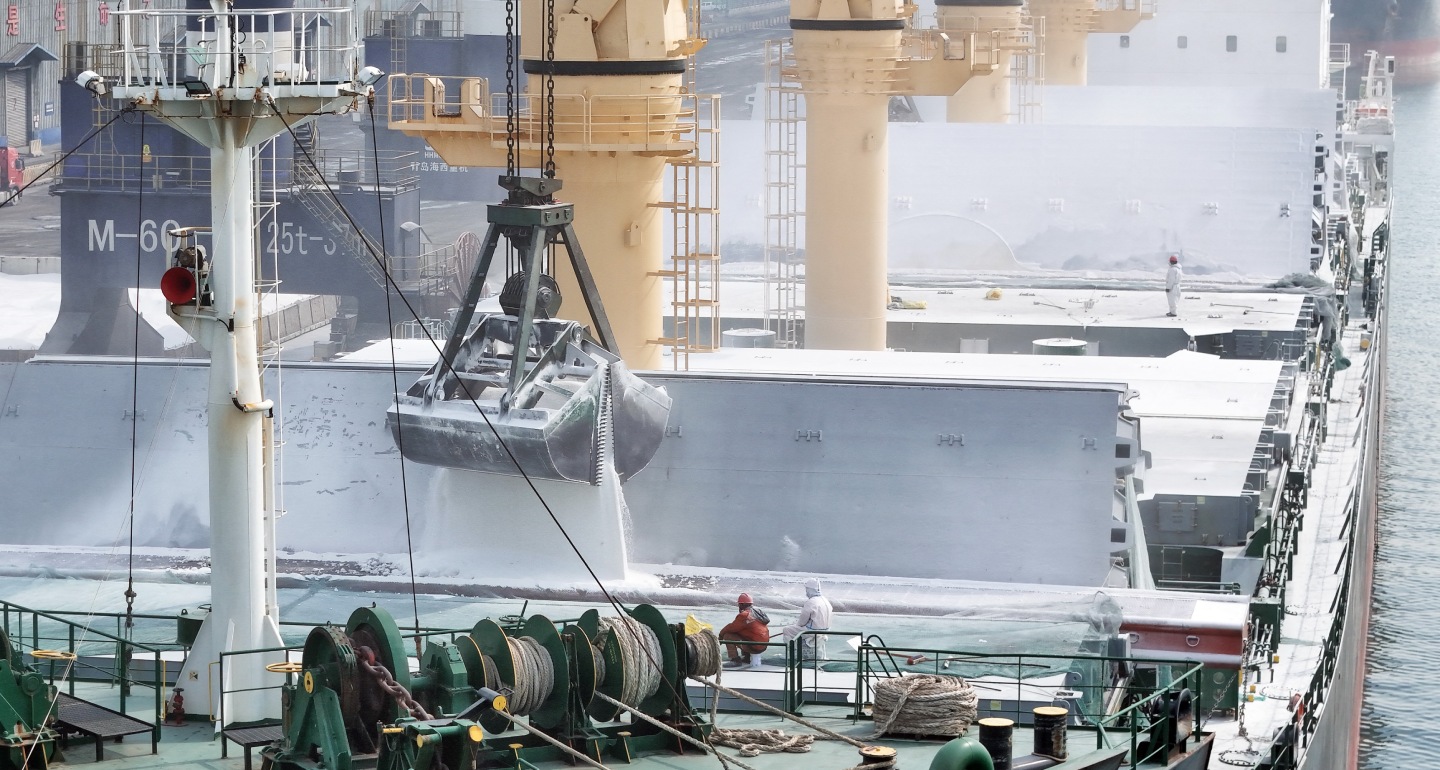
The Kremlin expects to not only profit from rising fertilizer prices but also exact revenge for the collapse of the 2023 grain deal.
Alexandra Prokopenko

Arms supplies from Russia to Iran will not only continue, but could grow significantly if Russia gets the opportunity.
Nikita Smagin