

Commentary
Uri Dadush
{
  "authors": [
    "Uri Dadush"
  ],
  "type": "other",
  "centerAffiliationAll": "",
  "centers": [
    "Carnegie Endowment for International Peace"
  ],
  "collections": [],
  "englishNewsletterAll": "",
  "nonEnglishNewsletterAll": "",
  "primaryCenter": "Carnegie Endowment for International Peace",
  "programAffiliation": "",
  "programs": [],
  "projects": [],
  "regions": [
    "North America",
    "United States",
    "East Asia",
    "China",
    "Western Europe"
  ],
  "topics": [
    "Economy",
    "Trade"
  ]
}
Source: Getty
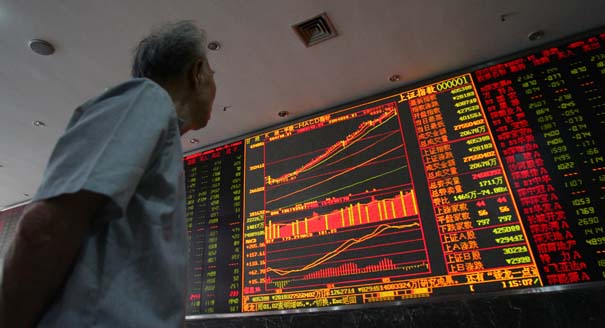
Aggressive action is needed to address the global financial crisis, but bailouts could—if not orchestrated carefully—provoke a devastating global trade war. Leaders at the G20 meeting on April 2 must devise a coordinated and transparent plan to re-ignite growth and avoid a resurgence of protectionism.
Aggressive action is needed to address the global financial crisis, but bailing out banks and domestic industries are measures that could—if not orchestrated carefully—provoke a devastating global trade war. International leaders at the G20 meeting on April 2 must devise a coordinated and transparent plan to re-ignite growth and avoid a resurgence of protectionism.
In a new policy outlook, Uri Dadush notes that protectionism is already on the rise: 70 percent of trade measures enacted since November 2008 restrict trade. Pressure to protect could become overwhelming as the crisis deepens, with huge potential losses.
Policy recommendations for the G20 meeting:
Long-term recommendations:
Dadush concludes:
“Though the impact of trade-restricting measures enacted so far is small, the risk of a devastating resurgence of protectionism is real. A trade war today would generate even greater losses than it did in its last surge during the Great Depression, when tariffs were much higher at the outset than they are today and countries were less integrated through complex international production chains.”

Former Senior Associate, International Economics Program
Dadush was a senior associate at the Carnegie Endowment for International Peace. He focuses on trends in the global economy and is currently tracking developments in the eurozone crisis.
Recent Work
Uri Dadush
Uri Dadush
Carnegie does not take institutional positions on public policy issues; the views represented herein are those of the author(s) and do not necessarily reflect the views of Carnegie, its staff, or its trustees.

Depleted financial reserves and a shrinking tax base mean it is no longer possible to simultaneously deliver high defense spending, price stability, and economic growth.

Alexandra Prokopenko

With the growth in points of friction between the great powers, organizations like the SCO will continue to play a role in the strategic adaptation of the smaller powers caught between them.

Temur Umarov

When faced with fuel shortages in the past, Central Asian governments could always count on additional supplies from Moscow. That safety net no longer exists.

Galiya Ibragimova
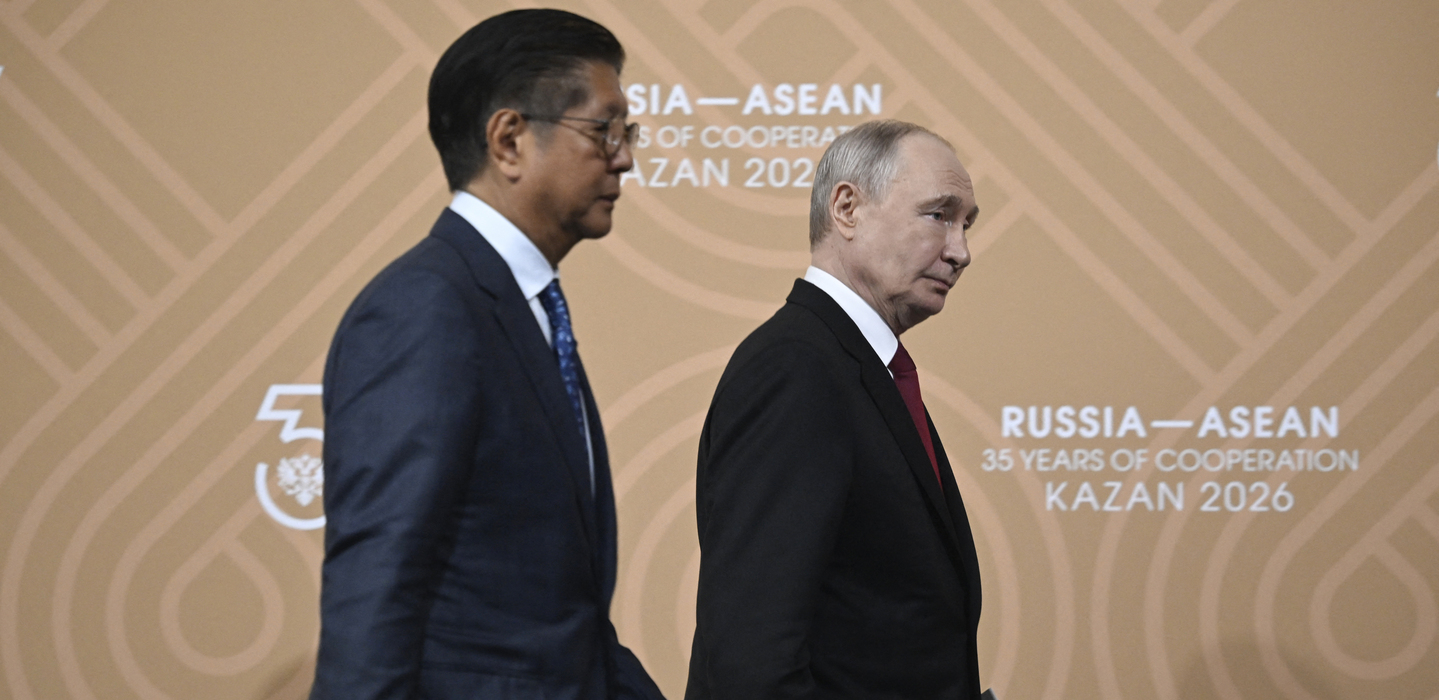
Russia looks set to reap economic benefits from closer ties with Southeast Asian countries that are keen to find reliable energy suppliers and diversify trade ties.

Alexander Gabuev
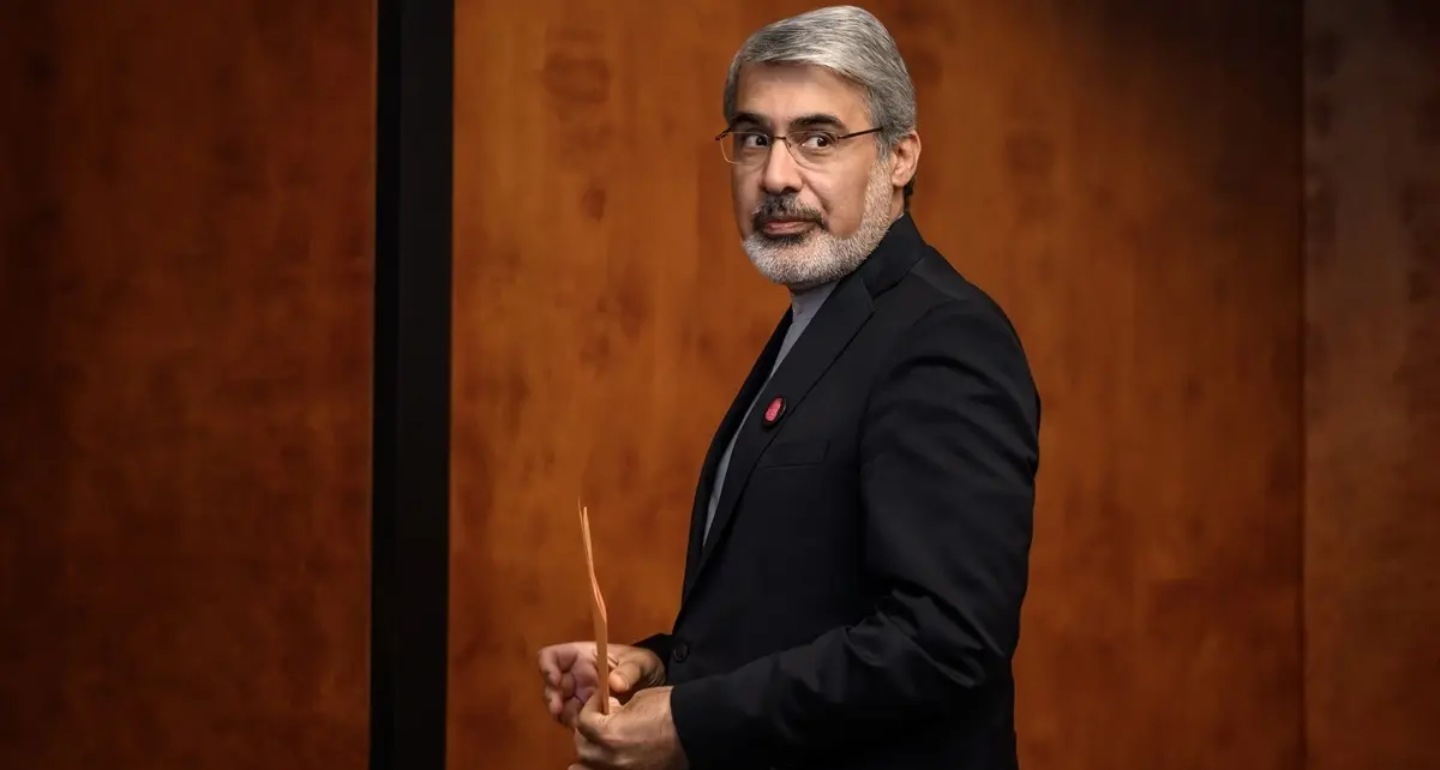
Ongoing uncertainty in the Middle East allows Moscow to both increase its influence in Tehran and continue to enjoy the financial windfall of higher oil prices.

Nikita Smagin