• Research
  • Politika
  • About
Carnegie Russia Eurasia center logoCarnegie lettermark logo
  • Donate
{
  "authors": [
    "Mark Medish"
  ],
  "type": "legacyinthemedia",
  "centerAffiliationAll": "dc",
  "centers": [
    "Carnegie Endowment for International Peace",
    "Carnegie Russia Eurasia Center"
  ],
  "collections": [],
  "englishNewsletterAll": "ctw",
  "nonEnglishNewsletterAll": "",
  "primaryCenter": "Carnegie Endowment for International Peace",
  "programAffiliation": "russia",
  "programs": [
    "Russia and Eurasia"
  ],
  "projects": [],
  "regions": [
    "North America",
    "United States",
    "Caucasus",
    "Russia"
  ],
  "topics": [
    "Security",
    "Foreign Policy"
  ]
}
Source: Getty

In The Media

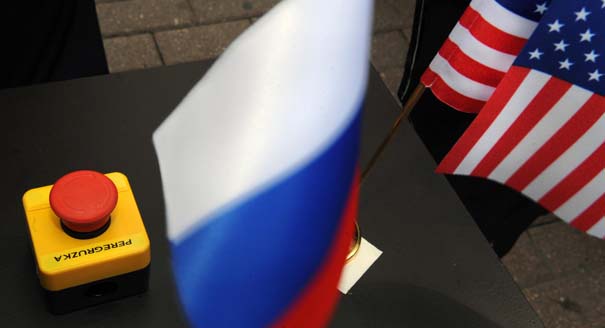
A Proper Translation of the 'Reset Button'

The United States and Russia can improve strained relations by focusing on areas of compatible interests and clearly defining a set of near-term priority objectives for bilateral cooperation.

Link Copied
By Mark Medish
Published on Apr 2, 2009

Source: ForeignPolicy.com

A Proper Translation of the 'Reset Button' When U.S. Secretary of State Hillary Clinton's staff mistranslated her promise to "reset" relations with Russia into "overload" during a meeting with that country's foreign minister in Geneva on March 6, it could easily have been a Freudian slip. After years of cooling relations, there is certainly baggage weighing down the U.S.-Russian relationship on both sides.

But this week, as Presidents Barack Obama and Dmitry Medvedev prepare to meet on the sidelines of the G20 summit, the two leaders will have another shot at the translating the reset button: into action. And though a reset button connotes automation, both men must recognize from the outset that repairing U.S.-Russia relations will be anything but routine.
 
Following in the wake of George W. Bush, Obama might be excused for thinking that an improvement in relations will not be asking much. The previous administration made Kosovo independence, European missile defense, and expedited NATO enlargement its priorities. And while none of these goals was inherently outrageous, neither were they particularly wise. Taken together, they amounted to a provocative stance toward Russia. Obama's early signals of new priorities -- for example, deferring the missile defense initiative in the context of closer Russian cooperation on Iran -- are encouraging.
 
Lest the congratulations begin too soon, Obama must be aware that it will require some serious work to restore a sense of trust to the troubled relationship.
 
As its guiding logic, the Obama presidency should rely on the kind of visionary pragmatism that has characterized the best of the American foreign policy tradition. Initially, this will entail a kind of strategic rebalancing based on a careful picking of priorities in relation to countries such as Russia and China. This philosophy was clear in Secretary Clinton's message in China -- that America will not forget about human rights or support for democracy building but neither will it subordinate other important national security interests to those concerns. In the case of Russia, it will mean balancing the drawbacks of Kremlin engagement with the possible gains: nuclear arms reduction, non-proliferation of weapons of mass destruction, stabilizing Afghanistan, and dealing with Iran.
 
For their part, the Russians have mostly welcomed the reset metaphor. Yet a stumbling block remains. Some advisers in the Kremlin believe that -- in the aftermath of the Iraq war -- the high point of U.S. influence in Eurasia is past, and Russia should try to reassert itself in its traditional sphere of influence. Indeed, Russia purposely exacerbated matters over the past year, particularly with its reckless incursions into Abkhazia and South Ossetia last August and its continued pressure on Ukraine's energy sector - actions that sparked understandable concern in Europe. Now, as the United States stands by Ukrainian and Georgian sovereignty and continues to fight in Afghanistan, both sides will have to take steps to demonstrate that their Eurasian dealings are benign to the other if U.S.-Russia talks are ever to amount to more than words.
 
Although the task is great, the two presidents should begin with areas of compatible interests, clearly defining a set of near-term priority objectives for bilateral cooperation. In addition to a compromise on missile defense and cooperation on Iran and Afghanistan, the list should include other mutually beneficial goals such as finalizing a nuclear stockpile reduction treaty to replace the START I agreement, which expires in December. A sensible economic priority would be a final push from both sides to expedite Russia's WTO accession. Finally, the United States could show good faith by lifting the Cold War-era Jackson-Vanik amendment that denies its "most favored nation" status to non-market economies that restrict emigration. Particularly since China and Vietnam have already won U.S. wavers from the rules, lifting the ban on Russia is an obvious must.
 
This to-do list is entirely doable, provided that the leaders of both countries share a sense of urgency and are genuinely committed to delivering results. But long before they hit the reset button together, the U.S. and Russian presidents must ensure they are speaking the same language. A first step would be to ensure that they have accurate translators in London.
 
This comment first appeared in Foreign Policy.

About the Author

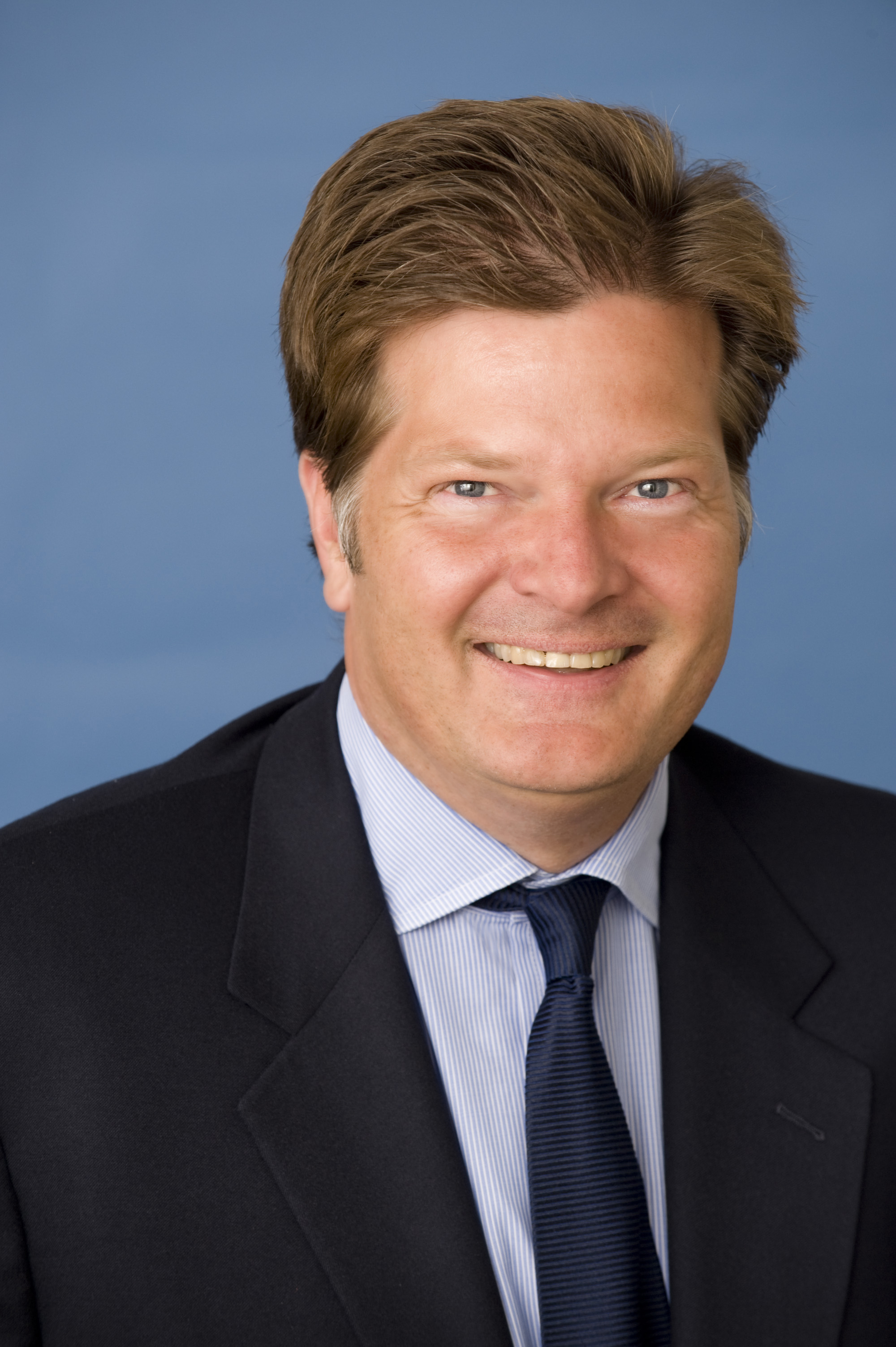
Mark Medish

Former Visiting Scholar

Medish served in the Clinton administration as special assistant to the President and senior director for Russian, Ukrainian, and Eurasian Affairs on the National Security Council from 2000 to 2001.

    Recent Work

  • Q&A
    Ukraine’s Presidential Election—The End of the Orange Revolution

      Mark Medish

Mark Medish
Former Visiting Scholar
Mark Medish
SecurityForeign PolicyNorth AmericaUnited StatesCaucasusRussia

Carnegie does not take institutional positions on public policy issues; the views represented herein are those of the author(s) and do not necessarily reflect the views of Carnegie, its staff, or its trustees.

More Work from Carnegie Russia Eurasia Center

  • Commentary
    Carnegie Politika
    “Mr. Nobody Against Putin”: A Deep Dive Into Russian Propaganda

    Talankin and Borenstein’s documentary is a unique inside look at a regime that threatens the world and has killed thousands of people in its neighboring country. And many critics and general viewers alike draw parallels between the Putin regime and their own governments.

      Ekaterina Barabash

  • Paper
    A Tight Spot: Challenges Facing the Russian Oil Sector Through 2035

    Russian oil production is remarkably resilient to significant price changes, but significant political headwinds may lead to a drop regardless of economics.

      • Sergey Vakulenko

      Sergey Vakulenko

  • Commentary
    Carnegie Politika
    Why Did Messaging App Telegram Fall From Grace in Russia?

    The history of Telegram’s relations with the Russian state offers a salutary lesson for international platforms that believe they can reach a compromise with the Kremlin.

      Maria Kolomychenko

  • Commentary
    Carnegie Politika
    The Nuances of Oscar-Winning Film “Mr. Nobody Against Putin”

    It’s disingenuous to criticize a film for simplifying Russia’s complexities when Russia is waging a brutally simple war of aggression against its neighbor.

      Alexander Baunov

  • Commentary
    Carnegie Politika
    Why Has Kazakhstan Started Deporting Political Activists?

    The current U.S. indifference to human rights means Astana no longer has any incentive to refuse extradition requests from its authoritarian neighbors—including Russia.

      Temur Umarov

Get more news and analysis from
Carnegie Russia Eurasia Center
Carnegie Russia Eurasia logo, white
  • Research
  • Politika
  • About
  • Experts
  • Events
  • Contact
  • Privacy
Get more news and analysis from
Carnegie Russia Eurasia Center
© 2026 Carnegie Endowment for International Peace. All rights reserved.