

Commentary
Depleted financial reserves and a shrinking tax base mean it is no longer possible to simultaneously deliver high defense spending, price stability, and economic growth.
Alexandra Prokopenko
{
  "authors": [],
  "type": "pressRelease",
  "centerAffiliationAll": "dc",
  "centers": [
    "Carnegie Endowment for International Peace"
  ],
  "collections": [],
  "englishNewsletterAll": "menaTransitions",
  "nonEnglishNewsletterAll": "",
  "primaryCenter": "Carnegie Endowment for International Peace",
  "programAffiliation": "MEP",
  "programs": [
    "Middle East"
  ],
  "projects": [],
  "regions": [
    "Middle East"
  ],
  "topics": [
    "Economy"
  ]
}
REQUIRED IMAGE
Sovereign wealth funds could contribute to global economic recovery by reinvigorating international investment, if they first responded to the reservations of recipient governments by increasing transparency and improving public image.
BEIRUT, Apr 3—Sovereign wealth funds (SWFs) could contribute to global economic recovery by reinvigorating international investment, if they first responded to the reservations of recipient governments by increasing transparency and improving their public image. Ahead of the April 5-6 meeting of the International Working Group of Sovereign Wealth Funds (IWG), Sven Behrendt offers a twelve-point blueprint for implementing and expanding upon the Santiago Principles.
The 12-point blueprint:
Behrendt concludes:
“Given global market volatility, SWFs have been less active in past months. The public debate about their impact on the national interest of recipient economies has calmed down. However, the IWG should take a medium- to long-term perspective and proactively pursue its reform agenda to be prepared when the global economy picks up and SWFs seek global opportunities again.”
###
NOTES
Carnegie does not take institutional positions on public policy issues; the views represented herein are those of the author(s) and do not necessarily reflect the views of Carnegie, its staff, or its trustees.

Depleted financial reserves and a shrinking tax base mean it is no longer possible to simultaneously deliver high defense spending, price stability, and economic growth.

Alexandra Prokopenko
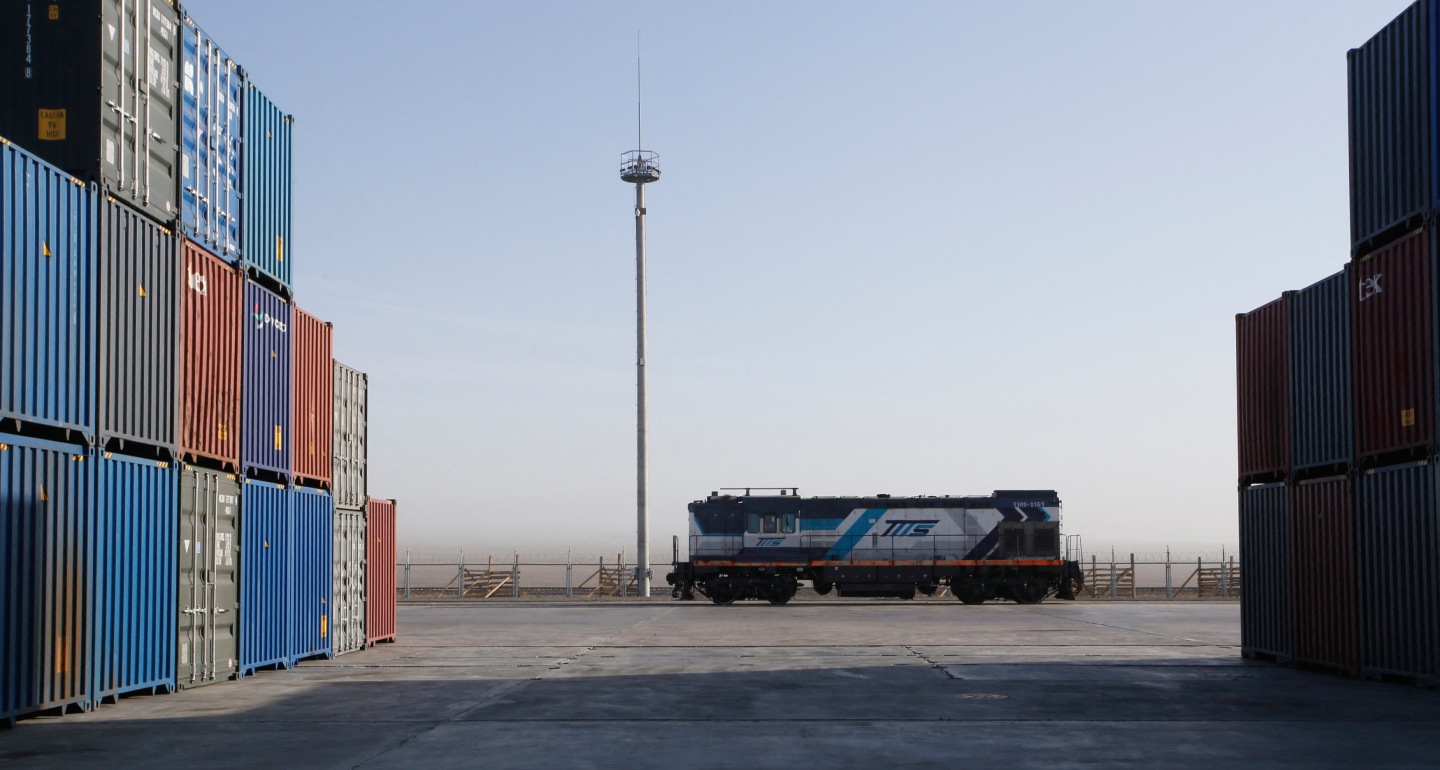
This year’s wars have made alternative routes to transit through Russia no less risky for Central Asian countries.

Galiya Ibragimova

A much-discussed disagreement over internet restrictions in Russia was never an existential threat for Putin: It was about elite groups protecting their interests.
Alexandra Prokopenko

The demands of the Kremlin’s war in Ukraine, demographic problems, and public hostility toward Central Asians mean Russia does not have enough workers.
Salavat Abylkalikov

Minsk’s faith in the future of its larger neighbor’s economy is fading as Belarusian firms in Russia see record losses.

Olga Loiko