

Commentary
Minsk clearly expected the dialogue with Washington to yield more results, in particular the lifting of EU sanctions and permission to export potash.
Artyom Shraibman
{
  "authors": [],
  "type": "pressRelease",
  "centerAffiliationAll": "dc",
  "centers": [
    "Carnegie Endowment for International Peace"
  ],
  "collections": [
    "U.S. Nuclear Policy"
  ],
  "englishNewsletterAll": "ctw",
  "nonEnglishNewsletterAll": "",
  "primaryCenter": "Carnegie Endowment for International Peace",
  "programAffiliation": "NPP",
  "programs": [
    "Nuclear Policy"
  ],
  "projects": [],
  "regions": [
    "North America",
    "United States",
    "Southeast Asia"
  ],
  "topics": [
    "Nuclear Policy"
  ]
}
REQUIRED IMAGE
Indonesia announced that it would ratify the Comprehensive Test Ban Treaty immediately after the United States does.
WASHINGTON, June 8—Indonesia today announced that it would ratify the Comprehensive Test Ban Treaty (CTBT) immediately after the United States does. Indonesia is one of nine remaining countries, including the United States, China, Israel, India, Pakistan, Egypt, Iran, and North Korea, which need to ratify the global nuclear test ban for it to take effect.
Speaking today at the Carnegie Endowment, Indonesia’s Foreign Minister Hassan Wirajuda said:
“We share [President Obama’s] vision of a world in which nuclear weapons have been eradicated. We trust that he will succeed in getting the CTBT ratified—and we promise that when that happens, Indonesia will immediately follow suit.”
Welcoming the foreign minister’s announcement, Jessica T. Mathews, president of the Carnegie Endowment, said,
“Indonesia’s commitment to ratifying the CTBT after the United States sends an important signal to two key audiences. It should reassure those in Congress who fear that even if the United States ratifies that no one else will, and it sends a clear message to other hold out states that the era of stalemate is over.”
###
NOTES
Carnegie does not take institutional positions on public policy issues; the views represented herein are those of the author(s) and do not necessarily reflect the views of Carnegie, its staff, or its trustees.

Minsk clearly expected the dialogue with Washington to yield more results, in particular the lifting of EU sanctions and permission to export potash.

Artyom Shraibman
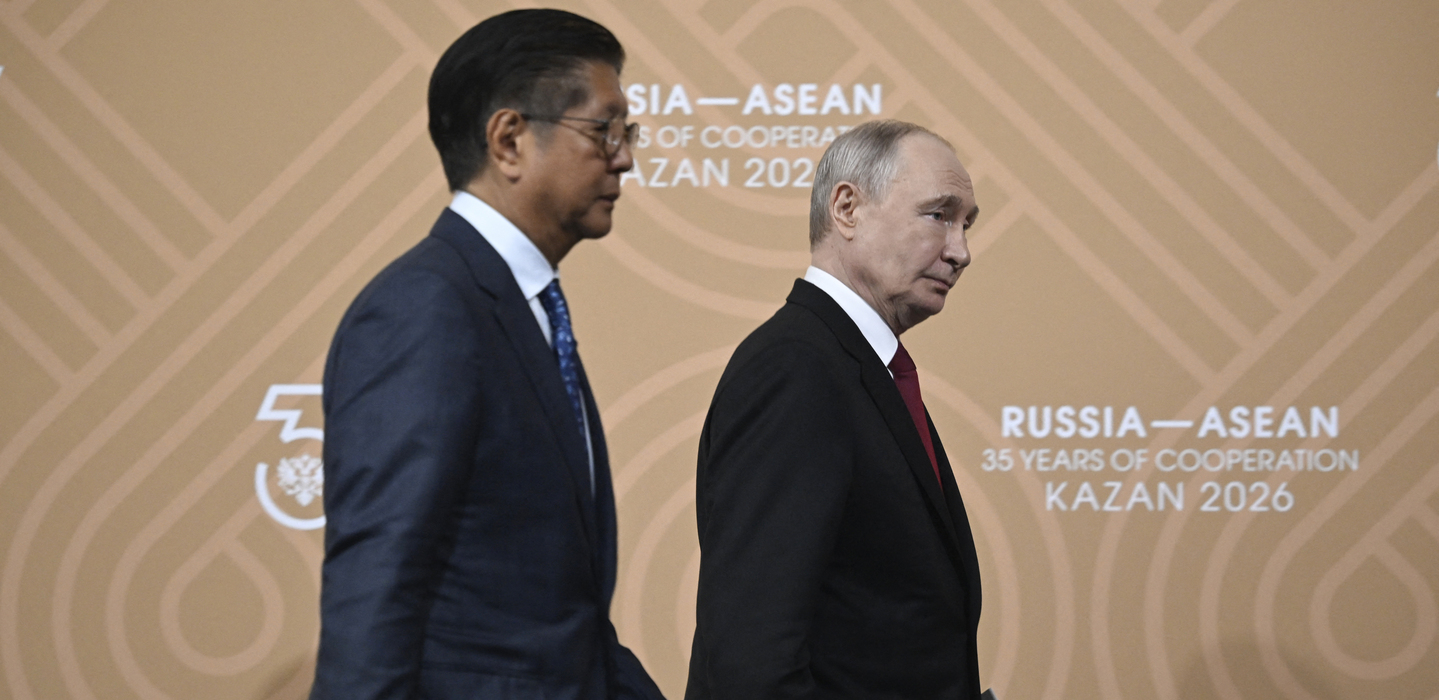
Russia looks set to reap economic benefits from closer ties with Southeast Asian countries that are keen to find reliable energy suppliers and diversify trade ties.

Alexander Gabuev

Ongoing uncertainty in the Middle East allows Moscow to both increase its influence in Tehran and continue to enjoy the financial windfall of higher oil prices.

Nikita Smagin
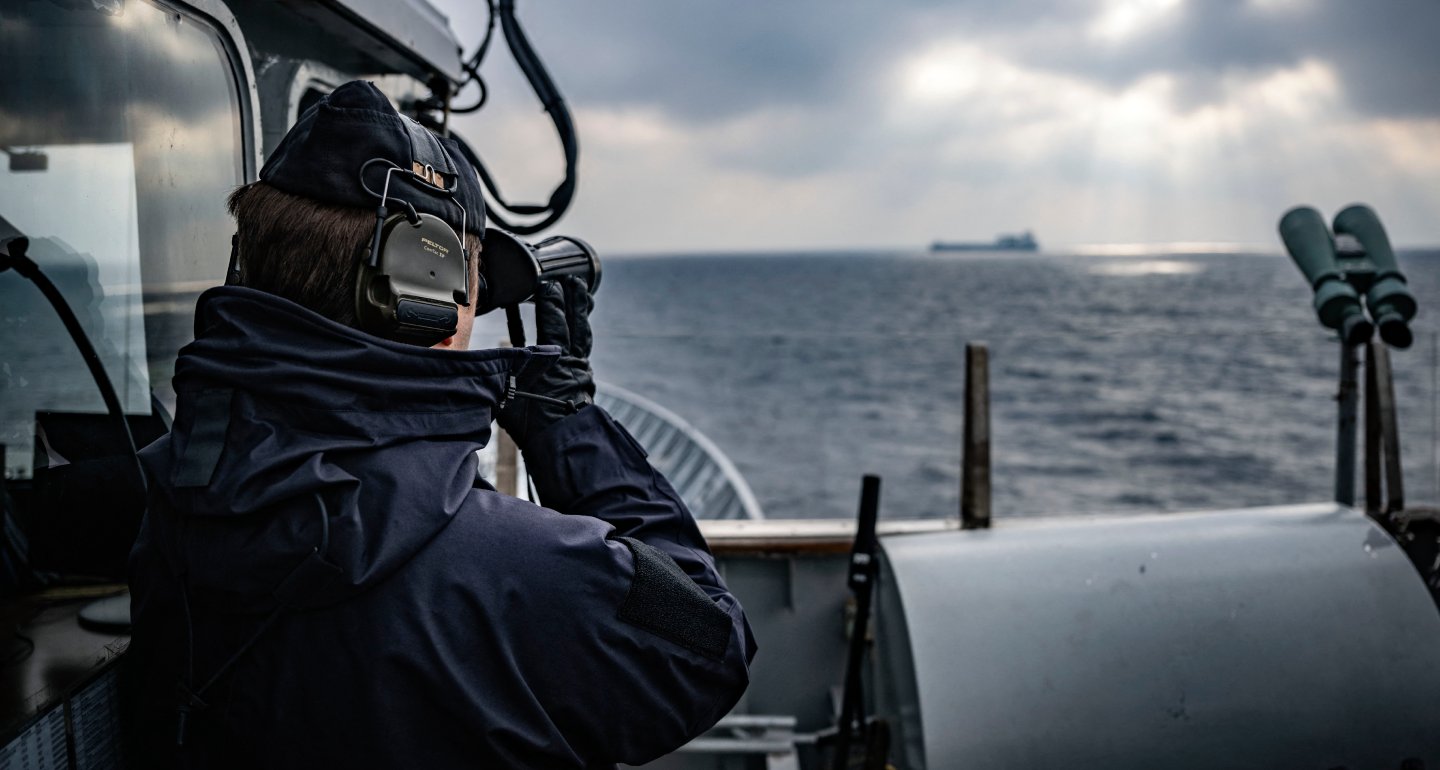
Governments in Estonia, Latvia, and Lithuania want to ensure that a U.S. military withdrawal would not leave them dangerously exposed to a Russian attack.

Sergejs Potapkins
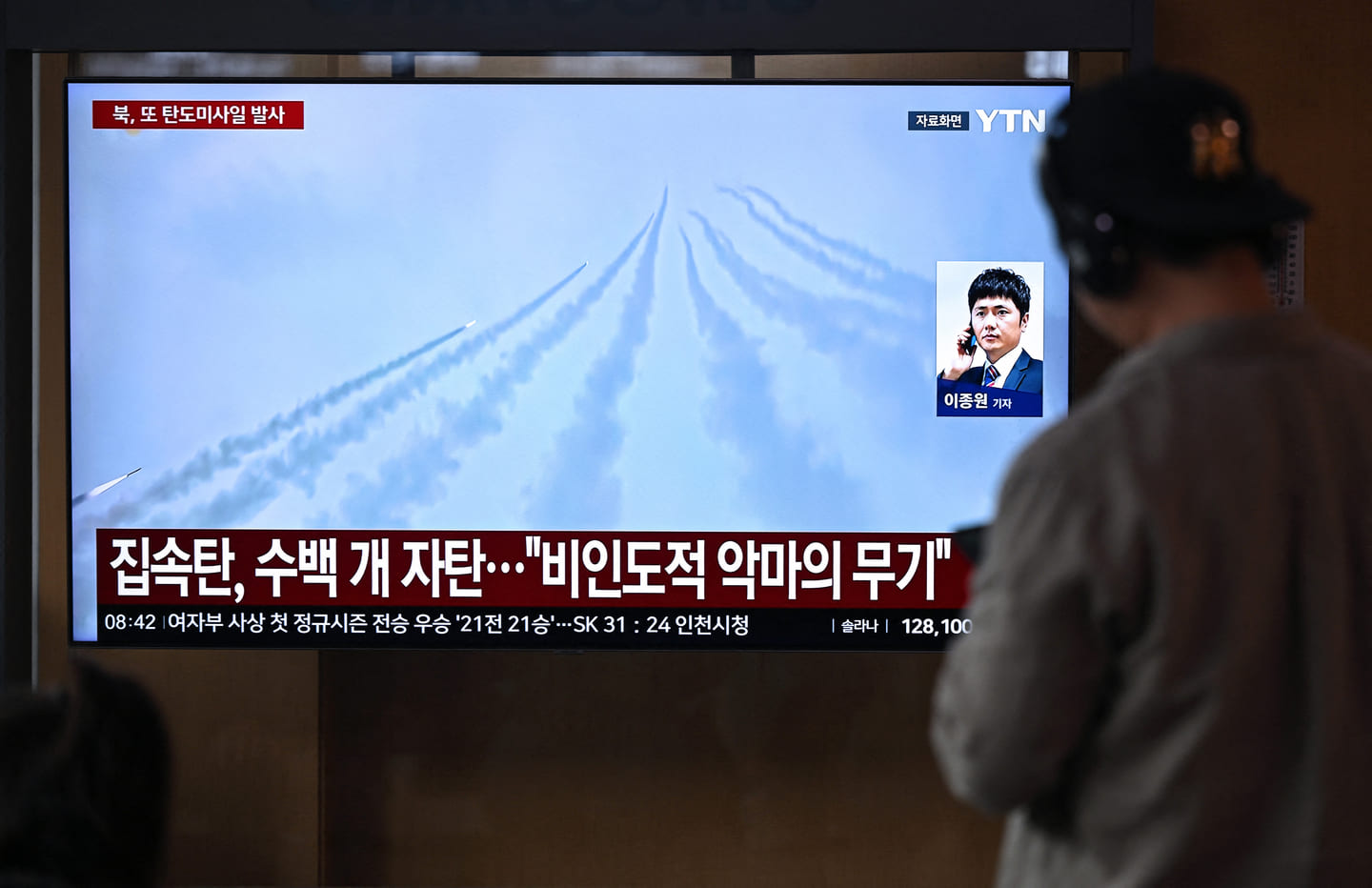
Troubled by the growing salience of nuclear debates in East Asia, Moscow has responded in its usual way: with condemnation and threats. But by exacerbating insecurity, Russia is forcing South Korea and Japan to consider radical security options.

James D.J. Brown