

Commentary
Cargo traffic through Russia’s Northern Sea Route has increased because of the disruption caused by the conflict in the Middle East, the Ukraine war, and U.S.-China tensions.
Mikhail Korostikov
{
  "authors": [
    "Robert Kagan",
    "David Ignatius",
    "David Sanger",
    "David Brooks"
  ],
  "type": "legacyinthemedia",
  "centerAffiliationAll": "dc",
  "centers": [
    "Carnegie Endowment for International Peace"
  ],
  "collections": [],
  "englishNewsletterAll": "menaTransitions",
  "nonEnglishNewsletterAll": "",
  "primaryCenter": "Carnegie Endowment for International Peace",
  "programAffiliation": "MEP",
  "programs": [
    "Middle East"
  ],
  "projects": [],
  "regions": [
    "North America",
    "United States",
    "Middle East",
    "Iran"
  ],
  "topics": [
    "Political Reform",
    "Foreign Policy"
  ]
}
Source: Getty
Violence in the aftermath of Iran’s election has raised questions about the future of the regime, and about the way the Obama administration should respond to this controversial situation.
Source: Charlie Rose

Carnegie’s Robert Kagan joined David Ignatius, David Sanger, and David Brooks to discuss the U.S. role in the situation. Kagan highlighted the fact that the Obama administration is at a transition point, where it may have to rethink its commitment to negotiations and its acceptance of the legitimacy of the Iranian regime. At this point, he said, Obama should do whatever he can to try to prevent the regime from using mass violence—before it’s too late. Obama should use his international popularity as a tool and should try to rally other world leaders to join him in condemning the use of mass violence by the Iranian regime.
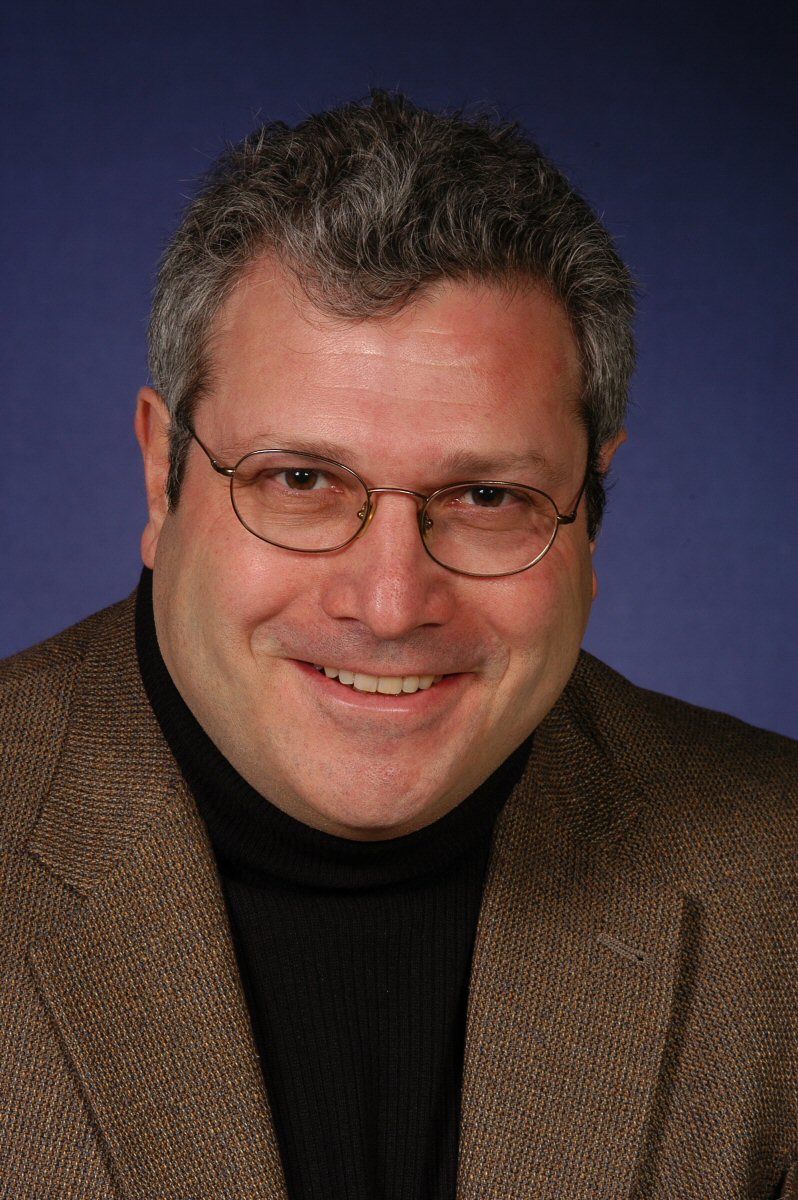
Former Senior Associate
Kagan, author of the recent book, The Return of History and the End of Dreams (Knopf 2008), writes a monthly column on world affairs for the Washington Post and is a contributing editor at both the Weekly Standard and the New Republic.
David Ignatius
David Sanger
David E. Sanger is the national security correspondent for the New York Times and a senior writer for the paper.
David Brooks
Carnegie does not take institutional positions on public policy issues; the views represented herein are those of the author(s) and do not necessarily reflect the views of Carnegie, its staff, or its trustees.

Cargo traffic through Russia’s Northern Sea Route has increased because of the disruption caused by the conflict in the Middle East, the Ukraine war, and U.S.-China tensions.

Mikhail Korostikov

Sergei Kiriyenko used Russia’s parliamentary vote to further hone his strategy of corporate mobilization that is designed to maximize votes for United Russia.

Andrey Pertsev

Trump has promised Belarus a massive potash deal. But Minsk is seeking something greater: restored Western transit and greater room for maneuver from Russia.

Balázs Jarábik

The European far right might fail to steer EU policy in the direction Russia wants, but they will create enough chaos inside Europe to benefit the Kremlin.

Dimitar Bechev

Minsk clearly expected the dialogue with Washington to yield more results, in particular the lifting of EU sanctions and permission to export potash.

Artyom Shraibman