• Research
  • Politika
  • About
Carnegie Russia Eurasia center logoCarnegie lettermark logo
  • Donate
{
  "authors": [],
  "type": "pressRelease",
  "centerAffiliationAll": "",
  "centers": [
    "Carnegie Endowment for International Peace"
  ],
  "collections": [],
  "englishNewsletterAll": "",
  "nonEnglishNewsletterAll": "",
  "primaryCenter": "Carnegie Endowment for International Peace",
  "programAffiliation": "",
  "programs": [],
  "projects": [],
  "regions": [
    "North America",
    "South America",
    "East Asia",
    "Eastern Europe"
  ],
  "topics": [
    "Economy"
  ]
}
REQUIRED IMAGE

REQUIRED IMAGE

Press Release

Alejandro Foxley Joins the Carnegie Endowment

Alejandro Foxley, formerly Foreign Minister, and earlier, Finance Minister of Chile, has joined the Carnegie Endowment for International Peace as a member of the Endowment’s International Economics Program.

Link Copied
Published on Jul 13, 2009

WASHINGTON, July 10—Alejandro Foxley, formerly Foreign Minister, and earlier, Finance Minister of Chile, has joined the Carnegie Endowment for International Peace. As a member of the Endowment’s International Economics Program, Foxley will focus on development policies for the middle-income countries in Eastern Europe, East Asia, and Latin America, and on impacts of and recovery from the global financial crisis, especially for this group of countries.

Prior to his role in the executive, Foxley served as a Chilean senator, chairing the Finance Committee and the Permanent Joint Budget Committee, and as a governor of the Inter-American Development Bank and the World Bank.

Making the announcement, Jessica T. Mathews, president of the Endowment, said:

“We are honored that Alejandro has chosen Carnegie for the next stage in his illustrious career as scholar and government leader. No one else anywhere matches his combination of economic expertise, political wisdom, international experience, human compassion, and common sense. Foxley has a unique understanding of the development challenges facing governments—particularly those of the middle-income countries—as they emerge from the crisis and begin to rebuild their economies.”

Alejandro Foxley said:

“I am delighted to join Carnegie at a time when the global financial crisis is demanding from all of us fresh approaches and new ideas. Carnegie, as a truly global think tank, is the ideal place to contribute to the international discussion on the policy solutions needed, particularly from the perspective of a longtime practitioner of development.”

###


NOTES

  • Alejandro Foxley is a senior associate in the Carnegie International Economics Program, and at the Corporación de Estudios para Latinoamérica (CIEPLAN) in Santiago, Chile. Before joining Carnegie, Foxley was minister of foreign affairs of the Republic of Chile (2006–2009).

    Between 1998 and 2006, he was a senator of Chile, serving as chairman of the Finance Committee and the Permanent Joint Budget Committee. Previously, he was also Chile’s minister of finance and concurrently served as a governor of the Inter-American Development Bank and the World Bank (1990–1994). From 1998 until 2002 Foxley served as a member of the Carnegie Economic Reform Network (CERN), a distinguished group of former ministers and other senior policy makers who played key roles in advancing market-oriented economic reforms in developing and transitional economies.

    Foxley has been honored by the governments of France (L’ordre National de la Légion d’Honneur), Peru (Orden Sol del Perú en el grado de Gran Cruz), Austria (Gran Croix de Premier Class), Brazil (“Orden Nacional Cruzeiro do Sol” Gran Cruz), and Spain (Orden al Mérito Civil) for his contributions to the field of economics. He is a former president and member of the board of directors of CIEPLAN and is the author or editor of 15 books on economics, economic development, and democracy.

  • The Carnegie International Economics Program (IEP) monitors and analyzes short- and long-term trends in the global economy, including macroeconomic developments, trade, commodities, and capital flows, and draws out policy implications. The initial focus of the Program will be the global financial crisis and the policy issues raised. Among other research, the Program will examine the ramifications of the rising weight of developing countries in the global economy.

  • The new International Economic Bulletin draws on the expertise of Carnegie's global centers to provide a candid view of the economic crisis and its political implications. Addressing the momentous challenges of the economic downturn will require objectivity, and the ability to analyze the political dimensions of reforms around the world. Experts on Russia, China, the Middle East, and Africa weigh in on how policy makers in each region can do more to counteract the crisis.

  • Press Contact: Jessica Jennings, 202/939-2265, jjennings@ceip.org

EconomyNorth AmericaSouth AmericaEast AsiaEastern Europe

Carnegie does not take institutional positions on public policy issues; the views represented herein are those of the author(s) and do not necessarily reflect the views of Carnegie, its staff, or its trustees.

More Work from Carnegie Russia Eurasia Center

  • Commentary
    Carnegie Politika
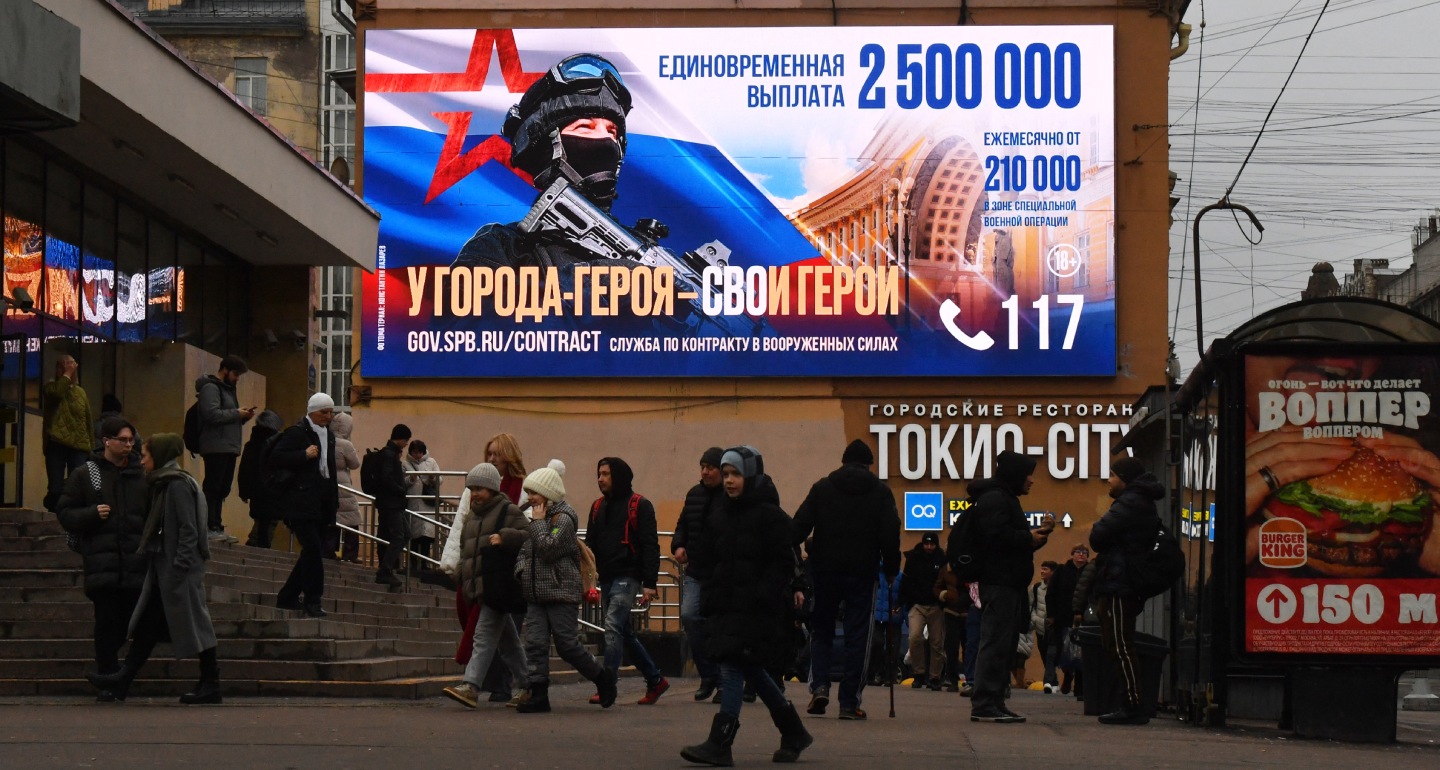
    Does Russia Have Enough Soldiers to Keep Waging War Against Ukraine?

    The Russian army is not currently struggling to recruit new contract soldiers, though the number of people willing to go to war for money is dwindling.

      Dmitry Kuznets

  • Commentary
    Carnegie Politika
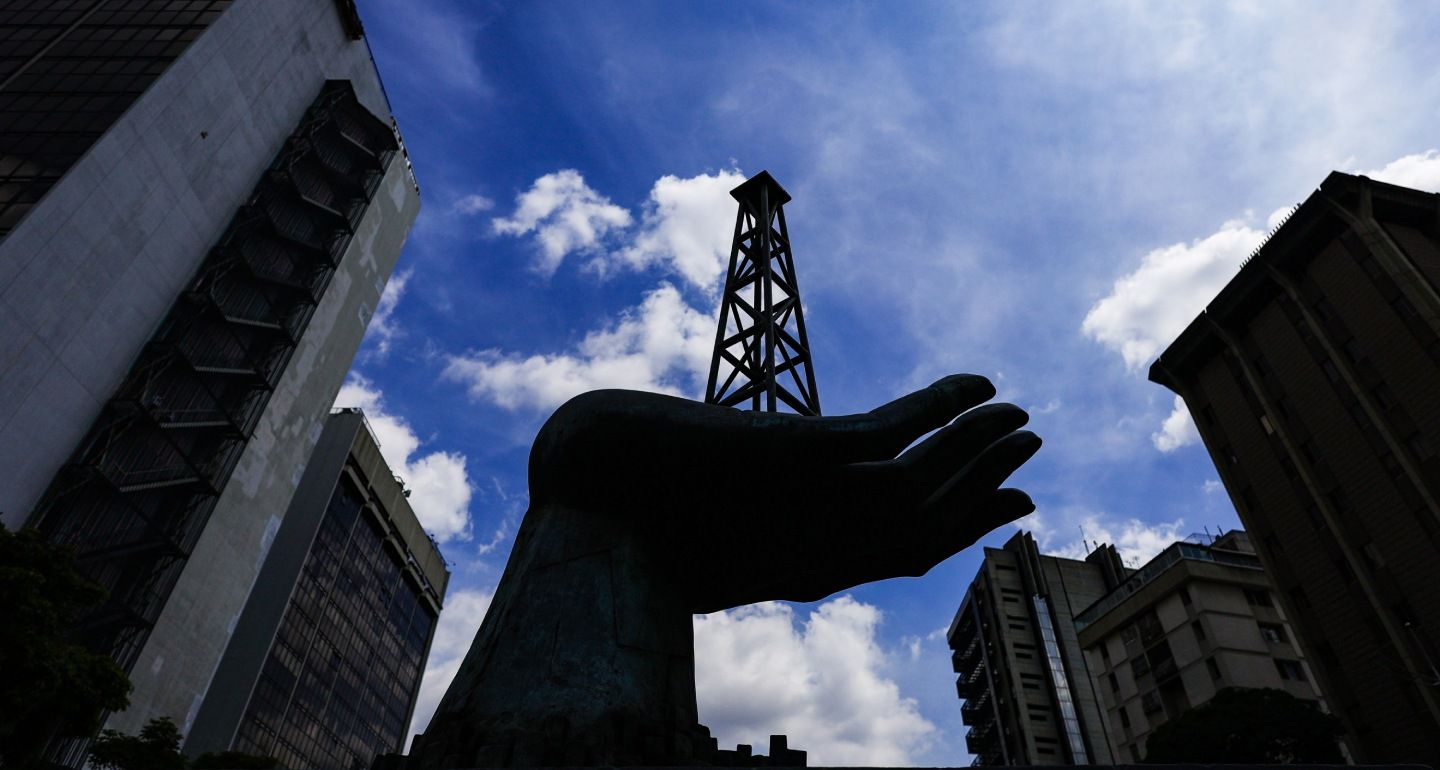
    Venezuela Is No Oil Eldorado, Despite U.S. and Russian Claims

    Geological complexity and years of mismanagement mean the Venezuelan oil industry is not the big prize officials in Moscow and Washington appear to believe.

      • Sergey Vakulenko

      Sergey Vakulenko

  • Commentary
    Carnegie Politika
    Including Russia on the EU Financial Blacklist Will Hurt Ordinary People, Not the Kremlin

    The paradox of the European Commission’s decision is that the main victims will not be those it formally targets. Major Russian businesses associated with the Putin regime have long adapted to sanctions with the help of complex schemes involving third countries, offshore companies, and nonpublic entities.

      Alexandra Prokopenko

  • Commentary
    Carnegie Politika
    Why Didn’t the Ukraine War Turn Russia’s Ruling Class Against Putin?

    A new book by Alexandra Prokopenko looks at why the Russian ruling class became the regime’s willing servants—and how they might fare in a post-Putin world.

      Vladislav Gorin

  • Commentary
    Carnegie Politika
    Collateral Damage: The Frozen Foreign Assets of Middle-Class Russians

    The volume of frozen private assets might seem insignificant compared with Russia’s sovereign reserves, but these are the savings of millions of people who believed that foreign securities were a safe investment and in the institution of private property.

      Yulia Starostina

Get more news and analysis from
Carnegie Russia Eurasia Center
Carnegie Russia Eurasia logo, white
  • Research
  • Politika
  • About
  • Experts
  • Events
  • Contact
  • Privacy
Get more news and analysis from
Carnegie Russia Eurasia Center
© 2026 Carnegie Endowment for International Peace. All rights reserved.