• Research
  • Politika
  • About
Carnegie Russia Eurasia center logoCarnegie lettermark logo
  • Donate
{
  "authors": [
    "James M. Acton"
  ],
  "type": "legacyinthemedia",
  "centerAffiliationAll": "dc",
  "centers": [
    "Carnegie Endowment for International Peace"
  ],
  "collections": [
    "Korean Peninsula"
  ],
  "englishNewsletterAll": "",
  "nonEnglishNewsletterAll": "",
  "primaryCenter": "Carnegie Endowment for International Peace",
  "programAffiliation": "NPP",
  "programs": [
    "Nuclear Policy"
  ],
  "projects": [],
  "regions": [
    "East Asia",
    "South Korea",
    "North Korea"
  ],
  "topics": [
    "Nuclear Policy"
  ]
}
Source: Getty

In The Media

Verifying North Korea's Nuclear Programme: Technical Options and Policy Choices

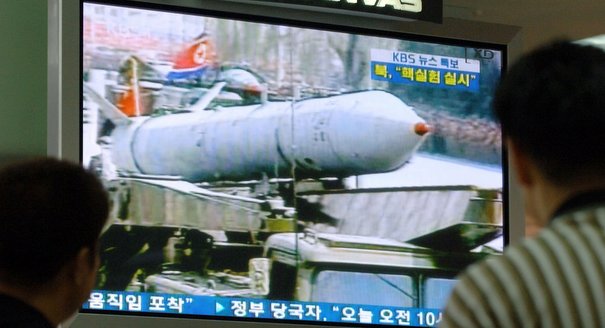
This paper, presented at the Institute of Nuclear Materials Management (INMM) 50th Annual Meeting, considers the challenges and policy choices associated with verifying a North Korean declaration about its past nuclear activities.

Link Copied
By James M. Acton
Published on Jul 12, 2009

Source: INMM Conference Paper

Verifying North Korea's Nuclear Programme: TechnicThis paper considers the challenges and policy choices associated with verifying a North Korean declaration about its past nuclear activities. In terms of the plutonium programme, there are two key choices facing policy makers. First, in light of North Korea’s reported statement that its October 2006 test involved only 2 kg of plutonium, is the IAEA’s standard definition of a significant quantity appropriate? Second, using open source information, this paper argues that the uncertainty in the material unaccounted for, σ(MUF), will be between 5 and 10 kg, depending on the degree of cooperation afforded by North Korea. In order to ensure that verification produces a conclusive answer, the magnitude of σ(MUF) will necessitate some combination of decreasing the detection probability and increasing the false alarm rate from their standard IAEA values, or adopting entirely different criteria against which to assess North Korean compliance. The paper also includes a discussion of the process for verifying the absence or existence of a clandestine uranium enrichment programme by formulating it as a Bayesian inference problem. This framework, together with an analysis of the politics of inspections at undeclared locations suggests that, unless detailed intelligence pinpointing the location of a clandestine centrifuge facility is available, inspection rights at undeclared facilities may be of limited utility.

About the Author

James M. Acton

Jessica T. Mathews Chair, Co-director, Nuclear Policy Program

Acton holds the Jessica T. Mathews Chair and is co-director of the Nuclear Policy Program at the Carnegie Endowment for International Peace.

    Recent Work

  • Other
    Unpacking Trump’s National Security Strategy
      • Cecily Brewer
      • +18

      James M. Acton, Saskia Brechenmacher, Cecily Brewer, …

  • Commentary
    Trump Has an Out on Nuclear Testing. He Should Take It.

      James M. Acton

James M. Acton
Jessica T. Mathews Chair, Co-director, Nuclear Policy Program
James M. Acton
Nuclear PolicyEast AsiaSouth KoreaNorth Korea

Carnegie does not take institutional positions on public policy issues; the views represented herein are those of the author(s) and do not necessarily reflect the views of Carnegie, its staff, or its trustees.
More Work from Carnegie Russia Eurasia Center

  • Commentary
    Carnegie Politika
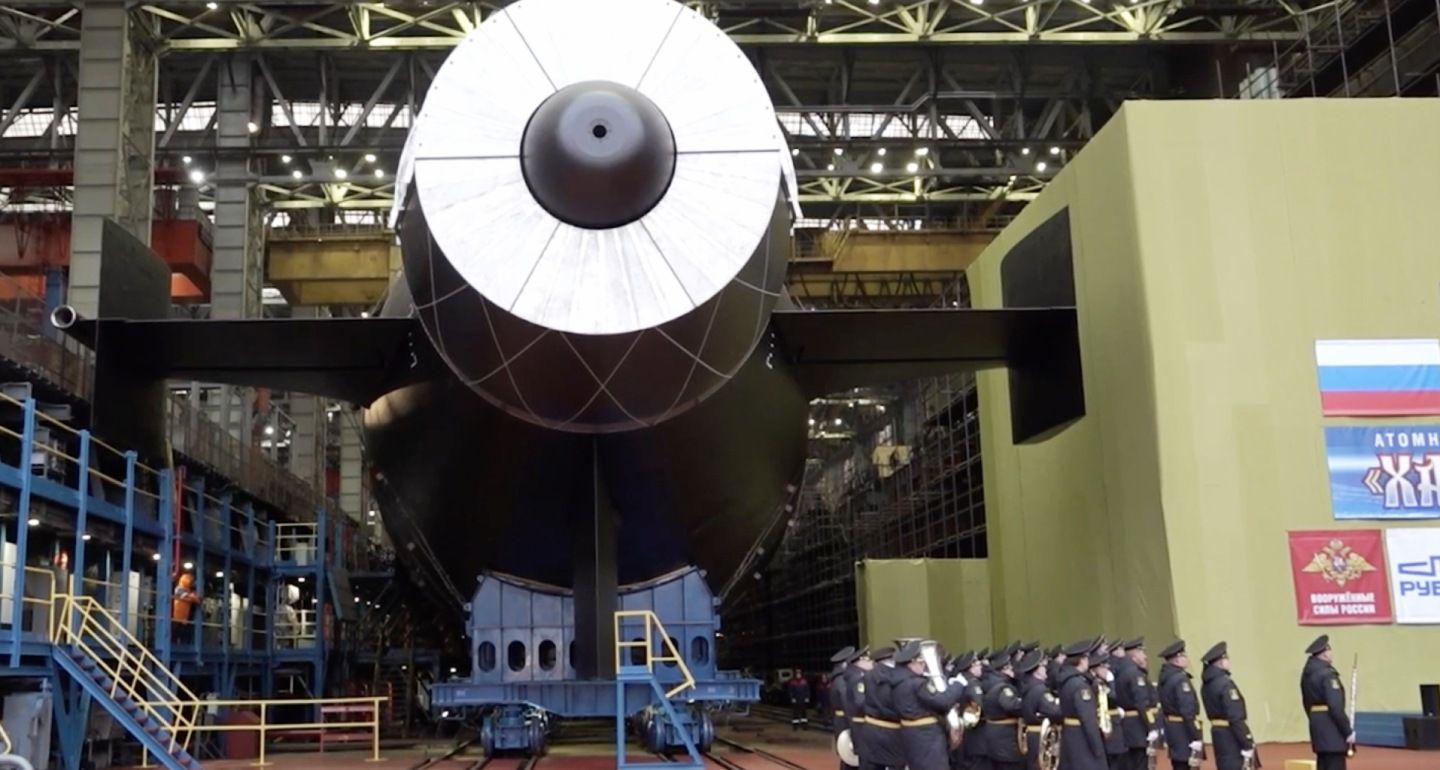
    For Putin, Increasing Russia’s Nuclear Threat Matters More Than the Triad’s Modernization

    For Putin, upgrading Russia’s nuclear forces was a secondary goal. The main aim was to gain an advantage over the West, including by strengthening the nuclear threat on all fronts. That made growth in missile arsenals and a new arms race inevitable.
      Maxim Starchak
  • Commentary
    Carnegie Politika
    Russia’s Latest Weapons Have Left Strategic Stability on the Brink of Collapse

    The Kremlin will only be prepared to negotiate strategic arms limitations if it is confident it can secure significant concessions from the United States. Otherwise, meaningful dialogue is unlikely, and the international system of strategic stability will continue to teeter on the brink of total collapse.

      Maxim Starchak
  • Commentary
    Carnegie Politika
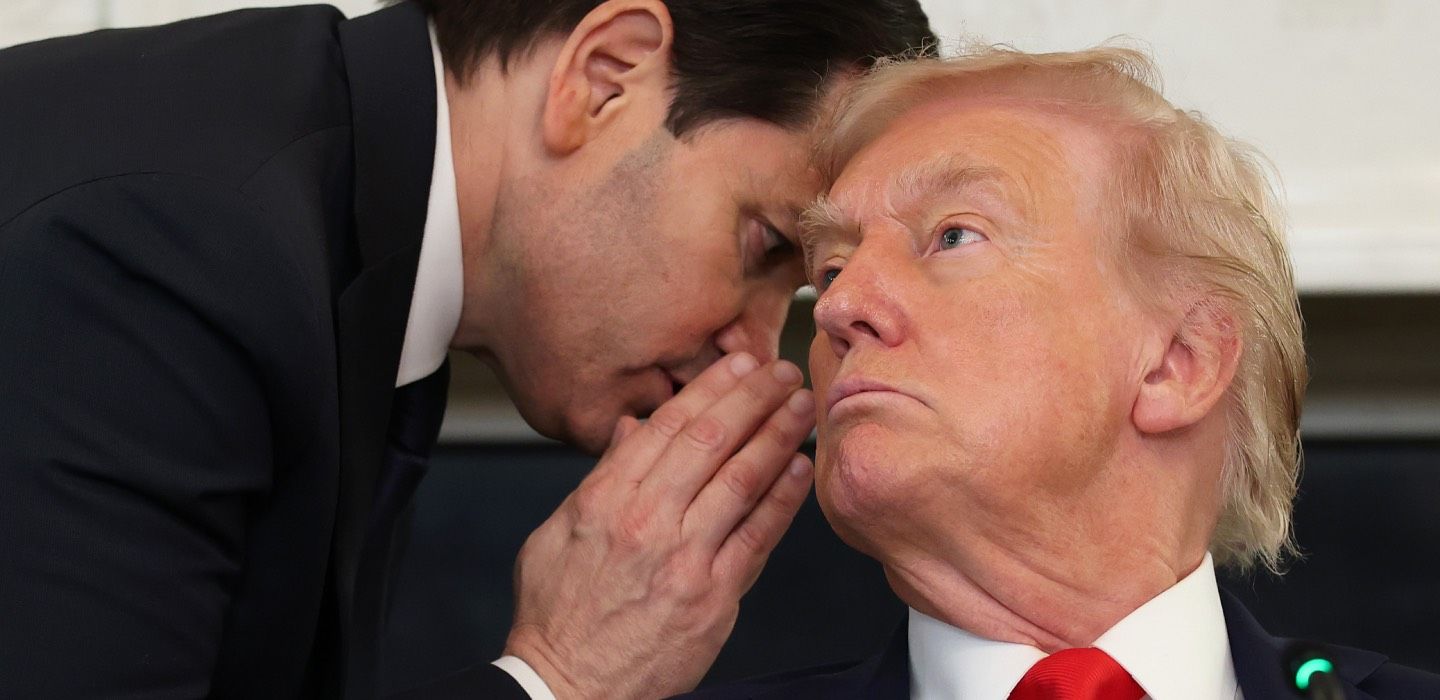
    How the Kremlin Lost Trump

    The collapse of the Budapest summit is an inevitable result of the Russian system of artificially creating foreign policy crises in order to achieve a desired outcome.

      Alexander Baunov

  • Commentary
    Carnegie Politika
    Ukraine’s Drone Attack on Russia’s Strategic Aviation Has Broader Implications

    Russia could compensate for “nuclear losses” to its aviation by strengthening other elements of its nuclear triad. At a time when control mechanisms are not functioning, there is a risk of strategic uncertainty emerging over the development trajectory of Russia’s nuclear forces.

      Maxim Starchak

  • Commentary
    Carnegie Politika
    What Would Russia Like From a New Iran Nuclear Deal?

    Moscow isn’t exactly thrilled by the prospect of sanctions against Iran being lifted, but if a new Iranian nuclear deal is inevitable, then the Kremlin is prepared to play an active role in it.

      Nikita Smagin

Get more news and analysis from
Carnegie Russia Eurasia Center
Carnegie Russia Eurasia logo, white
  • Research
  • Politika
  • About
  • Experts
  • Events
  • Contact
  • Privacy
Get more news and analysis from
Carnegie Russia Eurasia Center
© 2026 Carnegie Endowment for International Peace. All rights reserved.