

Commentary
A leak of Russian gas price data helps establish that China is paying Russia far less than Central Asian countries and Gazprom’s former European customers.
Sergey Vakulenko
{
  "authors": [
    "James M. Acton",
    "Elizabeth Turpen"
  ],
  "type": "legacyinthemedia",
  "centerAffiliationAll": "dc",
  "centers": [
    "Carnegie Endowment for International Peace"
  ],
  "collections": [
    "U.S. Nuclear Policy"
  ],
  "englishNewsletterAll": "ctw",
  "nonEnglishNewsletterAll": "",
  "primaryCenter": "Carnegie Endowment for International Peace",
  "programAffiliation": "NPP",
  "programs": [
    "Nuclear Policy"
  ],
  "projects": [],
  "regions": [
    "North America",
    "United States",
    "Caucasus",
    "Russia"
  ],
  "topics": [
    "Security",
    "Foreign Policy",
    "Nuclear Policy"
  ]
}
REQUIRED IMAGE
Russia will not agree to the kind of deep cuts in nuclear weapons envisioned by President Obama without a concrete deal on missile defense.
Source: Bloggingheads.tv
At a recent U.S.-Russia summit, Presidents Barack Obama and Dmitry Medvedev reached a framework agreement to cut each country's nuclear stockpiles by about a third by year's end. James M. Acton discussed with Elizabeth Turpen of the Henry L. Stimson Center, the challenges to reaching that goal. In grading U.S.-Russian discussions, Acton said:
"The Obama administration played it very savvily today—they have committed to doing the joint threat assessment on ballistic missiles with the Russians and that appears to have been enough...to satisfy Russian concerns for the time being. Obama has been very clear that the current treaty they are negotiating is an interim treaty; he wants something much bigger—much deeper cuts—to follow on very shortly on this treaty and the Russians are not going to do that without a concrete deal on missile defense, but that then is going require [Obama] opening himself up to much more criticism domestically."

Jessica T. Mathews Chair, Co-director, Nuclear Policy Program
Acton holds the Jessica T. Mathews Chair and is co-director of the Nuclear Policy Program at the Carnegie Endowment for International Peace.
Elizabeth Turpen
Carnegie does not take institutional positions on public policy issues; the views represented herein are those of the author(s) and do not necessarily reflect the views of Carnegie, its staff, or its trustees.
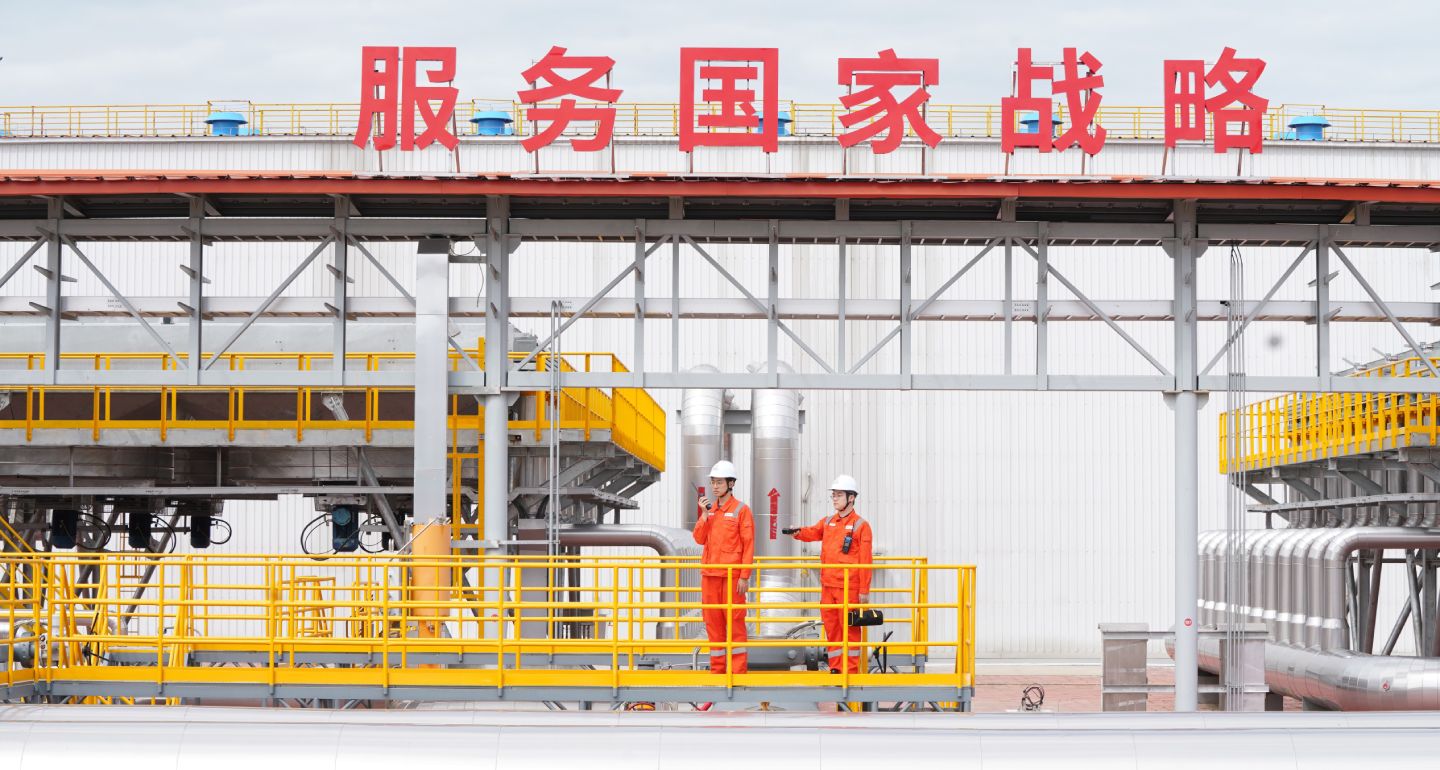
A leak of Russian gas price data helps establish that China is paying Russia far less than Central Asian countries and Gazprom’s former European customers.

Sergey Vakulenko

Japan’s long-term security policy is driven by concerns about China, and there is little appetite for (or interest in) pursuing a confrontation with Moscow.

James D.J. Brown
The truth of the strategic situation is that Europe and Russia are extremely unlikely to be able to “turn the page” on their confrontation within the next two decades.
Arkady Moshes
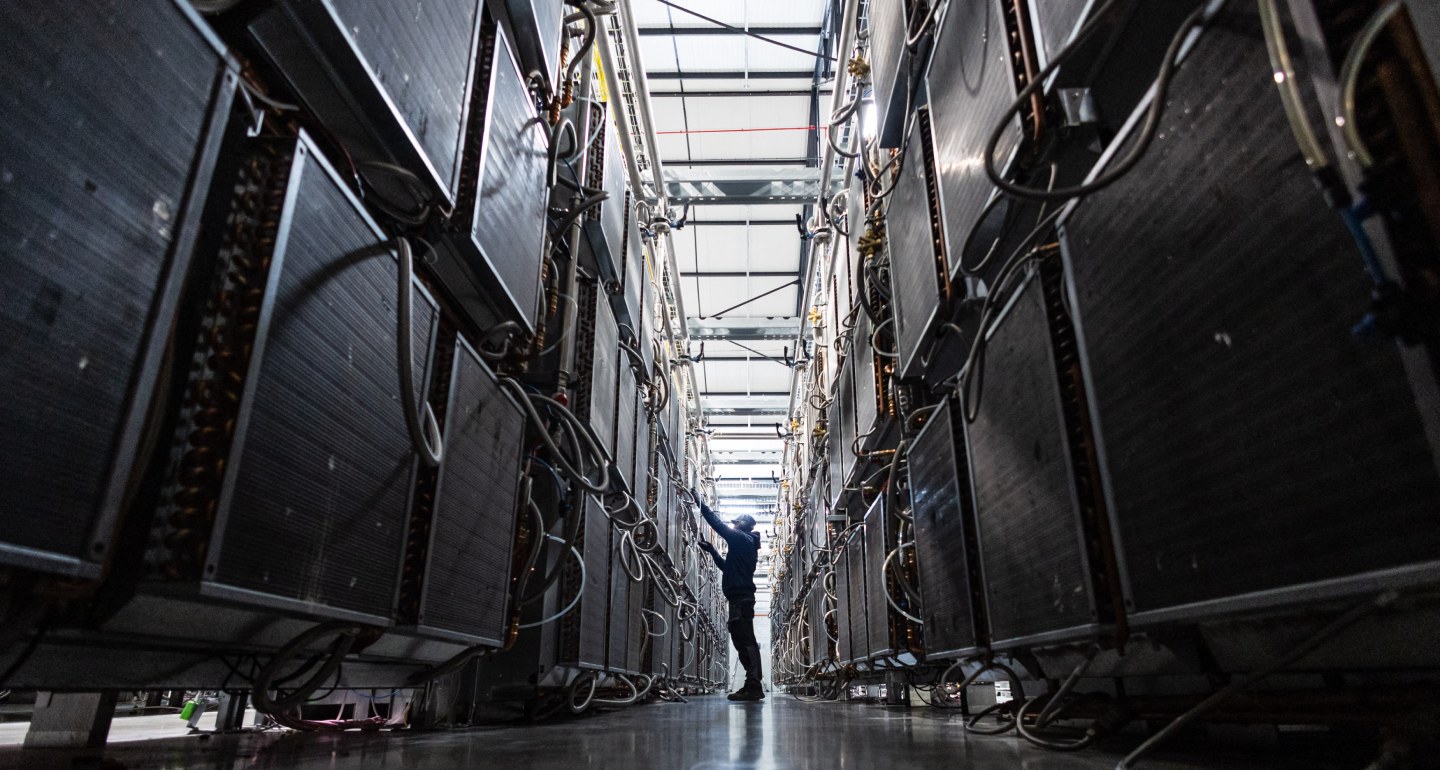
Russia spent years building a “sovereign internet,” concentrating web infrastructure exclusively within Russian territory. Ukrainian drone attacks have shown how vulnerable that approach has left the Russian internet.

Maria Kolomychenko

Putin’s conservative staffing policies and search for ever greater control have cemented parliament’s transformation into a bureaucratic appendage of the executive branch.

Andrey Pertsev