

Commentary
The U.S. president’s successful imposition of a ceasefire on notorious sworn enemies who have both agreed to make concessions only highlights Putin’s intransigence and his lack of competence and reason.
Alexander Baunov
{
  "authors": [],
  "type": "pressRelease",
  "centerAffiliationAll": "dc",
  "centers": [
    "Carnegie Endowment for International Peace"
  ],
  "collections": [],
  "englishNewsletterAll": "menaTransitions",
  "nonEnglishNewsletterAll": "",
  "primaryCenter": "Carnegie Endowment for International Peace",
  "programAffiliation": "MEP",
  "programs": [
    "Middle East"
  ],
  "projects": [],
  "regions": [
    "Palestine"
  ],
  "topics": []
}
REQUIRED IMAGE
The widening division between Fatah and Hamas threatens any chance for a diplomatic breakthrough on the Israeli–Palestinian conflict. Neither Palestinian faction is moving closer to reconciliation with or capitulation to the other side.
WASHINGTON, Aug 24—The widening division between Fatah and Hamas threatens any chance for a diplomatic breakthrough on the Israeli–Palestinian conflict. Neither Palestinian faction is moving closer to reconciliation with or capitulation to the other side, concludes a new commentary from Nathan J. Brown.
Security and economic gains in the West Bank are temporary and unsustainable—and unlikely to inspire a broader Palestinian rejection of Hamas. Recent championing of Palestinian Prime Minister Salam Fayyad’s efficient governance style as a new model for democracy in the region ignores the inherent shortcomings of governing only half of the Palestinian Authority.
Key Conclusions:
Brown concludes:
“The grim reality is that the Palestinians now have two political systems that are lurching farther away from each other, and neither one seems to have a viable strategy for realizing its vision or building a better future for the people it purports to lead.”
###
NOTES
Carnegie does not take institutional positions on public policy issues; the views represented herein are those of the author(s) and do not necessarily reflect the views of Carnegie, its staff, or its trustees.
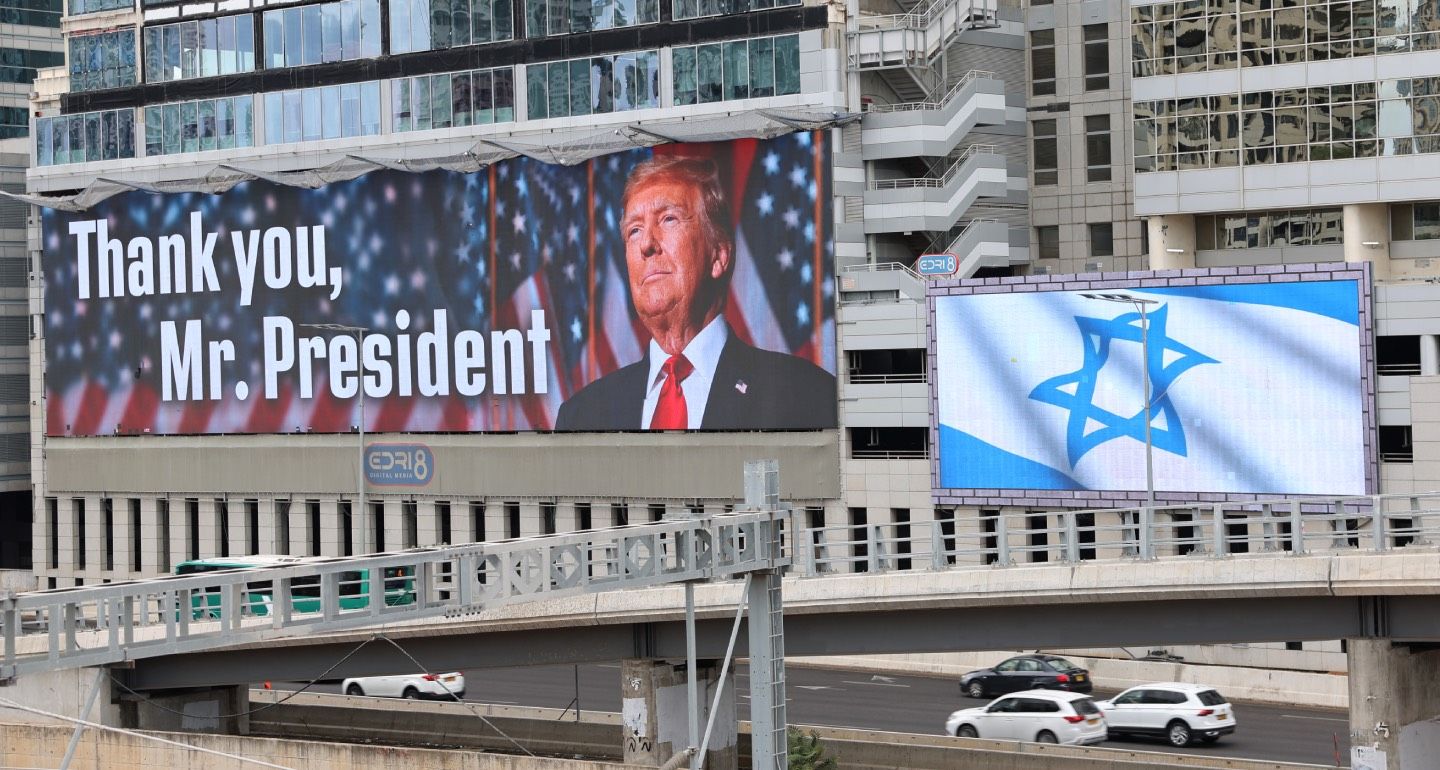
The U.S. president’s successful imposition of a ceasefire on notorious sworn enemies who have both agreed to make concessions only highlights Putin’s intransigence and his lack of competence and reason.

Alexander Baunov
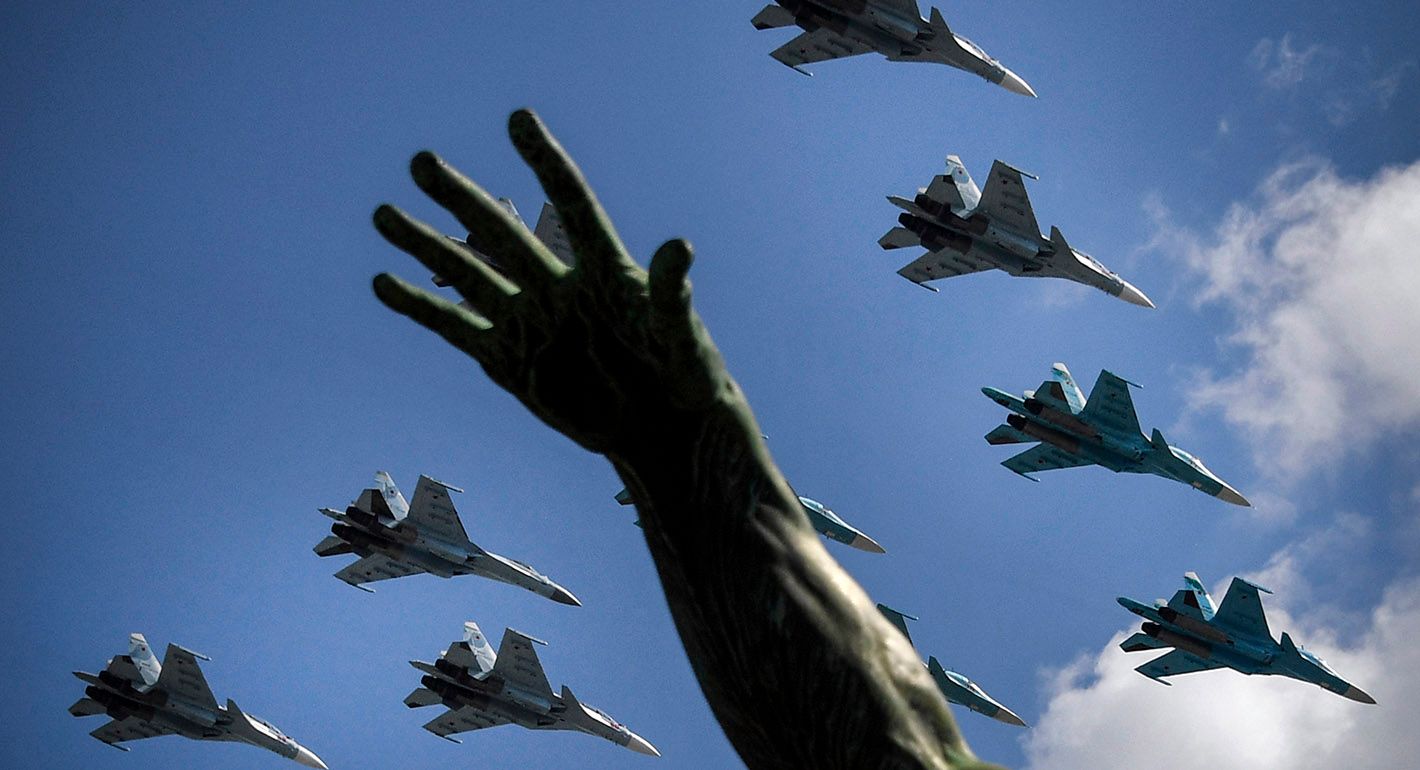
A steady flow of Russian weapons to Tehran could change the balance of power in the region, potentially triggering a response from the United States and Israel.

Nikita Smagin
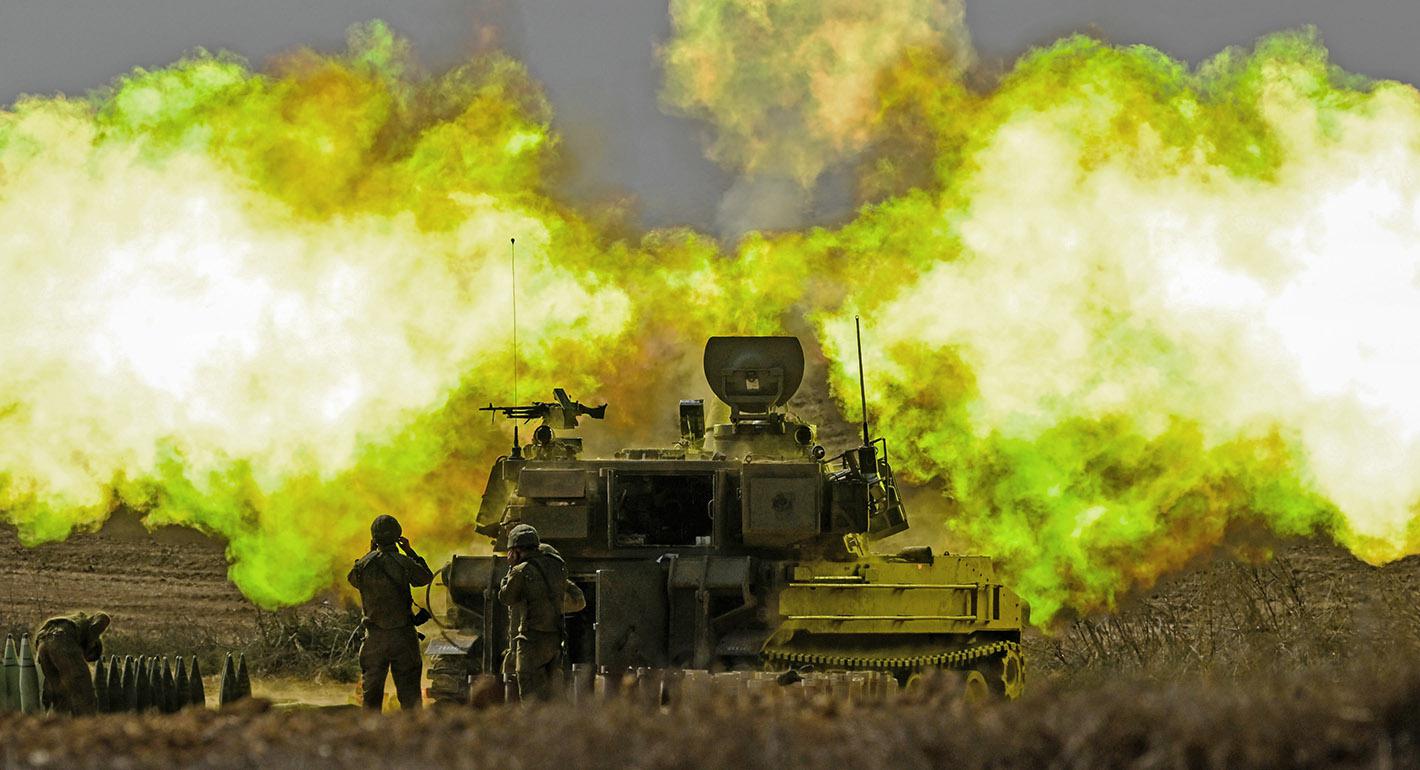
Events in the Middle East have helped the Kremlin convince itself that Russia’s foreign policy in recent years has been the right one.
Nikita Smagin
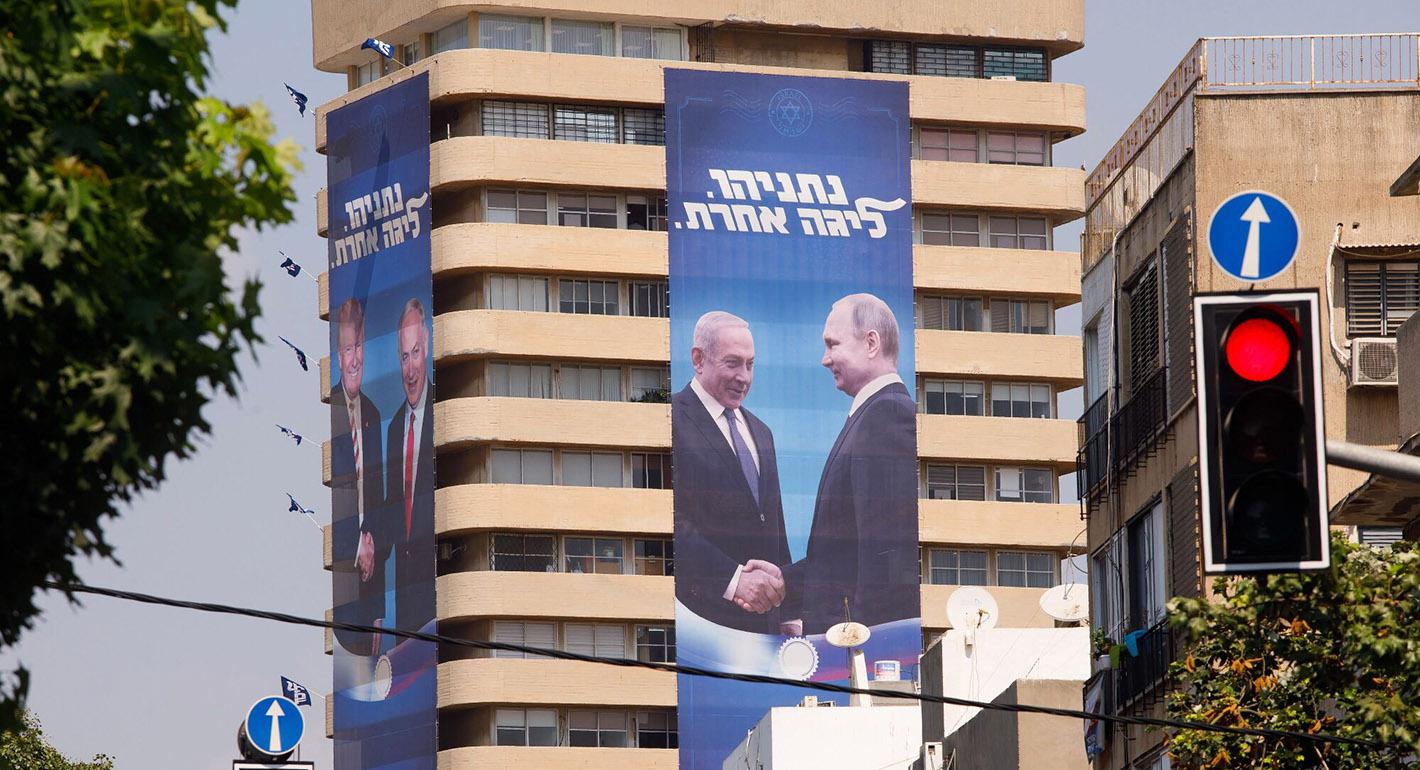
Moscow’s rapprochement with Hamas and the subsequent deterioration in ties with Israel signals the failure of Russia’s long-standing goal of appearing as a great power by acting as a mediator in the Middle East.
Milàn Czerny
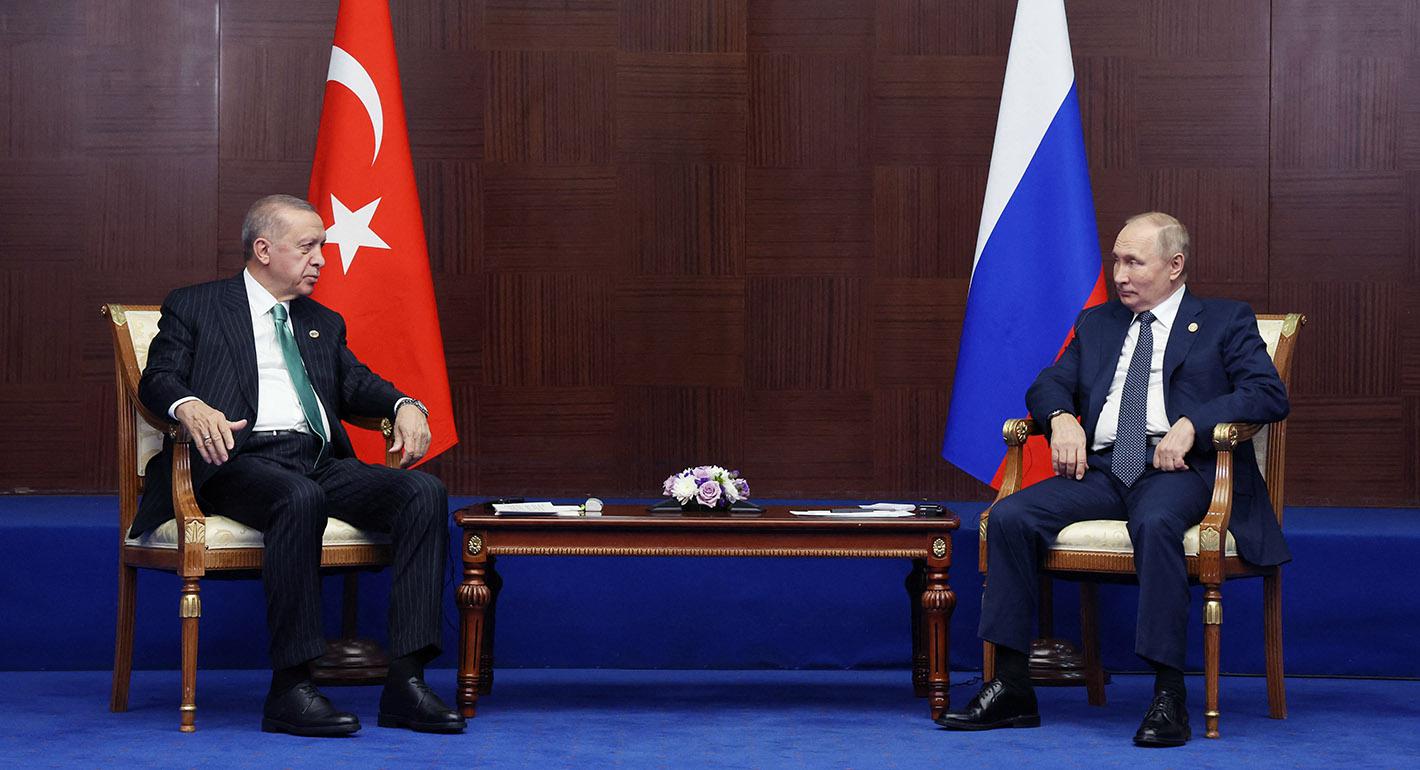
Shared support for Hamas likely means better diplomatic relations between Moscow and Ankara. But any warming of ties will only be situational.

Ruslan Suleymanov