

Commentary
With the growth in points of friction between the great powers, organizations like the SCO will continue to play a role in the strategic adaptation of the smaller powers caught between them.
Temur Umarov
{
  "authors": [],
  "type": "pressRelease",
  "centerAffiliationAll": "dc",
  "centers": [
    "Carnegie Endowment for International Peace"
  ],
  "collections": [],
  "englishNewsletterAll": "asia",
  "nonEnglishNewsletterAll": "",
  "primaryCenter": "Carnegie Endowment for International Peace",
  "programAffiliation": "AP",
  "programs": [
    "Asia",
    "Sustainability, Climate, and Geopolitics"
  ],
  "projects": [],
  "regions": [
    "United States",
    "China",
    "North America"
  ],
  "topics": [
    "Climate Change",
    "Foreign Policy"
  ]
}
REQUIRED IMAGE
Taiya Smith, former deputy chief of staff and lead negotiator for the U.S.–China Strategic Economic Dialogue for Treasury Secretary Henry Paulson, has joined the Carnegie Endowment.
WASHINGTON, August 18—Taiya Smith, former deputy chief of staff and lead negotiator for the U.S.–China Strategic Economic Dialogue for Treasury Secretary Henry Paulson, has joined the Carnegie Endowment.
Smith, a senior associate with both Carnegie’s Energy and Climate and China Programs, will direct a bilateral project examining barriers to green technology investment in China and the United States. Her work will also focus more broadly on global energy and climate policies, including U.S.–China climate negotiations and progress toward a global climate agreement.
The green investment project team, with equal representation from the United States and China, will investigate obstacles to private-sector investment in clean technology in both countries—a critical step in efforts to reduce carbon emissions by the world’s top two emitters. The project will produce a guide to investing in clean technology that aligns each country’s energy, environmental, and investment policies with its climate change goals.
Smith will work closely with Zhou Dadi, who oversees the Beijing arm of the Carnegie Energy and Climate Program, on the policies of China and the United States, whose status as the world’s two largest emitters of greenhouse gases makes their roles integral to any global climate agreement.
Making the announcement, Jessica Mathews, president of the Endowment, said:
“We are pleased that Taiya has chosen Carnegie as the place to build on her stellar work in government. Her considerable experience as an international negotiator, particularly in securing agreements that advance both U.S. and Chinese objectives, will be invaluable as she works to break down barriers to green investment between the two countries. Taiya is just the right person to build the much-needed bridge between policy makers and the private sector on the vital and interrelated issues of U.S. relations with China, efforts to mitigate climate change, and the restoration of global economic growth.”
Smith said:
“As a substantive policy institution with a global outlook, Carnegie offers me the opportunity to work at the nexus of policy and the private sector and the tools to take advantage of it. I am delighted to join at such a critical time for U.S.–China relations and climate change action. The depth and breadth of my colleagues’ knowledge and experience—not just in Washington, but around the world—will be invaluable resources.”
###
NOTES
Carnegie does not take institutional positions on public policy issues; the views represented herein are those of the author(s) and do not necessarily reflect the views of Carnegie, its staff, or its trustees.

With the growth in points of friction between the great powers, organizations like the SCO will continue to play a role in the strategic adaptation of the smaller powers caught between them.

Temur Umarov

When faced with fuel shortages in the past, Central Asian governments could always count on additional supplies from Moscow. That safety net no longer exists.

Galiya Ibragimova
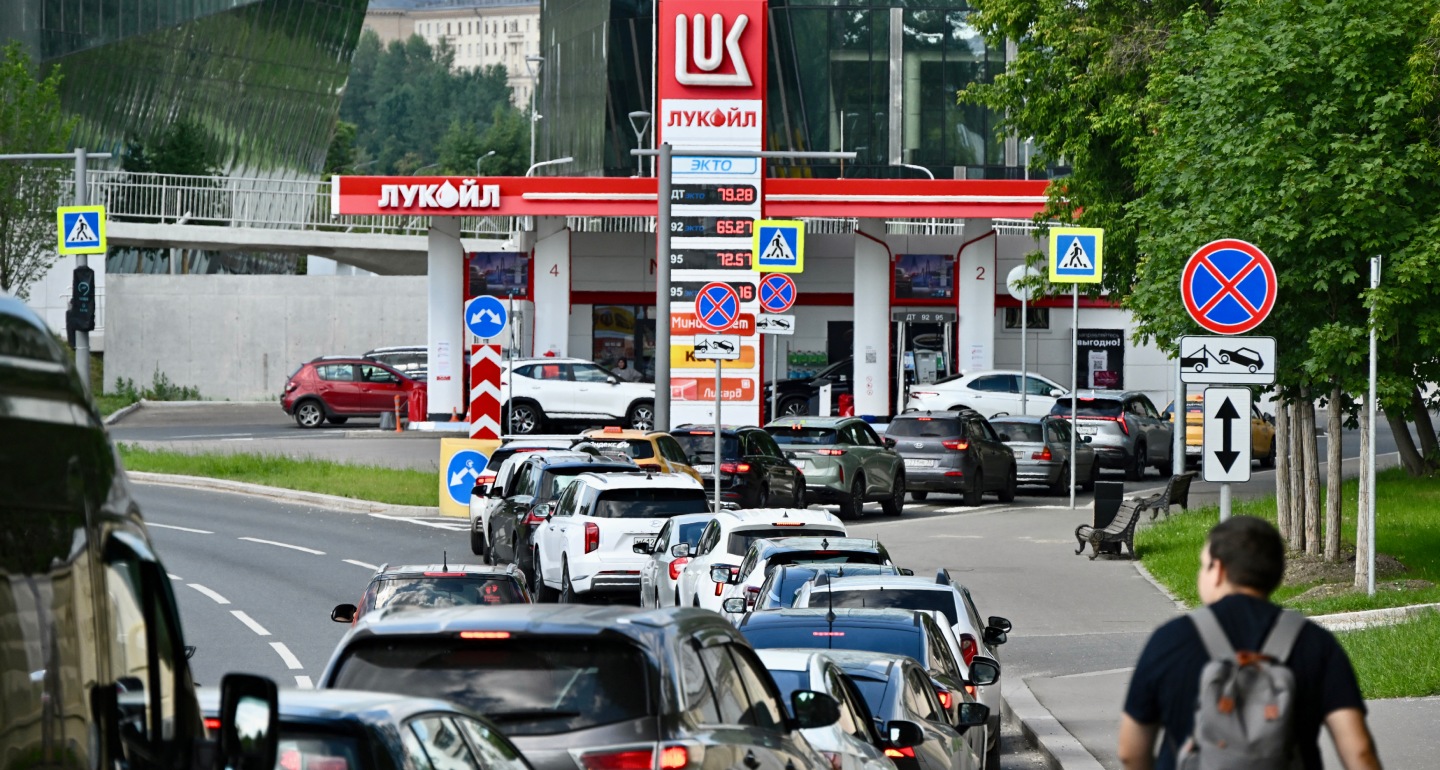
Official discussions about mini oil refineries are unlikely to come to anything—but the mere fact they’re happening reveals the regime is failing to deliver a functioning economy.

Sergey Vakulenko

Despite unhappiness on the ground, Moscow is determined to use both carrot and stick to ensure there is record support for United Russia in occupied Ukraine.

Konstantin Skorkin
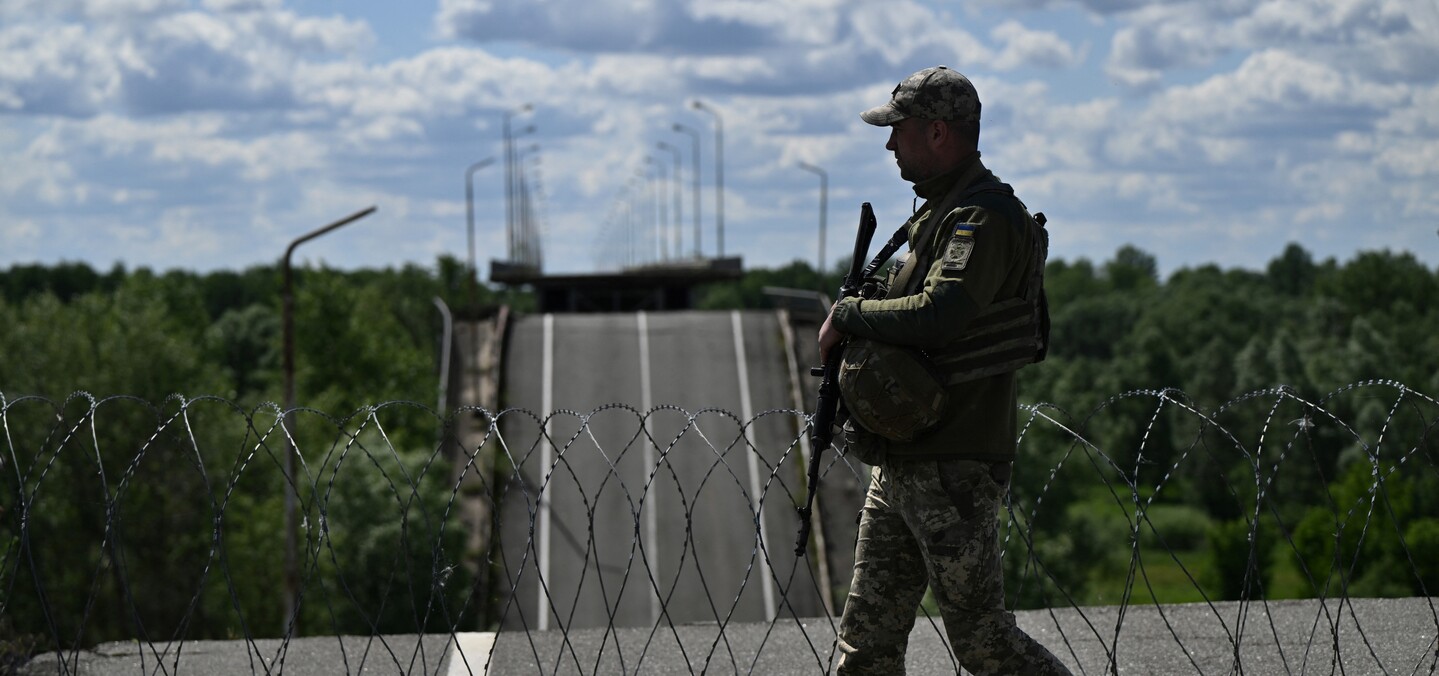
The recent damage inflicted by Ukrainian drones and missiles on Russia has made Belarus aware of its own vulnerabilities—and surprisingly amenable to Kyiv’s demands.

Artyom Shraibman