• Research
  • Politika
  • About
Carnegie Russia Eurasia center logoCarnegie lettermark logo
  • Donate
{
  "authors": [],
  "type": "pressRelease",
  "centerAffiliationAll": "",
  "centers": [
    "Carnegie Endowment for International Peace"
  ],
  "collections": [],
  "englishNewsletterAll": "",
  "nonEnglishNewsletterAll": "",
  "primaryCenter": "Carnegie Endowment for International Peace",
  "programAffiliation": "",
  "programs": [],
  "projects": [],
  "regions": [],
  "topics": [
    "Nuclear Policy"
  ]
}
REQUIRED IMAGE

REQUIRED IMAGE

Press Release

Mathews delivers NGO statement at CTBT conference

Representing 40 non-government organizations at today’s UN conference, Jessica Mathews, president of the Carnegie Endowment, urged key governments to ratify the Comprehensive Nuclear Test Ban Treaty.

Link Copied
Published on Sep 25, 2009

WASHINGTON, Sept 25—Representing 40 non-government organizations at today’s UN conference, Jessica Mathews, president of the Carnegie Endowment, urged key governments to ratify the Comprehensive Nuclear Test Ban Treaty.

The NGO statement, on behalf of a diverse set of nuclear nonproliferation and disarmament leaders, former public officials, and diplomats, said:

“CTBT entry into force is within reach. The next two years may represent the best opportunity to secure the future of this long-awaited and much-needed treaty. We strongly urge that like-minded pro-CTBT states work together to develop and execute a common diplomatic strategy to persuade the remaining states to sign and/or ratify the treaty before the next [CTBT] Conference two years from now.”

Speaking on the importance of the Treaty, Mathews said:

“Entry of the CTBT into force is vital and it is urgent.  Nuclear proliferation is the biggest security threat of the 21st century and entry into force is an absolute prerequisite to the steps that have to be taken to plug the dangerous holes in the nonproliferation regime.”   

To date, 181 states have signed the Treaty (including China and the United States) and 150 have ratified. Nine more states including—China, the DPRK, Egypt, India, Indonesia, Israel, Iran, Pakistan, and the United States—must ratify before the CTBT can formally enter into force.

###


Notes:

  • Jessica T. Mathews was appointed president of the Carnegie Endowment in 1997. Her career includes senior positions in the White House, State Department, Congress, Council on Foreign Relations, World Resources Institute, and the Washington Post.
     
  • The Carnegie Nonproliferation Program is an internationally recognized source of knowledge and policy thinking on efforts to curb the spread and use of nuclear weapons. Carnegie’s analysis consistently stays at the forefront of proliferation developments and nonproliferation policy debates.
     
  • Following its century-long practice of changing as global circumstances change, the Carnegie Endowment for International Peace is undertaking a fundamental redefinition of its role and mission. Carnegie aims to transform itself from a think tank on international issues to the first truly multinational—ultimately global—think tank. The Endowment has added operations in Beijing, Beirut, and Brussels to its existing centers in Washington and Moscow. These five locations include the two centers of world governance and the three places whose political evolution and international policies will most determine the near-term possibilities for international peace and economic advance. For more information on the Carnegie Endowment’s “New Vision,” visit: www.carnegieendowment.org/newvision
     
Nuclear Policy

Carnegie does not take institutional positions on public policy issues; the views represented herein are those of the author(s) and do not necessarily reflect the views of Carnegie, its staff, or its trustees.

More Work from Carnegie Russia Eurasia Center

  • Commentary
    Carnegie Politika
    For Putin, Increasing Russia’s Nuclear Threat Matters More Than the Triad’s Modernization

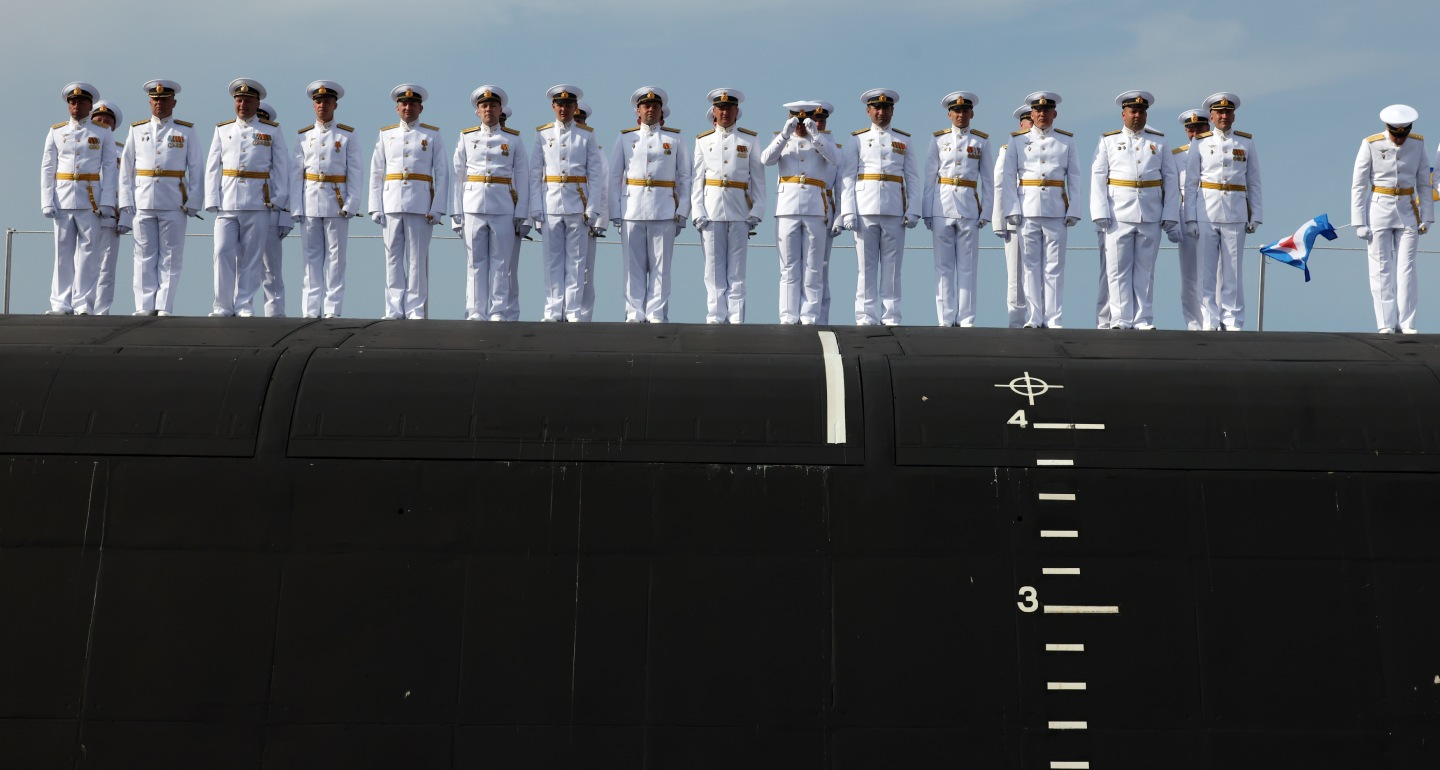
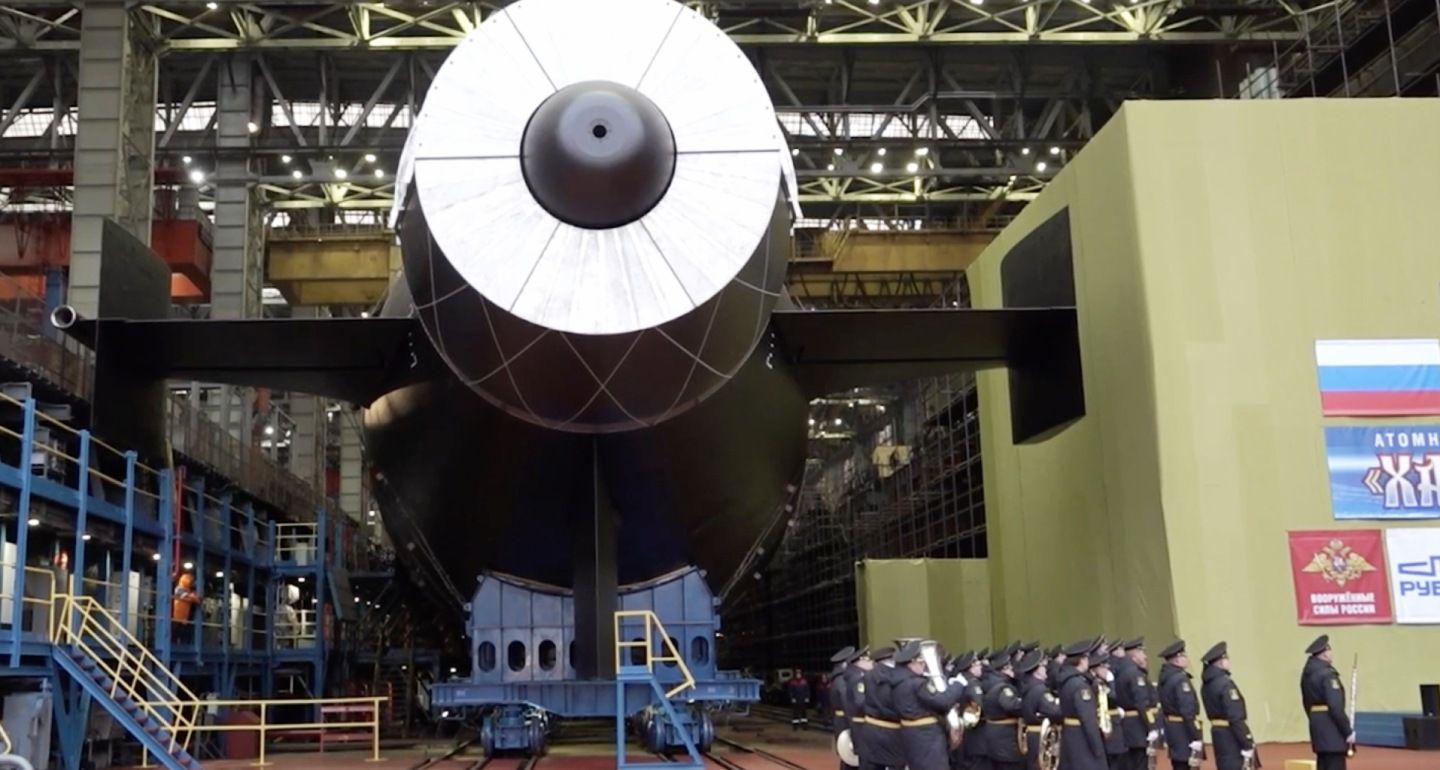
    For Putin, upgrading Russia’s nuclear forces was a secondary goal. The main aim was to gain an advantage over the West, including by strengthening the nuclear threat on all fronts. That made growth in missile arsenals and a new arms race inevitable.

      Maxim Starchak

  • Commentary
    Carnegie Politika
    Russia’s Latest Weapons Have Left Strategic Stability on the Brink of Collapse

    The Kremlin will only be prepared to negotiate strategic arms limitations if it is confident it can secure significant concessions from the United States. Otherwise, meaningful dialogue is unlikely, and the international system of strategic stability will continue to teeter on the brink of total collapse.

      Maxim Starchak

  • Commentary
    Carnegie Politika
    How the Kremlin Lost Trump

    The collapse of the Budapest summit is an inevitable result of the Russian system of artificially creating foreign policy crises in order to achieve a desired outcome.

      Alexander Baunov

  • Commentary
    Carnegie Politika
    Ukraine’s Drone Attack on Russia’s Strategic Aviation Has Broader Implications

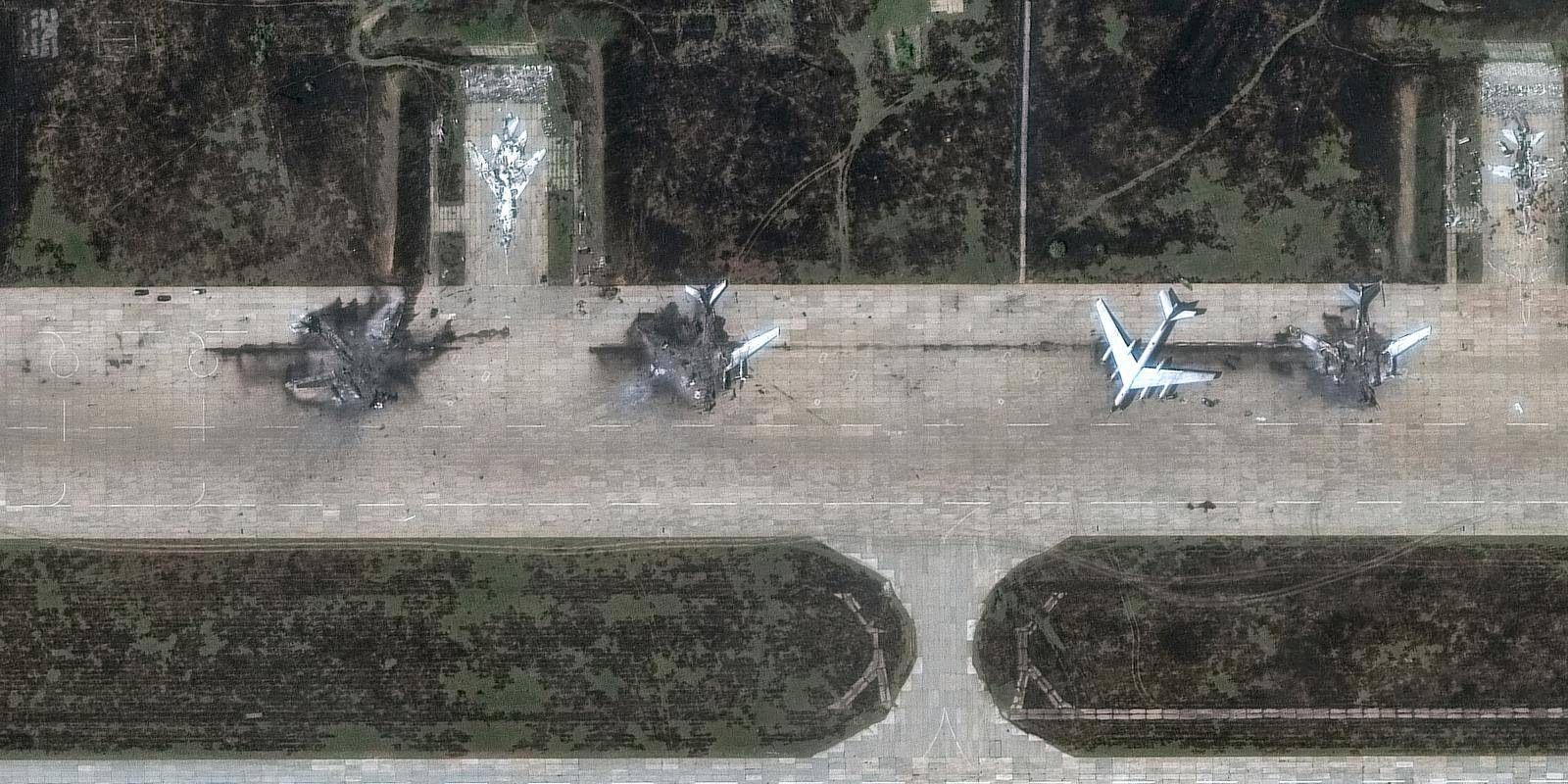
    Russia could compensate for “nuclear losses” to its aviation by strengthening other elements of its nuclear triad. At a time when control mechanisms are not functioning, there is a risk of strategic uncertainty emerging over the development trajectory of Russia’s nuclear forces.

      Maxim Starchak

  • Commentary
    Carnegie Politika
    What Would Russia Like From a New Iran Nuclear Deal?

    Moscow isn’t exactly thrilled by the prospect of sanctions against Iran being lifted, but if a new Iranian nuclear deal is inevitable, then the Kremlin is prepared to play an active role in it.

      Nikita Smagin

Get more news and analysis from
Carnegie Russia Eurasia Center
Carnegie Russia Eurasia logo, white
  • Research
  • Politika
  • About
  • Experts
  • Events
  • Contact
  • Privacy
Get more news and analysis from
Carnegie Russia Eurasia Center
© 2026 Carnegie Endowment for International Peace. All rights reserved.