

Article
Amel Boubekeur
{
  "authors": [
    "Amel Boubekeur"
  ],
  "type": "legacyinthemedia",
  "centerAffiliationAll": "dc",
  "centers": [
    "Carnegie Endowment for International Peace",
    "Malcolm H. Kerr Carnegie Middle East Center"
  ],
  "collections": [],
  "englishNewsletterAll": "menaTransitions",
  "nonEnglishNewsletterAll": "",
  "primaryCenter": "Malcolm H. Kerr Carnegie Middle East Center",
  "programAffiliation": "MEP",
  "programs": [
    "Middle East"
  ],
  "projects": [],
  "regions": [
    "North Africa",
    "Tunisia"
  ],
  "topics": [
    "Political Reform"
  ]
}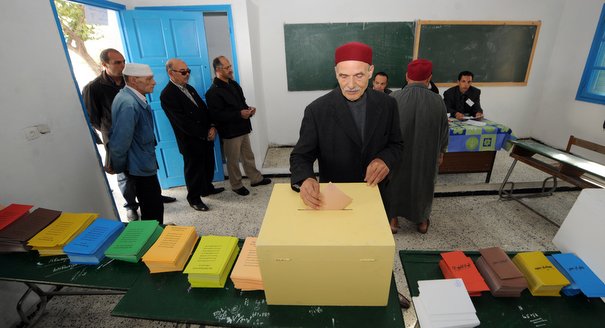
Source: Getty
Tunisian President Benali has been in power for 22 years and he continues to justify stalling political reforms by pointing to the "Islamist threat." Today, there is certainly no chance to have an Islamist party in Tunisia but any democratic reconsideration of the regime is impossible as well.
Source: The Huffington Post

Annahda, created in 1989 and led by Rachid Ghannouchi currently in exile in London, found itself shattered in the late 1990s and forced to rethink its oppositional strategy toward the State. Faced with this new "conciliation" framework, but also under the pressure of various international Human Rights organizations, the President Benali pardoned many prisoners and allowed the return of some exiled activists between 1999 and 2008. Now, even a small minority of former Annahda members have supported Benali's presidential candidacy.

Former Resident Scholar, Middle East Center
Boubekeur was an associate scholar at the Carnegie Middle East Center. Her research focuses on Maghreb country politics, Euro–Arab relations, and Islam in Europe.
Recent Work
Amel Boubekeur
Carnegie does not take institutional positions on public policy issues; the views represented herein are those of the author(s) and do not necessarily reflect the views of Carnegie, its staff, or its trustees.
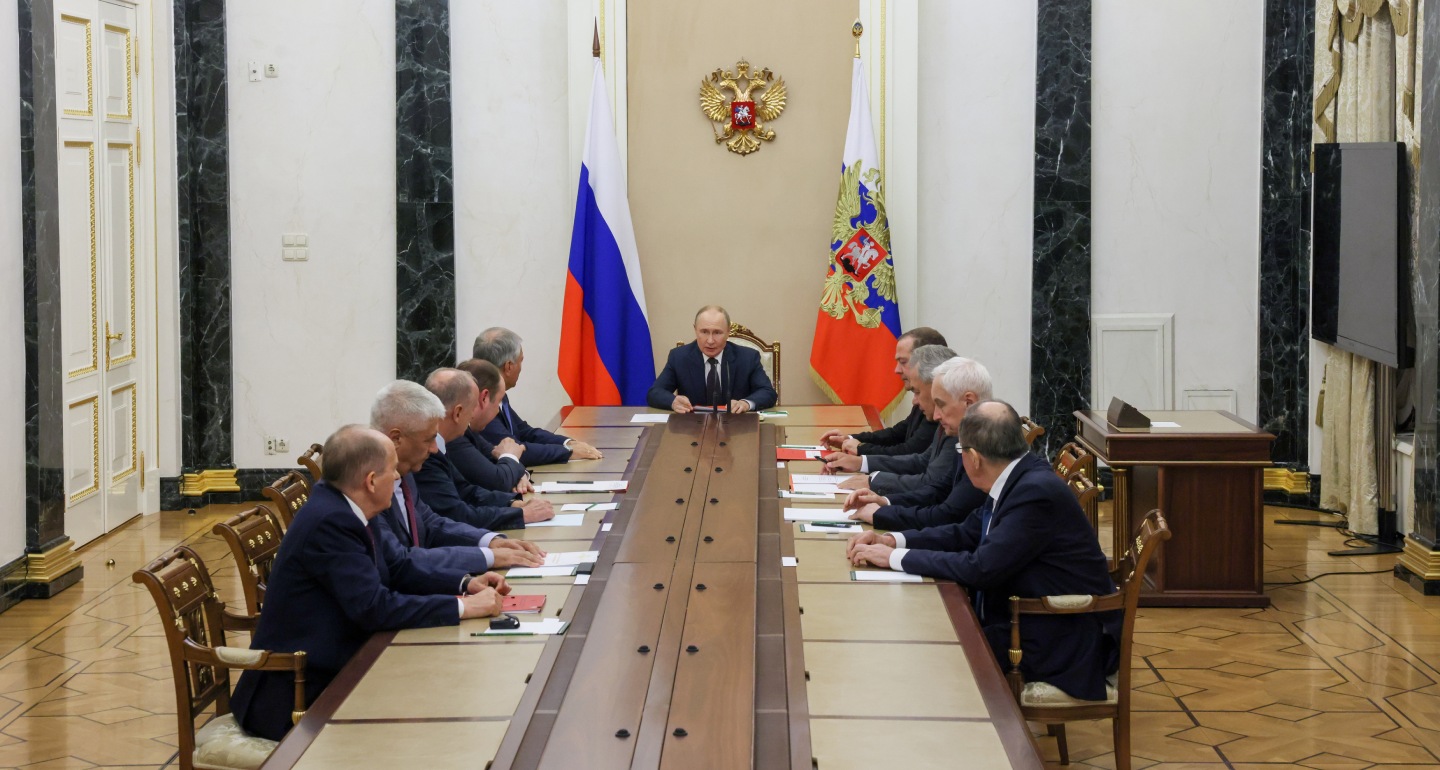
The ruling elites in contemporary Russia are not a political class, but a community of managers who are not subject to competition or public accountability. The state is becoming an operating apparatus without any internal autonomy.

Alexandra Prokopenko
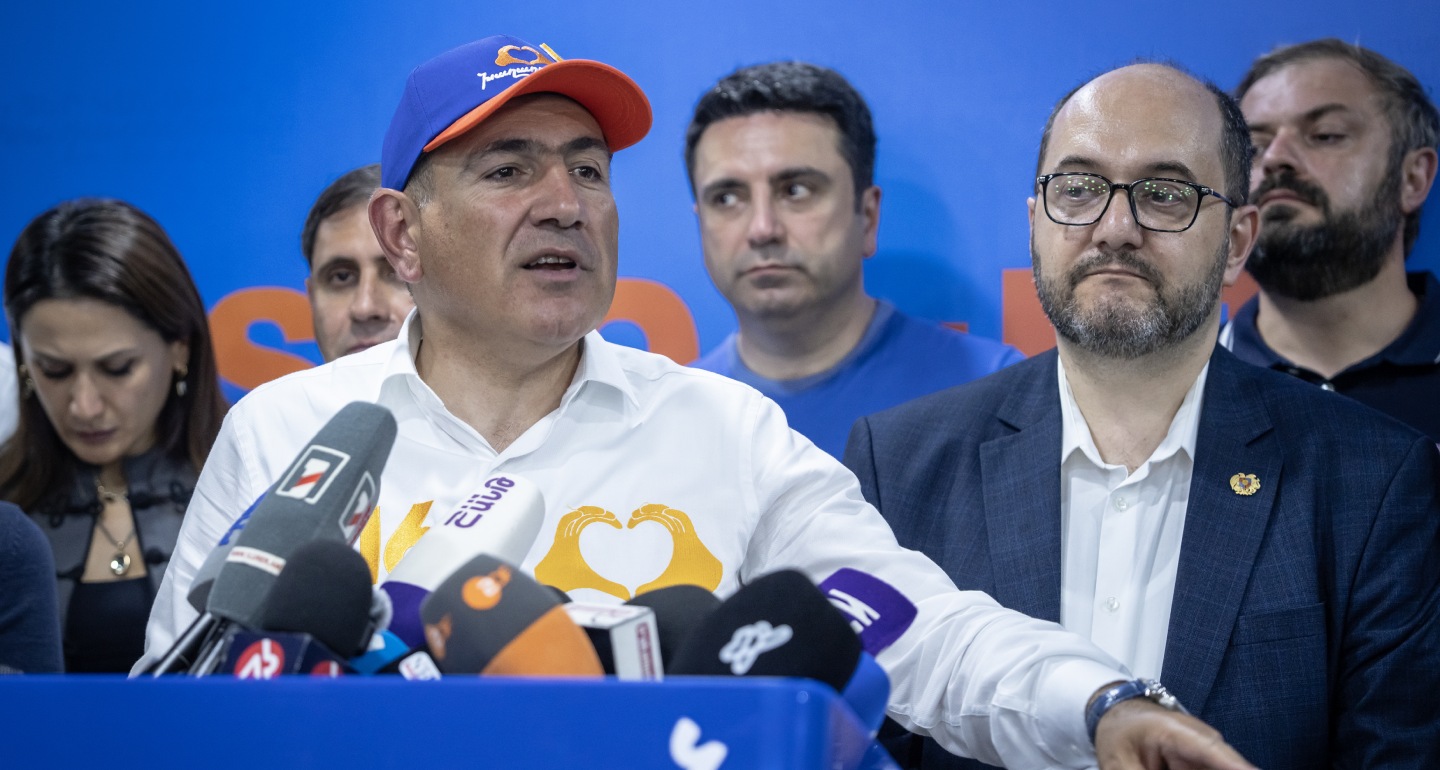
Pashinyan’s pro-European party has been re-elected with a decisive victory. But the pro-Russian opposition could still slow Armenia’s progress toward peace with Azerbaijan and rapprochement with Europe.
Mikayel Zolyan
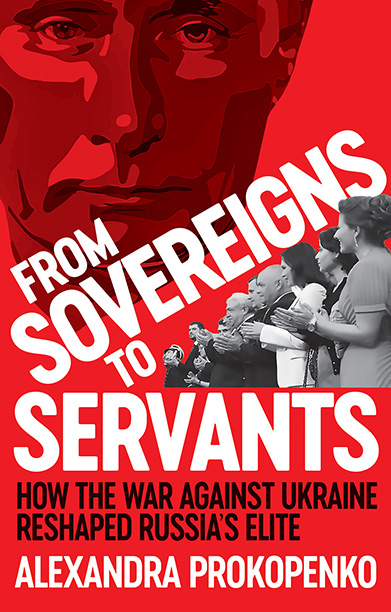
How did Putin co-opt Russia’s political and economic elites, ensuring no more than fitful resistance to the regime’s war on Ukraine?
Alexandra Prokopenko
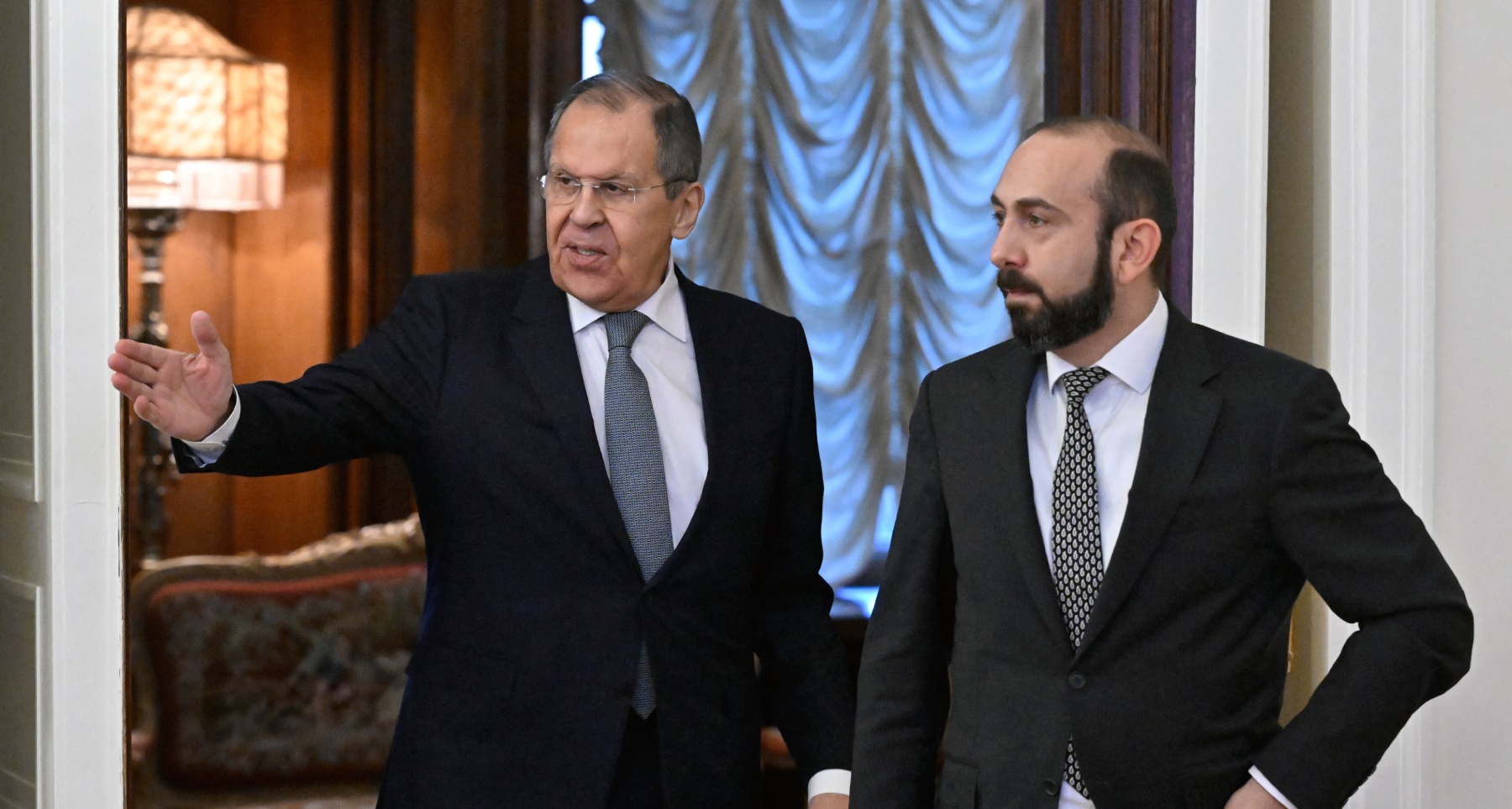
For all the menacing rhetoric, the Armenian prime minister remains a leader with whom Putin is prepared to interact: not as an ally, but as a partner, albeit a problematic one.

Alexander Atasuntsev
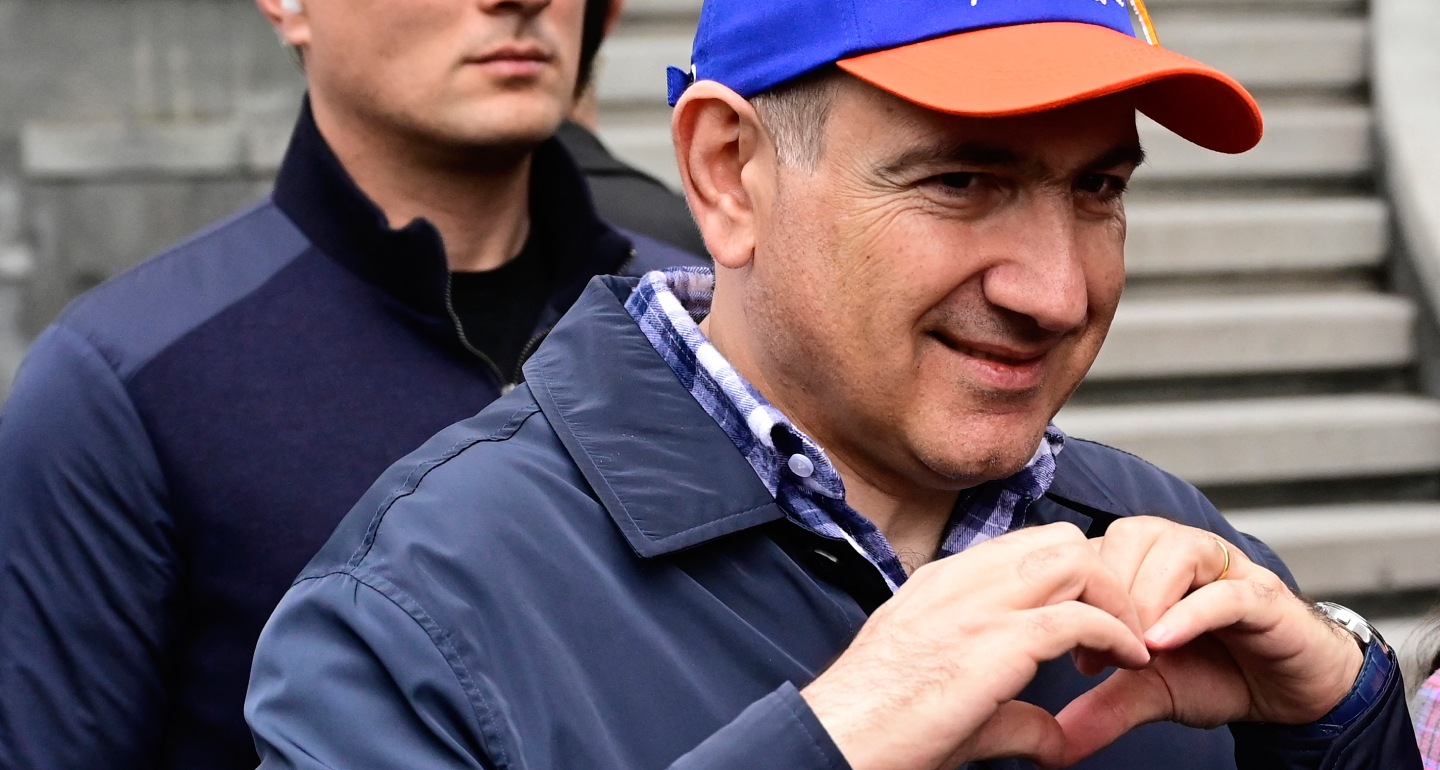
By fueling the arguments of both supporters and opponents of Armenian Prime Minister Nikol Pashinyan, Azerbaijan wants to ensure he is re-elected with a weaker mandate.

Bashir Kitachaev