

Q&A
Suzanne Maloney, Aaron David Miller, Karim Sadjadpour
{
  "authors": [
    "Karim Sadjadpour"
  ],
  "type": "legacyinthemedia",
  "centerAffiliationAll": "dc",
  "centers": [
    "Carnegie Endowment for International Peace",
    "Malcolm H. Kerr Carnegie Middle East Center"
  ],
  "collections": [],
  "englishNewsletterAll": "menaTransitions",
  "nonEnglishNewsletterAll": "",
  "primaryCenter": "Carnegie Endowment for International Peace",
  "programAffiliation": "MEP",
  "programs": [
    "Middle East"
  ],
  "projects": [],
  "regions": [
    "Middle East",
    "Iran",
    "Gulf"
  ],
  "topics": [
    "Security",
    "Political Reform",
    "Democracy",
    "Foreign Policy",
    "Nuclear Policy"
  ]
}
Source: Getty
It remains to be seen how the Obama administration’s efforts at engagement with Iran will affect the domestic situation, as tensions grow between the opposition leadership’s calls for reform and the movement’s younger members, who are looking for a more fundamental change.
Source: On Point

The regime has dug in its heels as the opposition has become more vehement and daring. Karim Sadjadpour suggests that “the political elites of the regime have no where to go outside of Iran and therefore will not give up power without a fight.” Ayatollah Khamenei learned from the Shah’s mistake of apologizing for past grievances, which opened the door for the Islamic revolution to overthrow the Shah in 1979. Accordingly, “Khamenei has created a zero-sum game”, notes Sadjadpour, where his regime will fight to the bitter end.
The approach of the Obama administration with regards to engagement has unsettled the regime and created dissension among the political elites over how to respond to Obama’s overtures. The administration’s efforts at engagement have demonstrated that “the problems lie in Tehran, not in Washington,” according to Sadjadpour.

Senior Fellow, Middle East Program
Karim Sadjadpour is a senior fellow at the Carnegie Endowment for International Peace, where he focuses on Iran and U.S. foreign policy toward the Middle East.
Recent Work

Suzanne Maloney, Aaron David Miller, Karim Sadjadpour

Aaron David Miller, Karim Sadjadpour, Robin Wright
Carnegie does not take institutional positions on public policy issues; the views represented herein are those of the author(s) and do not necessarily reflect the views of Carnegie, its staff, or its trustees.

The greater threat to Zelensky comes not from Fedorov alone, but from the convergence between the former defense minister’s political campaign and the anti-corruption investigations moving ever closer to the presidential administration.

Balázs Jarábik
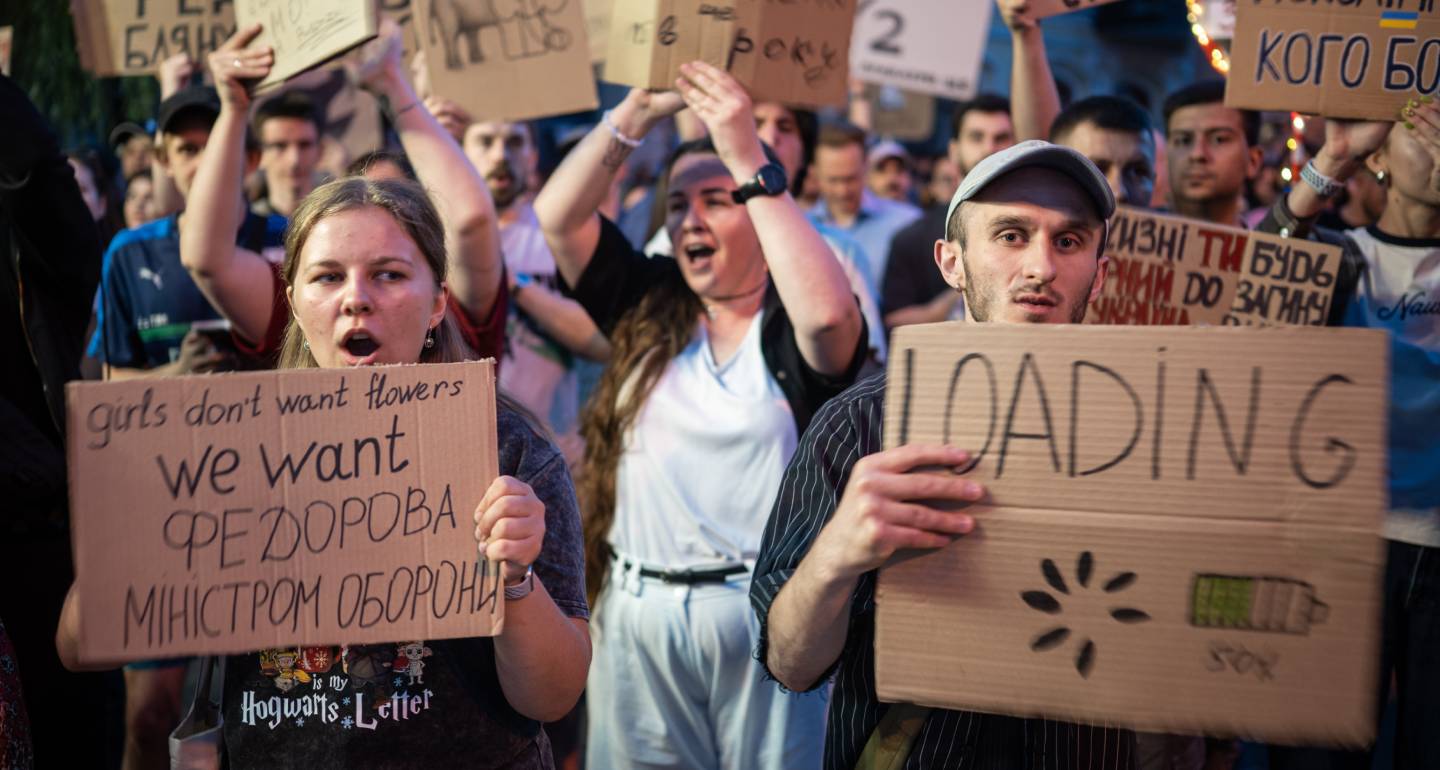
With his public call for new elections in Ukraine, ex-defense minister Mykhailo Fedorov has opened Pandora’s box.

Konstantin Skorkin
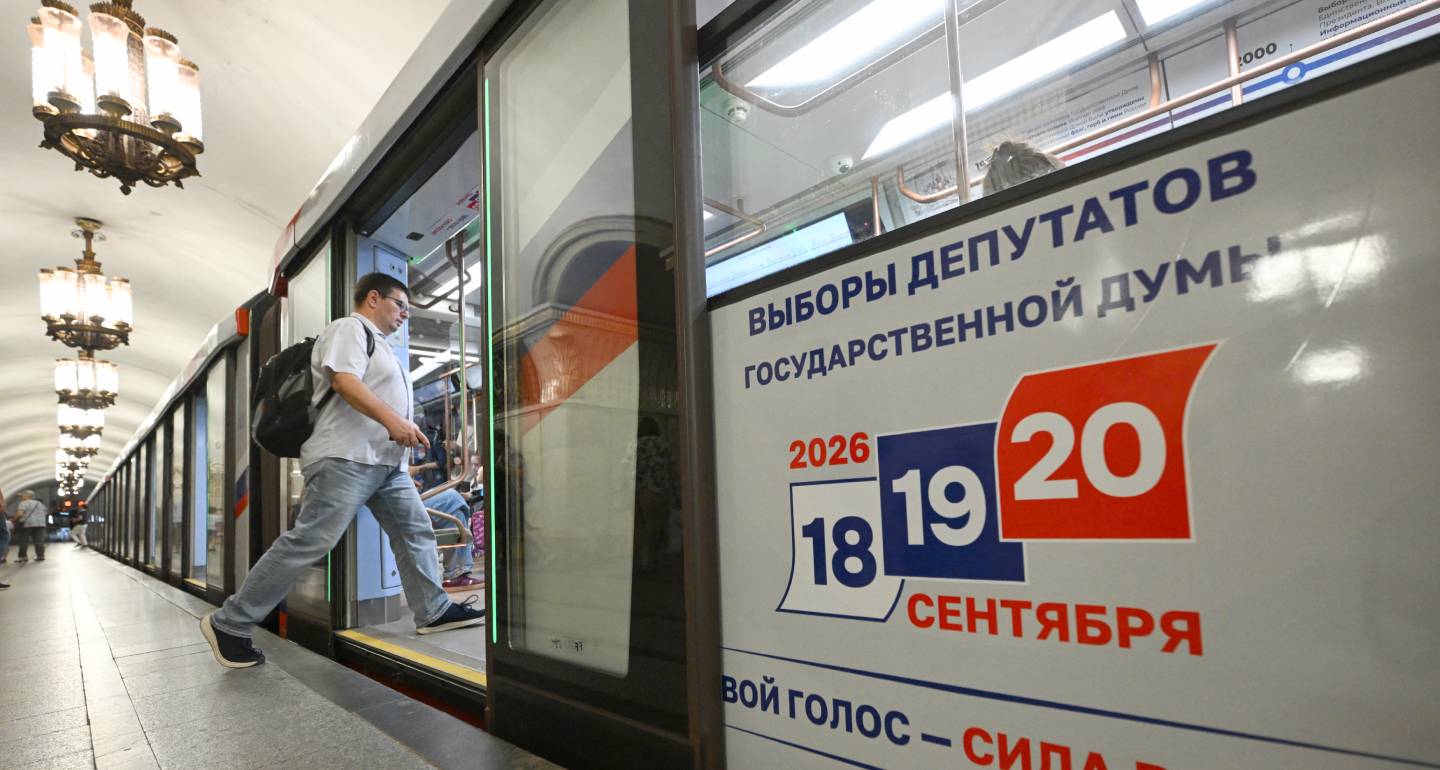
In the discussions made possible by the State Duma election campaign, one question is being asked more and more loudly. “What next?”

Andrey Pertsev

When faced with fuel shortages in the past, Central Asian governments could always count on additional supplies from Moscow. That safety net no longer exists.

Galiya Ibragimova

Two divergent trends—Putin’s hardline vision of how to prosecute the war in Ukraine, and a growing desire for change in Russia—could tear the regime apart.

Tatiana Stanovaya