

Q&A
Christopher Boucek
{
  "authors": [
    "Christopher Boucek"
  ],
  "type": "legacyinthemedia",
  "centerAffiliationAll": "dc",
  "centers": [
    "Carnegie Endowment for International Peace"
  ],
  "collections": [],
  "englishNewsletterAll": "menaTransitions",
  "nonEnglishNewsletterAll": "",
  "primaryCenter": "Carnegie Endowment for International Peace",
  "programAffiliation": "MEP",
  "programs": [
    "Middle East"
  ],
  "projects": [],
  "regions": [
    "Middle East",
    "Yemen"
  ],
  "topics": [
    "Security",
    "Foreign Policy"
  ]
}
Source: Getty
While the rise of al-Qaeda in the Arabian Peninsula has focused international attention on Yemen, the country’s economic and demographic challenges pose a greater threat to its stability than al-Qaeda does.
Source: Al-Jazeera
After the January 2009 merger of the Yemeni and Saudi al-Qaeda affiliates of al-Qaeda into a single group called al-Qaeda in the Arabian Penisula (AQAP), the terrorist threat from Yemen has grown exponentially. There have been numerous attacks planned by AQAP, most notably the Christmas day bombing attempt on a U.S. aircraft and several operations in Saudi Arabia. While the United States is now investing in efforts to curtail AQAP’s activities, the real challenge is to help Yemen with the manifold economic and demographic problems it faces. According to Christopher Boucek, “It is not al-Qaeda that will doom Yemen. Rather its failing economy, rapidly depleting water and oil reserves, and massive population growth are the main challenges the country faces.”
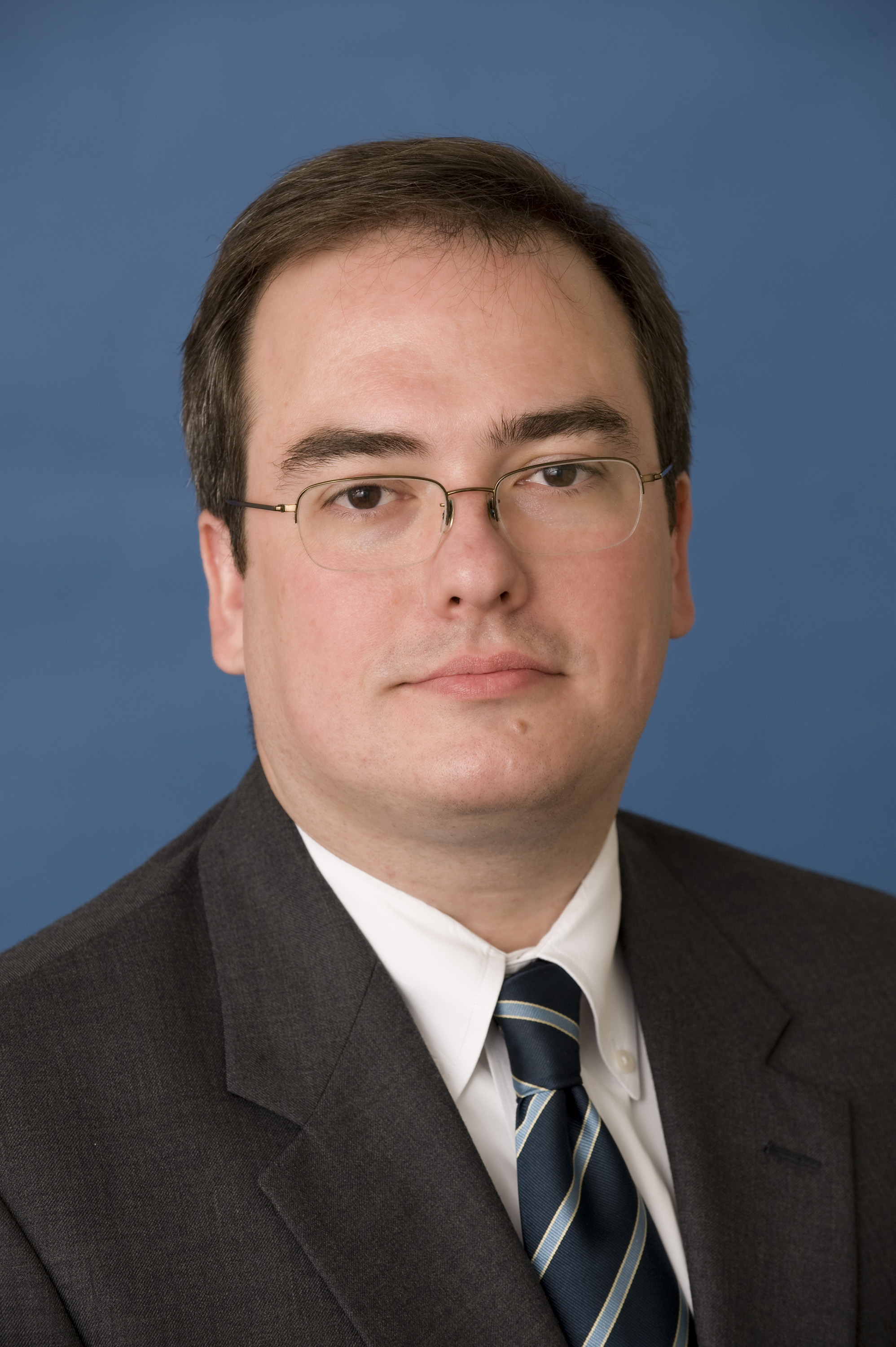
Former Associate, Middle East Program
Boucek was an associate in the Carnegie Middle East Program where his research focused on security challenges in the Arabian Peninsula and Northern Africa.
Recent Work
Christopher Boucek

Christopher Boucek, Karim Sadjadpour
Carnegie does not take institutional positions on public policy issues; the views represented herein are those of the author(s) and do not necessarily reflect the views of Carnegie, its staff, or its trustees.

With the growth in points of friction between the great powers, organizations like the SCO will continue to play a role in the strategic adaptation of the smaller powers caught between them.

Temur Umarov

When faced with fuel shortages in the past, Central Asian governments could always count on additional supplies from Moscow. That safety net no longer exists.

Galiya Ibragimova

Two divergent trends—Putin’s hardline vision of how to prosecute the war in Ukraine, and a growing desire for change in Russia—could tear the regime apart.

Tatiana Stanovaya

Andrey Melnichenko’s essay offers no answer to the fundamental question of how, under any kind of negotiated settlement, Europe can protect itself from the Russian ressentiment that is inevitable in all scenarios except for an outright victory for Putin.

Leonid Bershidsky

Despite unhappiness on the ground, Moscow is determined to use both carrot and stick to ensure there is record support for United Russia in occupied Ukraine.

Konstantin Skorkin