

Article
Pierre Goldschmidt
{
  "authors": [
    "Pierre Goldschmidt"
  ],
  "type": "legacyinthemedia",
  "centerAffiliationAll": "dc",
  "centers": [
    "Carnegie Endowment for International Peace"
  ],
  "collections": [],
  "englishNewsletterAll": "ctw",
  "nonEnglishNewsletterAll": "",
  "primaryCenter": "Carnegie Endowment for International Peace",
  "programAffiliation": "NPP",
  "programs": [
    "Nuclear Policy"
  ],
  "projects": [],
  "regions": [],
  "topics": [
    "Nuclear Energy"
  ]
}
Source: Getty
The weakest link in the nonproliferation regime today is the performance of the international community in responding to cases of non-compliance, and the burden falls largely on the IAEA Board of Governors and the UN Security Council.
Source: Arms Control Today

The main objective of the International Atomic Energy Agency (IAEA), as set out in its statute, is to promote "the contribution of atomic energy to peace, health, and prosperity throughout the world" while ensuring that nuclear material, equipment, facilities, and information are not used for any military purpose. The IAEA carries out the latter part of this mandate by establishing and implementing safeguards.
Former Nonresident Senior Associate, Nuclear Policy Program
Goldschmidt was a nonresident senior associate at the Carnegie Endowment.
Recent Work
Pierre Goldschmidt
Pierre Goldschmidt
Carnegie does not take institutional positions on public policy issues; the views represented herein are those of the author(s) and do not necessarily reflect the views of Carnegie, its staff, or its trustees.
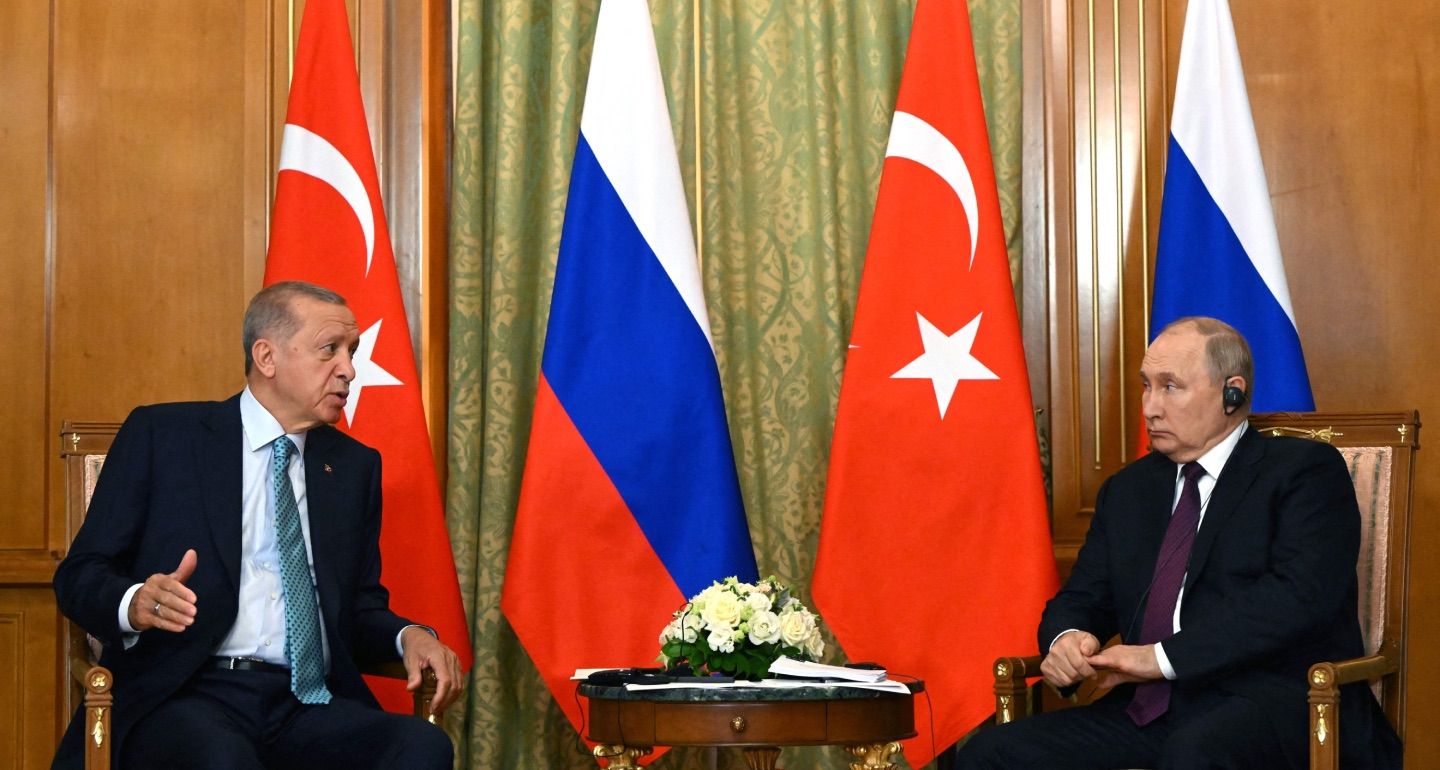
Mutual suspicion between Moscow and Ankara is growing as Türkiye cozies up to Washington and NATO while reducing its dependence on Russian energy.

Ruslan Suleymanov
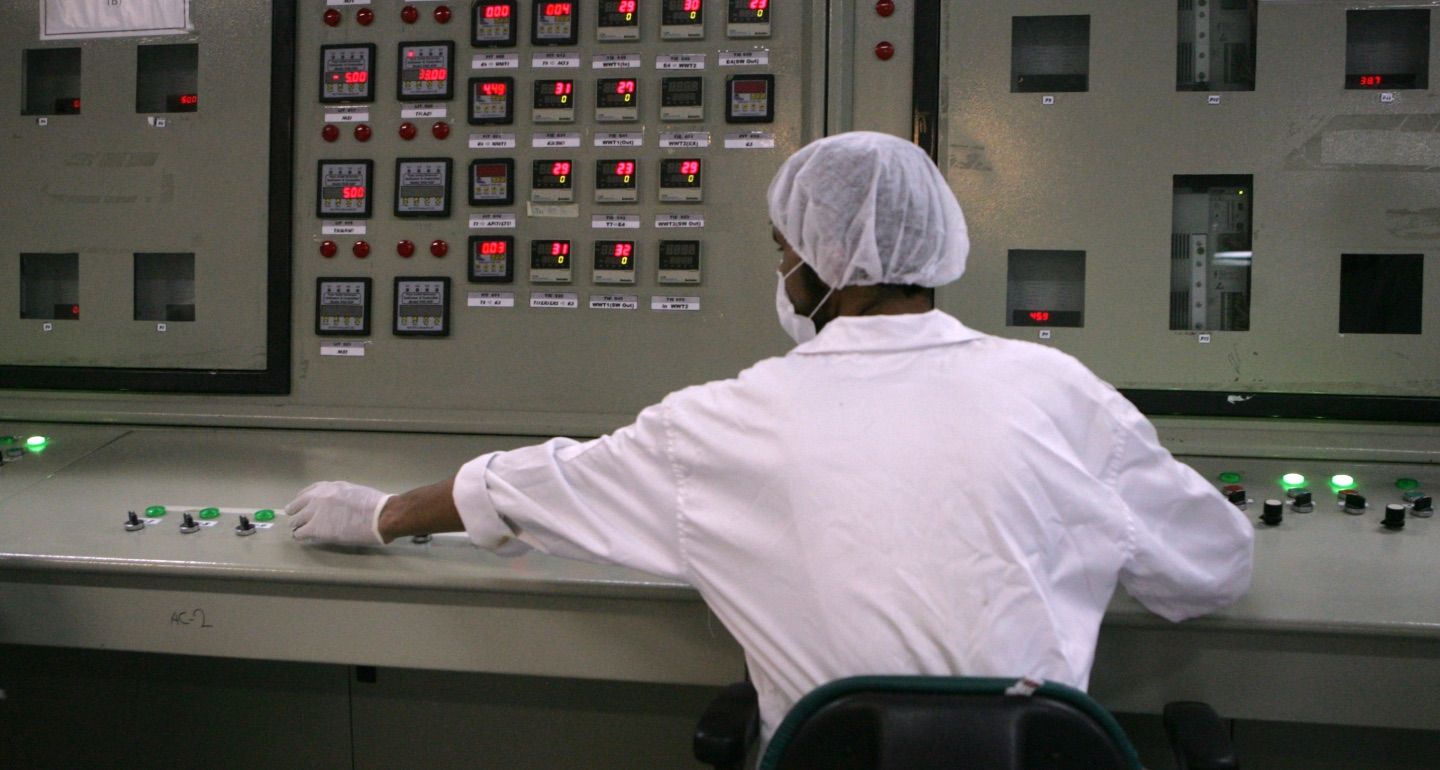
Tehran’s most urgent task is to reduce the risk of further Israeli and U.S. airstrikes. Russia’s role as a deterrent in this respect is more multifaceted than simply supplying weapons, whose real impact will only become apparent many years from now.

Nikita Smagin
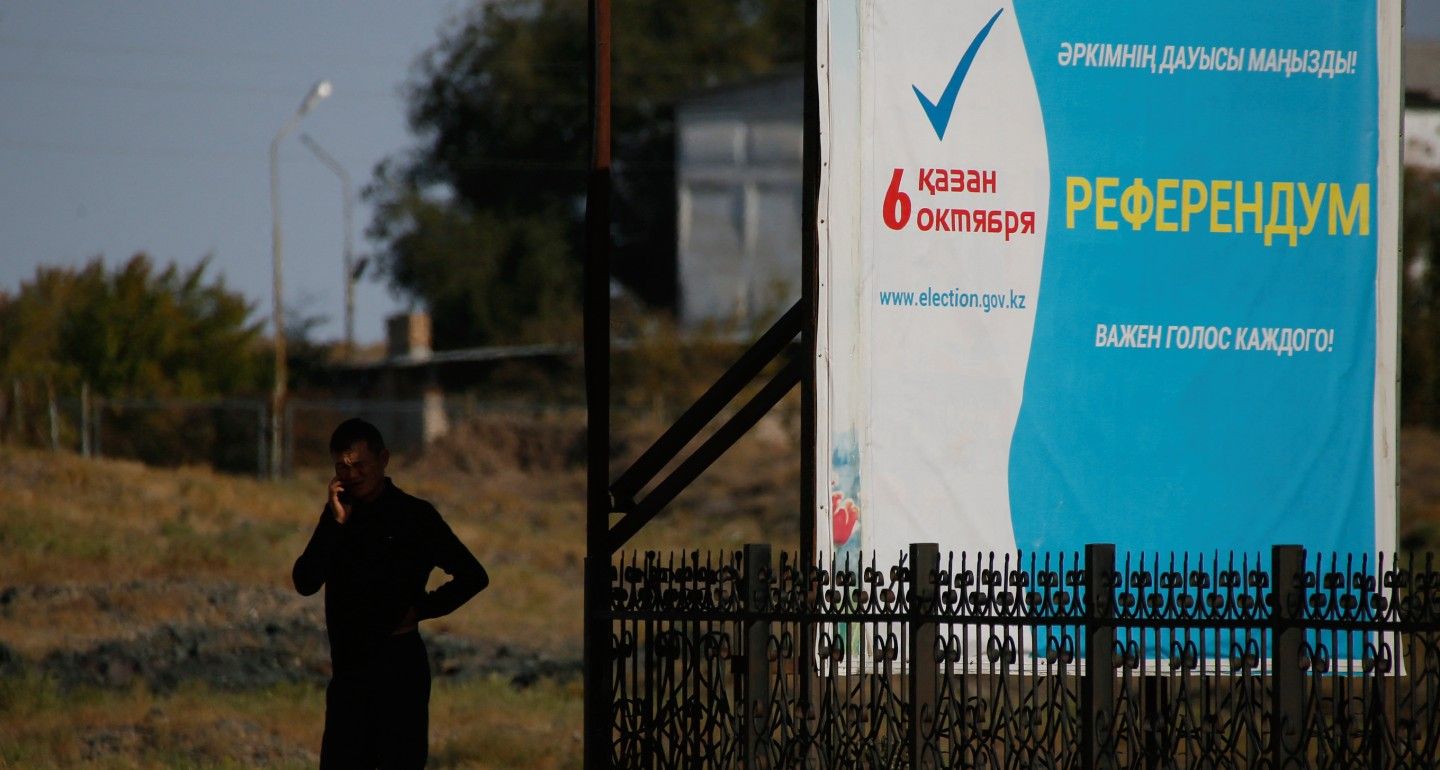
Officials in Astana need to focus on meaningful localization if they want Kazakhstan to build a successful civil nuclear industry.

Jennet Charyyeva, Yanliang Pan
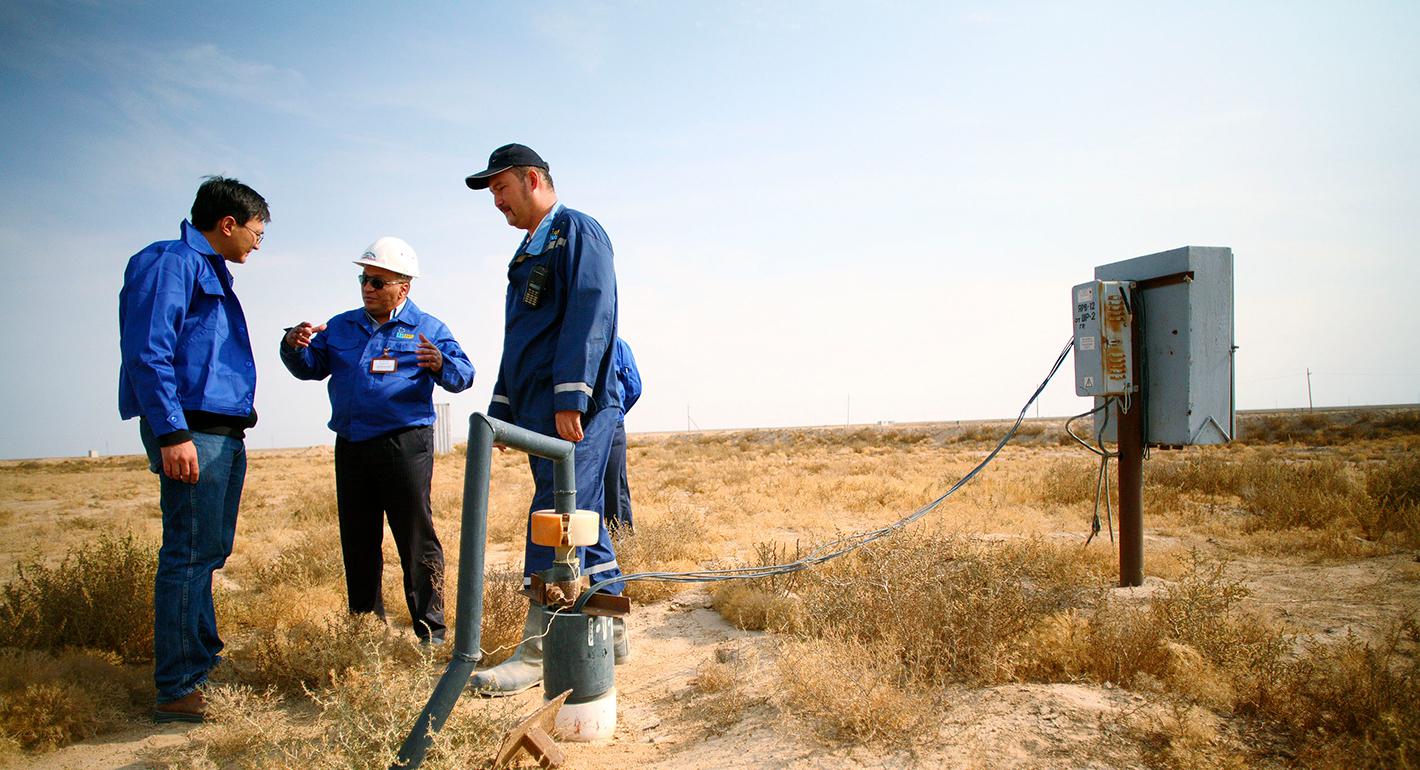
Kazakhstan has leveraged its natural uranium resources to hold the reins in its nuclear fuel–related dealings with China.
Yanliang Pan

If explained in details and promoted by the Russian and Bangladeshi authorities, solutions about water supply, spent nuclear fuel, and security could end some concerns and fears about the Rooppur NPP and help create a friendly environment around this project.
Petr Topychkanov