

In The Media
Michele Dunne, Robert Kagan
{
  "authors": [
    "Robert Kagan"
  ],
  "type": "testimony",
  "centerAffiliationAll": "",
  "centers": [
    "Carnegie Endowment for International Peace"
  ],
  "collections": [],
  "englishNewsletterAll": "",
  "nonEnglishNewsletterAll": "",
  "primaryCenter": "Carnegie Endowment for International Peace",
  "programAffiliation": "",
  "programs": [],
  "projects": [],
  "regions": [
    "Middle East",
    "Israel",
    "Palestine"
  ],
  "topics": [
    "Security",
    "Foreign Policy"
  ]
}
Source: Getty
The Obama administration has focused much of its diplomatic energy towards engaging with the Iranian regime. This effort has limited its level of engagement with both the Iranian opposition and U.S. European partners.
Source: AIPAC Policy Conference
The first year of the Obama administration’s foreign policy was largely characterized by an effort to engage with Iran and other adversarial states. This diplomatic strategy, “in the administration's view,” was aimed at “repairing relations with people who have been adversaries, competitors, challengers of the United States,” notes Robert Kagan. Yet an unintended outcome of this strategy has been lost opportunities for “reassuring allies.” Furthermore, the Obama administration missed an opportunity to further destabilize the Iranian regime following the June 12 presidential elections in Iran. Kagan asserts that “the administration had an opportunity then to: A, put itself clearly on the side of people demanding freedom in Iran; B, to take steps that would, in fact, increase the insecurity of the regime, which might, then, have played back in to the nuclear negotiations.”
Former Senior Associate
Kagan, author of the recent book, The Return of History and the End of Dreams (Knopf 2008), writes a monthly column on world affairs for the Washington Post and is a contributing editor at both the Weekly Standard and the New Republic.
Recent Work

Michele Dunne, Robert Kagan
Robert Kagan, Michele Dunne
Carnegie does not take institutional positions on public policy issues; the views represented herein are those of the author(s) and do not necessarily reflect the views of Carnegie, its staff, or its trustees.
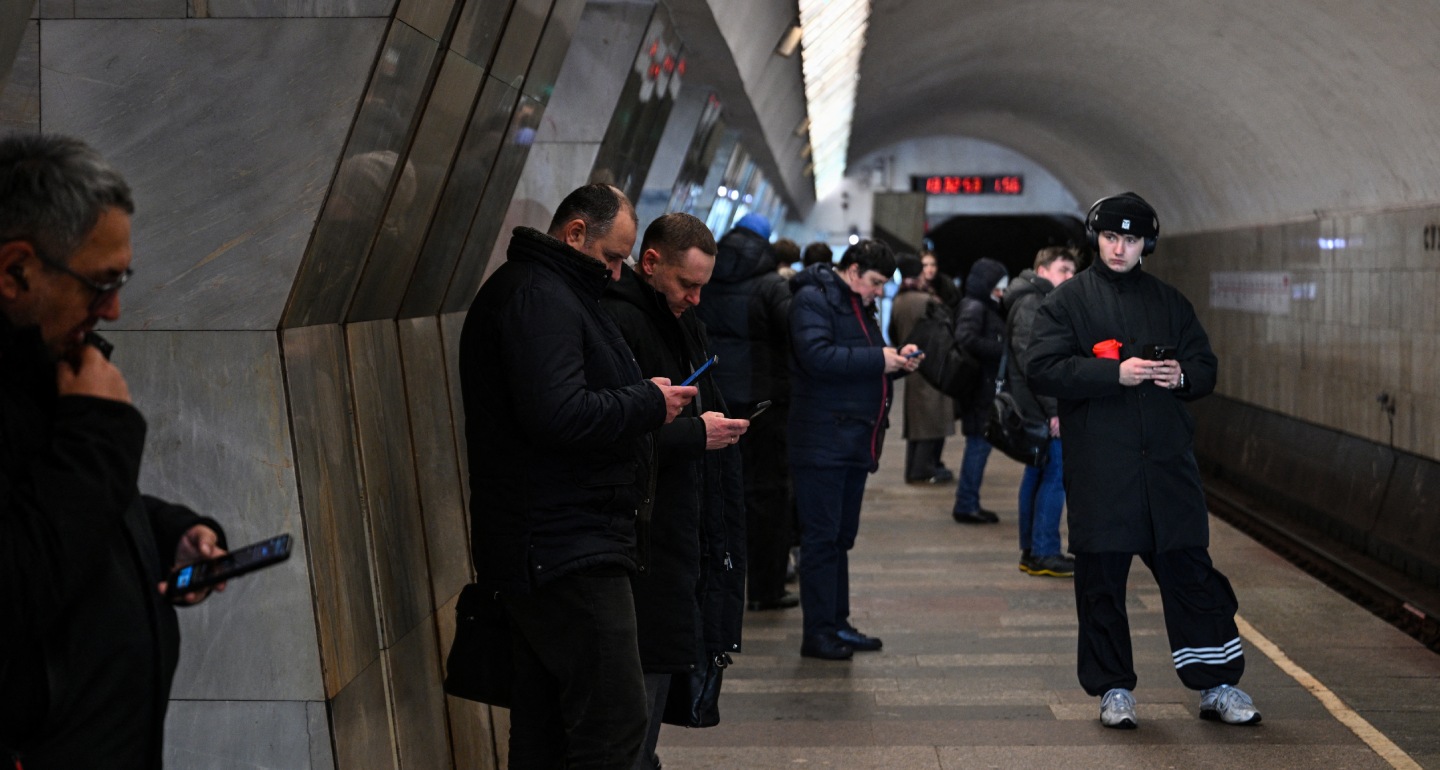
After four years of war, there is no one who can stand up to the security establishment, and President Vladimir Putin is increasingly passive.

Tatiana Stanovaya
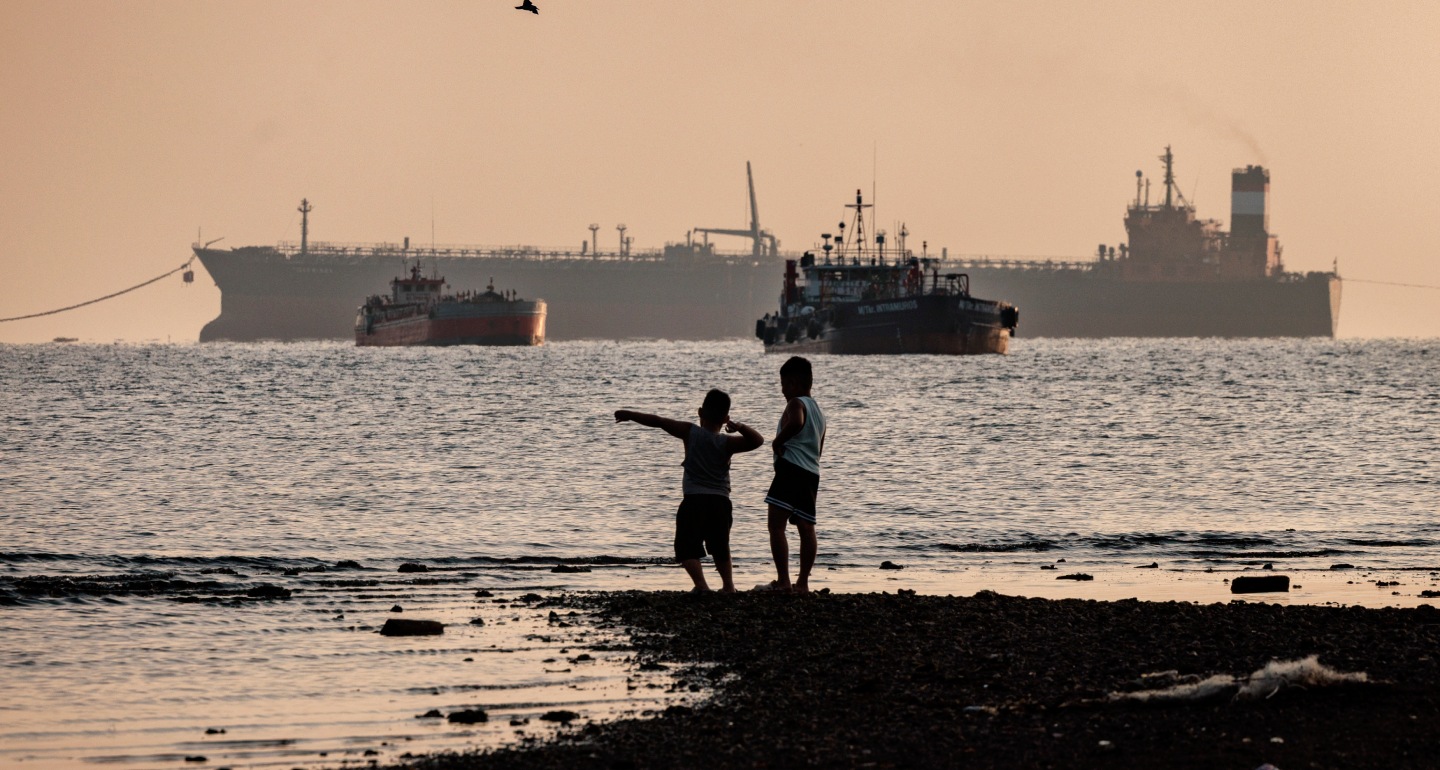
Although Ukrainian strikes have led to a noticeable decline in the physical volume of Russian oil exports, the rise in prices has more than made up for it.

Sergey Vakulenko
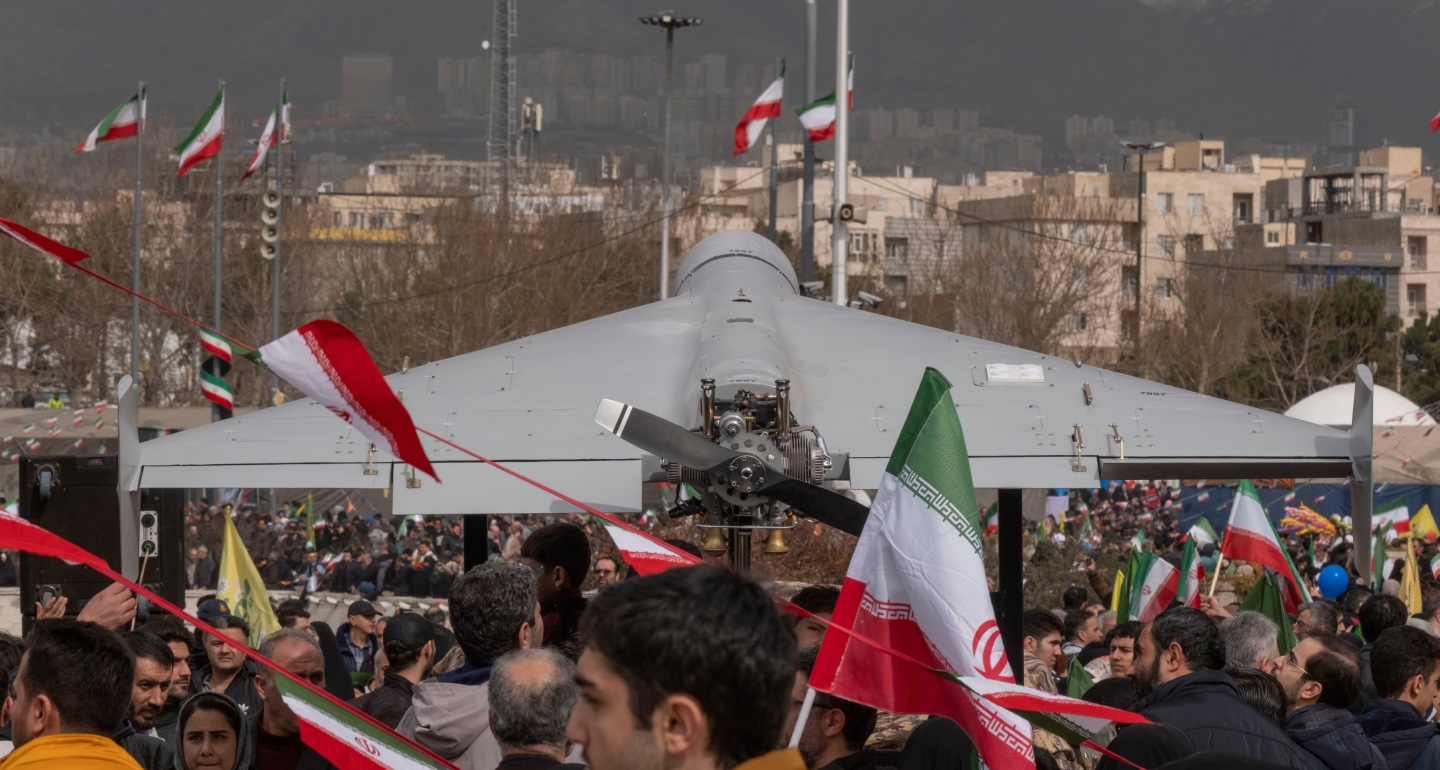
The Russian leadership wants to avoid a dangerous precedent in which it is squeezed out of Iran by the United States and Israel—and left powerless to respond in any meaningful way.

Nikita Smagin
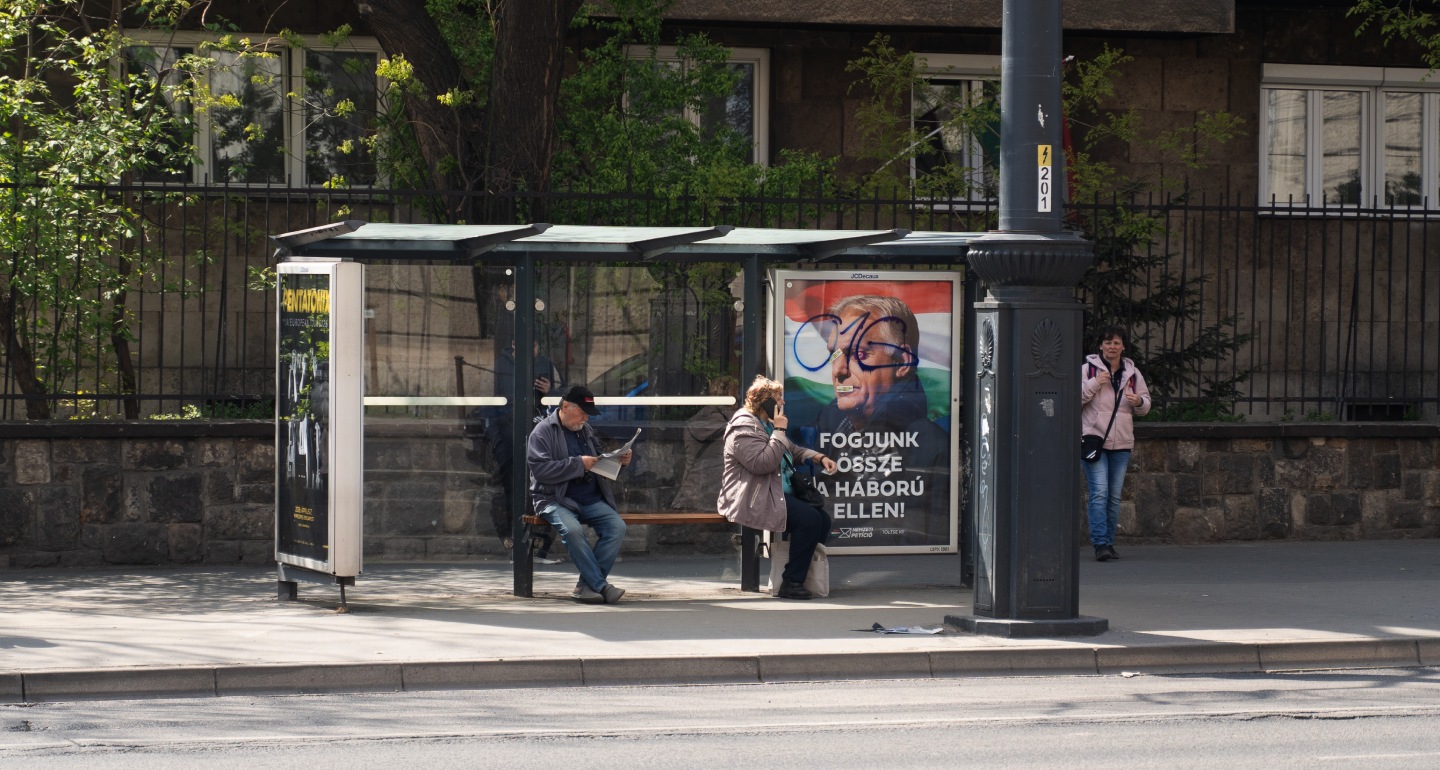
Orbán created an image for himself as virtually the only opponent of aid to Ukraine in the entire EU. But in reality, he was simply willing to use his veto to absorb all the backlash, allowing other opponents to remain in the shadows.
Maksim Samorukov
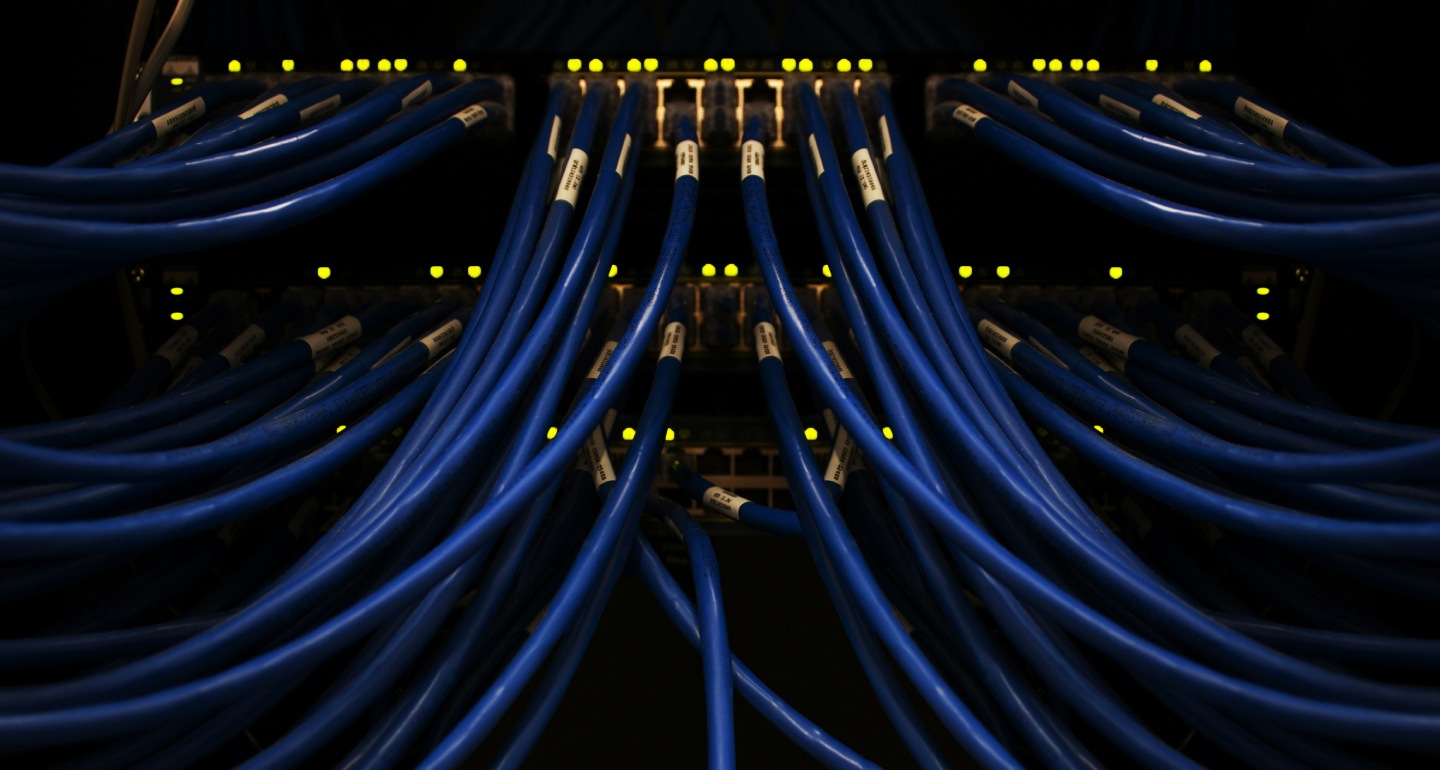
Central Asia’s digital ambitions are achievable, but only if policy is aligned with the region’s physical constraints.

Aruzhan Meirkhanova