

Paper
Paul Salem
{
  "authors": [
    "Paul Salem"
  ],
  "type": "legacyinthemedia",
  "centerAffiliationAll": "",
  "centers": [
    "Carnegie Endowment for International Peace",
    "Malcolm H. Kerr Carnegie Middle East Center"
  ],
  "collections": [],
  "englishNewsletterAll": "",
  "nonEnglishNewsletterAll": "",
  "primaryCenter": "Malcolm H. Kerr Carnegie Middle East Center",
  "programAffiliation": "",
  "programs": [],
  "projects": [],
  "regions": [
    "Gulf"
  ],
  "topics": [
    "Political Reform",
    "Security",
    "Economy"
  ]
}
Source: Getty
In an increasingly interconnected world, the collapse of one society has immediate economic, political and security repercussions on societies around it. Preventing such collapses requires a global development strategy that reflects the key challenges of the new century, including resource scarcity.
Source: L'Espresso

Yemen is not alone in its predicament. Somalia collapsed years ago. Haiti was in a state of near collapse even before the recent earthquake. Around the world, Rwanda, Zimbabwe, Western Sudan, Nepal, Indonesia and others all face daunting environmental pressures. Climate change and global warming will only make these problems more acute and widespread.
It is indicative that Yemen did not grab the attention of leaders around the world, until a young Nigerian, trained in Yemen, tried to blow himself up over a major US city last Christmas. While a trickle of aid was flowing into Yemen before then, the big aid was going to Pakistan, Afghanistan, Iraq, Israel, Egypt, and other important players in the political and security arena.
Until pressures are translated into direct security threats, the international community seems unable to act effectively. Since the attempted bombing, aid pledges to Yemen have increased dramatically.
The aid philosophy of the international community is based on the logic of the post world war II era. It assumes optimistically that if you provide the means and tools for a society to organize itself and exploit its resources, it will be on the path to sustainable development. As resources are increasingly strained, this approach means that many societies are inadvertently developing themselves into the ground. And in an increasingly interconnected world, the collapse of one society has immediate economic, political and security repercussions on societies around it.
The World Bank and other large aid donors are increasingly aware of this predicament, but the urgency of large-scale resource-sensitive aid intervention has yet to register as a serious priority among political decision makers.
The crisis of Yemen also illustrates how the West alone cannot tackle these challenges. As the world becomes more decentralized and multi-polar, the responsibility of action is spread more widely. Among Yemen’s immediate neighbours, Saudi Arabia and the Gulf emirates have enormous financial reserves. The city-emirate of Abu Dhabi alone, with a native population of 300,000, has financial reserves close to three quarters of a trillion dollars. It has recently moved tens of billions of dollars to save the Las Vegas playground of Dubai, but scarcely a few million to save Yemen. The Chinese giant has moved to exploit oil resources in Yemen, Sudan, and other parts of Africa, but has not matched it with policies or aid packages that would effectively help these countries avert collapse.
As the G-8 was replaced with the G-20 to rethink and tackle the globe’s financial woes, what is needed is a rethink of global development strategy and institutions to reflect the key developmental challenges of the new century and to bring in the emerging regional and global players to positions of developmental responsibility.
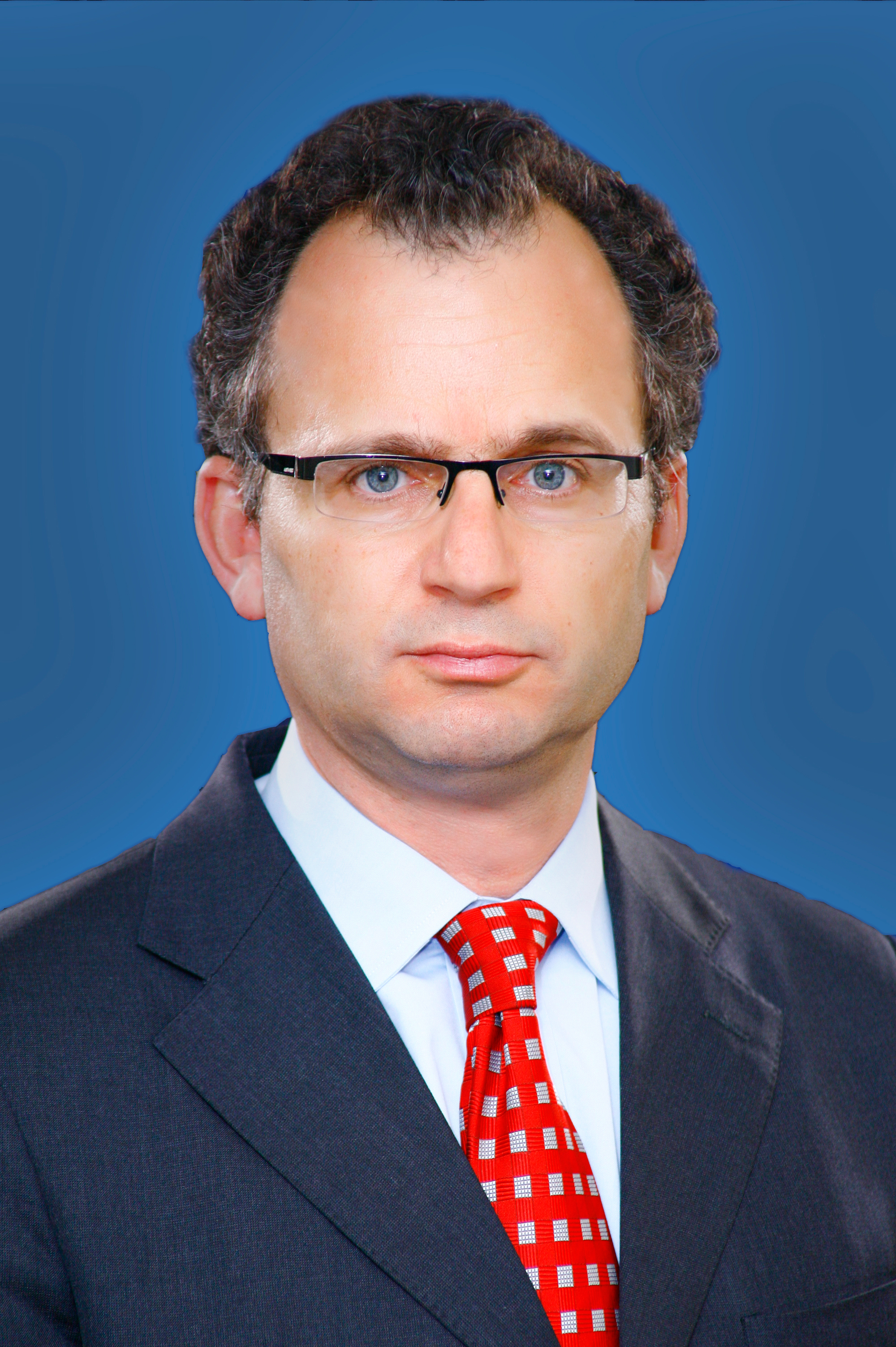
Senior Fellow at the Middle East Institute
Paul Salem is a senior fellow at the Middle East Institute.
Recent Work
Paul Salem
Paul Salem
Carnegie does not take institutional positions on public policy issues; the views represented herein are those of the author(s) and do not necessarily reflect the views of Carnegie, its staff, or its trustees.

Japan’s long-term security policy is driven by concerns about China, and there is little appetite for (or interest in) pursuing a confrontation with Moscow.

James D.J. Brown

The truth of the strategic situation is that Europe and Russia are extremely unlikely to be able to “turn the page” on their confrontation within the next two decades.

Arkady Moshes

Putin’s conservative staffing policies and search for ever greater control have cemented parliament’s transformation into a bureaucratic appendage of the executive branch.

Andrey Pertsev

Russia’s AI-driven propaganda campaigns operate in a fragmented, chaotic, and often illogical manner. That’s not necessarily a problem for the Kremlin, though: It’s much easier to mimic genuine public debate that way.

Ilya Klishin

Russian strikes are weakening the economy sustaining Ukraine’s war effort. Closing the growing funding gap will require more European support and politically contentious reforms in Kyiv.

Balázs Jarábik