

Article
Henri J. Barkey
{
  "authors": [
    "Henri J. Barkey"
  ],
  "type": "legacyinthemedia",
  "centerAffiliationAll": "dc",
  "centers": [
    "Carnegie Endowment for International Peace",
    "Carnegie Europe"
  ],
  "collections": [
    "Turkey’s Transformation"
  ],
  "englishNewsletterAll": "menaTransitions",
  "nonEnglishNewsletterAll": "",
  "primaryCenter": "Carnegie Endowment for International Peace",
  "programAffiliation": "MEP",
  "programs": [
    "Middle East"
  ],
  "projects": [],
  "regions": [
    "Middle East",
    "Türkiye",
    "Europe"
  ],
  "topics": [
    "Political Reform"
  ]
}
Source: Getty
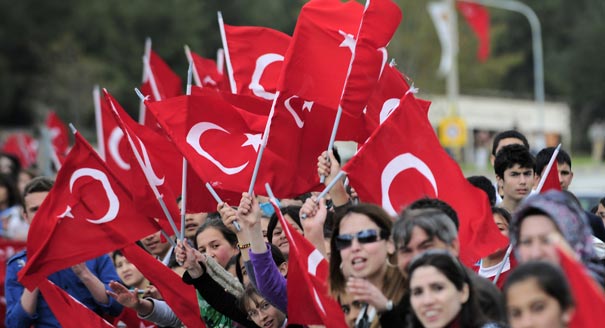
Turkey's constitution, imposed by the military in 1982, must be redrafted if the country is to move towards a more responsive political system and avoid repeating the cycle of paralysis followed by heavy-handed military and judicial intervention.
Source: National Interest

Although the two service chiefs and the deputy chief of staff were released, the sight of so many high-ranking officers being hauled in front of judges is unprecedented. It is too early to tell whether these arrests will solidify the attitudes of hard-line officers who are itching to topple the government, or whether the era of coups and other forms of unconstitutional attempts at overthrowing the system is over. All signs do point to the latter; and, in any case, there is still a significant threshold to cross—the expected change in military command in August.
What is clear, however, is that unless Turkey manages to devise a new constitution to replace the one imposed by the military in 1982, it will face increasing instability and likely become prone to erratic foreign-policy behavior.

Former Visiting Scholar, Middle East Program
Barkey served as a member of the U.S. State Department Policy Planning Staff, working primarily on issues related to the Middle East, the Eastern Mediterranean, and intelligence from 1998 to 2000.
Recent Work
Henri J. Barkey
Henri J. Barkey
Carnegie does not take institutional positions on public policy issues; the views represented herein are those of the author(s) and do not necessarily reflect the views of Carnegie, its staff, or its trustees.

In the tenth year of his presidency, President Mirziyoyev’s system is becoming even more personalized than that of his predecessor Karimov.

Galiya Ibragimova
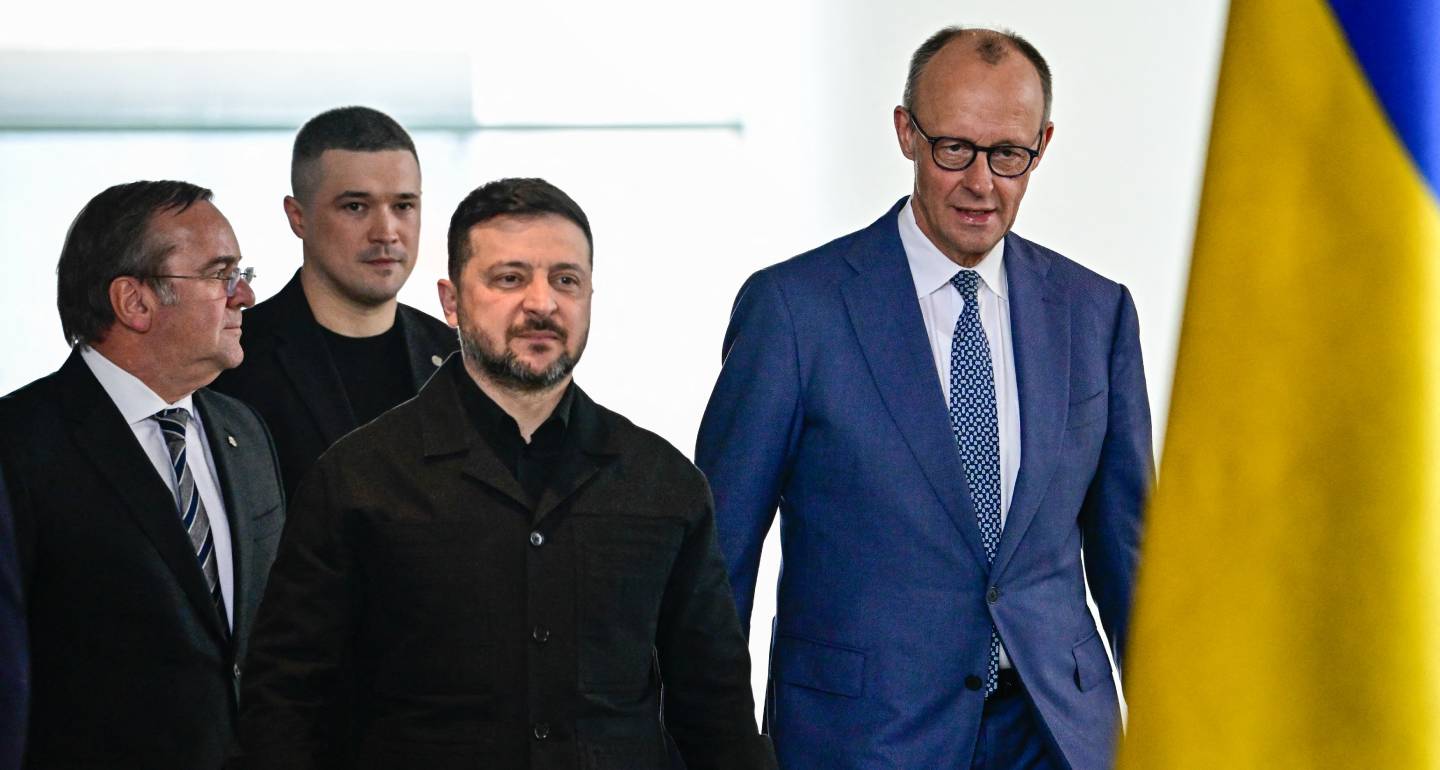
The greater threat to Zelensky comes not from Fedorov alone, but from the convergence between the former defense minister’s political campaign and the anti-corruption investigations moving ever closer to the presidential administration.

Balázs Jarábik
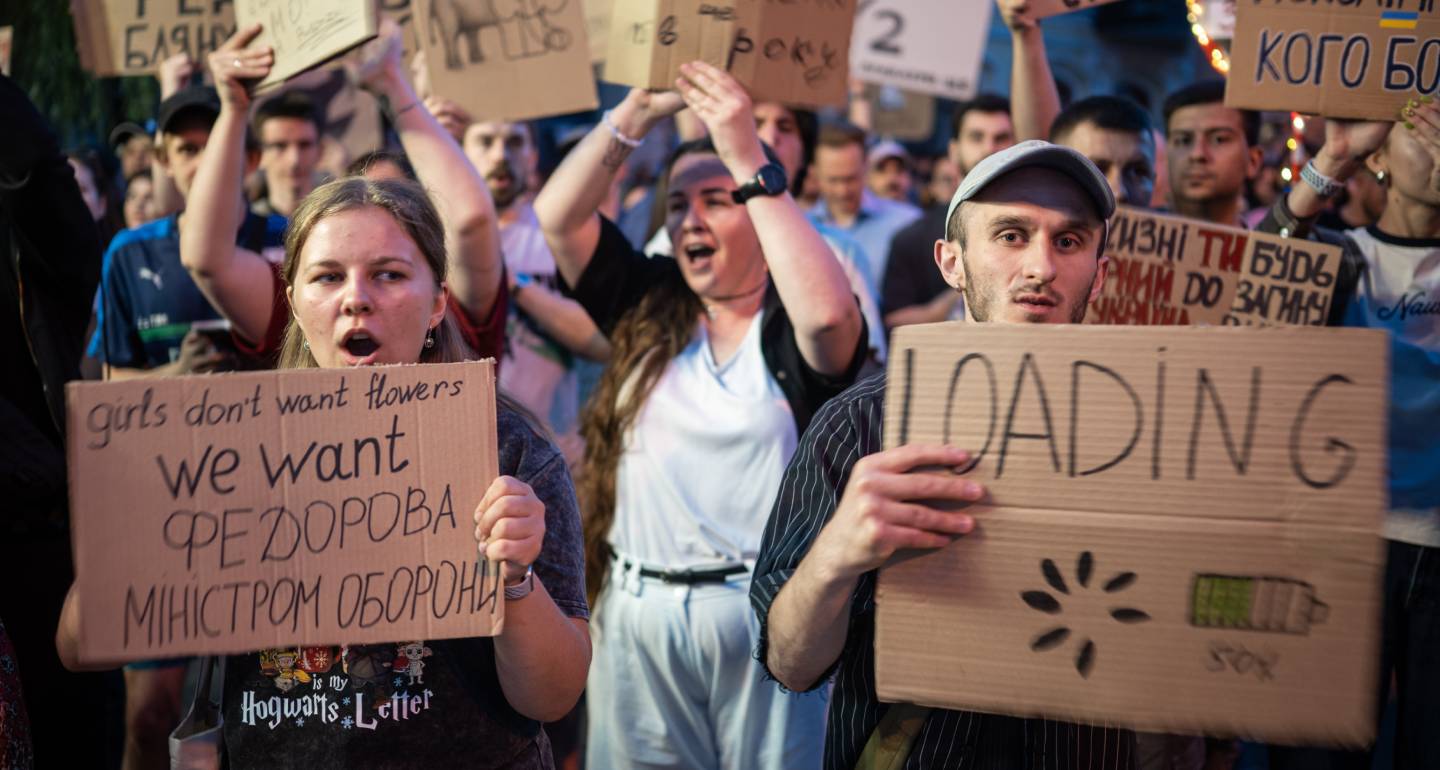
With his public call for new elections in Ukraine, ex-defense minister Mykhailo Fedorov has opened Pandora’s box.

Konstantin Skorkin

In the discussions made possible by the State Duma election campaign, one question is being asked more and more loudly. “What next?”

Andrey Pertsev

Two divergent trends—Putin’s hardline vision of how to prosecute the war in Ukraine, and a growing desire for change in Russia—could tear the regime apart.

Tatiana Stanovaya