• Research
  • Politika
  • About
Carnegie Russia Eurasia center logoCarnegie lettermark logo
  • Donate
{
  "authors": [
    "Sven Behrendt"
  ],
  "type": "legacyinthemedia",
  "centerAffiliationAll": "",
  "centers": [
    "Carnegie Endowment for International Peace",
    "Carnegie Europe",
    "Malcolm H. Kerr Carnegie Middle East Center"
  ],
  "collections": [],
  "englishNewsletterAll": "",
  "nonEnglishNewsletterAll": "",
  "primaryCenter": "Malcolm H. Kerr Carnegie Middle East Center",
  "programAffiliation": "",
  "programs": [],
  "projects": [],
  "regions": [],
  "topics": [
    "Economy"
  ]
}
Source: Getty

In The Media
Malcolm H. Kerr Carnegie Middle East Center

For the G20, the Glass Is Half Full

The G20 still has far to go in terms of reforming the global financial system and calming the lingering economic turmoil, but the experience of sovereign wealth funds provides a useful outline for what is possible.

Link Copied
By Sven Behrendt
Published on Jun 23, 2010

Source: RealClearMarkets

For the G20, the Glass Is Half Full
As world leaders, finance ministers, and central bankers arrive in Toronto for the G20 meeting on June 26-27, it is important for them to avoid complacency and identify the necessary global financial reforms to avert another economic crisis. This group of rich and emerging countries can find lessons to coordinate policies - both good and bad - from an unlikely place: sovereign wealth funds.
 
The verdict is still out if the G20, facing singular national interests, can effectively translate principles into more concrete policies and develop a financial architecture that defends a dynamic global economy. If anything, the financial crisis demonstrated that good governance, accountability, and transparency are not some lofty ideals, but have a monetary value - trillions of dollars. The G20 needs to take the lead in finding a solution.
 
Inspiration about alternative arrangements for meaningful global governance might come from an investor class that in recent years has a made a remarkably noisy entry into global economic affairs. Only two years ago, sovereign wealth funds (SWFs) were hugely exposed to critics - particularly in Europe and the United States - where they were perceived as opaque, politically motivated government agencies that challenged the very foundations of the global capitalist system.
 
Responding to these allegations, an unusual crowd of 26 SWFs from Norway, Abu Dhabi, Kuwait, Singapore, China, Russia, and other industrialized and emerging economies banded together in 2008 and developed a voluntary code of principles. The "Santiago Principles" committed SWFs to uniform governance, accountability, and transparency standards. And with their adoption, the world's leading SWFs have managed to become more transparent and accountable and as such provide the G20 with valuable lessons when designing new mechanisms for global governance.
 
Today, these SWFs marshal considerable financial resources, representing around US$2.3 trillion. This is double the size of the global hedge fund industry and roughly equal to the size of global private equity funds. They have made progress in implementing the principles, even though they were a radical deviation from their traditional approach at times.
 
By submitting to the principles, the SWFs voluntarily ceded their autonomy and made a conscious decision to limit the reach of their so-called sovereignty. The willingness of SWFs to supply higher levels of transparency and predictability has been part of the bargain with recipient countries to maintain open cross-border investment rules and regulations.
 
While there is no enforcement mechanism for SWFs and no institutionalized authority that can sanction non-compliance, the principles have developed an incentive structure for some of the most powerful players in international finance to voluntarily move forward with the good governance and transparency agenda. They provide a best practice benchmark, and an implicit peer review mechanism helps to prevent the more responsibility oriented funds from falling behind industry leaders.
 
But the story is not all positive. A closer look at the implementation process reveals that overall, the compliance level of SWFs to the Santiago Principles is just over 50 percent. A number of funds do not provide adequate financial information, including strategic asset allocation, benchmarks, and financial performance. Some also have difficulty clarifying the relationship between their operational management and political leadership.
 
Still, the glass is half full, rather than half empty.
 
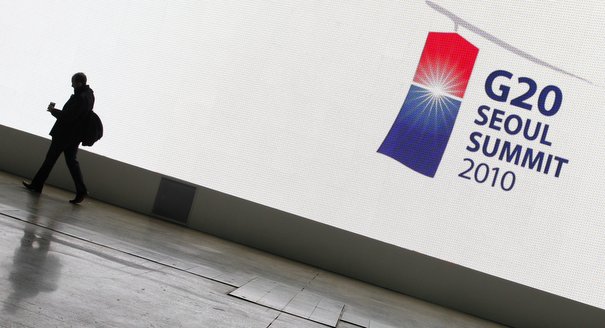
The G20 in Toronto and in Seoul later this year will undoubtedly be concerned by the necessity to respond to the consequences of the sovereign debt crisis. It will examine mechanisms for closer macroeconomic coordination and hopefully introduce reforms for financial regulation and international financial institutions. As the G20 moves from crisis management to crisis prevention, the group needs to have a closer look at the work of sovereign wealth funds as a unique example of global governance.
 
Clearly, the G20 still has far to go in terms of reforming the global financial system and calming the lingering economic turmoil. Thankfully, the experience of sovereign wealth funds provides a useful outline for what's possible.

About the Author

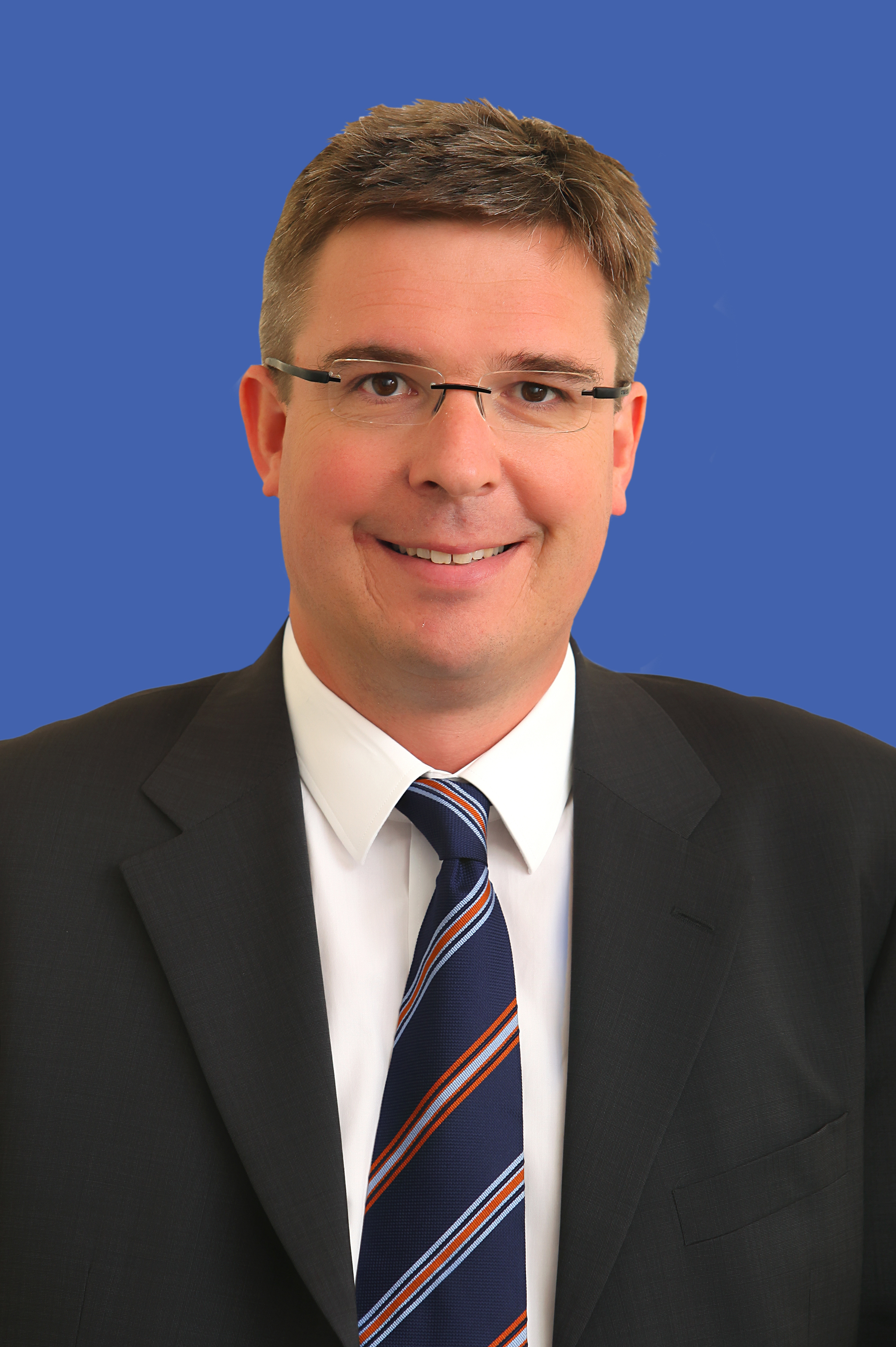
Sven Behrendt

Former Visiting Scholar, Middle East Center

Behrendt is an expert in global issues, international negotiations, conflict resolution, and corporate strategy. He previously served at the World Economic Forum in various management positions.

    Recent Work

  • Paper
    Sovereign Wealth Funds and the Santiago Principles: Where Do They Stand?

      Sven Behrendt

  • Article
    Sovereign Wealth Funds: The Governance Challenge

      Sven Behrendt

Sven Behrendt
Former Visiting Scholar, Middle East Center
Sven Behrendt
Economy

Carnegie does not take institutional positions on public policy issues; the views represented herein are those of the author(s) and do not necessarily reflect the views of Carnegie, its staff, or its trustees.

More Work from Carnegie Russia Eurasia Center

  • Commentary
    Carnegie Politika
    Does Russia Have Enough Soldiers to Keep Waging War Against Ukraine?

    The Russian army is not currently struggling to recruit new contract soldiers, though the number of people willing to go to war for money is dwindling.

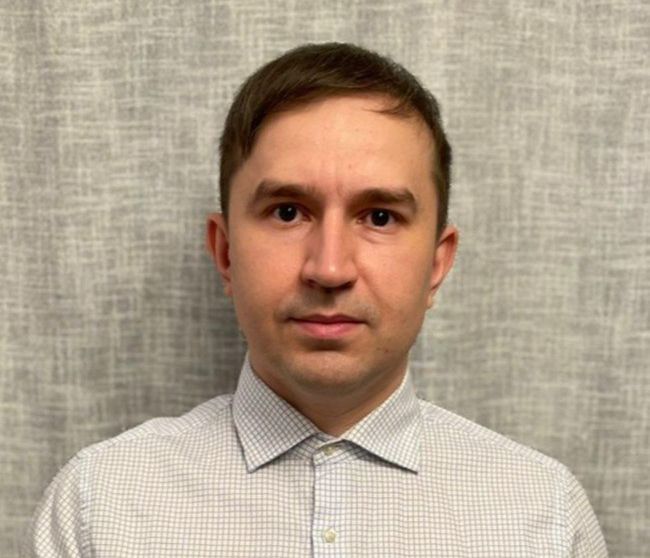
      Dmitry Kuznets

  • Commentary
    Carnegie Politika
    Including Russia on the EU Financial Blacklist Will Hurt Ordinary People, Not the Kremlin

    The paradox of the European Commission’s decision is that the main victims will not be those it formally targets. Major Russian businesses associated with the Putin regime have long adapted to sanctions with the help of complex schemes involving third countries, offshore companies, and nonpublic entities.

      Alexandra Prokopenko

  • Commentary
    Carnegie Politika
    Why Didn’t the Ukraine War Turn Russia’s Ruling Class Against Putin?

    A new book by Alexandra Prokopenko looks at why the Russian ruling class became the regime’s willing servants—and how they might fare in a post-Putin world.

      Vladislav Gorin

  • Commentary
    Carnegie Politika
    Collateral Damage: The Frozen Foreign Assets of Middle-Class Russians

    The volume of frozen private assets might seem insignificant compared with Russia’s sovereign reserves, but these are the savings of millions of people who believed that foreign securities were a safe investment and in the institution of private property.

      Yulia Starostina

  • Commentary
    Carnegie Politika
    The Kremlin Has Weaponized Western Financial Checks to Punish Russian Dissidents

    International compliance and anti-money laundering standards are currently formulated in such a way that the Western financial system does not differentiate between Russian political prisoners and ISIS militants.

      Alexandra Prokopenko

Get more news and analysis from
Carnegie Russia Eurasia Center
Carnegie Russia Eurasia logo, white
  • Research
  • Politika
  • About
  • Experts
  • Events
  • Contact
  • Privacy
  • For Media
Get more news and analysis from
Carnegie Russia Eurasia Center
© 2026 Carnegie Endowment for International Peace. All rights reserved.