• Research
  • Politika
  • About
Carnegie Russia Eurasia center logoCarnegie lettermark logo
  • Donate
{
  "authors": [],
  "type": "pressRelease",
  "centerAffiliationAll": "",
  "centers": [
    "Carnegie Endowment for International Peace"
  ],
  "collections": [],
  "englishNewsletterAll": "",
  "nonEnglishNewsletterAll": "",
  "primaryCenter": "Carnegie Endowment for International Peace",
  "programAffiliation": "",
  "programs": [],
  "projects": [],
  "regions": [
    "East Asia",
    "China",
    "North America"
  ],
  "topics": []
}
REQUIRED IMAGE

REQUIRED IMAGE

Press Release

China’s housing bubble—challenging, but not unfixable

An uncontrolled collapse of the housing market is unlikely if Beijing can effectively cool speculative demand for housing. Still, China should remain wary of the potentially destabilizing social consequences associated with unaffordable housing.

Link Copied
Published on Jul 8, 2010

WASHINGTON, July 8—With an overheating economy and an expanding bubble in residential property, China began tightening its monetary policy in early 2010. Pieter Bottelier writes that an uncontrolled collapse of the housing market is unlikely if Beijing can effectively cool speculative demand for housing. Still, China should remain wary of the potentially destabilizing social consequences associated with unaffordable housing.

Key Conclusions

  • Bubble largely due to loose monetary policy. Concentrated in eastern cities, China’s residential property bubble is mainly the result of excessive credit expansion in 2009. Other factors include significant inflows from abroad, low bank deposit rates, widespread property speculation, corruption, and incentives for local governments to drive up land prices to augment local fiscal revenues.
  • Beijing recognizes the risks and appears determined to control the property bubble. The central bank has carefully begun tightening monetary policy, but greater reliance is placed on administrative measures to reduce property speculation.
  • Bubble unlikely to burst. If Beijing effectively uses the policy tools at its disposal, an uncontrolled meltdown will likely be avoided. But a market correction of 20–30 percent over the next 6–12 months is likely.
  • Housing prices are key social and political issue. Housing affordability for first-time home buyers has become a major social and political issue and could trigger potentially destabilizing public discontent—even if the property bubble can be controlled. Accordingly, the government has started ambitious national “affordable housing” programs.

“Given the scarcity of land and high population density in eastern China, residential property prices will tend to be high relative to incomes, even if there is a market correction in the near-term,” writes Bottelier. “Widespread discontent over housing affordability could become a source of social instability and is for that reason very much on the government’s radar screen.”

###


NOTES

  • Click here to read the paper online
  • Pieter Bottelier is a nonresident scholar in Carnegie’s International Economics Program and senior adjunct professor of China studies at the School of Advanced International Studies (SAIS), the Johns Hopkins University. His work currently focuses on China’s economic reform and development.
  • The Carnegie International Economics Program monitors and analyzes short- and long-term trends in the global economy, including macroeconomic developments, trade, commodities, and capital flows, and draws out policy implications. The current focus of the Program is the global financial crisis and the policy issues raised. Among other research, the Program examines the ramifications of the rising weight of developing countries in the global economy.
  • The International Economic Bulletin draws on the expertise of Carnegie's global centers to provide a candid view of the economic crisis and its political implications. Addressing the momentous challenges of the economic downturn will require objectivity, and the ability to analyze the political dimensions of reforms around the world.
  • Press Contact: Kendra Galante, 202-939-2233, pressoffice@ceip.org
East AsiaChinaNorth America

Carnegie does not take institutional positions on public policy issues; the views represented herein are those of the author(s) and do not necessarily reflect the views of Carnegie, its staff, or its trustees.
More Work from Carnegie Russia Eurasia Center

  • Commentary
    Carnegie Politika
    Why Are China and Russia Not Rushing to Help Iran?

    Most of Moscow’s military resources are tied up in Ukraine, while Beijing’s foreign policy prioritizes economic ties and avoids direct conflict.   

      • Alexander Gabuev

      Alexander Gabuev, Temur Umarov

  • Commentary
    Carnegie Politika
    How Trump’s Wars Are Boosting Russian Oil Exports

    The interventions in Iran and Venezuela are in keeping with Trump’s strategy of containing China, but also strengthen Russia’s position.

      • Mikhail Korostikov

      Mikhail Korostikov

  • Commentary
    Carnegie Politika
    Japan’s “Militarist Turn” and What It Means for Russia

    For a real example of political forces engaged in the militarization of society, the Russian leadership might consider looking closer to home.

      James D.J. Brown
  • Commentary
    Carnegie Politika
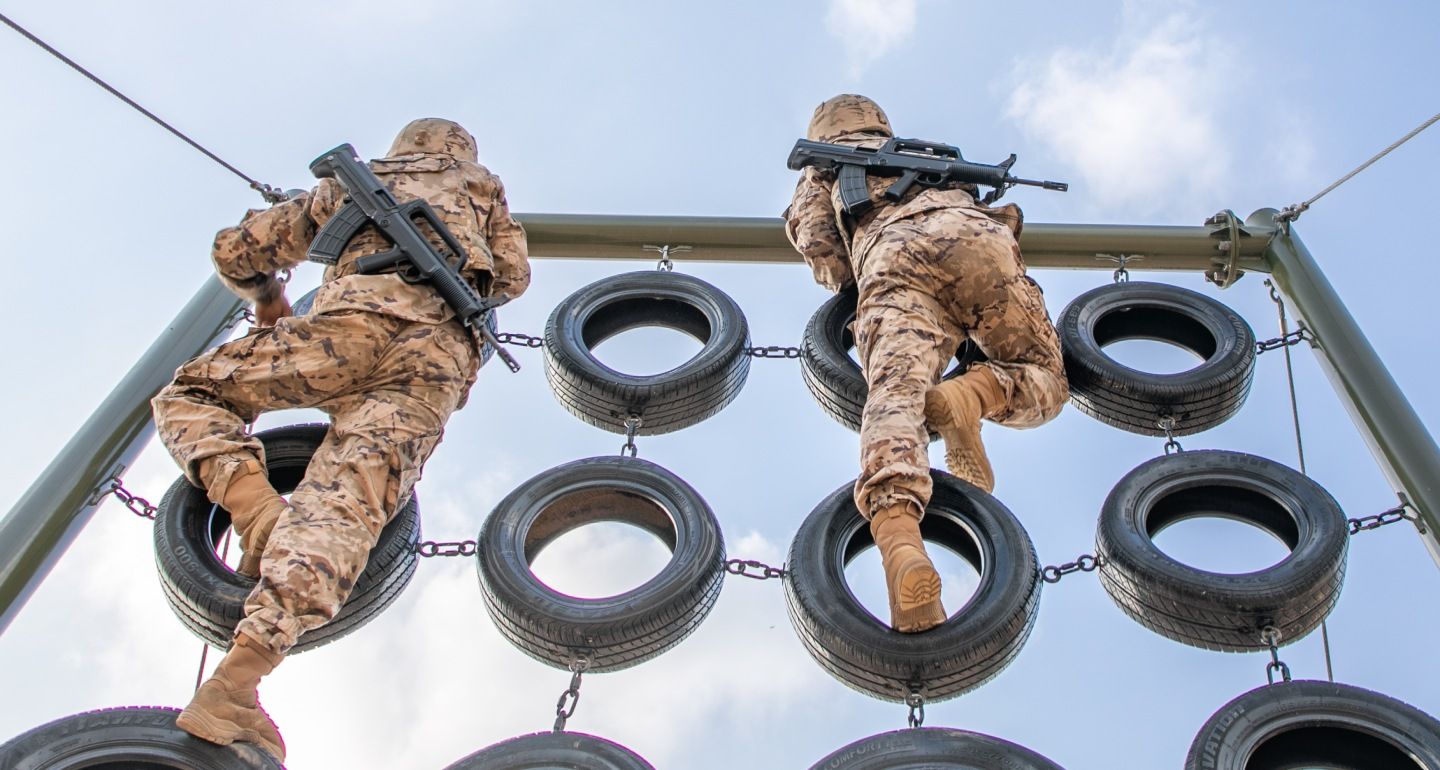
    A New World Police: How Chinese Security Became a Global Export

    China has found a unique niche for itself within the global security ecosystem, eschewing military alliances to instead bolster countries’ internal stability using law enforcement. Authoritarian regimes from the Central African Republic to Uzbekistan are signing up.

      Temur Umarov
  • Commentary
    Carnegie Politika
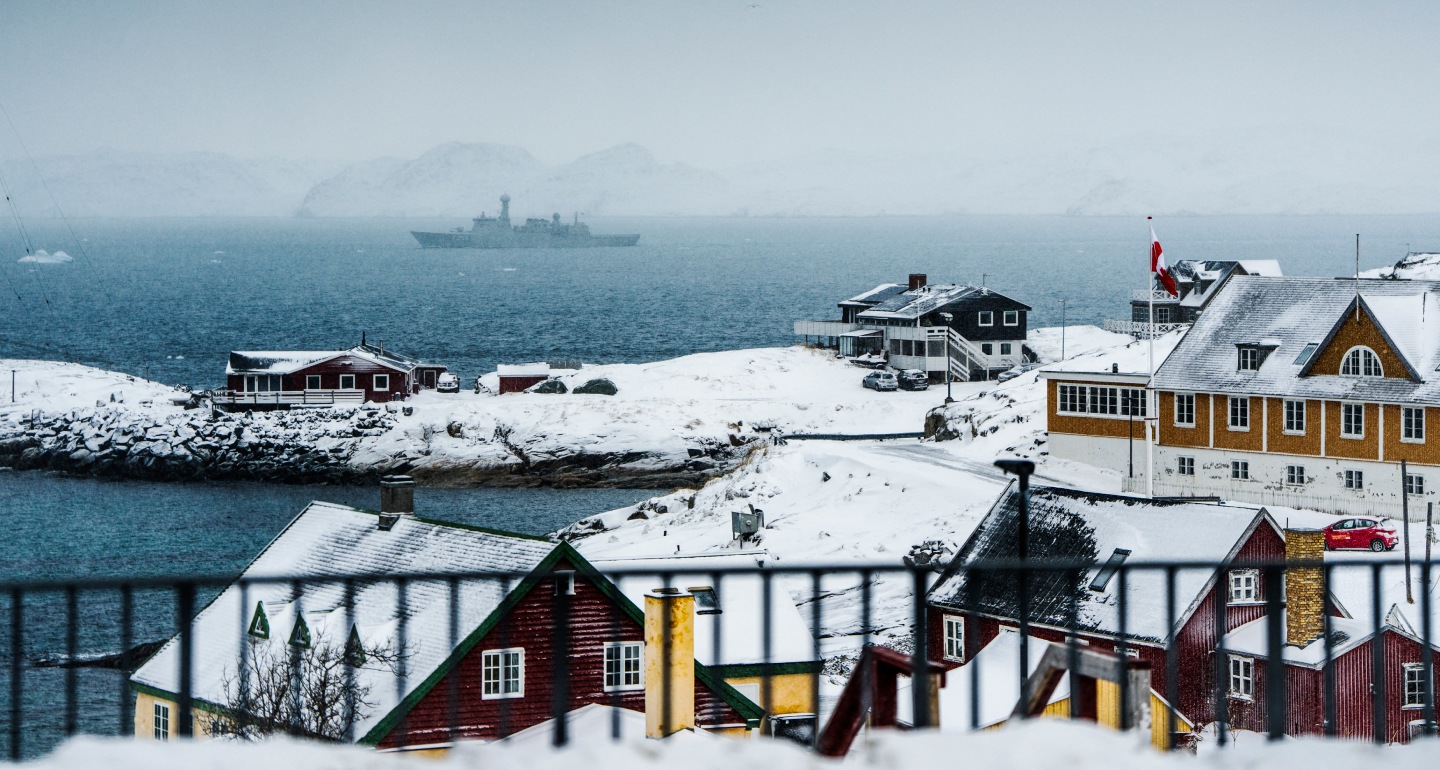
    Is There Really a Threat From China and Russia in Greenland?

    The supposed threats from China and Russia pose far less of a danger to both Greenland and the Arctic than the prospect of an unscrupulous takeover of the island.

      Andrei Dagaev

Get more news and analysis from
Carnegie Russia Eurasia Center
Carnegie Russia Eurasia logo, white
  • Research
  • Politika
  • About
  • Experts
  • Events
  • Contact
  • Privacy
Get more news and analysis from
Carnegie Russia Eurasia Center
© 2026 Carnegie Endowment for International Peace. All rights reserved.