

Paper
James M. Acton, Ankit Panda
{
  "authors": [
    "James M. Acton"
  ],
  "type": "other",
  "centerAffiliationAll": "dc",
  "centers": [
    "Carnegie Endowment for International Peace"
  ],
  "collections": [],
  "englishNewsletterAll": "ctw",
  "nonEnglishNewsletterAll": "",
  "primaryCenter": "Carnegie Endowment for International Peace",
  "programAffiliation": "NPP",
  "programs": [
    "Nuclear Policy"
  ],
  "projects": [],
  "regions": [
    "United Kingdom"
  ],
  "topics": [
    "Nuclear Policy"
  ]
}
Source: Getty
While Britain is contributing productively to disarmament efforts, its fissile material records should be more transparent. A better means of tracking fissile materials is imperative as the world pursues mechanisms to verify nuclear weapons reductions.
Source: IPFM Report

In spite of these difficulties, Acton and his co-authors are able to present the most detailed accounting of UK military fissile materials available in the public domain, including a comprehensive analysis of its naval reactor program. They advocate for more detailed reports on the United Kingdom's fissile materials and argue that as the United Kingdom decommissions its production facilities there will be a valuable opportunity for international verification.

Jessica T. Mathews Chair, Co-director, Nuclear Policy Program
Acton holds the Jessica T. Mathews Chair and is co-director of the Nuclear Policy Program at the Carnegie Endowment for International Peace.
Recent Work

James M. Acton, Ankit Panda
James M. Acton
Carnegie does not take institutional positions on public policy issues; the views represented herein are those of the author(s) and do not necessarily reflect the views of Carnegie, its staff, or its trustees.
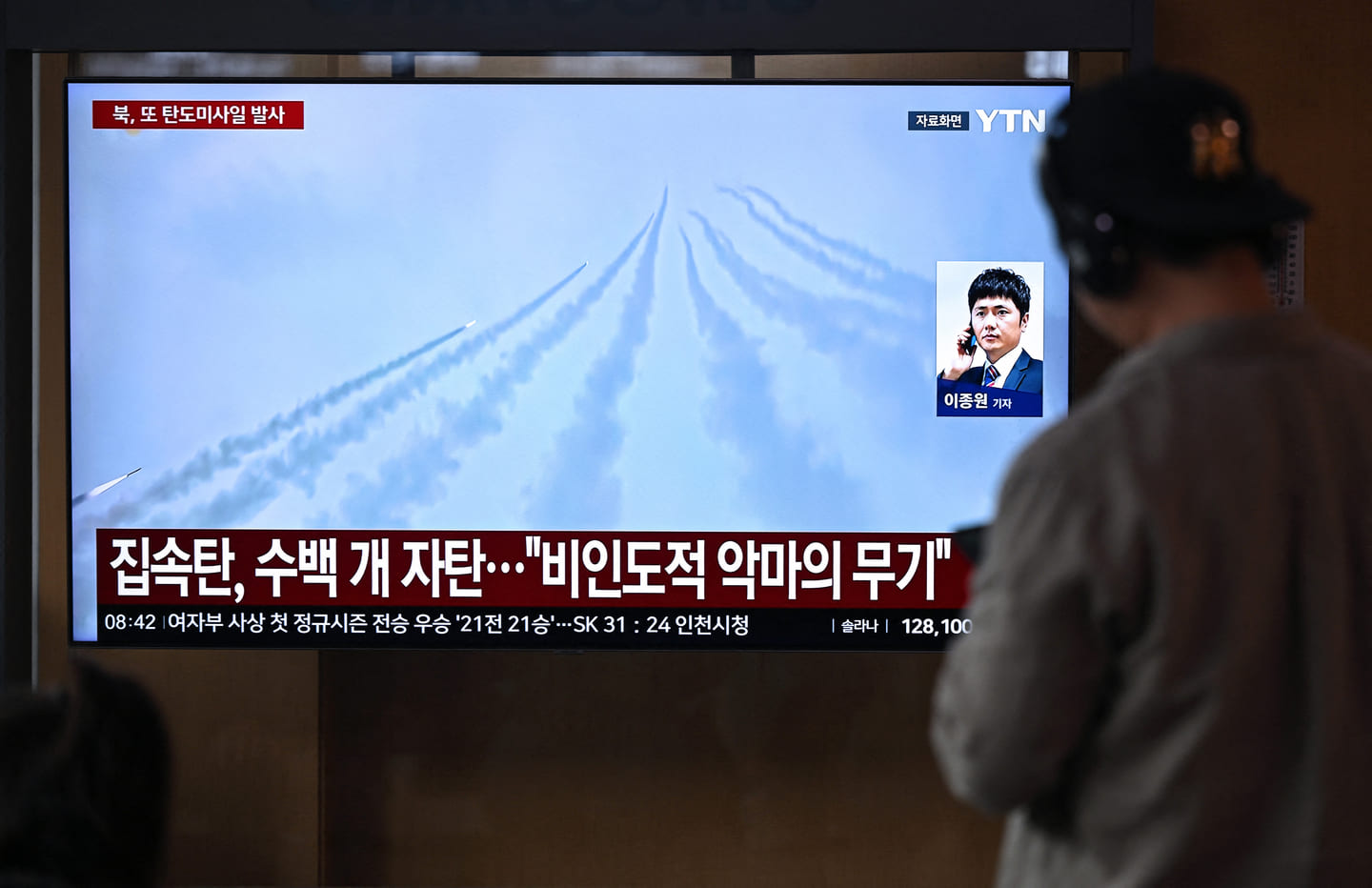
Troubled by the growing salience of nuclear debates in East Asia, Moscow has responded in its usual way: with condemnation and threats. But by exacerbating insecurity, Russia is forcing South Korea and Japan to consider radical security options.

James D.J. Brown
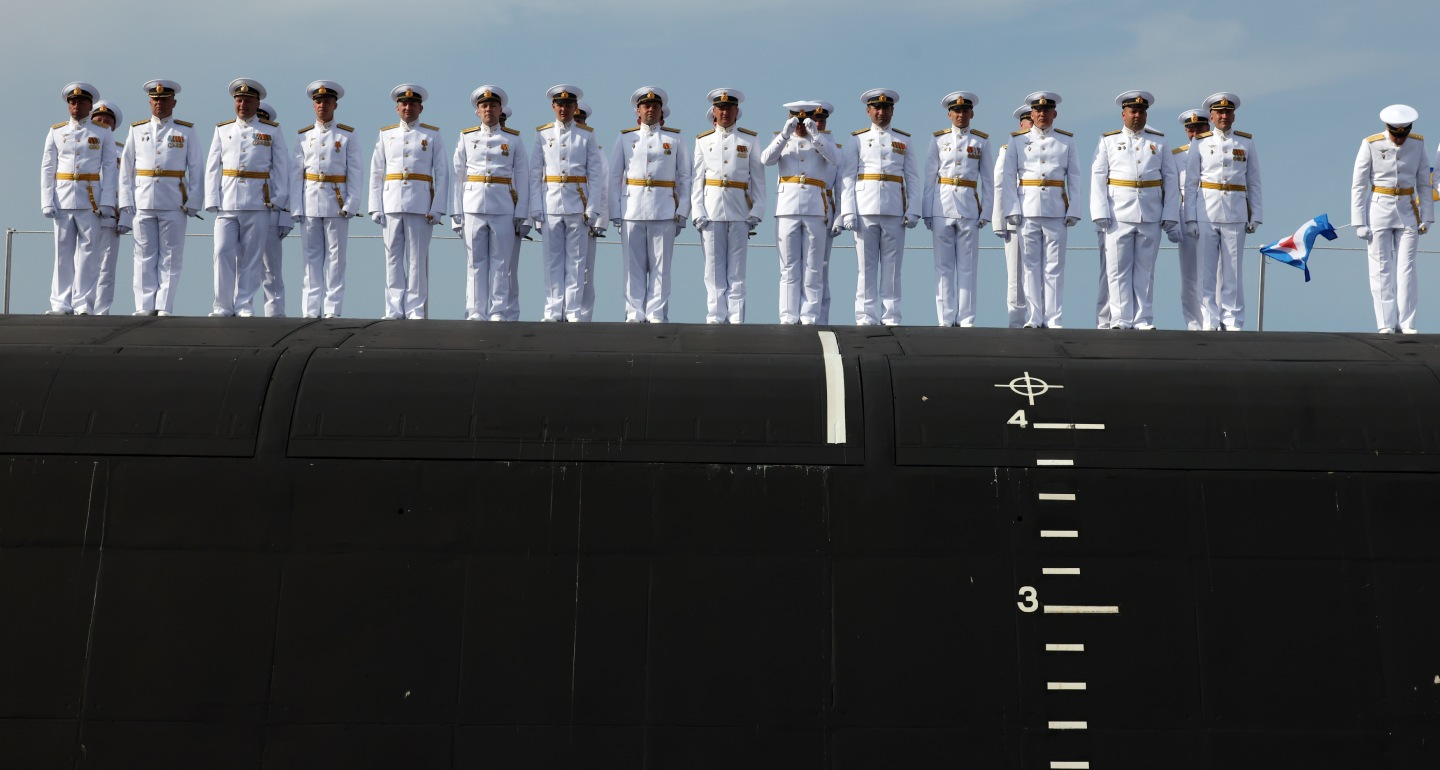
For Putin, upgrading Russia’s nuclear forces was a secondary goal. The main aim was to gain an advantage over the West, including by strengthening the nuclear threat on all fronts. That made growth in missile arsenals and a new arms race inevitable.

Maxim Starchak
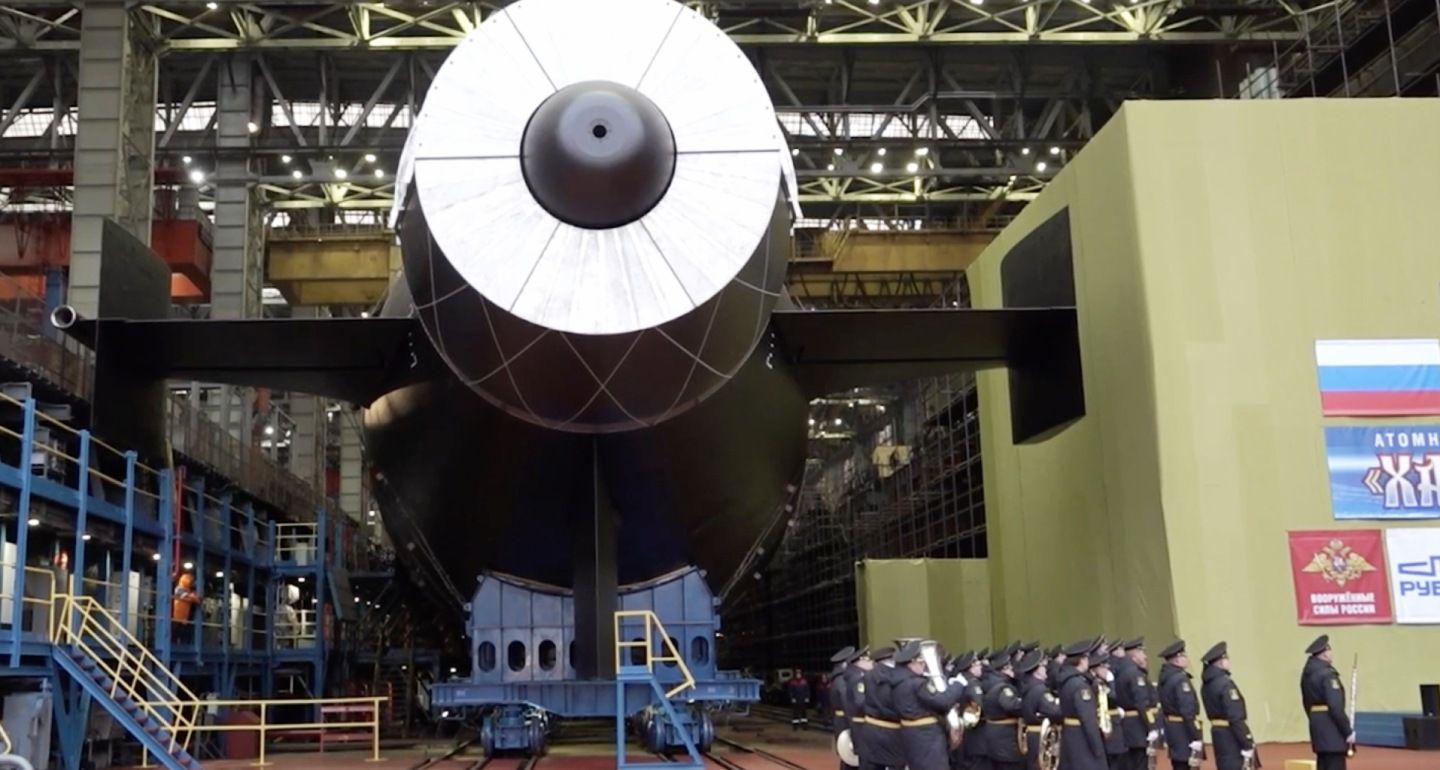
The Kremlin will only be prepared to negotiate strategic arms limitations if it is confident it can secure significant concessions from the United States. Otherwise, meaningful dialogue is unlikely, and the international system of strategic stability will continue to teeter on the brink of total collapse.
Maxim Starchak
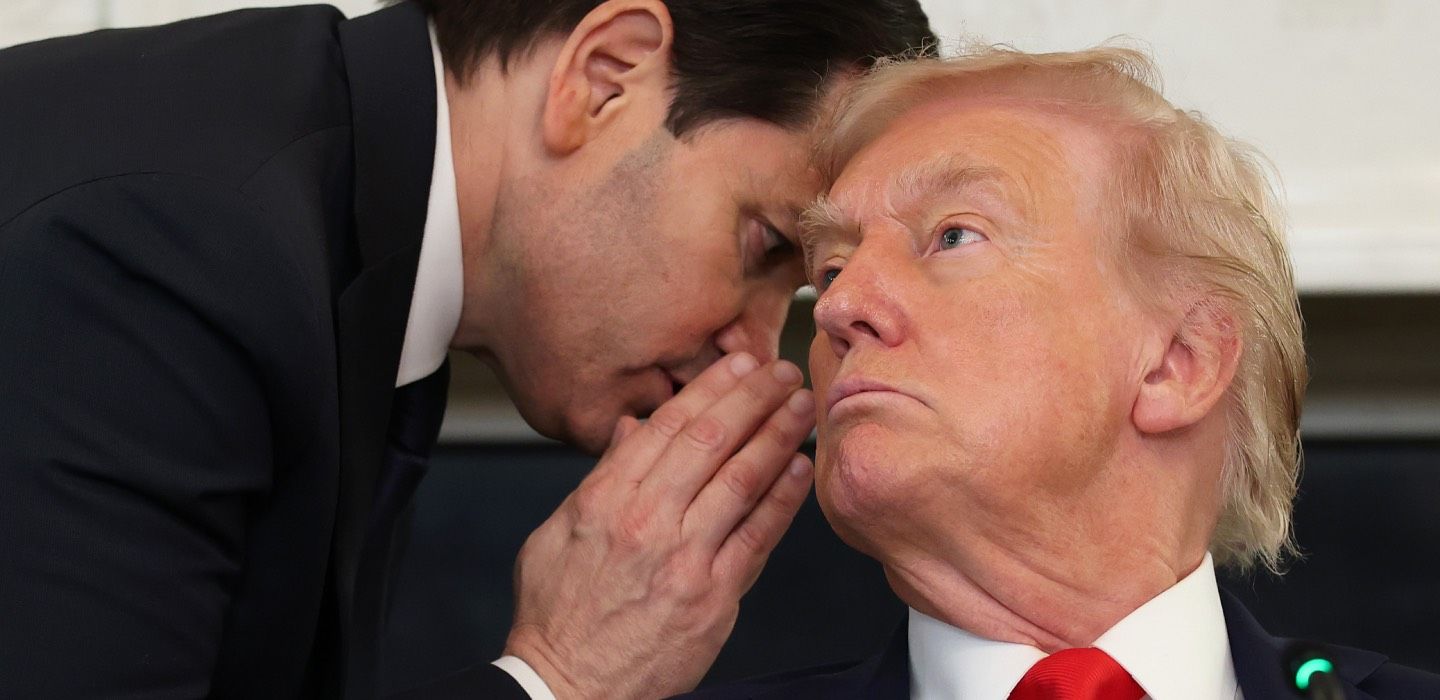
The collapse of the Budapest summit is an inevitable result of the Russian system of artificially creating foreign policy crises in order to achieve a desired outcome.

Alexander Baunov
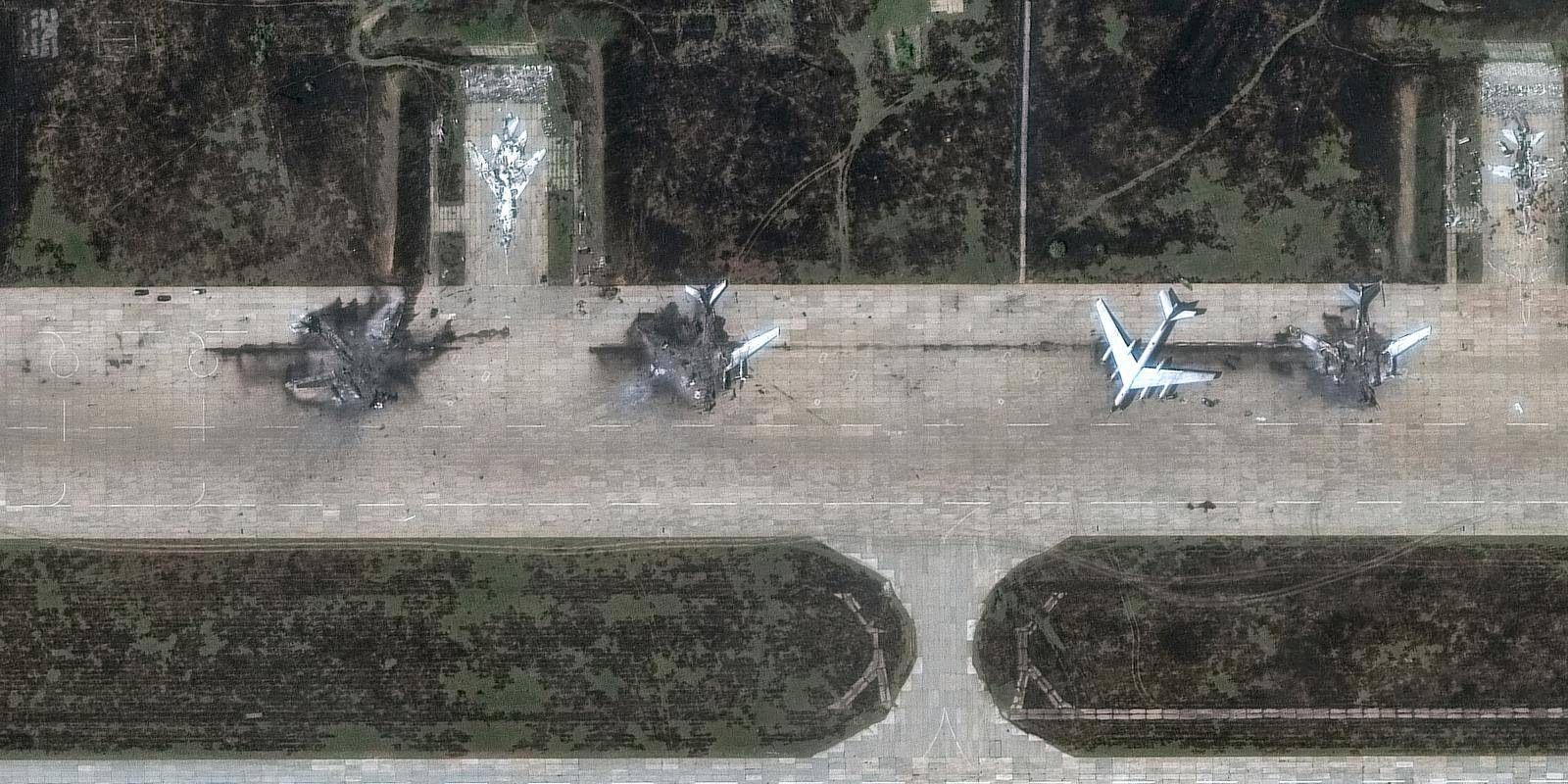
Russia could compensate for “nuclear losses” to its aviation by strengthening other elements of its nuclear triad. At a time when control mechanisms are not functioning, there is a risk of strategic uncertainty emerging over the development trajectory of Russia’s nuclear forces.
Maxim Starchak