

Paper
Matthew Rojansky
{
  "authors": [
    "Matthew Rojansky"
  ],
  "type": "legacyinthemedia",
  "centerAffiliationAll": "dc",
  "centers": [
    "Carnegie Endowment for International Peace",
    "Carnegie Russia Eurasia Center"
  ],
  "collections": [],
  "englishNewsletterAll": "ctw",
  "nonEnglishNewsletterAll": "",
  "primaryCenter": "Carnegie Endowment for International Peace",
  "programAffiliation": "russia",
  "programs": [
    "Russia and Eurasia"
  ],
  "projects": [
    "U.S.-Russia Bilateral Presidential Commission"
  ],
  "regions": [
    "North America",
    "United States",
    "Caucasus",
    "Russia"
  ],
  "topics": [
    "Foreign Policy"
  ]
}
Source: Getty
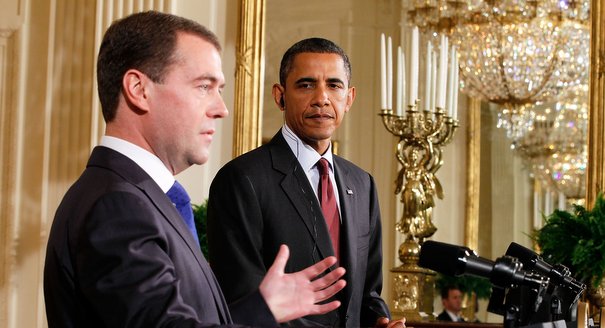
As it negotiates the fate of New START, Washington should not lose sight of the importance of continued cooperation with Russia across a broad range of issues.
Source: Politico

As time runs out, the political battle lines are hardening. There is an increasing danger that, whether it wins or loses on this vote, the administration could lose the momentum of its renewed partnership and dialogue with Russia — potentially more critical to U.S. national interests than any one agreement.
The administration should consider using at least some of the political capital now deployed for New START to shore up the broader accomplishments of the U.S.-Russia reset. This may help senators, as well as the public, understand why the treaty is important for the relationship — and why it matters to U.S. interests.
Washington must reject attempts from both sides to characterize this ratification as part of a quid pro quo for Russian support on Iran, Afghanistan or any other area of cooperation. In particular, comments from senior U.S. and Russian officials that the post-reset partnership hinges on ratification just reinforce an outdated mode of thinking about the relationship that the reset was intended to replace.
Instead, these officials should emphasize that cooperation on shared security challenges is in both countries’ interests — and is likely to continue, even without New START ratification.
The best way to make this point is to focus publicly on the accomplishments of the U.S.-Russia Bilateral Presidential Commission. These include joint counterterrorism and counternarcotics operations — like the October raid on a heroin lab in the Afghanistan-Pakistan border region; an anti-hijacking exercise in August; expanded access to Russian airspace and railways to supply the North Atlantic Treaty Organization forces in Afghanistan; and active intelligence sharing to deny terrorists funds from hawala financing networks.
One reason some senators have been reluctant to support New START may be their uncertainty about where Russia stands among America’s friends and adversaries. The more they hear Russia and its nuclear arsenal described as a threat, the more they wonder whether a modest bilateral arms control treaty is the best way to protect Americans.
Linking failure to ratify the treaty with warnings that Russia may reverse its cooperation on Iran and Afghanistan — clear U.S. security priorities — only reinforces the impression of Moscow as hostile rival, and not a partner. The best way to reverse this impression, and make New START ratification part of a comprehensive partnership, is to commit to a “reset” of Russian engagement with Congress.
Russian officials and diplomats should spend time explaining their interests to congressional leaders from both parties. The Russians should respond to suspicions and mistrust by offering positive proposals — not making threats.
Finally, Washington and Moscow should continue moving forward on nuclear nonproliferation and arms control. As former Russian Foreign Minister Igor Ivanov pointed out, a delay or failure to ratify New START will not lead to nuclear catastrophe — since Cold War rivalry and mutually assured destruction no longer dominate U.S. or Russian national security doctrine.
For the same reason, though, both sides can afford to implement the modest reductions in their strategic arsenals agreed to under the treaty. These cuts can be memorialized in an executive agreement or perhaps a more modest treaty.
Continuing arms reductions would allow Moscow and Washington to move on to urgently needed nuclear-arms-control and disarmament discussions with the world’s other nuclear states.
Both sides should commit immediately to close the verification gap, open since START I expired last December. They could do so either by an executive agreement to implement the verification provisions of New START or by creating a special task force of the Bilateral Presidential Commission’s Arms Control working group.
The New START treaty represents an important step forward for nuclear security and nonproliferation. But it is only one of many accomplishments of the renewed partnership between Moscow and Washington.
As the administration and Senate leadership negotiate terms for a ratification vote, they should not lose sight of the value of broader U.S.-Russian cooperation. Now is the time to reinforce and redouble that cooperation, by agreeing on realistic next steps — regardless of New START’s fate — ensuring clear communication with all the stakeholders on both sides of this unique relationship.

Former Deputy Director, Russia and Eurasia Program
Rojansky, formerly executive director of the Partnership for a Secure America, is an expert on U.S. and Russian national security and nuclear-weapon policies.
Recent Work
Matthew Rojansky
Matthew Rojansky
Carnegie does not take institutional positions on public policy issues; the views represented herein are those of the author(s) and do not necessarily reflect the views of Carnegie, its staff, or its trustees.
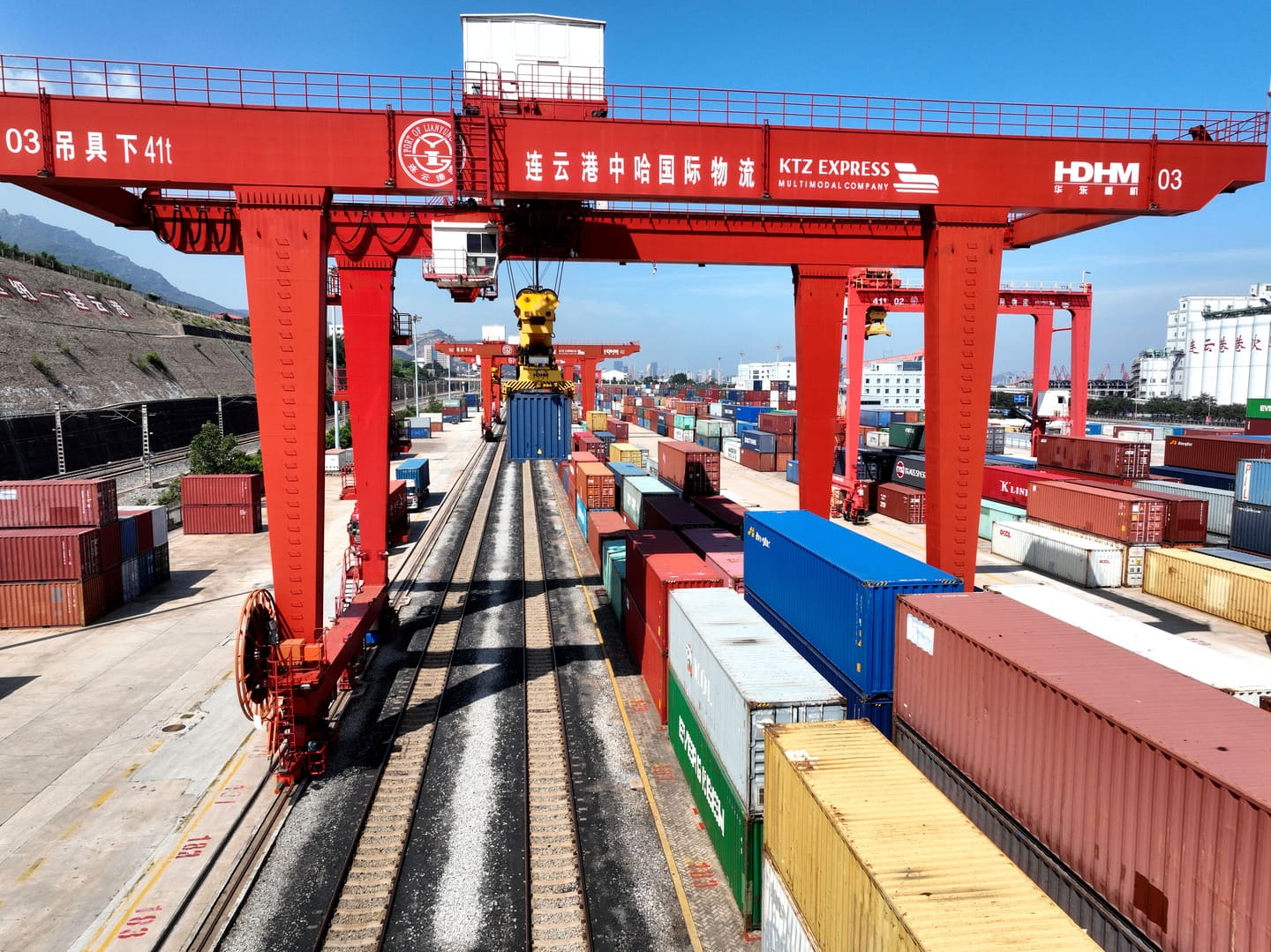
For the Middle Corridor to fulfill its promises, one of these routes must become scalable. At present, neither is.

Friedrich Conradi
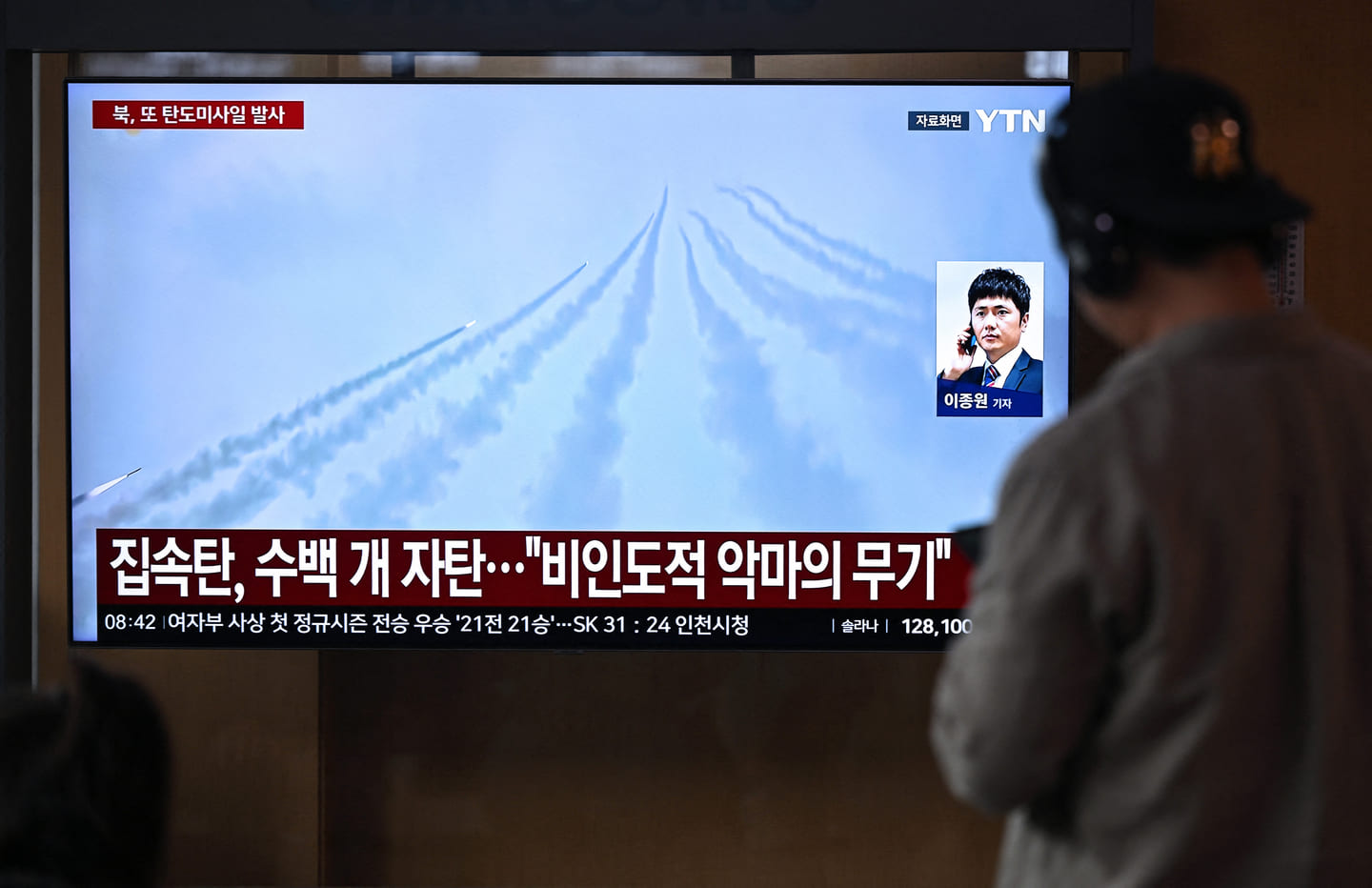
Troubled by the growing salience of nuclear debates in East Asia, Moscow has responded in its usual way: with condemnation and threats. But by exacerbating insecurity, Russia is forcing South Korea and Japan to consider radical security options.

James D.J. Brown
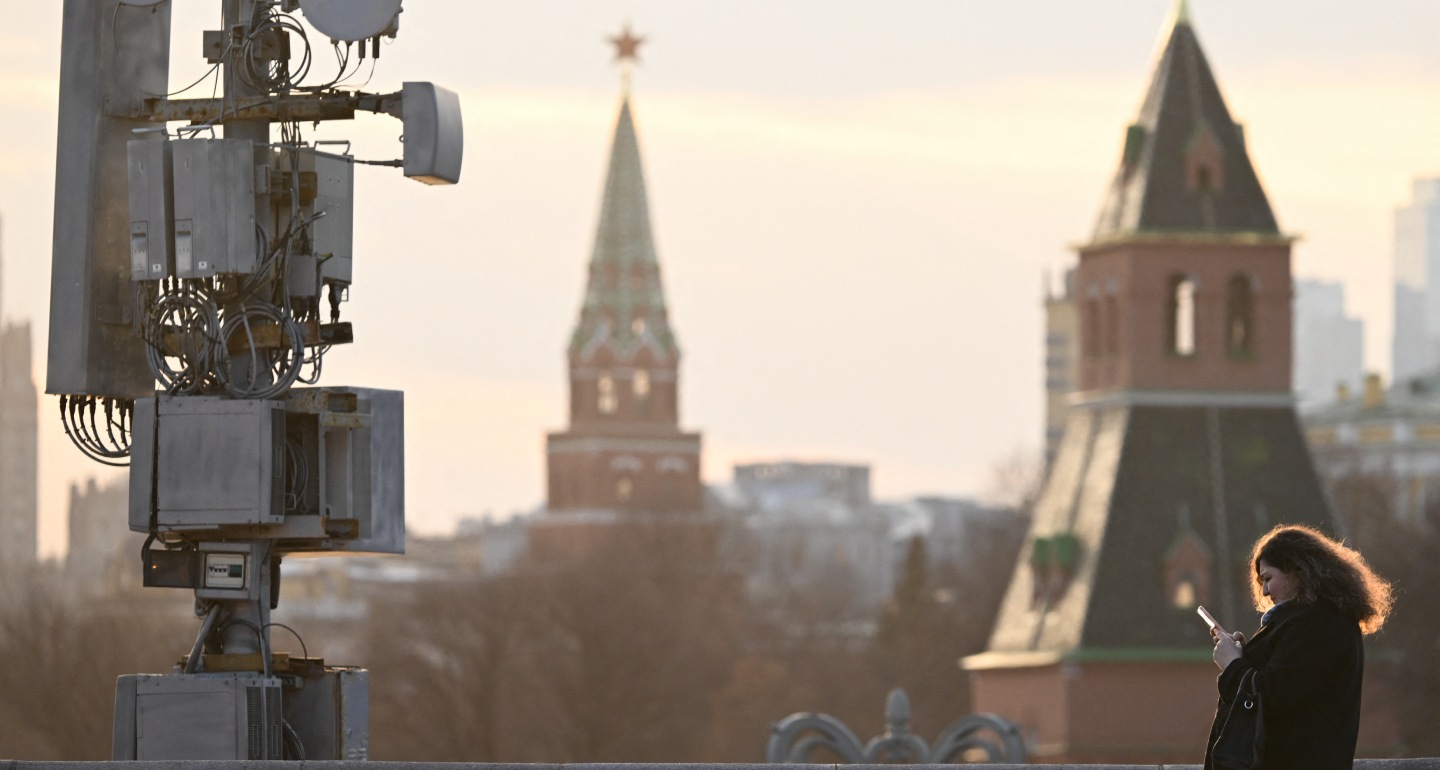
The Russian state has opted for complete ideological control of the internet and is prepared to bear the associated costs.

Maria Kolomychenko
Powerful lobbyists and inertia led to Russia’s coal-mining sector missing an excellent opportunity to solve its structural problems.
Alexey Gusev

After four years of war, there is no one who can stand up to the security establishment, and President Vladimir Putin is increasingly passive.

Tatiana Stanovaya