• Research
  • Politika
  • About
Carnegie Russia Eurasia center logoCarnegie lettermark logo
  • Donate
{
  "authors": [
    "Lahcen Achy"
  ],
  "type": "legacyinthemedia",
  "centerAffiliationAll": "",
  "centers": [
    "Carnegie Endowment for International Peace",
    "Malcolm H. Kerr Carnegie Middle East Center"
  ],
  "collections": [],
  "englishNewsletterAll": "",
  "nonEnglishNewsletterAll": "",
  "primaryCenter": "Malcolm H. Kerr Carnegie Middle East Center",
  "programAffiliation": "",
  "programs": [],
  "projects": [],
  "regions": [],
  "topics": [
    "Economy"
  ]
}
Source: Getty

In The Media
Malcolm H. Kerr Carnegie Middle East Center

Big Question: Paths Out of the Wilderness

Political stability, democratic governance, and human-rights protections are key ingredients of any forward-looking strategy to spur and sustain economic recovery.

Link Copied
By Lahcen Achy
Published on Mar 29, 2011

Source: World Policy Institute

Big Question: Paths Out of the Wilderness
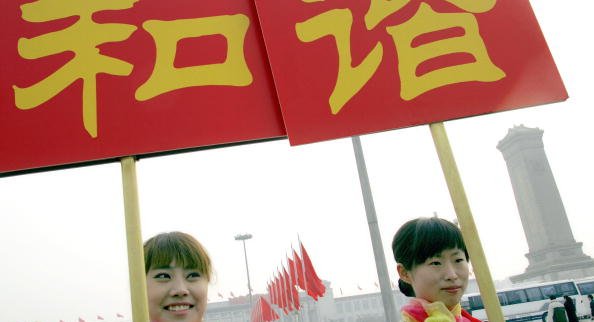
The international financial crisis showed that the actions of a few individuals can have quite detrimental global effects. Russia’s decision to ban exports of wheat last summer led to a price-hike in international markets and created food-security concerns. The absence of social safety nets in China leads to excessive saving and hurts the U.S. economy by discouraging spending on imports. Win-win solutions—sustaining the economic recovery while creating more resilient societies—will require policymakers to understand their interdependence and implement regional and international partnerships to address it.
 
 These partnerships will need to go beyond basic economic-growth objectives and work on improving standards of living through education, employment, justice, freedom of expression, and political participation. Ensuring social security reinforces identity and creates a sense of belonging to a community, reducing the risk of uprisings that could threaten the recovery. Political stability, democratic governance, and human-rights protections are key ingredients of any forward-looking strategy to spur and sustain economic recovery.

About the Author

Lahcen Achy

Former Nonresident Senior Associate, Middle East Center

Achy is an economist with expertise in development, institutional economics, trade, and labor and a focus on the Middle East and North Africa.

    Recent Work

  • In The Media
    Arab States Need Industrial Policy Reform

      Lahcen Achy

  • Paper
    The Price of Stability in Algeria

      Lahcen Achy

Lahcen Achy
Former Nonresident Senior Associate, Middle East Center
Lahcen Achy
Economy

Carnegie does not take institutional positions on public policy issues; the views represented herein are those of the author(s) and do not necessarily reflect the views of Carnegie, its staff, or its trustees.
More Work from Carnegie Russia Eurasia Center

  • Commentary
    Carnegie Politika
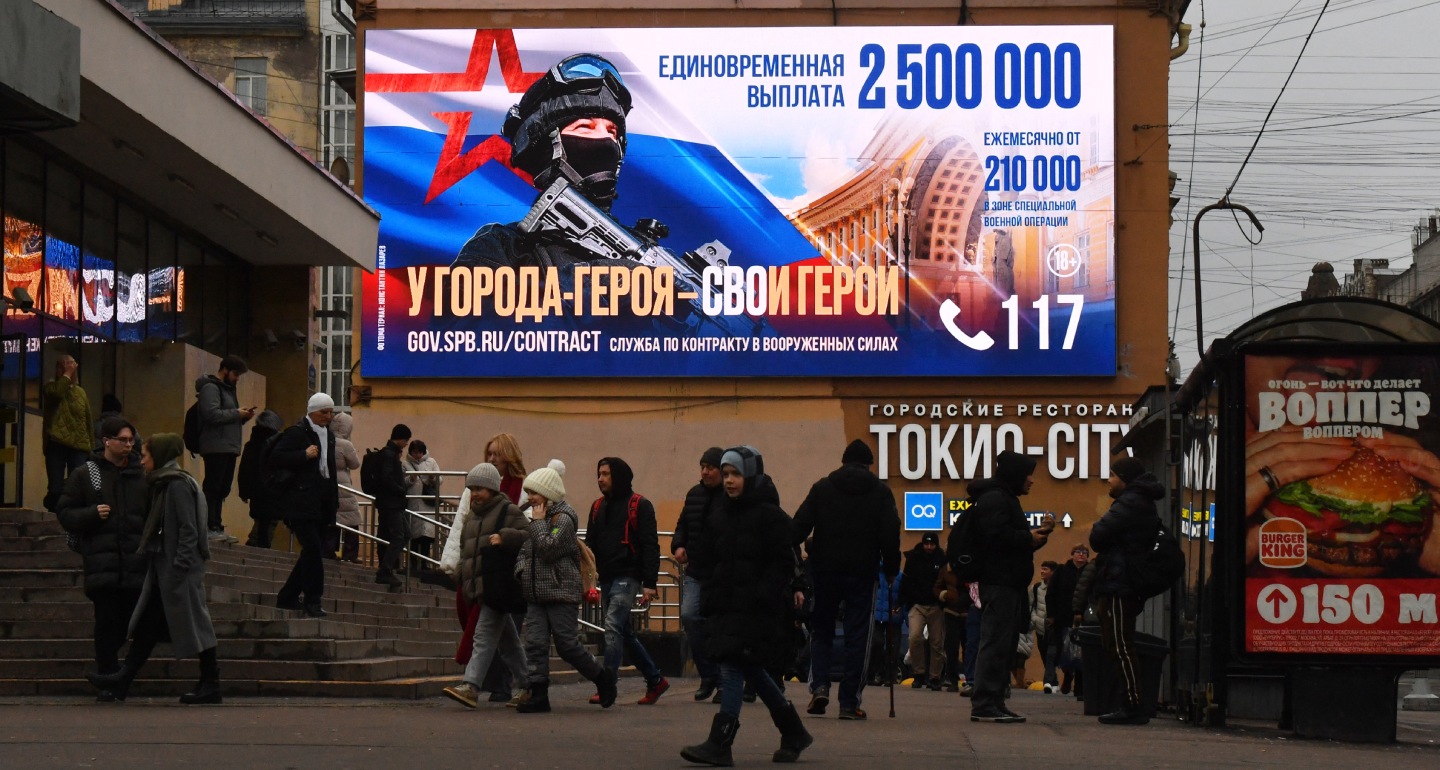
    Does Russia Have Enough Soldiers to Keep Waging War Against Ukraine?

    The Russian army is not currently struggling to recruit new contract soldiers, though the number of people willing to go to war for money is dwindling.

      Dmitry Kuznets
  • Commentary
    Carnegie Politika
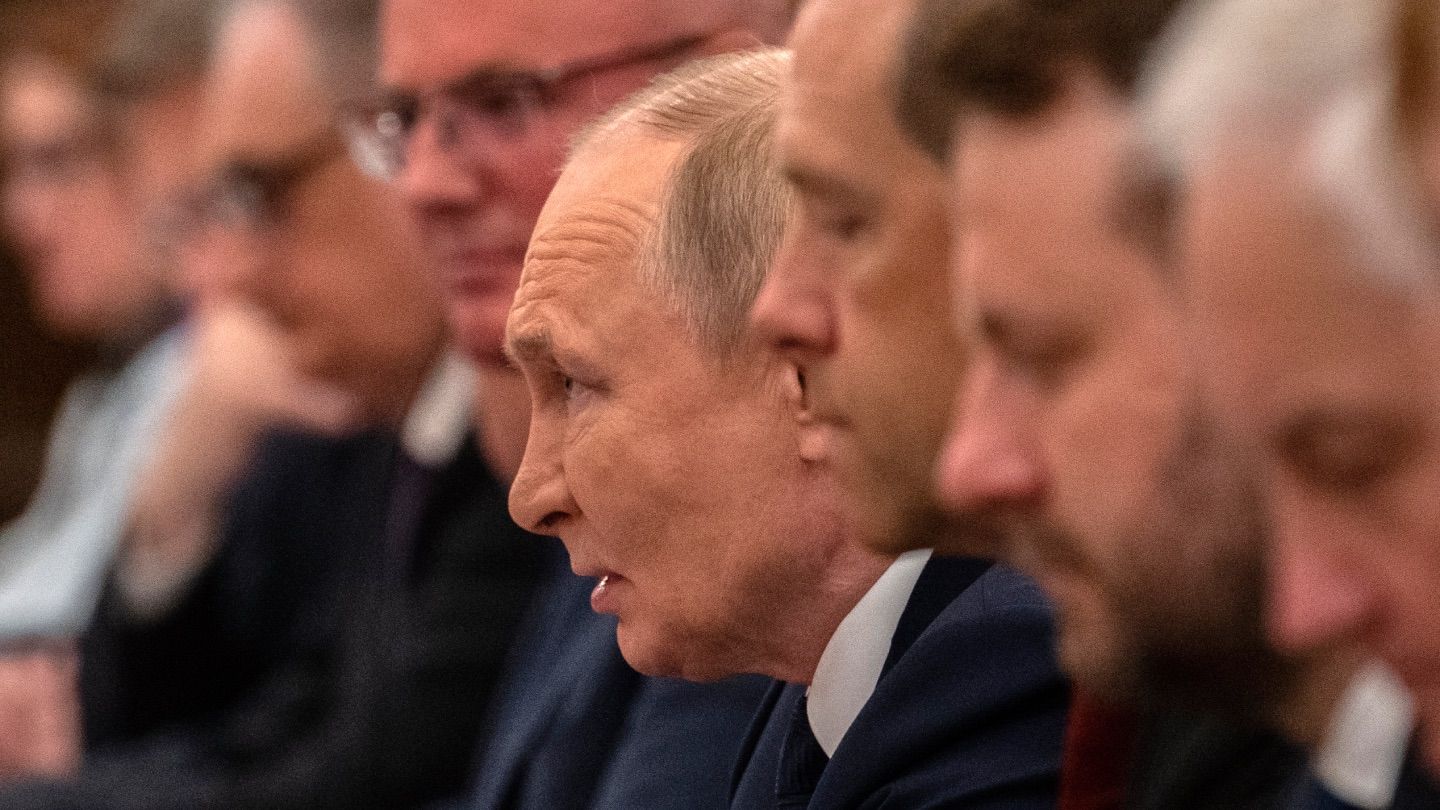
    Including Russia on the EU Financial Blacklist Will Hurt Ordinary People, Not the Kremlin

    The paradox of the European Commission’s decision is that the main victims will not be those it formally targets. Major Russian businesses associated with the Putin regime have long adapted to sanctions with the help of complex schemes involving third countries, offshore companies, and nonpublic entities.
      Alexandra Prokopenko
  • Commentary
    Carnegie Politika
    Why Didn’t the Ukraine War Turn Russia’s Ruling Class Against Putin?

    A new book by Alexandra Prokopenko looks at why the Russian ruling class became the regime’s willing servants—and how they might fare in a post-Putin world.
      Vladislav Gorin
  • Commentary
    Carnegie Politika
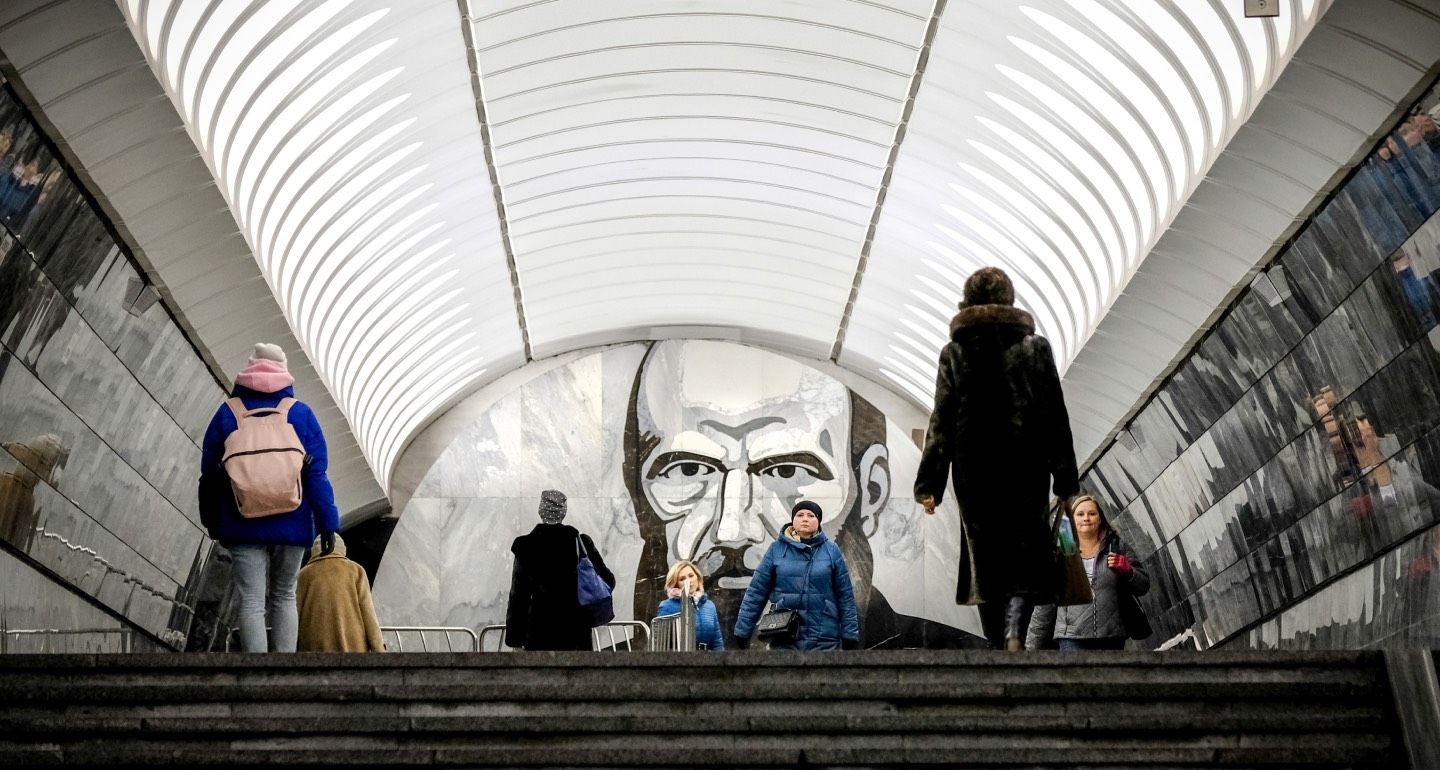
    Collateral Damage: The Frozen Foreign Assets of Middle-Class Russians

    The volume of frozen private assets might seem insignificant compared with Russia’s sovereign reserves, but these are the savings of millions of people who believed that foreign securities were a safe investment and in the institution of private property.

      Yulia Starostina
  • Commentary
    Carnegie Politika
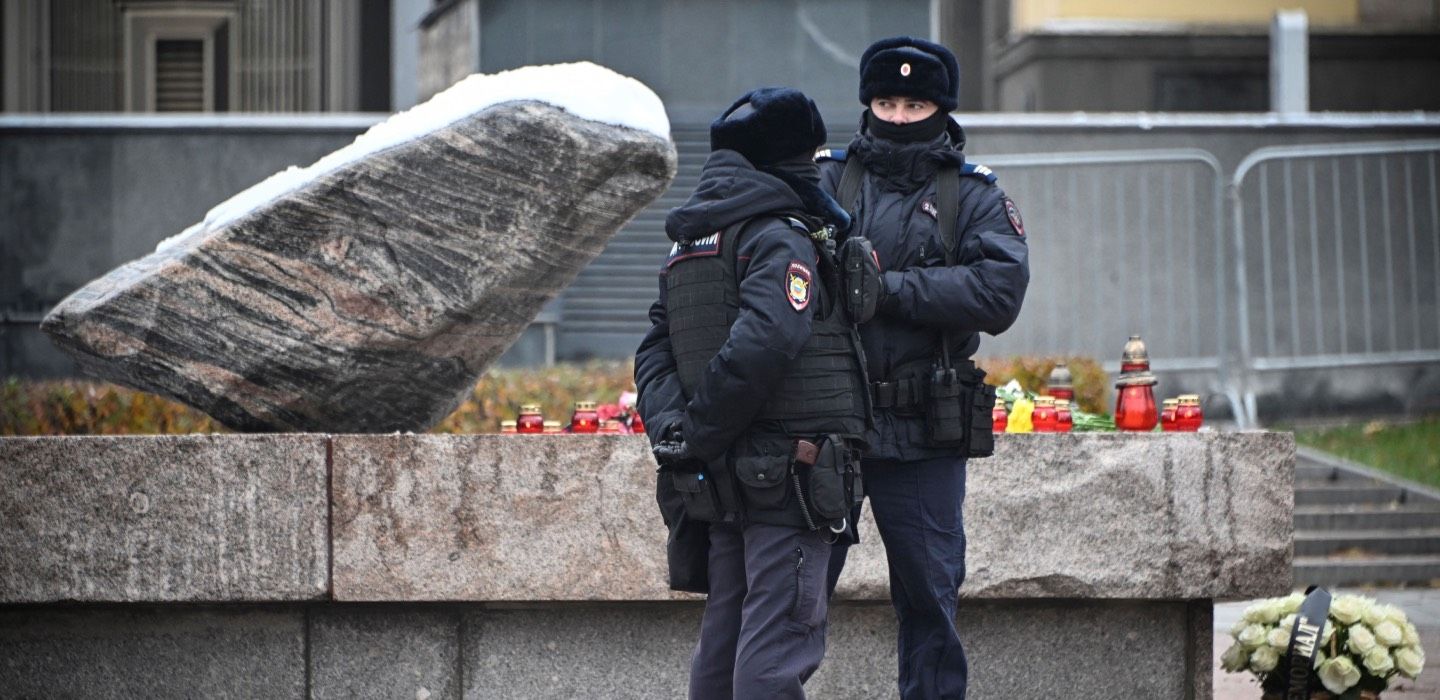
    The Kremlin Has Weaponized Western Financial Checks to Punish Russian Dissidents

    International compliance and anti-money laundering standards are currently formulated in such a way that the Western financial system does not differentiate between Russian political prisoners and ISIS militants.

      Alexandra Prokopenko

Get more news and analysis from
Carnegie Russia Eurasia Center
Carnegie Russia Eurasia logo, white
  • Research
  • Politika
  • About
  • Experts
  • Events
  • Contact
  • Privacy
  • For Media
Get more news and analysis from
Carnegie Russia Eurasia Center
© 2026 Carnegie Endowment for International Peace. All rights reserved.