• Research
  • Politika
  • About
Carnegie Russia Eurasia center logoCarnegie lettermark logo
  • Donate
{
  "authors": [
    "Alexey Malashenko"
  ],
  "type": "other",
  "centerAffiliationAll": "",
  "centers": [
    "Carnegie Endowment for International Peace",
    "Malcolm H. Kerr Carnegie Middle East Center",
    "Carnegie Russia Eurasia Center"
  ],
  "collections": [],
  "englishNewsletterAll": "",
  "nonEnglishNewsletterAll": "",
  "primaryCenter": "Carnegie Russia Eurasia Center",
  "programAffiliation": "",
  "programs": [],
  "projects": [
    "Eurasia in Transition"
  ],
  "regions": [
    "Egypt",
    "Gulf",
    "Levant",
    "Maghreb",
    "North Africa",
    "Libya",
    "Tunisia"
  ],
  "topics": [
    "Political Reform"
  ]
}
Source: Getty

Other
Carnegie Russia Eurasia Center

The Limits of Endless Revolution

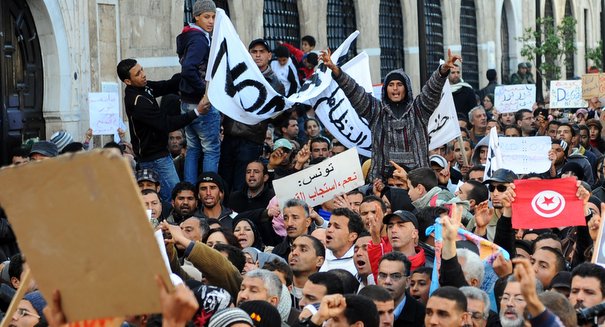
The unrest that has swept through Tunisia, Egypt, and Libya resulted in large part from the inability or unwillingness of the ruling regimes to make significant improvements in the lives of the general public. The departure of the heads of these regimes, however, does not necessarily signal an end to the revolutionary process.

Link Copied
By Alexey Malashenko
Published on Mar 9, 2011
Project hero Image

Project

Eurasia in Transition

Learn More

Key Conclusions:

  • Every revolution has its own peculiar causes. We should not exaggerate the possibility that the revolutions in Tunisia, Egypt and Libya will set off a chain reaction throughout the Arab world or the wider Muslim world.
     
  • The activeness many expected to see from Islamic radicals has not been forthcoming so far.
     
  • The Arab governments in Algeria, Jordan, Morocco, Yemen and Oman have correctly judged the situation and agreed to concessions and even dialogue with the opposition as a way of lowering tensions.
     
  • We should not exaggerate the influence of these recent events on the Middle East conflict, because no matter what kind of government emerges in Egypt, it will concentrate its attention above all on domestic issues.
     
  • Authoritarian regimes in Central Asia are using the events in North Africa, especially in Libya, as an added argument in favor of a firm hand guaranteeing stable government in their countries.

About the Author

Alexey Malashenko

Former Scholar in Residence, Religion, Society, and Security Program

Malashenko is a former chair of the Carnegie Moscow Center’s Religion, Society, and Security Program.

    Recent Work

  • Commentary
    What Will Uzbekistan’s New President Do?

      Alexey Malashenko

  • Commentary
    Preserving the Calm in Russia’s Muslim Community

      Alexey Malashenko

Alexey Malashenko
Former Scholar in Residence, Religion, Society, and Security Program
Alexey Malashenko
Political ReformEgyptGulfLevantMaghrebNorth AfricaLibyaTunisia

Carnegie does not take institutional positions on public policy issues; the views represented herein are those of the author(s) and do not necessarily reflect the views of Carnegie, its staff, or its trustees.

More Work from Carnegie Russia Eurasia Center

  • Commentary
    Carnegie Politika
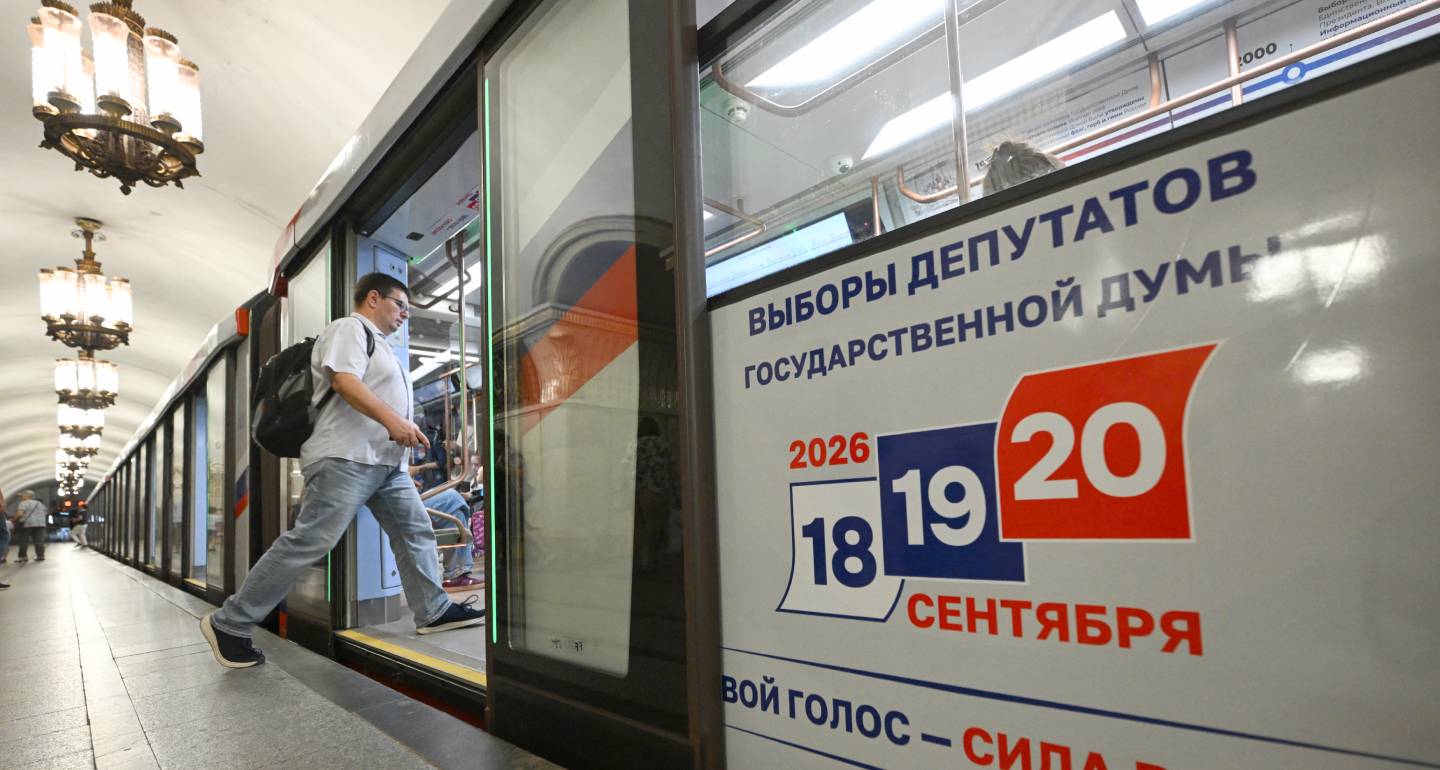
    The Kremlin Is Destroying Its Own System of Coerced Voting

    The use of technology to mobilize Russians to vote—a system tied to the relative material well-being of the electorate, its high dependence on the state, and a far-reaching system of digital control—is breaking down.

      Andrey Pertsev

  • Commentary
    Carnegie Politika
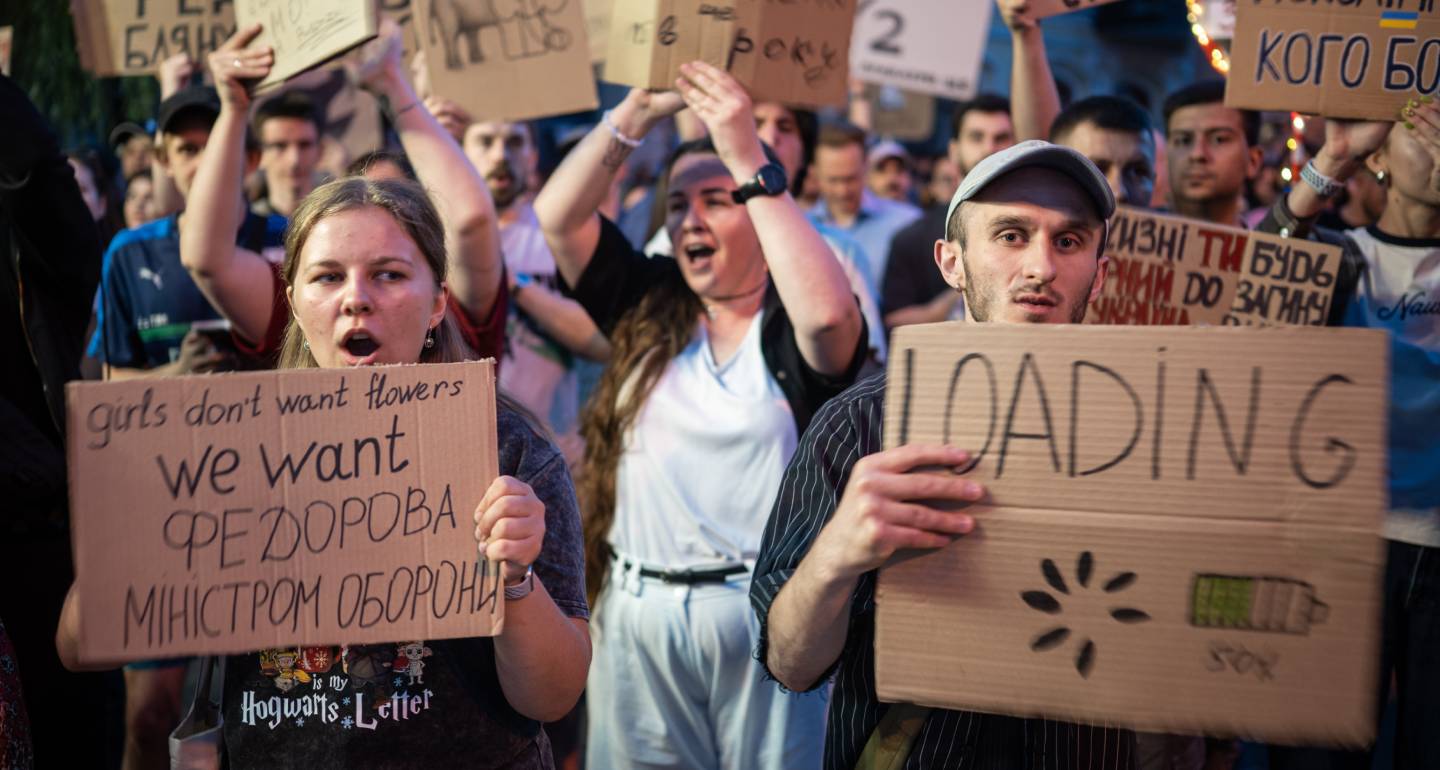
    Notes From Kyiv: Is Ukraine Preparing for Elections?

    As discussions about settlement and elections move from speculation to preparation, Kyiv will have to manage not only the battlefield, but also the terms of political transition. The thaw will not resolve underlying tensions; it will only expose them more clearly.

      Balázs Jarábik

  • Commentary
    Carnegie Politika
    Where Does the Split in the Ruling Tandem Leave Kyrgyzstan?

    Despite its reputation as an island of democracy in Central Asia, Kyrgyzstan appears to be on the brink of becoming a personalist autocracy.

      Temur Umarov

  • Commentary
    Carnegie Politika
    In Uzbekistan, the President’s Daughter Is Now His Second-in-Command

    Having failed to build a team that he can fully trust or establish strong state institutions, Mirziyoyev has become reliant on his family.

      Galiya Ibragimova

  • Commentary
    Carnegie Politika
    Japan’s “Militarist Turn” and What It Means for Russia

    For a real example of political forces engaged in the militarization of society, the Russian leadership might consider looking closer to home.

      James D.J. Brown

Get more news and analysis from
Carnegie Russia Eurasia Center
Carnegie Russia Eurasia logo, white
  • Research
  • Politika
  • About
  • Experts
  • Events
  • Contact
  • Privacy
Get more news and analysis from
Carnegie Russia Eurasia Center
© 2026 Carnegie Endowment for International Peace. All rights reserved.