

Commentary
Though Orban is gone, Putin can still count on some like-minded individuals in Central and Eastern Europe. However, they will seek to avoid open confrontation with EU institutions over Ukraine and their ties with Moscow.
Dimitar Bechev
{
  "authors": [
    "Madeleine Albright",
    "Marwan Muasher"
  ],
  "type": "legacyinthemedia",
  "centerAffiliationAll": "dc",
  "centers": [
    "Carnegie Endowment for International Peace",
    "Carnegie Europe"
  ],
  "collections": [
    "Arab Awakening"
  ],
  "englishNewsletterAll": "menaTransitions",
  "nonEnglishNewsletterAll": "",
  "primaryCenter": "Carnegie Endowment for International Peace",
  "programAffiliation": "MEP",
  "programs": [
    "Middle East"
  ],
  "projects": [],
  "regions": [
    "Middle East",
    "Syria"
  ],
  "topics": [
    "Political Reform",
    "Democracy",
    "Security",
    "Foreign Policy"
  ]
}
Source: Getty
The international community can take a stand against Syria’s use of violence against its citizens by directing the International Criminal Court in The Hague to investigate whether Syrian president Bashar al-Assad is guilty of crimes against humanity.
Source: Financial Times

Earlier this month, we were among 19 former foreign ministers meeting in The Hague to discuss the turbulence in the Arab world, and especially the situation in Syria. We were concerned by the intensifying level of violence in that country, by the likelihood of escalation, and by the fact that the flow of refugees into Turkey has transformed a national political crisis into an international humanitarian one.
Sanctions and verbal condemnations have failed to halt the machinery of repression. Mr Assad appears to believe that, like his father, he can act with impunity in denying his people’s right to organise politically and to petition peacefully for change. For several reasons, many understandable, the international community is not taking the same stance towards Syria as it did towards Libya. Now, however, it should make clear to Damascus that brutal repression has serious consequences.
At present, the international criminal justice system is the best available way of confronting Syria. As a cornerstone of this system, the ICC has already shown the ability to influence official behaviour, both on the part of those who are subject to investigation or indictment, and on the part of other leaders who must decide whether to engage with or isolate leaders under scrutiny. A serious attempt now to direct the judicial panel’s attention to the situation in Syria could cause the government in Damascus to think with greater depth about its interests and, as a result, possibly change course, sparing many lives.
Mr Assad’s recent speech does not show much promise, neither does his vague offer of a dialogue with an unspecified group of citizens. A referral by the UN Security Council to the ICC may encourage him to follow through on genuine reforms that have long been pledged but never realised. Actions, not words, will influence any ICC decisions.
As Arab spring moves into Arab summer, observers must be aware that the particular issues, personalities and practical options vary from one country to another. Egypt is not Syria; Yemen is not Tunisia; Libya is not Bahrain – and so on. Each country is unique and what makes sense in one may or may not make sense in the next. At the same time, it is fair for the international community to lay down a marker that mass killings to suppress non-violent political dissent are unacceptable everywhere. The more emphatic and consistent we are in laying down principles, the more likely it is that future humanitarian crises can be prevented.
The spread of pro-democracy movements in the Middle East is welcome; at the same time, it constitutes a fresh challenge for all governments involved as well as for the international institutions that were created, often decades ago, to preserve global stability and law. Even as we monitor events in Syria and among its neighbours, we should be considering how to modernise and restore confidence in these institutions. Creative use of the ICC is one area for action, but there are others – including a review of our economic development mechanisms, overhauling the UN Human Rights Council, fine-tuning the tool of economic sanctions and elevating the profile of the Community of Democracies, founded in Warsaw in 2000. These are not jobs for governments alone. The business community, civil society, religious leaders and private voluntary organisations all have indispensable roles to play. This is true even in Syria, where pressure from the private sector can help convince Mr Assad that the role of democratic reformer is preferable to that of potential criminal defendant – from his own perspective and that of his people, which has suffered enough.
The international community cannot, nor should it, seek to dictate the fate of any country. We do, however, have a responsibility to support the observation of global norms in every country. Initiating an ICC investigation in Syria now would create a powerful incentive for Mr Assad to choose reform over further repression. Such a choice would be good for the people of Syria, and for the case of democracy and law throughout the region.
Madeleine Albright was US secretary of state from 1997 to 2001 and is now the chair of Albright Stonebridge Group. Marwan Muasher was foreign minister of Jordan from 2002 to 2004 and is now vice-president for studies at the Carnegie Endowment for International Peace
Madeleine Albright

Vice President for Studies
Marwan Muasher is vice president for studies at Carnegie, where he oversees research in Washington and Beirut on the Middle East. Muasher served as foreign minister (2002–2004) and deputy prime minister (2004–2005) of Jordan, and his career has spanned the areas of diplomacy, development, civil society, and communications.
Carnegie does not take institutional positions on public policy issues; the views represented herein are those of the author(s) and do not necessarily reflect the views of Carnegie, its staff, or its trustees.
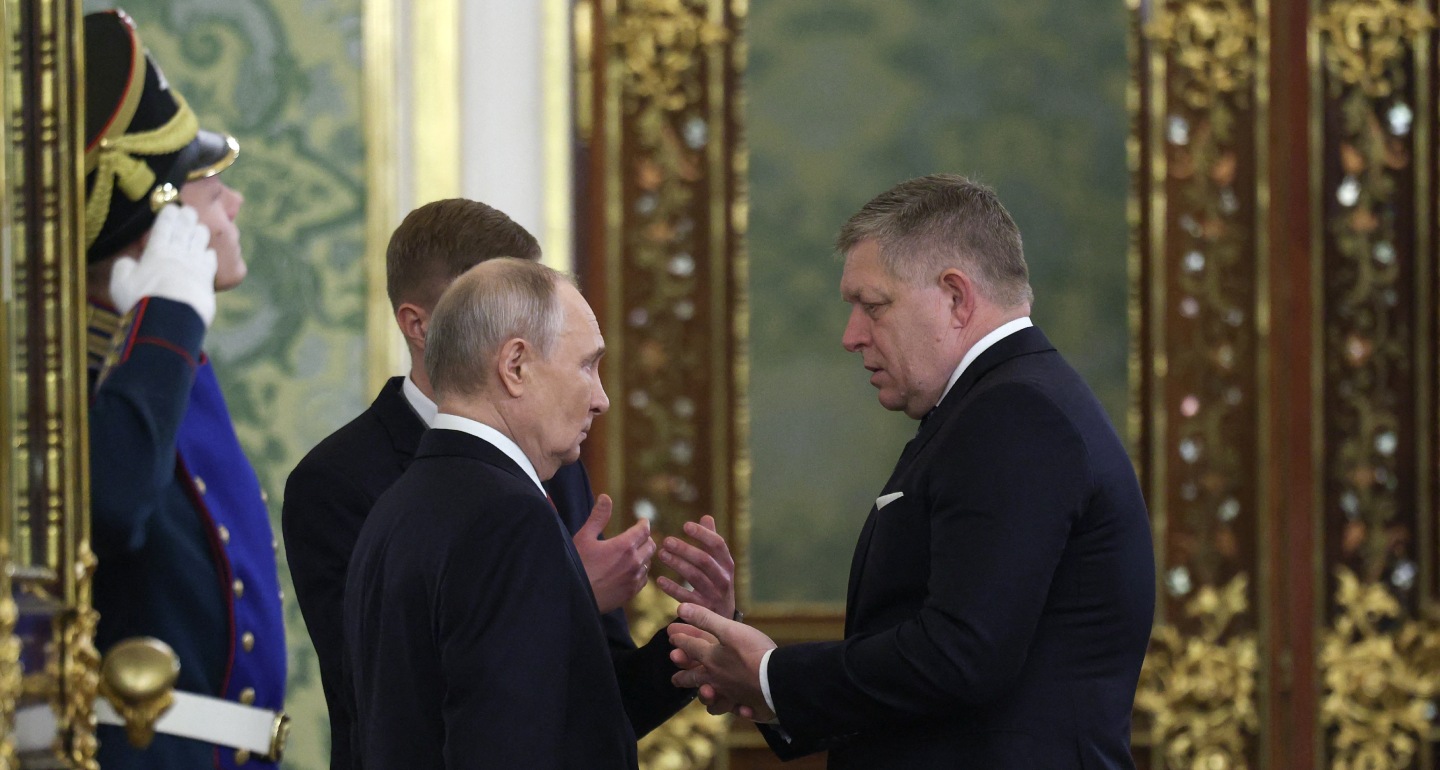
Though Orban is gone, Putin can still count on some like-minded individuals in Central and Eastern Europe. However, they will seek to avoid open confrontation with EU institutions over Ukraine and their ties with Moscow.

Dimitar Bechev

The truth is that Japan’s government is seeking a degree of reengagement but at a vastly reduced level than under Abe. Most significantly, Japan has shown no willingness to ease sanctions.

James D.J. Brown
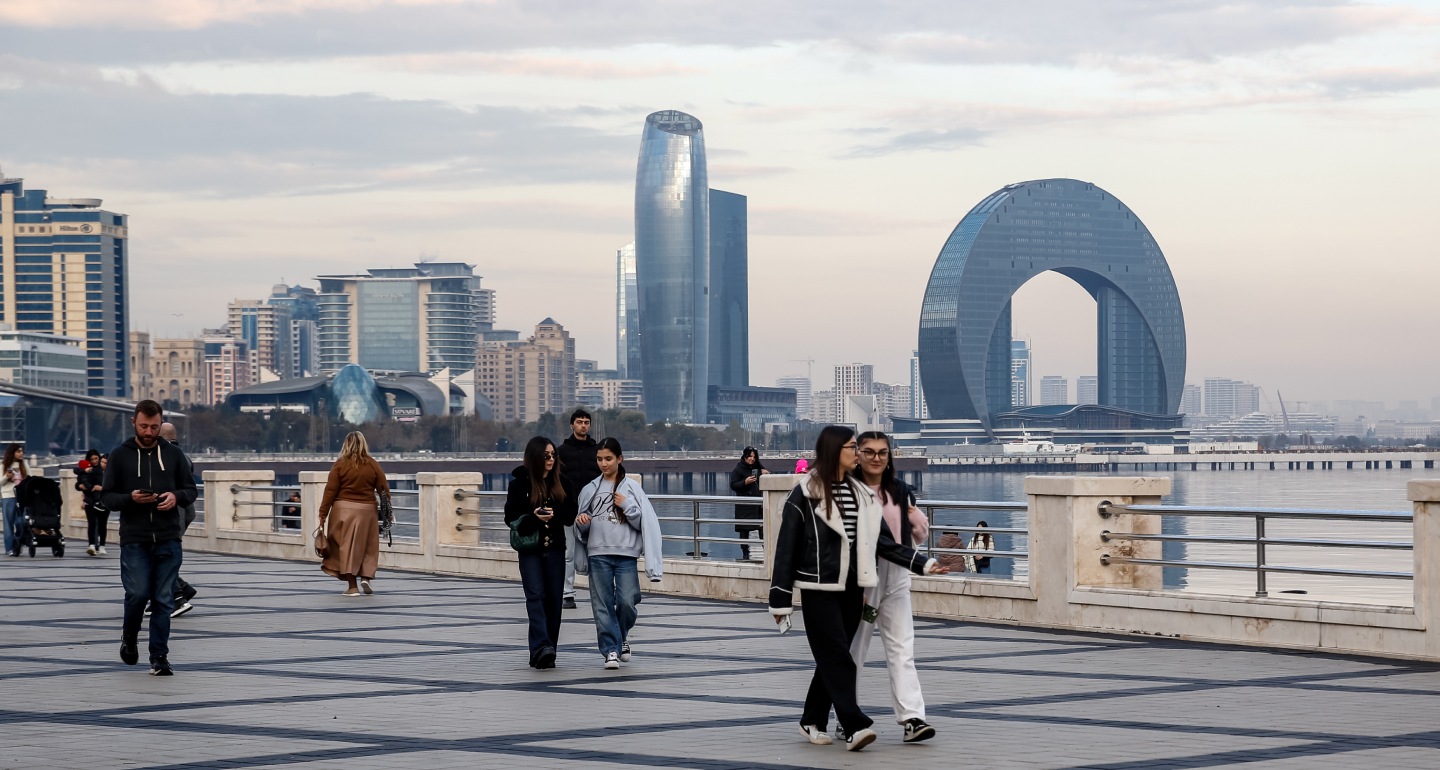
Azerbaijan’s relations with the EU appear to be going from strength to strength after several years in the deep freeze following the military escalation in Karabakh in 2023 and Azerbaijan’s bitter fallout with France and several other EU member states.
Shujaat Ahmadzada

The cost of air defense has become an unregistered tax on revenue for businesses. While military rents are consolidated in the federal budget, the costs of defense are being spread across the balance sheets of companies and regional governments.

Alexandra Prokopenko
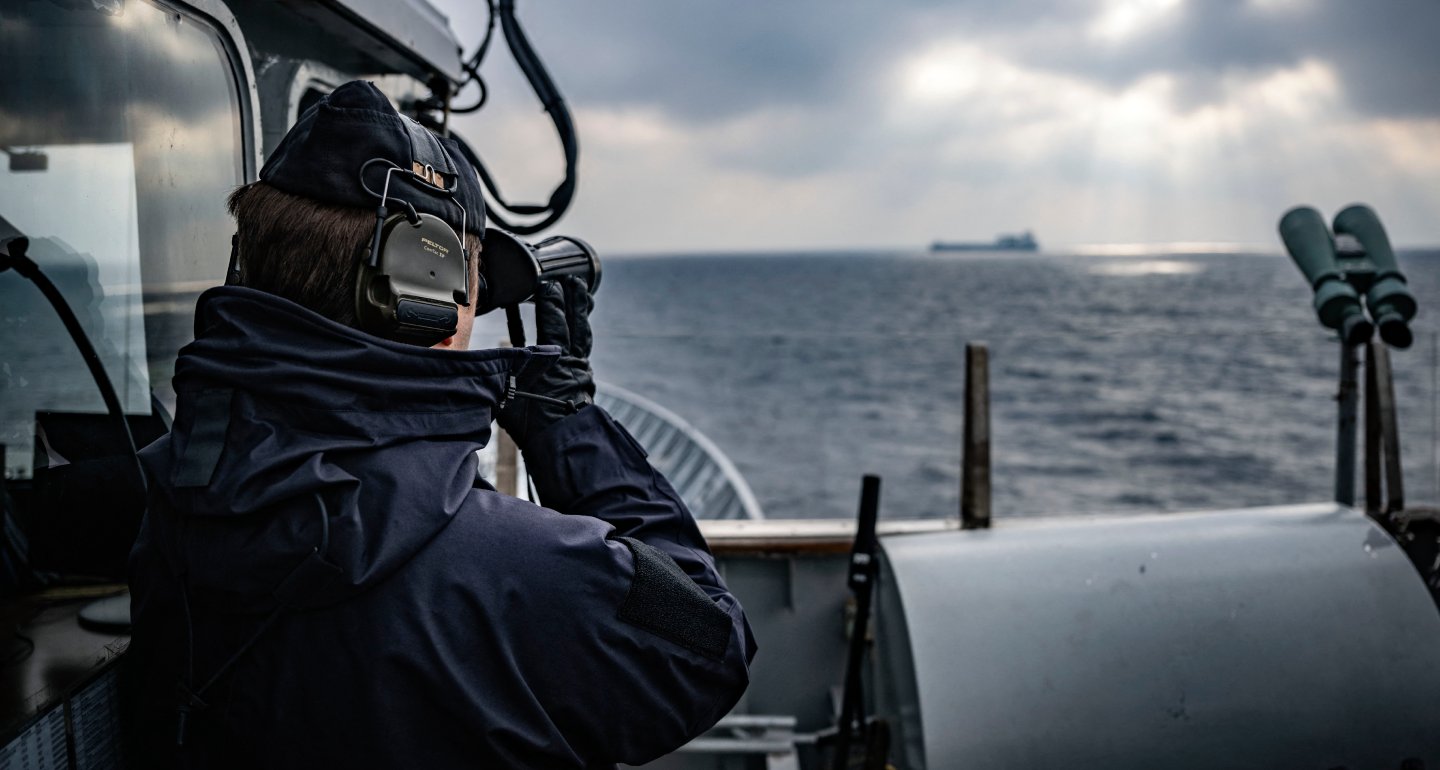
Governments in Estonia, Latvia, and Lithuania want to ensure that a U.S. military withdrawal would not leave them dangerously exposed to a Russian attack.

Sergejs Potapkins