

Q&A
Christopher Boucek
{
  "authors": [
    "Christopher Boucek"
  ],
  "type": "legacyinthemedia",
  "centerAffiliationAll": "dc",
  "centers": [
    "Carnegie Endowment for International Peace"
  ],
  "collections": [
    "Arab Awakening"
  ],
  "englishNewsletterAll": "menaTransitions",
  "nonEnglishNewsletterAll": "",
  "primaryCenter": "Carnegie Endowment for International Peace",
  "programAffiliation": "MEP",
  "programs": [
    "Middle East"
  ],
  "projects": [],
  "regions": [
    "Middle East",
    "Yemen"
  ],
  "topics": [
    "Political Reform"
  ]
}
Source: Getty
In a negotiated settlement to the political crisis and power struggle occurring in Yemen, the youth protesters who first took to the streets are likely to be cut out of any final deal, which will be made by the political elites.
Source: Viewpoint with James Zogby
The assassination attempt on Yemeni President Ali Abdullah Saleh, which resulted in his leaving the country for medical attention in Saudi Arabia, has only further complicated the political crisis in Yemen, explained Carnegie’s Christopher Boucek on Viewpoint with James Zogby. Boucek pointed out that the Yemeni constitution does not have a provision for what to do if the President is incapacitated. “The big question is whether the regime and Saleh’s son and nephews, who run the military, will be willing to give up power,” he said.
Further complicating the power struggle in Yemen is the variety of actors involved. Those who initially came out to protest--the youth, civil society, and human rights activists--were galvanized by similar issues as protesters in Egypt and Tunisia. They were eventually joined by the official opposition parties, known as the Joint Meeting Parties (JMP). Finally, elites outside of government, particularly from the al Ahmar family, have also entered the fray, introducing a new element of violence. Ultimately, said Boucek, “the youth are likely to get cut out when elites come together to make a deal and decided the political fate of Yemen.”
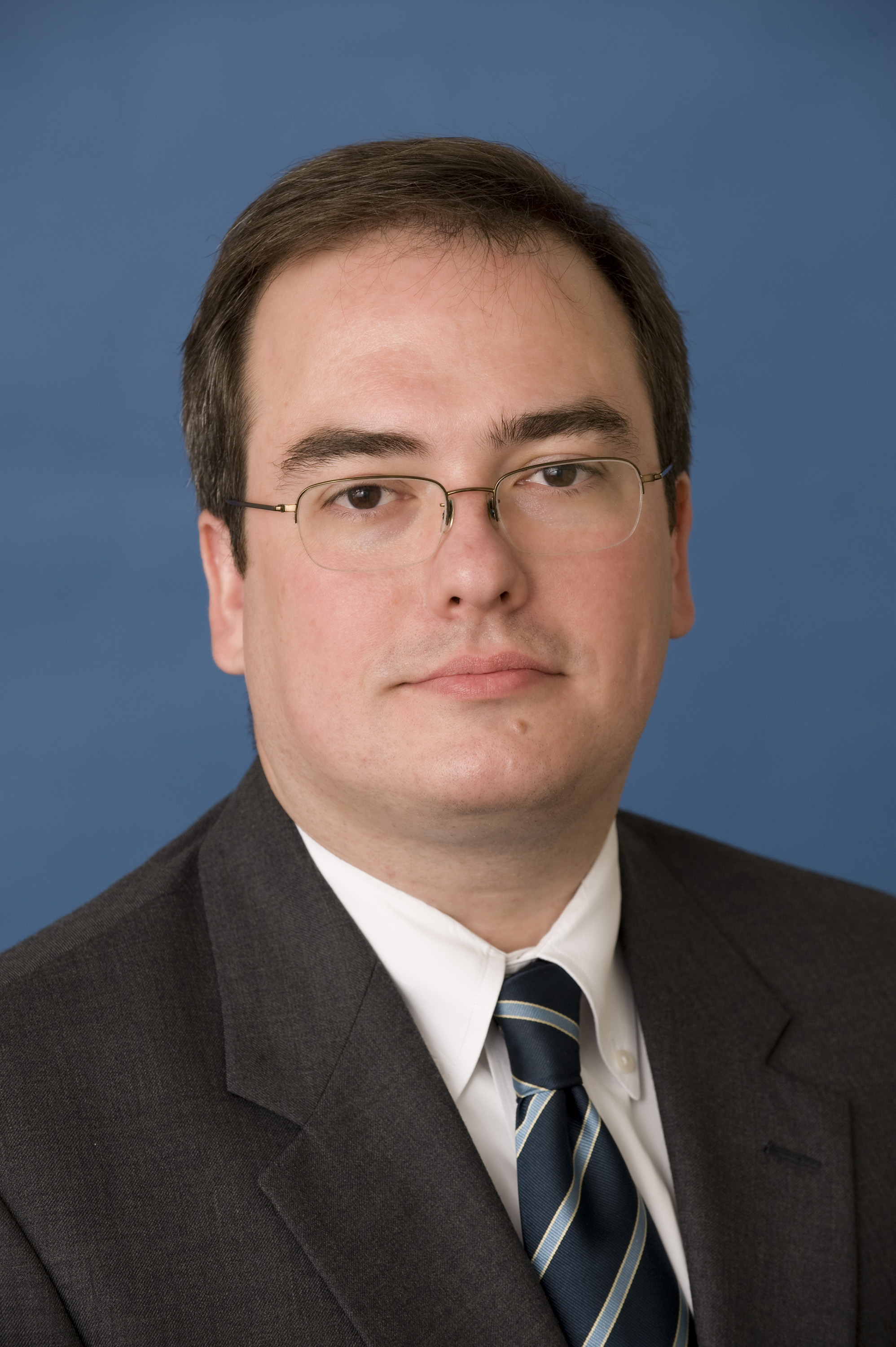
Former Associate, Middle East Program
Boucek was an associate in the Carnegie Middle East Program where his research focused on security challenges in the Arabian Peninsula and Northern Africa.
Recent Work
Christopher Boucek

Christopher Boucek, Karim Sadjadpour
Carnegie does not take institutional positions on public policy issues; the views represented herein are those of the author(s) and do not necessarily reflect the views of Carnegie, its staff, or its trustees.
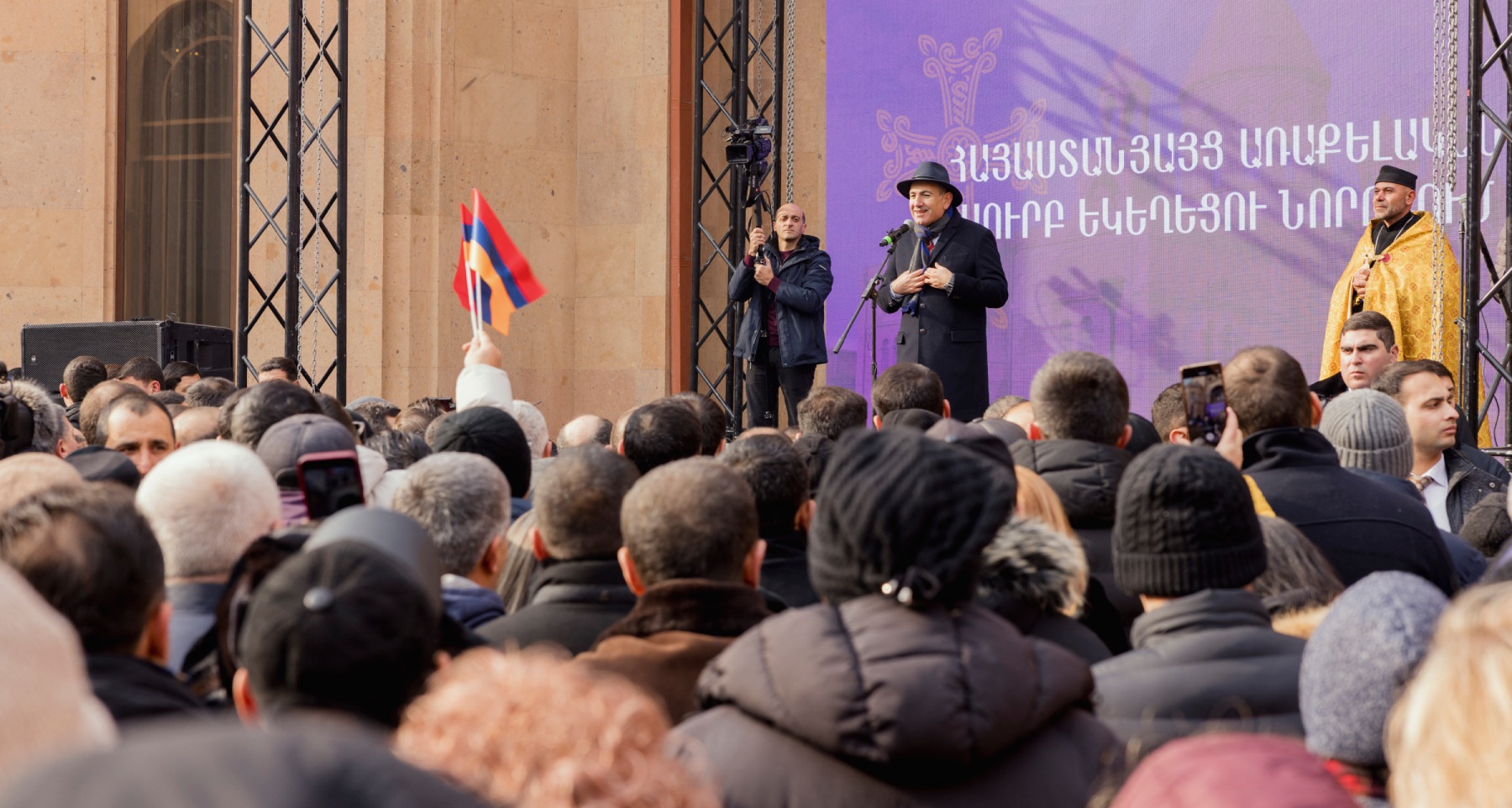
It’s true that many Armenians would vote for anyone just to be rid of Pashinyan, whom they blame for the loss of Nagorno-Karabakh, but the pro-Russia opposition is unlikely to be able to channel that frustration into an electoral victory.
Mikayel Zolyan
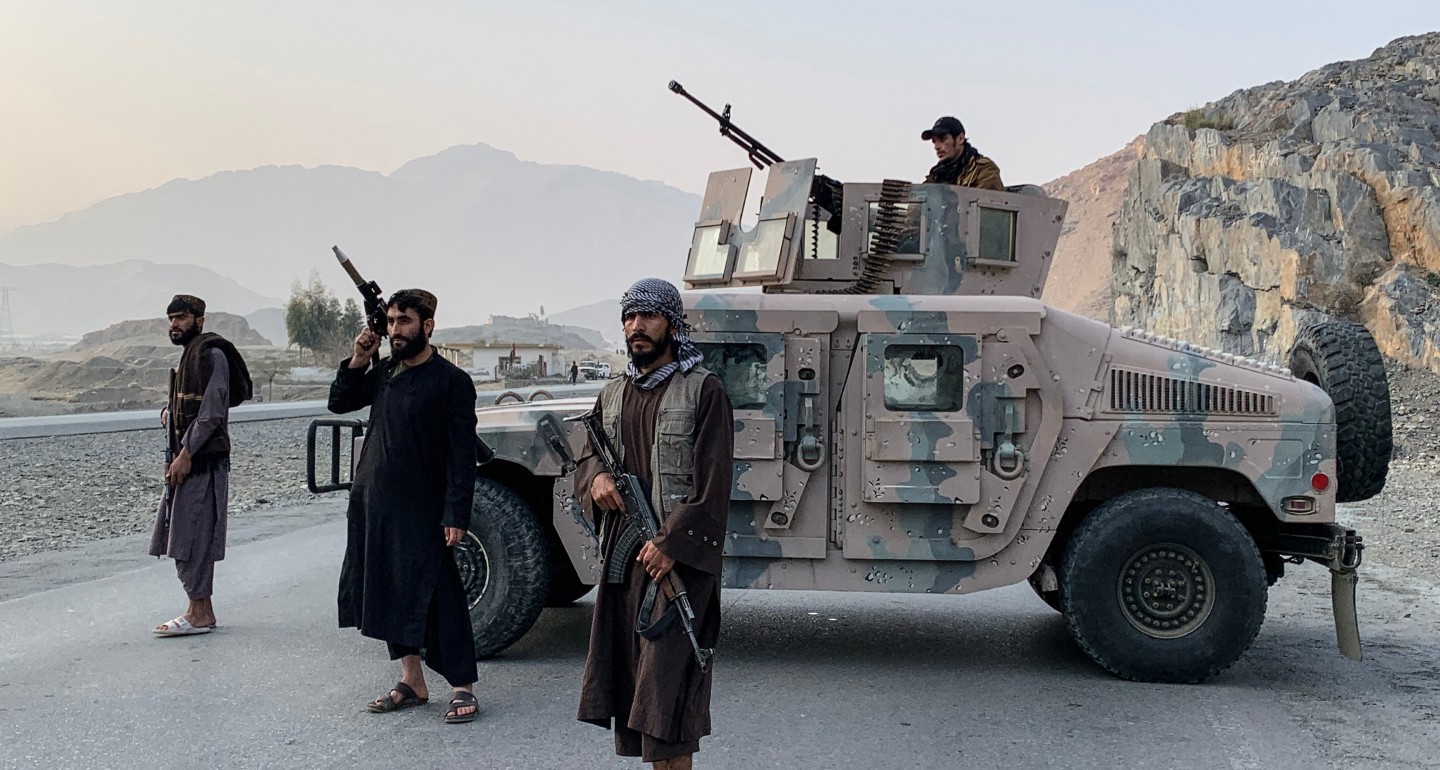
Not only does the fighting jeopardize regional security, it undermines Russian attempts to promote alternatives to the Western-dominated world order.
Ruslan Suleymanov
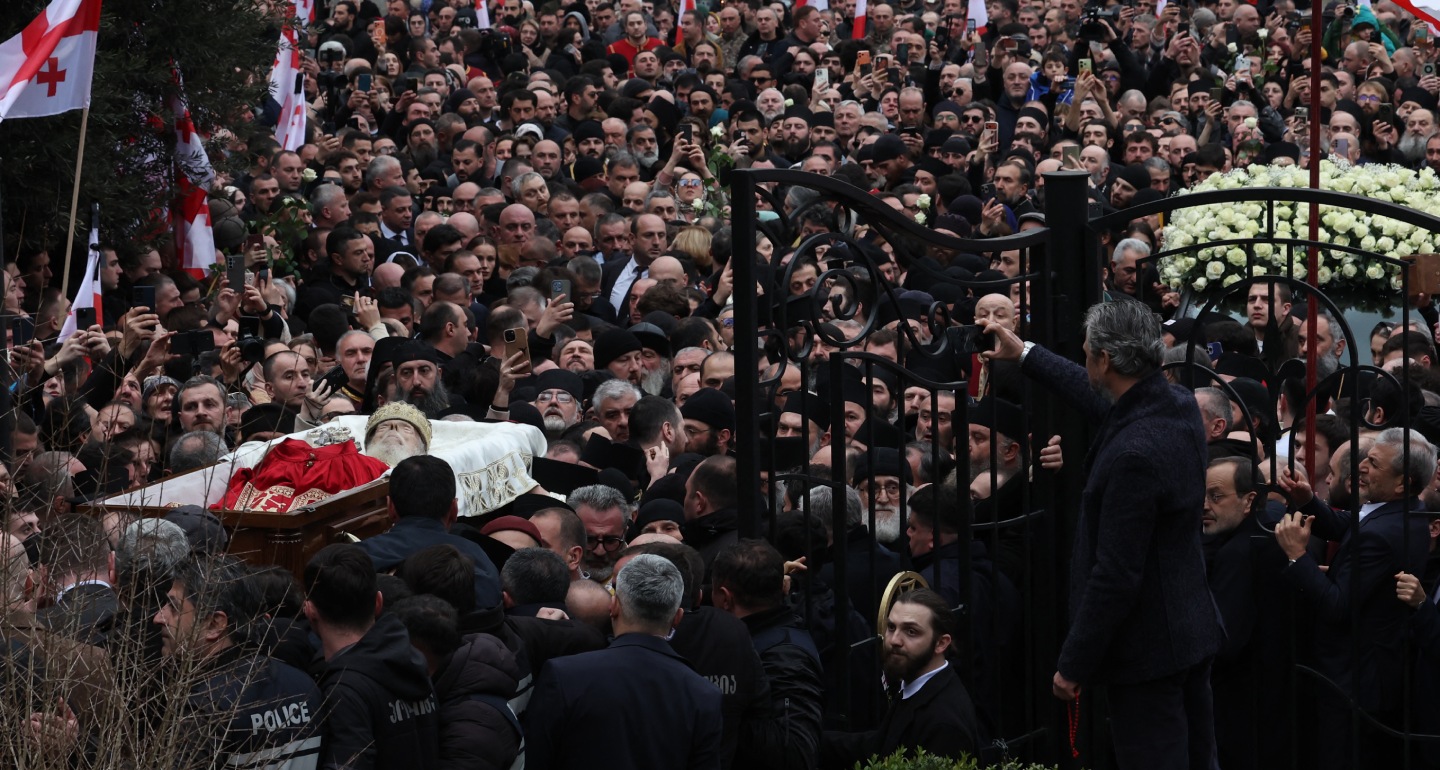
The front-runner to succeed Ilia II, Metropolitan Shio, is prone to harsh anti-Western rhetoric and frequent criticism of “liberal ideologies” that he claims threaten the Georgian state. This raises fears that under his leadership the Georgian Orthodox Church will lose its unifying role and become an instrument of ultraconservative ideology.

Bashir Kitachaev
Kazakhstan’s new constitution is an embodiment of the ruling elite’s fears and a self-serving attempt to preserve the status quo while they still can.

Serik Beysembaev

The use of technology to mobilize Russians to vote—a system tied to the relative material well-being of the electorate, its high dependence on the state, and a far-reaching system of digital control—is breaking down.

Andrey Pertsev