

Paper
Lora Saalman
{
  "authors": [
    "Lora Saalman"
  ],
  "type": "other",
  "centerAffiliationAll": "dc",
  "centers": [
    "Carnegie Endowment for International Peace",
    "Carnegie China"
  ],
  "collections": [
    "U.S. Nuclear Policy"
  ],
  "englishNewsletterAll": "ctw",
  "nonEnglishNewsletterAll": "",
  "primaryCenter": "Carnegie Endowment for International Peace",
  "programAffiliation": "NPP",
  "programs": [
    "Nuclear Policy"
  ],
  "projects": [],
  "regions": [
    "North America",
    "United States",
    "East Asia",
    "China"
  ],
  "topics": [
    "Nuclear Policy",
    "Arms Control"
  ]
}
Source: Getty
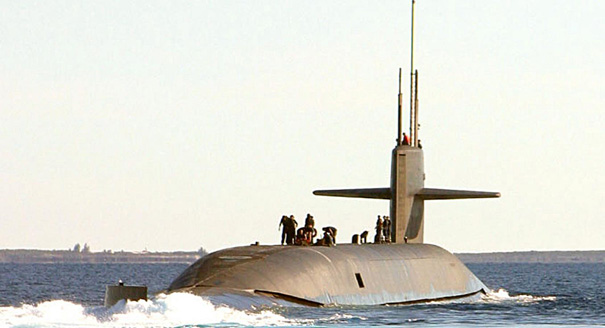
While strategic stability in China has traditionally reflected a concern for maintaining balance, the discussion has broadened in the past years to include concerns over issues such as nuclear terrorism and disarmament.
Source: Asian Institute for Policy Studies
Carnegie's Beijing-based associate Lora Saalman spoke at The Asian Institute for Policy Studies' panel on the U.S. Nuclear Posture Review. Saalman pointed out that strategic stability in China is a concept that has a lot to do with balance. Between 2000 and 2003, discussions in China focused mostly on the imbalance between China, the United States, and Russia. Today the discussions in China focus less on the strategic imbalance between China and the United States and more on the Nuclear Non-Proliferation Treaty, nuclear terrorism, disarmament, as well as extended deterrence.
Former Nonresident Associate, Nuclear Policy Program
Saalman was a nonresident associate in the Nuclear Policy Program at the Carnegie Endowment for International Peace. Her research focuses on China’s nuclear and strategic policies toward India, Russia, and arms control.
Recent Work
Lora Saalman
Lora Saalman
Carnegie does not take institutional positions on public policy issues; the views represented herein are those of the author(s) and do not necessarily reflect the views of Carnegie, its staff, or its trustees.

Trump has promised Belarus a massive potash deal. But Minsk is seeking something greater: restored Western transit and greater room for maneuver from Russia.

Balázs Jarábik

Minsk clearly expected the dialogue with Washington to yield more results, in particular the lifting of EU sanctions and permission to export potash.

Artyom Shraibman

With the growth in points of friction between the great powers, organizations like the SCO will continue to play a role in the strategic adaptation of the smaller powers caught between them.

Temur Umarov

Ongoing uncertainty in the Middle East allows Moscow to both increase its influence in Tehran and continue to enjoy the financial windfall of higher oil prices.

Nikita Smagin
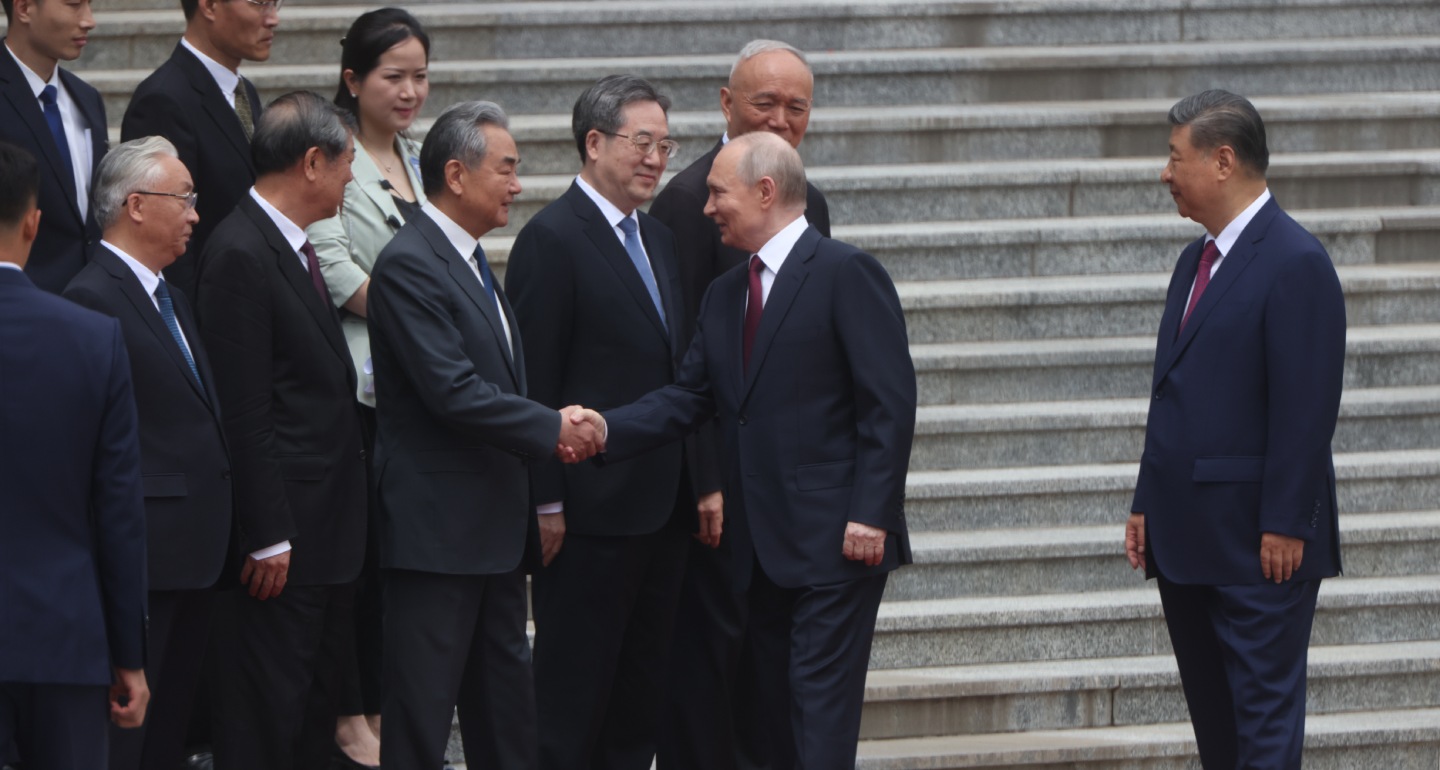
With no key agreement signed on the Power of Siberia 2 gas pipeline, there is a risk that the window of opportunity for Russia will close if Chinese power generation becomes so green that new gas sources are no longer of any interest to Beijing.

Alexander Gabuev