
• Research
  • Politika
  • About
Carnegie Russia Eurasia center logoCarnegie lettermark logo
  • Donate
{
  "authors": [
    "James M. Acton",
    "Michael S. Gerson"
  ],
  "type": "other",
  "centerAffiliationAll": "dc",
  "centers": [
    "Carnegie Endowment for International Peace"
  ],
  "collections": [
    "U.S. Nuclear Policy"
  ],
  "englishNewsletterAll": "ctw",
  "nonEnglishNewsletterAll": "",
  "primaryCenter": "Carnegie Endowment for International Peace",
  "programAffiliation": "NPP",
  "programs": [
    "Nuclear Policy"
  ],
  "projects": [],
  "regions": [
    "North America",
    "United States",
    "Caucasus",
    "Russia"
  ],
  "topics": [
    "Nuclear Policy"
  ]
}

Source: Getty

Other

Beyond New START: Advancing U.S. National Security through Arms Control with Russia

While an additional round of U.S.-Russian nuclear arms control is in the national security interest of the United States, carrying out a new round of arms control talks will be extremely difficult.

Link Copied
By James M. Acton and Michael S. Gerson
Published on Sep 6, 2011

Source: Center for Strategic & International Studies

The Next Generation Working Group (NGWG) was convened by the CSIS Project on Nuclear Issues (PONI) to study the next steps in U.S.-Russian nuclear arms control. It consists of 14 leading young academics, analysts, and officials with professional experience in arms control and other nuclear issues. The working group’s report concludes that an additional round of U.S.-Russian nuclear arms control is in the national security interest of the United States, but will be extremely difficult, given the two sides' divergent capabilities, interests, and objectives. The report lays out the key issues that are likely to be discussed and offers some practical recommendations, on both substance and process, that should allow the United States and Russia reach a mutually beneficial agreement.

About the Authors

James M. Acton

Jessica T. Mathews Chair, Co-director, Nuclear Policy Program

Acton holds the Jessica T. Mathews Chair and is co-director of the Nuclear Policy Program at the Carnegie Endowment for International Peace.

Michael S. Gerson

Center for Naval Analyses

Authors

James M. Acton
Jessica T. Mathews Chair, Co-director, Nuclear Policy Program
James M. Acton
Michael S. Gerson
Center for Naval Analyses
Nuclear PolicyNorth AmericaUnited StatesCaucasusRussia

Carnegie does not take institutional positions on public policy issues; the views represented herein are those of the author(s) and do not necessarily reflect the views of Carnegie, its staff, or its trustees.

More Work from Carnegie Russia Eurasia Center

  • Commentary
    Carnegie Politika
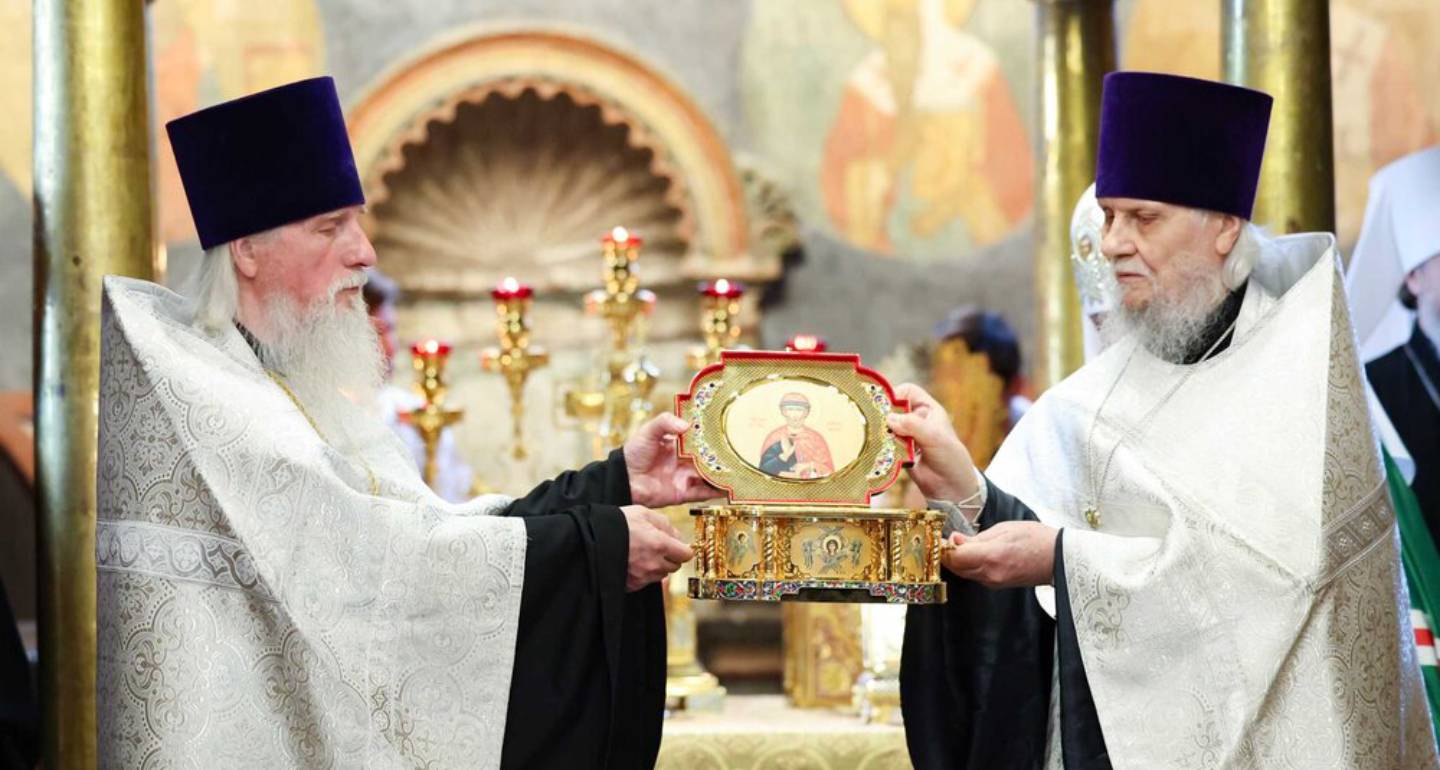
    Russia’s Orthodox Church Rewrites Rules for Venerating Saints to Help the Kremlin

    The recent uncovering of Dmitry Donskoy’s relics in the Cathedral of the Archangel is yet another attempt by the Russian Orthodox Church to help the state solve its problems. However, parroting the state’s version of Russian history leaves the Church with no message except “patriotism.”

      Alexander Zanemonets
  • Commentary
    Carnegie Politika
    As It Turns 25, the Shanghai Cooperation Organization Reflects the New World Order

    With the growth in points of friction between the great powers, organizations like the SCO will continue to play a role in the strategic adaptation of the smaller powers caught between them.

      Temur Umarov

  • Commentary
    Carnegie Politika
    How the Kremlin Turned Tech Whiz-Kid VK Into a Loss-Making State Corporation

    The war in Ukraine and a change in ownership led VK to neglect its commercial ventures in favor of implementing the Kremlin’s online agenda. Now it’s been sanctioned by the EU.

      Maria Kolomychenko

  • Commentary
    Carnegie Politika
    In Russia, Pacifism Is as Bad as Supporting the Enemy

    A regime founded on force, coercion, and repression does not want its propaganda, with all its flaws of logic, omissions, and outright lies, to be competing with the most simple of all messages: Thou shalt not kill.

      Leonid Bershidsky

  • Commentary
    Carnegie Politika
    Kremlin’s Wartime Censorship Could Prove Fatal for Russia’s Beleaguered Book Industry

    Political pressure and economic headwinds are closely intertwined problems for Russian publishers and booksellers. Together, they risk propelling Russia into a “post-literate” era.

      Galina Yuzefovich

Get more news and analysis from
Carnegie Russia Eurasia Center
Carnegie Russia Eurasia logo, white
  • Research
  • Politika
  • About
  • Experts
  • Events
  • Contact
  • Privacy
  • For Media
Get more news and analysis from
Carnegie Russia Eurasia Center
© 2026 Carnegie Endowment for International Peace. All rights reserved.