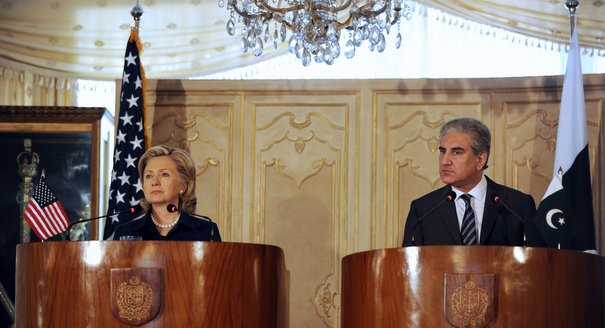
The United States should reinvent its policy toward Pakistan to focus on helping the Pakistani population achieve higher living standards and improved governance rather than enabling the country’s security forces.
Changing the Direction of U.S.-Pakistan RelationsAs the United States begins to scale back its fighting role in Afghanistan, it needs to confront the more important question of Pakistan's future. The United States has been a major player there for 60 years — more intensely so since the Sept. 11 attacks. If Pakistan is dangerously dysfunctional, Washington helped it get that way. Withdrawal from Afghanistan means that the United States will be less dependent on Pakistani supply lines into that country, giving Washington a rare opportunity to dramatically revise U.S. policies and practices in the strategically important nation.
Achieving the United States' interests in Pakistan ultimately depends on one thing: the security of Pakistanis. And the key to Pakistanis' security is internal reform. If Pakistanis are more justly governed, more educated, more employed and therefore more able to define and pursue a constructive national identity and interest, they will expunge terrorists to secure themselves.
Getting from here to there may be impossible, but it certainly will not happen if the United States continues to treat Pakistan as it has until now: mainly as an instrument for fighting or spying on territory around Pakistan. For decades that posture has had the unintended but undeniable effect of empowering Pakistan's grossly oversized and hyperactive military and intelligence services at the expense of the country's civil society and progress toward effective governance. Washington's collusion with the Pakistani security establishment has amounted to enablement — the indulgence and augmentation of a friend's self-destructive outlook and actions.
Strategic change in Pakistan will come only when people who do not share the military's psychology and parochial institutional interests acquire real power. The following four U.S. policy changes would help.
First, Washington must give up the illusion that it can change the Pakistani military's mind-set and stop offering it money to do so. Pakistanis, especially in the Inter-Services Intelligence agency, or ISI, see Afghanistan as America's war. And the ISI is obsessed with preventing America's new favorite friend, India, from gaining inroads there. Neither money nor the threat of its withdrawal will motivate the Pakistani security establishment to fight Pashtuns and other warriors who threaten Afghanistan, India and the U.S. Rather than demand and offer to pay large sums for Pakistanis to fight people they do not think are their enemies, the U.S. could concentrate support and funding on campaigns to counter extremist violence within Pakistan.
Washington could foster Pakistan's economic development, self-regard and confidence in American intentions by removing barriers to Pakistani textile and apparel exports to the United States. Americans often profess that trade is better than aid. But to protect the tiny and unviable remaining textile and apparel sector in the United States, Congress blocks efforts to lower tariffs on Pakistani imports of these goods. By removing these protectionist tariffs, Washington would help spur Pakistan's economic growth without the psychological baggage often attached to aid when it is perceived as charity. Rather than harming the tiny American export sector, Pakistan would gain at China's and other Asian exporters' expense.
The United States also needs to correct the impression that Pakistani interests and lives mean less than the interests and lives of Indians. When Indians are killed by terrorists linked to Pakistan, the U.S. rightly decries the loss of life and demands that Pakistan bring the perpetrators to justice and curtail the operations of violent extremists. But when Pakistanis and Muslims in Kashmir and other parts of India have been the victims of terrorism, pogrom-like attacks and excessive use of state force, Washington has been relatively quiescent, not wanting to complicate improving relations with India. This demoralizes and often enrages Pakistanis, undermines U.S. credibility and makes it more difficult for progressive Pakistanis to campaign against violent extremist forces in their society.
The U.S. would be wiser to join with progressive Indians and Pakistanis in decorously speaking truth to power when India does not correct injustices that undermine regional stability.
Finally, Washington would serve American and Pakistani interests by acknowledging that well-intentioned civilian development and assistance programs — Congress authorized $7.5 billion for these purposes in 2009 — are not working as intended. There is enough money, but there are so many restrictions on it, and program administrators are rotated in and out of Pakistan so frequently, that it makes the British empire look positively sensitive and innovative by comparison. The U.S. should stop — temporarily — making new project commitments in order to give itself time to work with multinational organizations and Pakistani civil society groups, business leaders and officials with grass-roots knowledge to find a way to fund programs that actually alleviate Pakistan's internal crises.
Pakistan's security establishment will remain an impediment to healing the many internal injustices and conflicts that have kept the country from realizing the hopes of its founding. But if Washington stops doing harm and makes its support of progressive Pakistanis clearer, there is a chance that Pakistanis can step forward and renew their own country.
Japan Chair for a World Without Nuclear Weapons, Senior Fellow
George Perkovich is the Japan Chair for a World Without Nuclear Weapons and a senior fellow in the Carnegie Endowment for International Peace’s Nuclear Policy Program. He works primarily on nuclear deterrence, nonproliferation, and disarmament issues, and is leading a study on nuclear signaling in the 21st century.
Carnegie does not take institutional positions on public policy issues; the views represented herein are those of the author(s) and do not necessarily reflect the views of Carnegie, its staff, or its trustees.
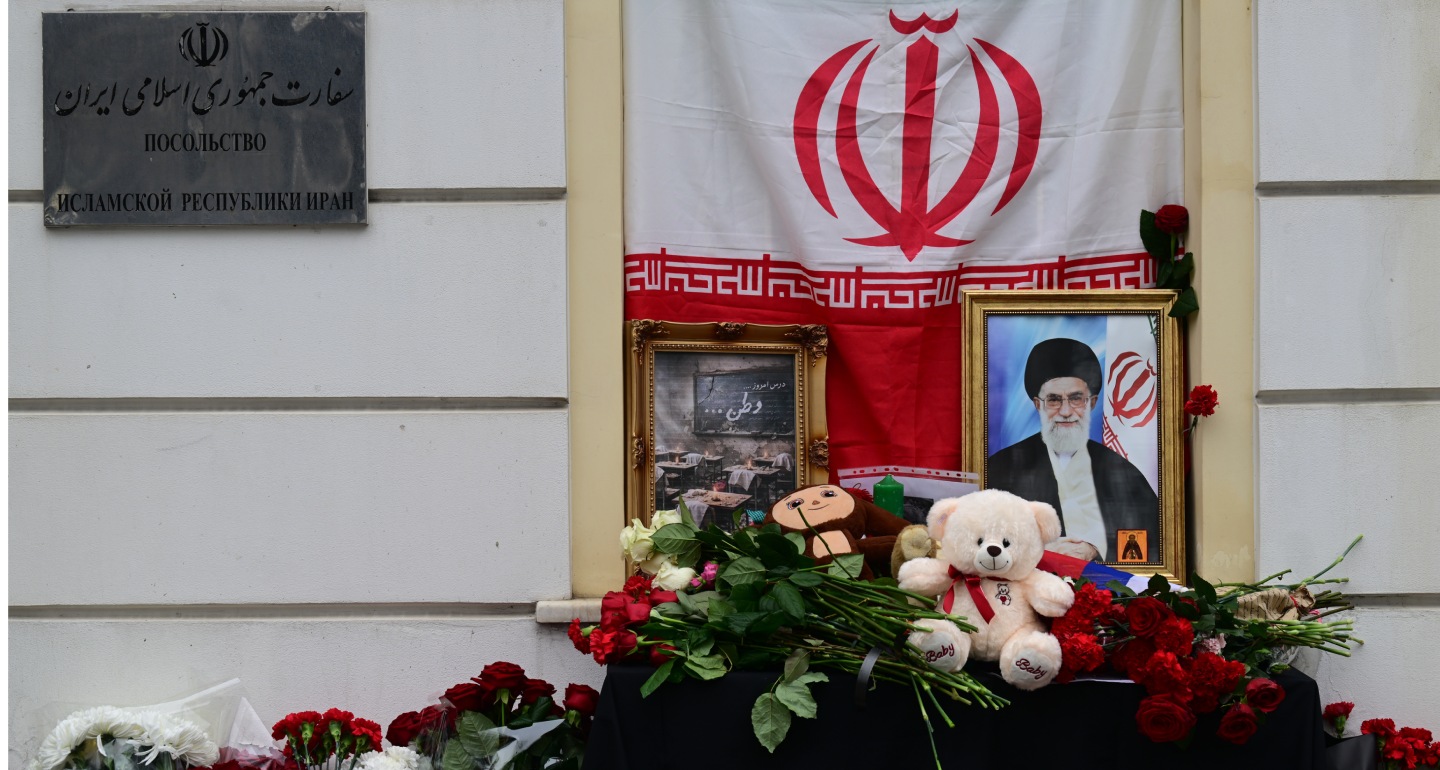
If the regime in Tehran survives, it could be obliged to hand Moscow significant political influence in exchange for supplies of weapons and humanitarian aid.