

Article
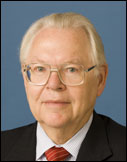
James F. Collins
{
  "authors": [
    "James F. Collins"
  ],
  "type": "legacyinthemedia",
  "centerAffiliationAll": "dc",
  "centers": [
    "Carnegie Endowment for International Peace",
    "Carnegie Russia Eurasia Center"
  ],
  "collections": [],
  "englishNewsletterAll": "ctw",
  "nonEnglishNewsletterAll": "",
  "primaryCenter": "Carnegie Endowment for International Peace",
  "programAffiliation": "russia",
  "programs": [
    "Russia and Eurasia"
  ],
  "projects": [],
  "regions": [
    "Caucasus",
    "Russia"
  ],
  "topics": [
    "Political Reform",
    "Foreign Policy"
  ]
}
Source: Getty
Given that Russian Prime Minister Vladimir Putin has probably been involved in the U.S.-Russian reset in bilateral relations, a high degree of continuity in Russian policy toward the United States is likely when he becomes president.
Source: MSNBC

“We have to assume that over the last several years Mr. Putin was ultimately involved in what President Obama has done with President Medvedev via the US-Russia ‘reset,’” Ambassador Collins argued, “so we can assume that there will be a degree of continuity.” Collins added that although Putin had a consistent message to his people and was skilled at political theater, there is still a growing popular disaffection with the Russian government.
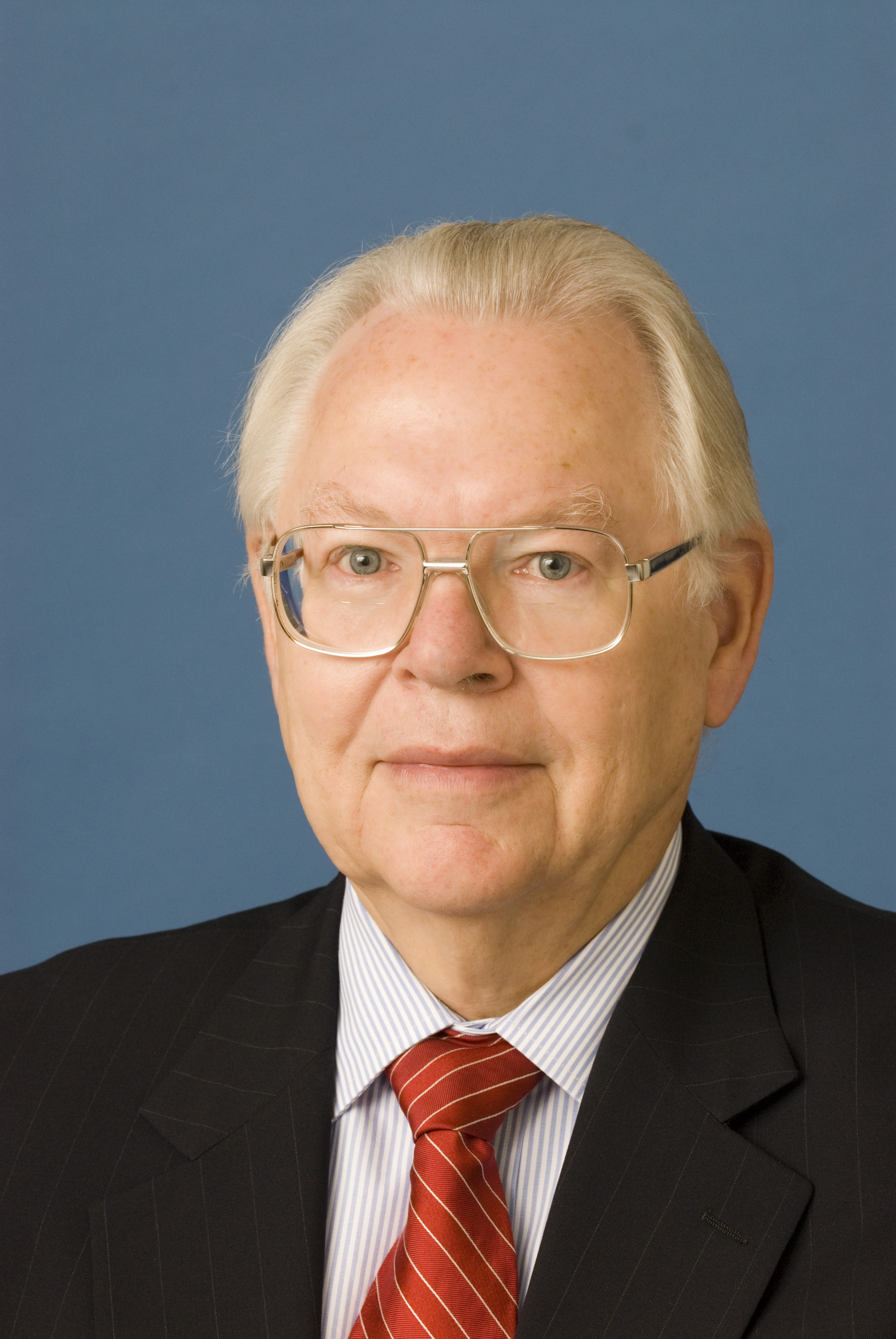
Nonresident Senior Fellow, Russia and Eurasia Program; Diplomat in Residence
Ambassador Collins was the U.S. ambassador to the Russian Federation from 1997 to 2001 and is an expert on the former Soviet Union, its successor states, and the Middle East.
Recent Work
James F. Collins
Dmitri Trenin, James F. Collins
Carnegie does not take institutional positions on public policy issues; the views represented herein are those of the author(s) and do not necessarily reflect the views of Carnegie, its staff, or its trustees.
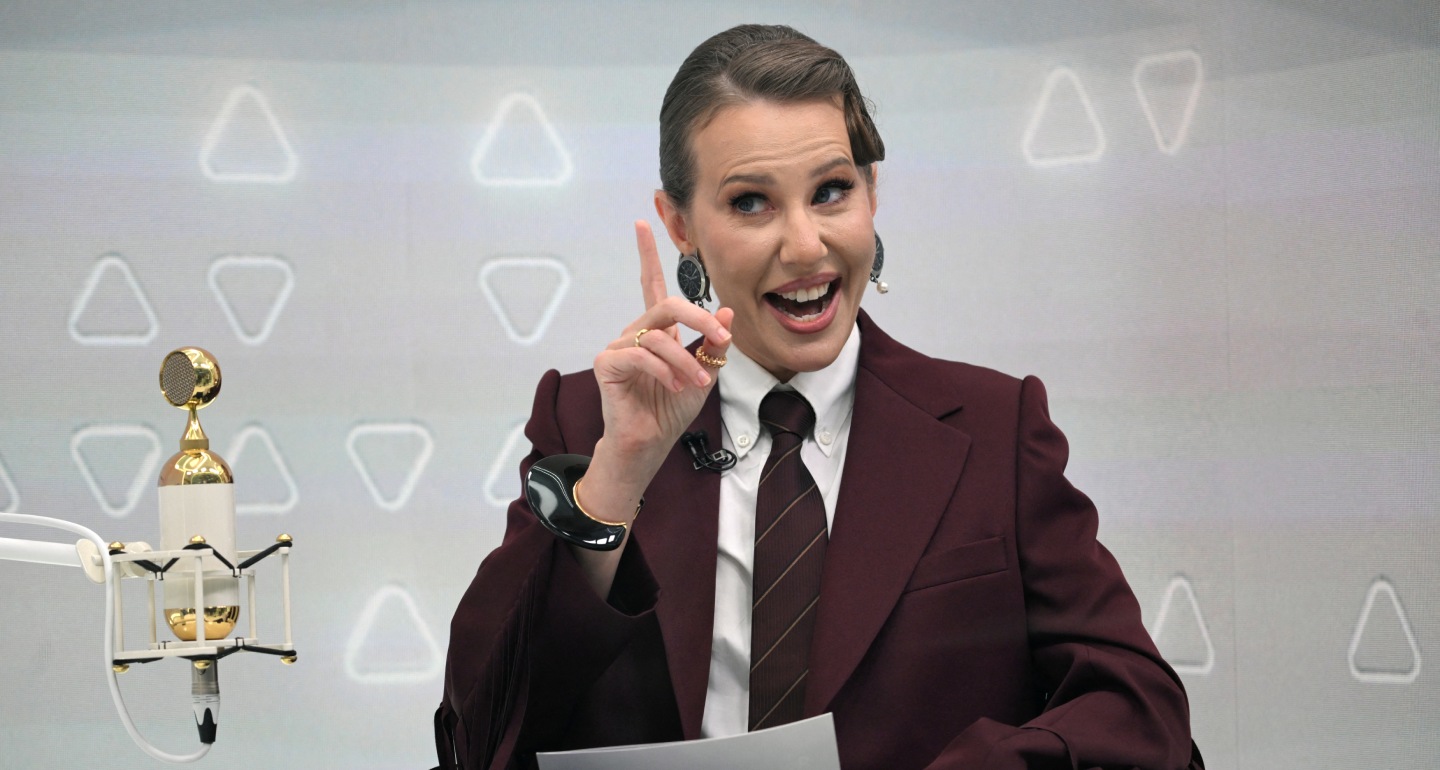
Reading the purported correspondence of celebrity Ksenia Sobchak sheds light on her role within the system, and how journalism and politics function in Putin’s Russia.
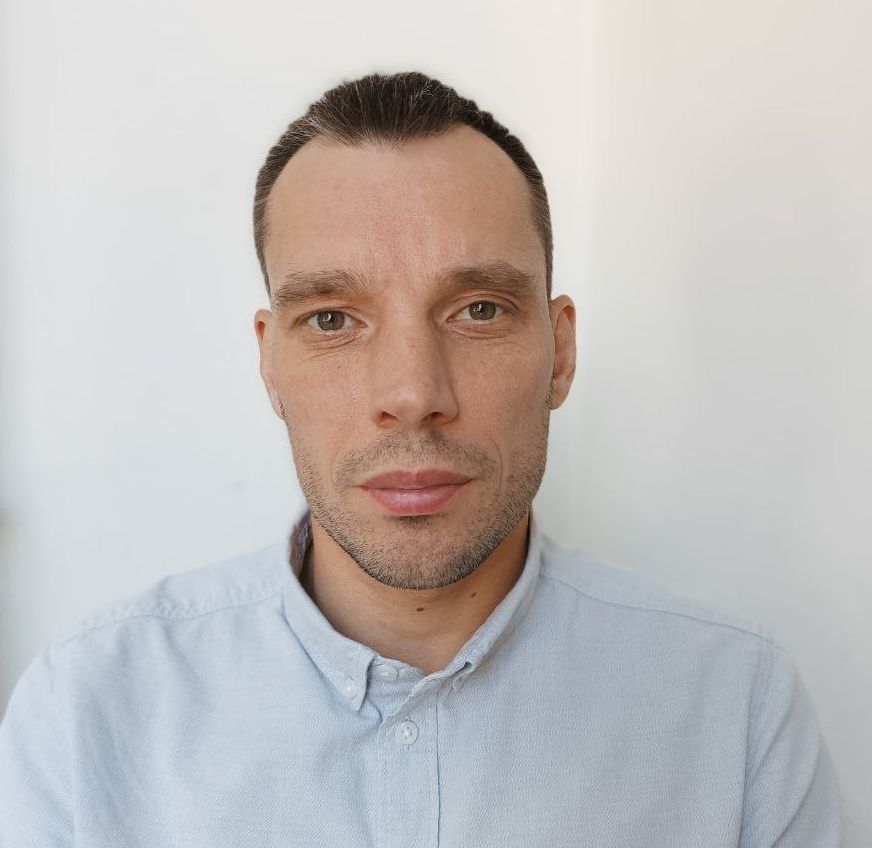
Vladislav Gorin
When political power is concentrated in the hands of a small circle of people, a country invariably ends up with technological stagnation.
Aleksei Kiselev
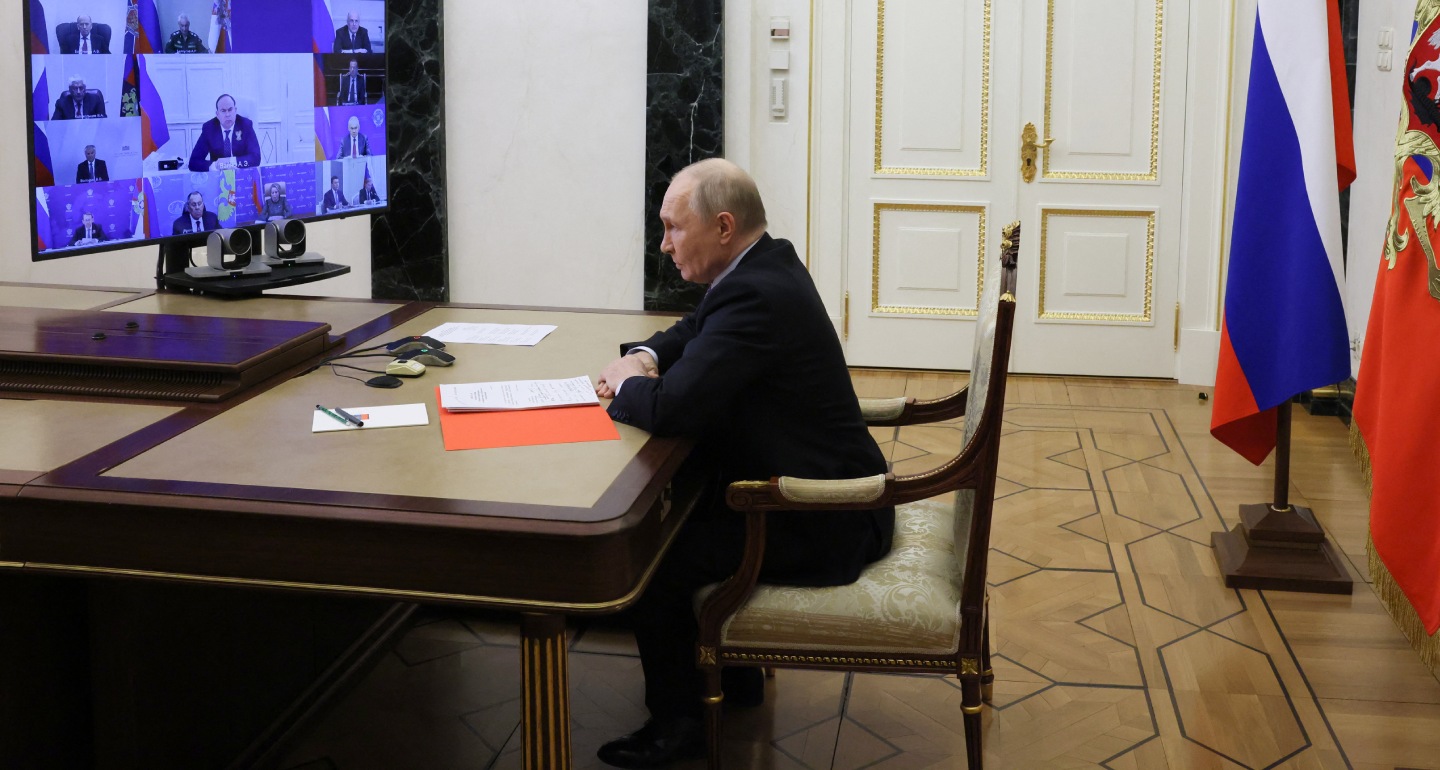
Two divergent trends—Putin’s hardline vision of how to prosecute the war in Ukraine, and a growing desire for change in Russia—could tear the regime apart.

Tatiana Stanovaya
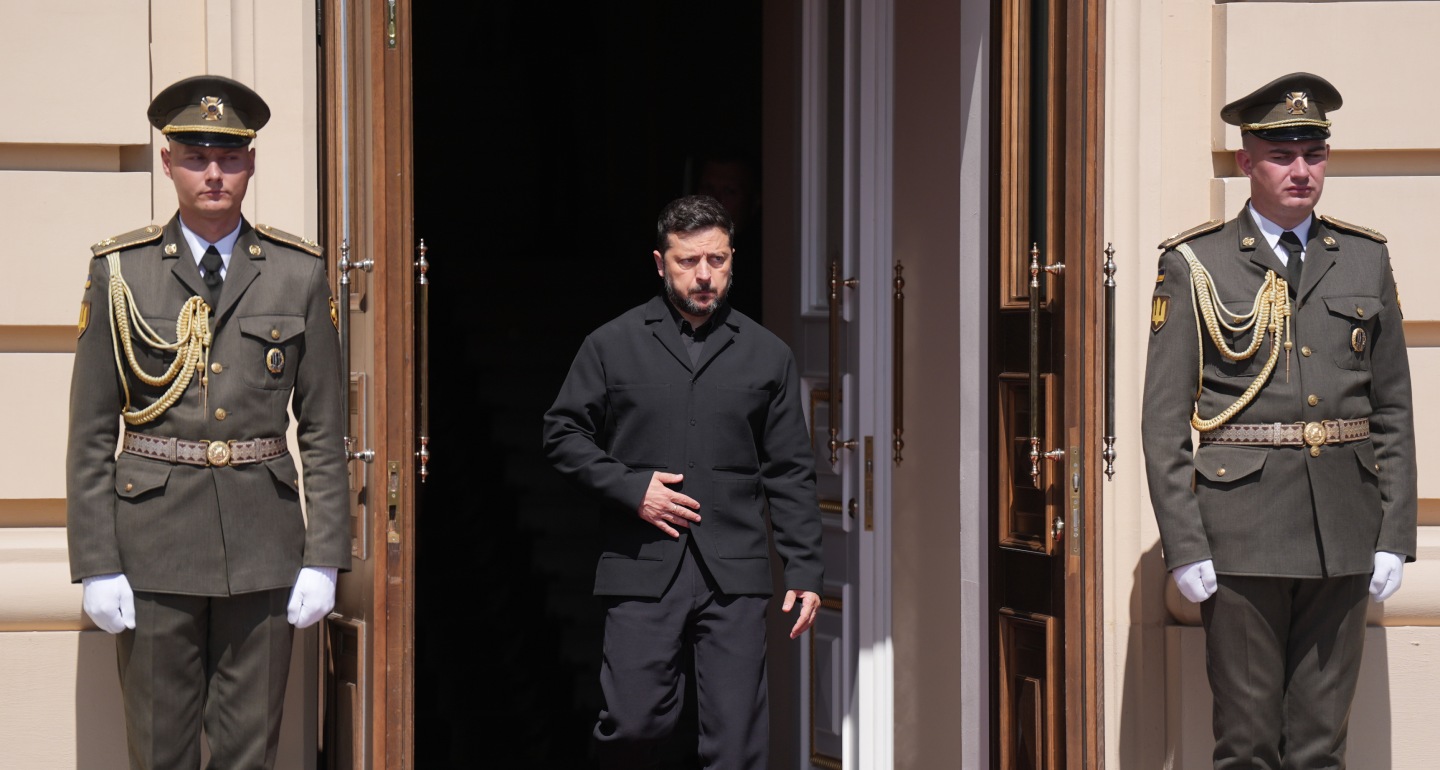
Ultimately, Zelensky sided neither with the reform camp nor with the military establishment as such, but with political control.

Balázs Jarábik
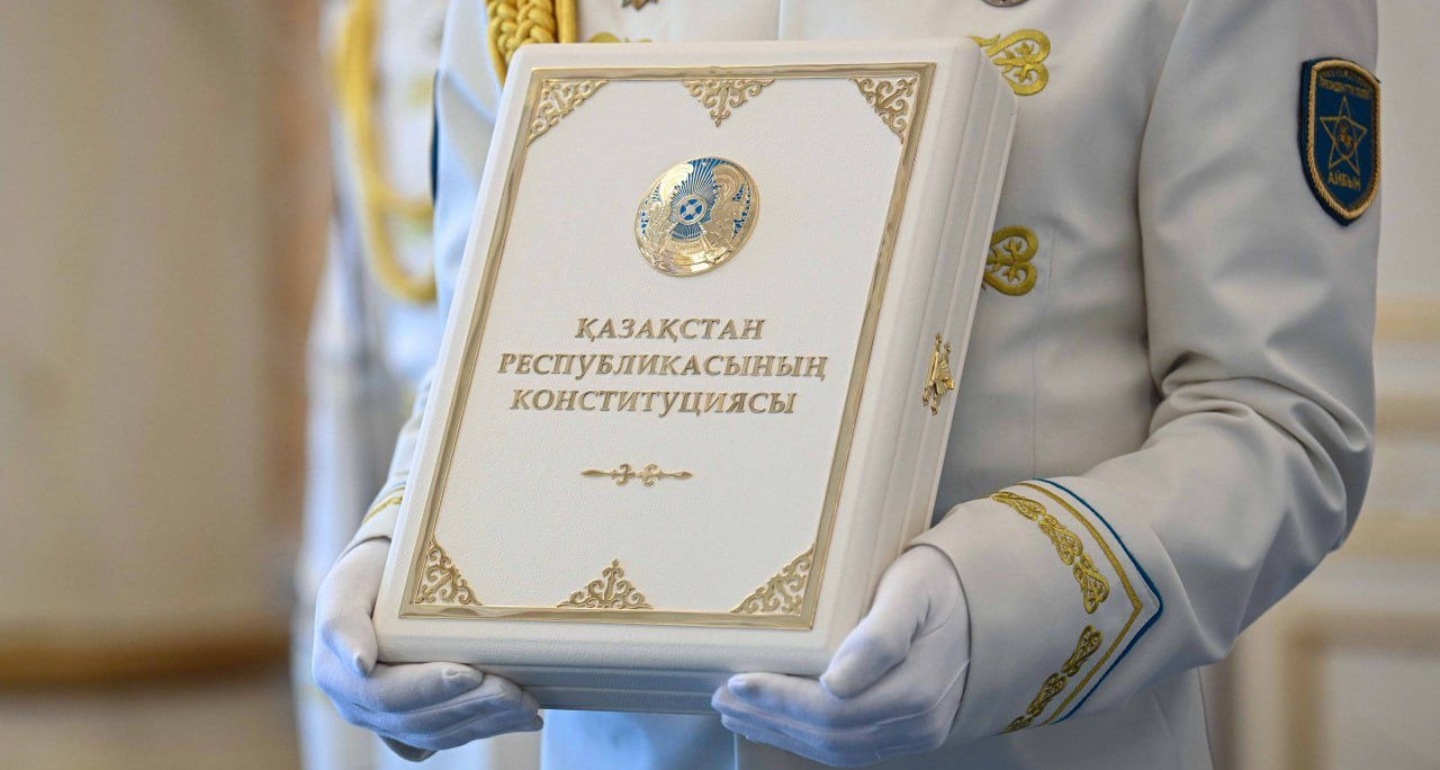
Tokayev’s predecessor, Nursultan Nazarbayev, outlined arrangements for a power transition too soon and in too much detail, ultimately losing control over the process. Tokayev is determined not to meet the same fate.

Temur Umarov