

Article
Deborah Gordon, Stephen D. Ziman
{
  "authors": [
    "Deborah Gordon"
  ],
  "type": "legacyinthemedia",
  "centerAffiliationAll": "dc",
  "centers": [
    "Carnegie Endowment for International Peace"
  ],
  "collections": [],
  "englishNewsletterAll": "ctw",
  "nonEnglishNewsletterAll": "",
  "primaryCenter": "Carnegie Endowment for International Peace",
  "programAffiliation": "SCP",
  "programs": [
    "Sustainability, Climate, and Geopolitics"
  ],
  "projects": [
    "Carnegie Oil Initiative"
  ],
  "regions": [
    "North America",
    "Caucasus",
    "Western Europe"
  ],
  "topics": [
    "Climate Change"
  ]
}
Source: Getty
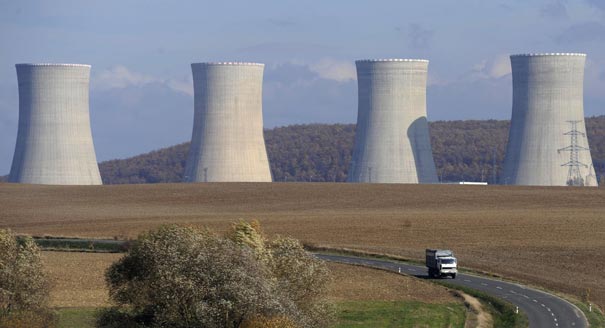
Charting a global energy future requires that world navigate the inherent risks and challenges that oil, gas, nuclear, and other energy sources portend.
Source: Finance & Development

Yergin begins his story on December 31, 1991, the day the former Soviet Union ceased to exist. Readers may wonder (as I did) why a story about energy begins in Russia, out of the spotlight of the infamous Middle East. The reason is that this energy superpower is struggling with the many blessings and curses of an oil and gas economy. Russia has the potential to redraw the world map of fossil fuels, but it still has to get its own house in order. It must become much more efficient, orderly, and organized. And Russia must dial down domestic dependence on natural resources to capitalize on its vast natural resource wealth.

Former Director and Senior Fellow, Energy and Climate Program
Gordon was director of Carnegie’s Energy and Climate Program, where her research focuses on oil and climate change issues in North America and globally.
Recent Work
Deborah Gordon, Stephen D. Ziman
Deborah Gordon, Smriti Kumble, David Livingston
Carnegie does not take institutional positions on public policy issues; the views represented herein are those of the author(s) and do not necessarily reflect the views of Carnegie, its staff, or its trustees.

Pashinyan’s pro-European party has been re-elected with a decisive victory. But the pro-Russian opposition could still slow Armenia’s progress toward peace with Azerbaijan and rapprochement with Europe.

Mikayel Zolyan
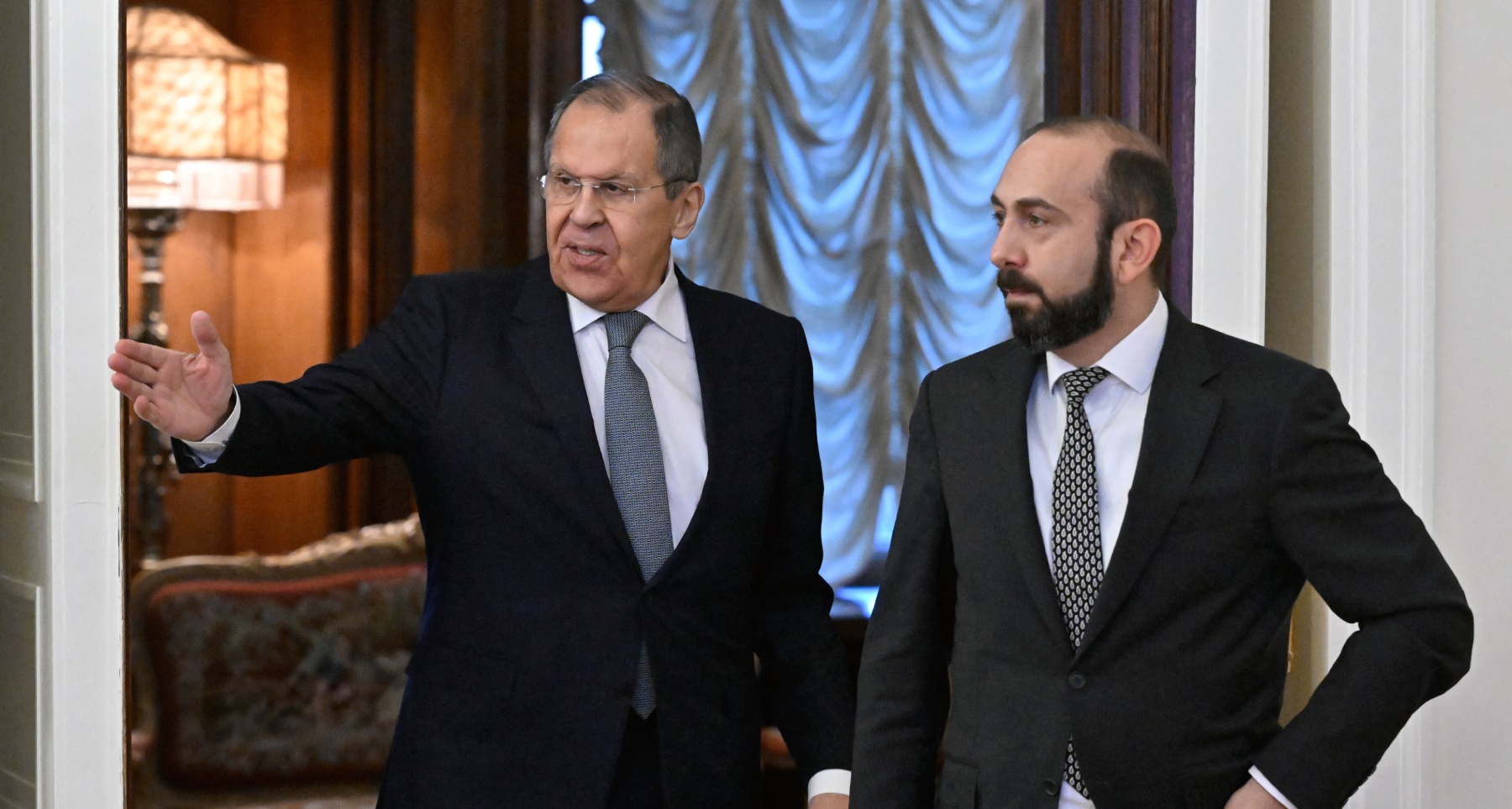
For all the menacing rhetoric, the Armenian prime minister remains a leader with whom Putin is prepared to interact: not as an ally, but as a partner, albeit a problematic one.

Alexander Atasuntsev

By fueling the arguments of both supporters and opponents of Armenian Prime Minister Nikol Pashinyan, Azerbaijan wants to ensure he is re-elected with a weaker mandate.

Bashir Kitachaev
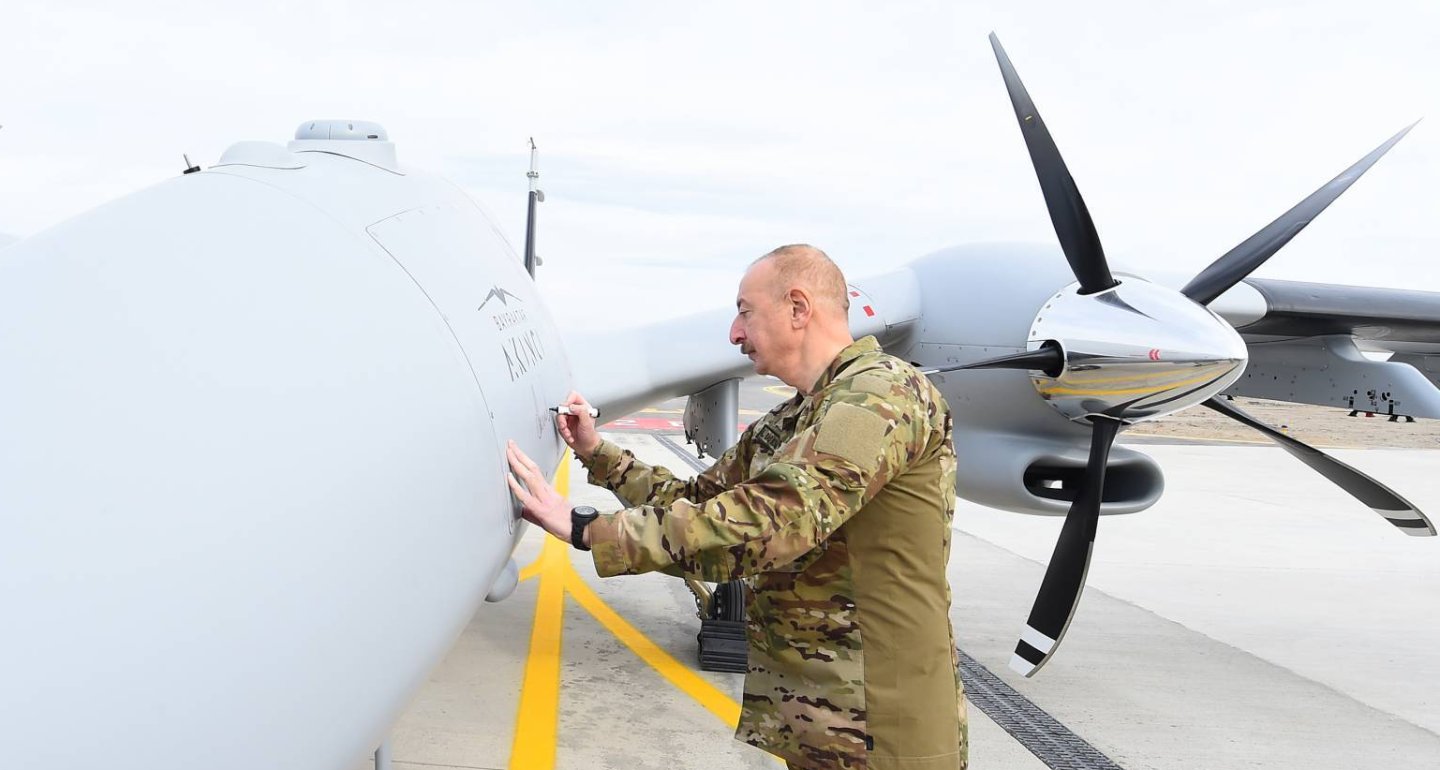
Baku’s backing for Ukraine is less about confronting Russia than about quietly broadening the mix of partners it relies on.
Zaur Shiriyev
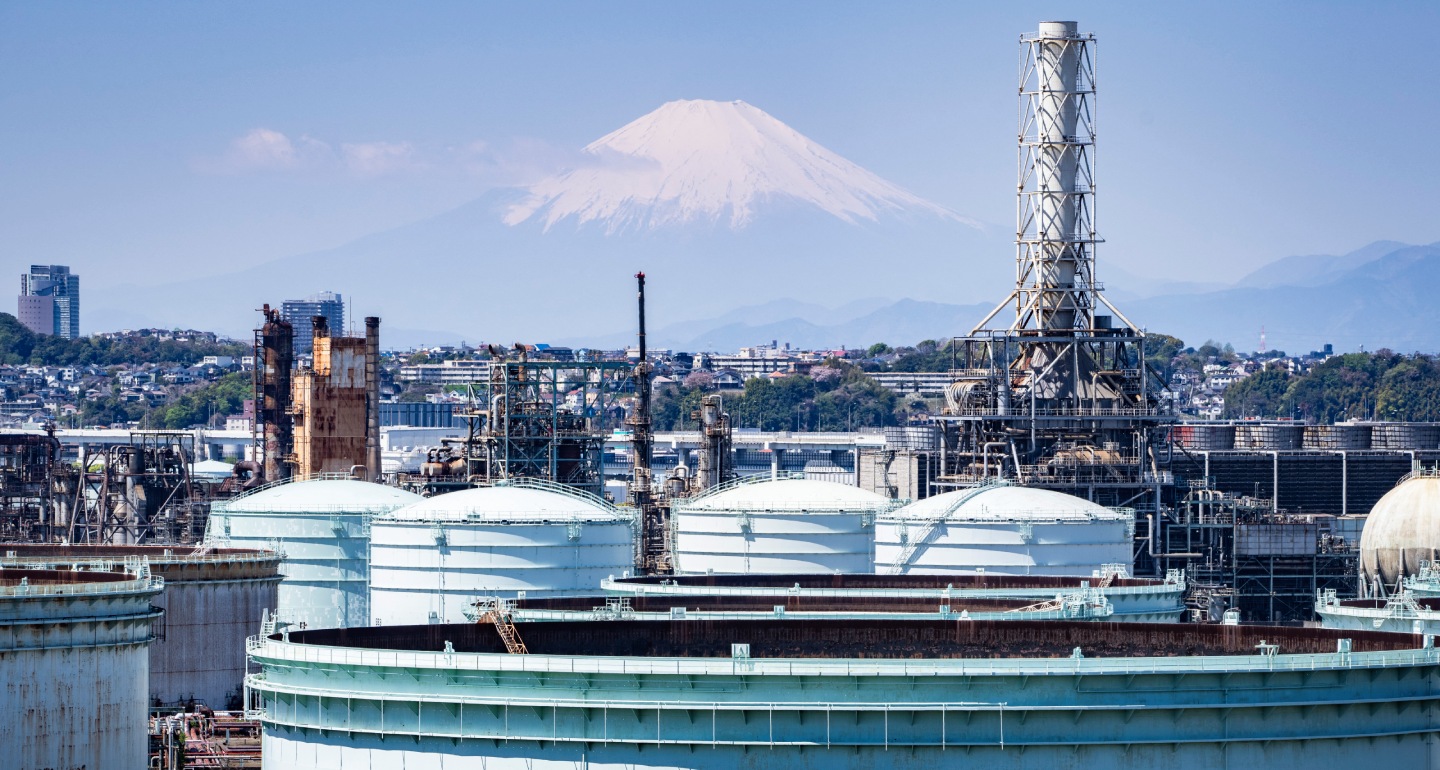
Tokyo would have to surmount a lot of obstacles—not least Western sanctions—if it wanted to return Russian oil imports to even modest pre-2022 volumes.

Vladislav Pashchenko