

Paper
Ibrahim Saif, Ahmed Ghoneim
{
  "authors": [
    "Ibrahim Saif"
  ],
  "type": "legacyinthemedia",
  "centerAffiliationAll": "",
  "centers": [
    "Carnegie Endowment for International Peace",
    "Malcolm H. Kerr Carnegie Middle East Center"
  ],
  "collections": [],
  "englishNewsletterAll": "",
  "nonEnglishNewsletterAll": "",
  "primaryCenter": "Malcolm H. Kerr Carnegie Middle East Center",
  "programAffiliation": "",
  "programs": [],
  "projects": [],
  "regions": [
    "Levant"
  ],
  "topics": [
    "Economy"
  ]
}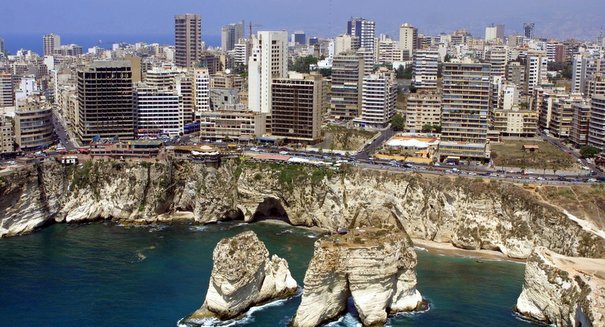
Source: Getty
Lebanon faces enormous public debt without any clear exit strategy. The country should consider new methods it can employ to restructure its debt now.
Source: The Daily Star

In an attempt to avoid complications that might arise from these situations, the government announced that its annual swapping and rescheduling of debts would take place at the end of November, earlier this year than usual. The announcement was accompanied by the issuance of a new batch of eurobonds to secure the liquidity the government needs to conduct its business. This is a familiar process that is repeated each year at different times in an attempt to adjust the large public debt.
The debt swap and the issuance of eurobonds were considered successes, especially given the current circumstances. Bankers could not hide their surprise at the demand and the interest rates offered, considering regional and international markets are experiencing a downgrade in the credit ranking of many governments, thereby raising interest rates on sovereign debt.
A number of facts about the Lebanese economy will have repercussions for a range of sectors. First of all, growth this year is expected to rise just 1.5 percent, a rate well below that of the past two years. The rosiest possible scenario would be a growth rate of no more than 2.5 percent in 2012, but no one wants to count on this number in light of the numerous local and regional changes that could deflate expectations.
Second, it is obvious that the Syrian political crisis profoundly influences commercial relations between the two countries. Most of Lebanon's land trade passes through Syria, and Lebanese banks, which do a lot of business in Syria, have seen their fortunes decline, despite the likelihood of achieving modest profits as a result of their operations in 2011. It should be noted, however, that Lebanese banks operating in Syria secure private capital for their foreign branches, and so are not expected to reflect negatively on or damage trust in other Lebanese banks. What's more, the challenges created by the sanctions imposed on Syria have been circumvented due to the responsible reaction of the Lebanese Central Bank in addition to the private banking sector. Riad Salameh, governor of the BDL, Lebanon’s central bank, has made it clear that the Lebanese banking system is clean of any Syrian public funds and thus is not endangered by any restrictions imposed on them.
Third, the Lebanese Canadian Bank crisis and the consequences that resulted from it have undoubtedly made Lebanese banks more stringent in terms of credit facilities. Earlier this year, the Treasury Department sanctioned the bank for laundering money for Hezbollah. And according to a senior banker in Lebanon, Lebanese banks have exaggerated their reactions to this turn of events. They have become “unnecessarily” strict when it comes to granting of such facilities, especially to individuals.
All of this shows that despite the many sticks thrown in the wheel of the Lebanese economy, the outcome has been generally better than expected. The early debt-swap deal at favorable rates, the limited effect of the sanctions on Lebanese banks, and the adamant cooperation of Lebanese authorities in the Lebanese-Canadian Bank crisis are all signs that the system is surviving. However, in addition to the many economic problems in the country, the limited growth prospects this year clearly indicate that something needs to be done.
According to data from the Ministry of Finance, the value of Lebanon’s public debt rose to about LBP 80.496 trillion ($53.7 billion) by the end of August, an increase of LBP 1.198 trillion from what it was during the same period last year. It should also be noted that the decline in domestic debt in the portfolio of commercial banks has coincided with a rise in domestic debt in local currency in the central bank’s portfolio. The Ministry of Finance issued $1.2 billion in eurobonds on August 2 in the two groups: the first $500 million due in November 2016 at an interest rate of 4.75 percent, the lowest interest rate achieved by Lebanon on the issuance of foreign currency since 1994; and the second $700 million with an interest rate of 6.2 percent, through the reopening of a eurobond due in October 2022 at an interest rate of 6.1 percent. Demand for bonds was four times the value of bonds on offer, with foreign investors obtaining 21 percent of all bonds issued.
Lebanon's debt will remain high by all standards, but the problem is not related to interest rates currently paid on bonds and loans; rather, it has to do with the enormity of the steadily growing public debt and the lack of a clear strategy to deal with it. Current expenses such as public wages and social security, which make up the largest portion of overall spending, are left unchanged. Even taking into consideration predictions of moderate growth either this year or next, domestic revenue is not expected to grow enough to lead to a surplus in the budget that might be put toward reducing the ratio of debt to gross domestic product, or at least stop the debt from creeping any higher.
This reality indicates that the indebtedness of Lebanon will remain a thorny issue that will result in future challenges for the country. If the regional situation was to worsen and the margin of risk widen, Lebanon would have to consider alternatives to ensure the availability of liquidity and monetary stability as it suffers from the expected rise in interest rates.
These changes and facts indicate that now is best time for Lebanon to address its public debt and renegotiate some loans while thinking about new methods it can use to raise funds to restructure its debt. Due to the ambiguity of this period, it is considered more favorable to act now. The near future will be fraught with many dangers, while the debt, consuming so much foreign currency revenue, continues to drag down the economy.
This article originally appeared in Arabic in The Daily Star.

Former Senior Associate, Middle East Center
Saif is an economist specializing in the political economy of the Middle East. His research focuses on international trade and structural adjustment programs in developing countries, with emphasis on Jordan and the Middle East.
Recent Work
Ibrahim Saif, Ahmed Ghoneim
Ibrahim Saif, Muhammad Abu Rumman

Powerful lobbyists and inertia led to Russia’s coal-mining sector missing an excellent opportunity to solve its structural problems.
Alexey Gusev
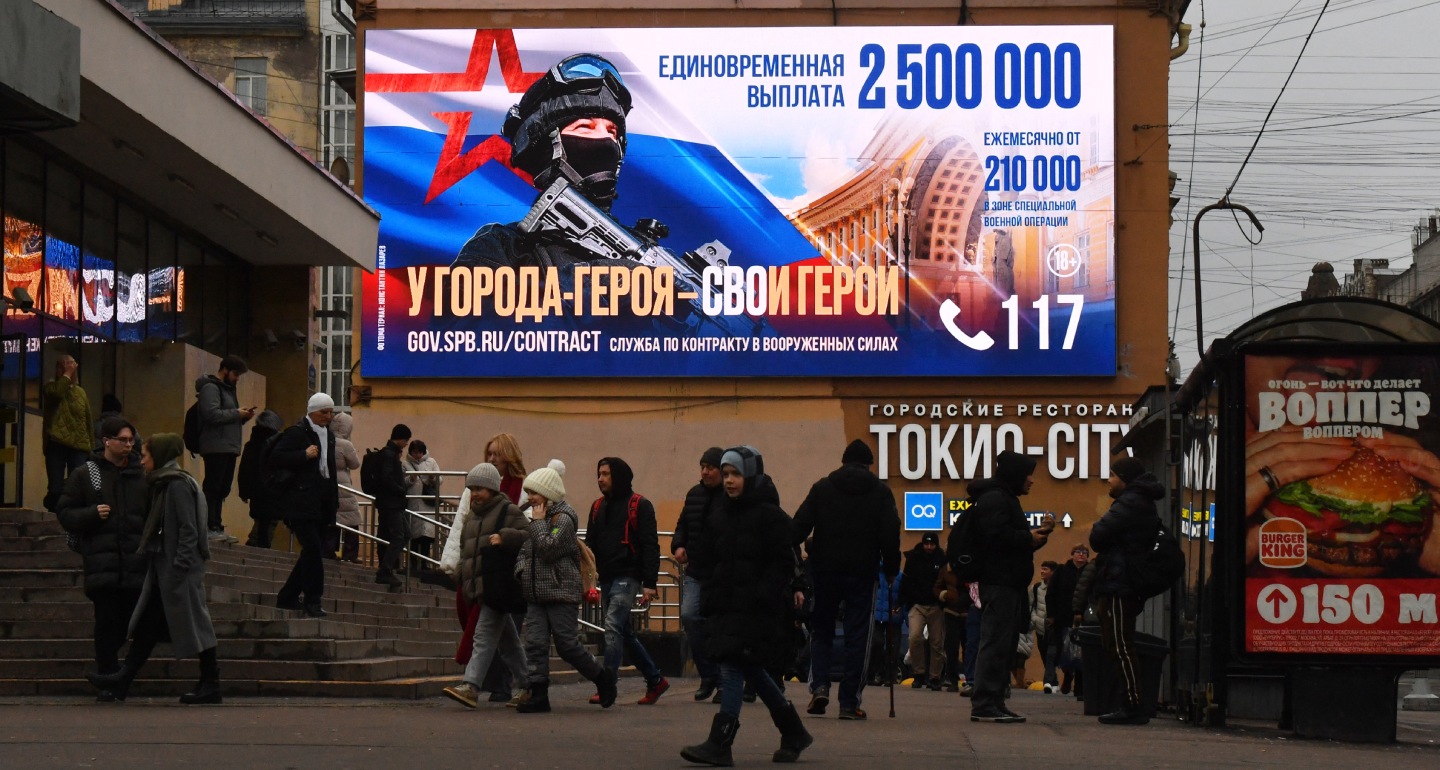
The Russian army is not currently struggling to recruit new contract soldiers, though the number of people willing to go to war for money is dwindling.

Dmitry Kuznets
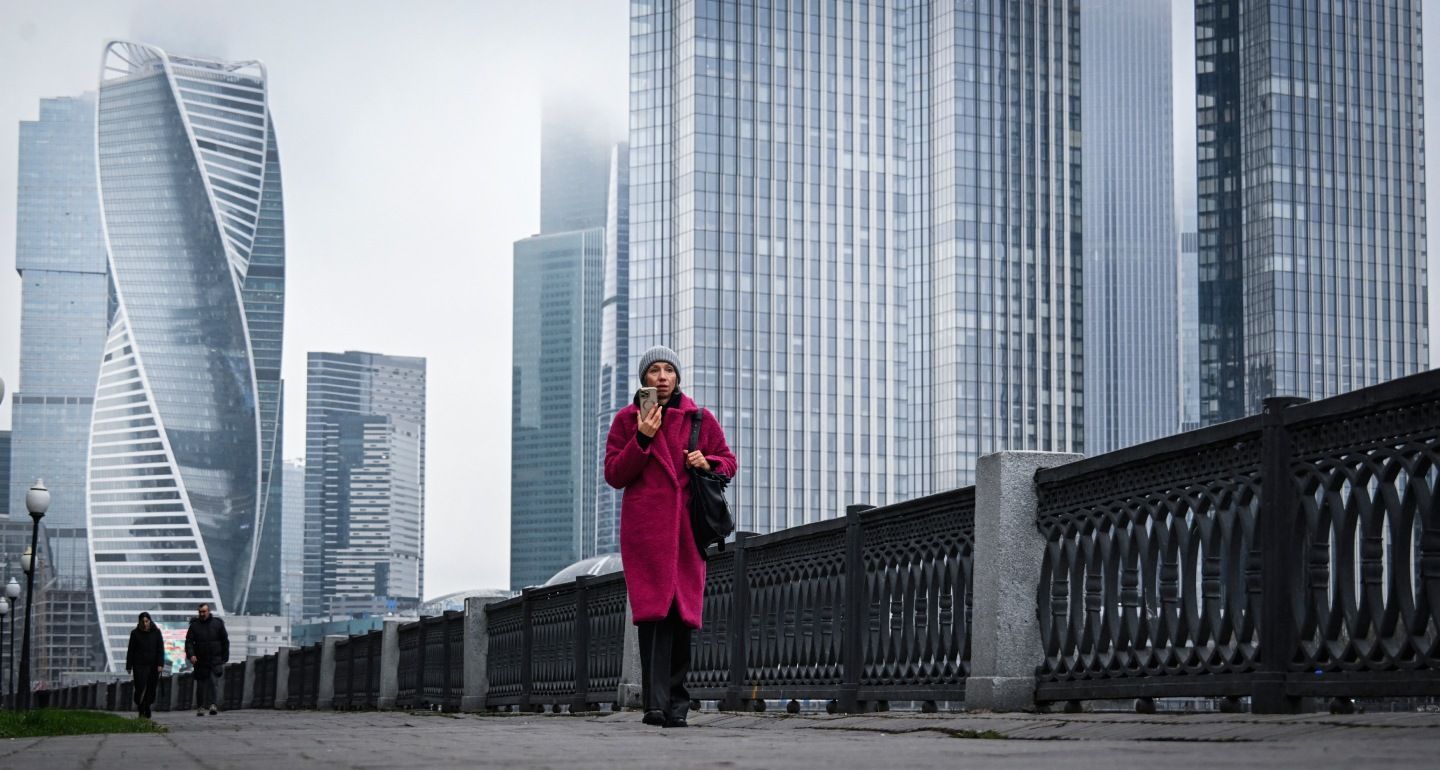
The paradox of the European Commission’s decision is that the main victims will not be those it formally targets. Major Russian businesses associated with the Putin regime have long adapted to sanctions with the help of complex schemes involving third countries, offshore companies, and nonpublic entities.
Alexandra Prokopenko
A new book by Alexandra Prokopenko looks at why the Russian ruling class became the regime’s willing servants—and how they might fare in a post-Putin world.
Vladislav Gorin
The volume of frozen private assets might seem insignificant compared with Russia’s sovereign reserves, but these are the savings of millions of people who believed that foreign securities were a safe investment and in the institution of private property.
Yulia Starostina