

In The Media
David Rothkopf
{
  "authors": [
    "David Rothkopf"
  ],
  "type": "legacyinthemedia",
  "centerAffiliationAll": "",
  "centers": [
    "Carnegie Endowment for International Peace"
  ],
  "collections": [],
  "englishNewsletterAll": "",
  "nonEnglishNewsletterAll": "",
  "primaryCenter": "Carnegie Endowment for International Peace",
  "programAffiliation": "",
  "programs": [],
  "projects": [],
  "regions": [
    "North America",
    "United States"
  ],
  "topics": [
    "Economy",
    "Trade"
  ]
}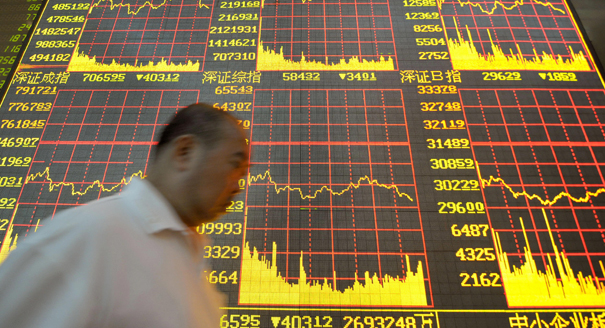
Source: Getty
In the future, the Anglo-American view of cutthroat capitalism may become less influential, giving way to a global consensus that there should be a greater role for the state in the marketplace.
Source: Financial Times

The irony is that the future of free markets will not be determined by the alpha capitalists of Davos, nor will it take the form that has been assumed at recent high-powered summits. The outcomes are likely to surprise many and be different from what we had been led to believe was likely a few years ago.
After the cold war, many thought we had resolved the big questions about the relationship between public and private power. The leave-it-to-the-government view of Marxists had failed. The leave-it-to-the-market view of the disciples of Milton Friedman had triumphed. But their victory dance was premature. Not only had we not reached the end of history, we were entering a new phase of the centuries-old public-private contest for power: an era of competing capitalisms.
Now, in addition to the economic Darwinism of the Anglo-American model, and capitalism “with Chinese characteristics”, there is “Eurocapitalism”; the “democratic development capitalism” of India and Brazil, with their strong social agendas to go with their growth aspirations; and the small-state entrepreneurial capitalism of Singapore, the Gulf states and Israel.
About all we can safely predict is that the Anglo-American view will become less influential and a global consensus is likely to emerge that there should be a greater role for the state in the marketplace.
For try as they might, even the most ardent free-marketeers cannot ignore the growing worldwide appreciation for the comparative advantages of alternative approaches. Scandinavian social safety nets provide more comfort in dealing with the fallout from globalisation than patchy US labour market policies. Governments such as the UAE boost business growth by playing a private equity role. Singapore’s regular strategic reviews identify and promote its comparative advantages.
History teaches us that as economic power shifts, intellectual influence follows. It is important to acknowledge that virtually all Asian models of capitalism involve a more active role for government. And the rise of these models is taking place as the US approach is discredited by abuse, shrivelling opportunities and a shrinking middle class. Among the alternatives, the US model is now the outlier.
It seems likely – and given our recent experience in the US, fortunate – that 21st-century capitalism will look less and less like the economic Darwinism celebrated on Wall Street. Instead, it will look more like an Asian-led hybrid of the alternatives, with a recognition that markets and companies are granted the freedoms and privileges they have by virtue of the degree to which they directly and measurably improve the quality of life for society at large, not just for the few.
The eurozone crisis underscores the need for activist governments to follow the more disciplined models of Europe’s north. But to suggest, as Mitt Romney has, that policy failures in southern Europe are an indictment of all socially orientated market policies, is to ignore the overwhelming message from the global marketplace. The US is wrong on the right balance between public and private power. The rest of the world stands ready to define capitalism in new and strikingly different ways.
Former Visiting Scholar
David Rothkopf was a visiting scholar at the Carnegie Endowment as well as the former CEO and editor in chief of the FP Group.
Recent Work
David Rothkopf
David Rothkopf
Carnegie does not take institutional positions on public policy issues; the views represented herein are those of the author(s) and do not necessarily reflect the views of Carnegie, its staff, or its trustees.
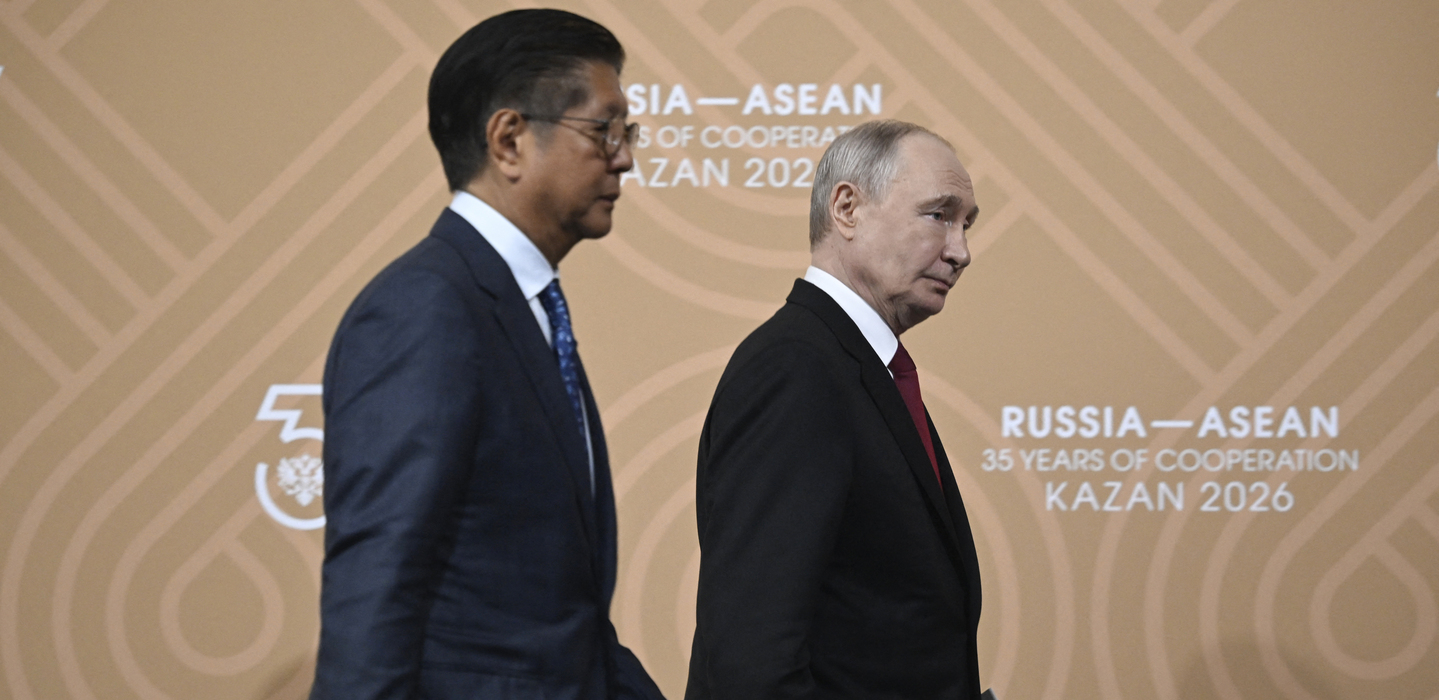
Russia looks set to reap economic benefits from closer ties with Southeast Asian countries that are keen to find reliable energy suppliers and diversify trade ties.

Alexander Gabuev
Ongoing uncertainty in the Middle East allows Moscow to both increase its influence in Tehran and continue to enjoy the financial windfall of higher oil prices.

Nikita Smagin
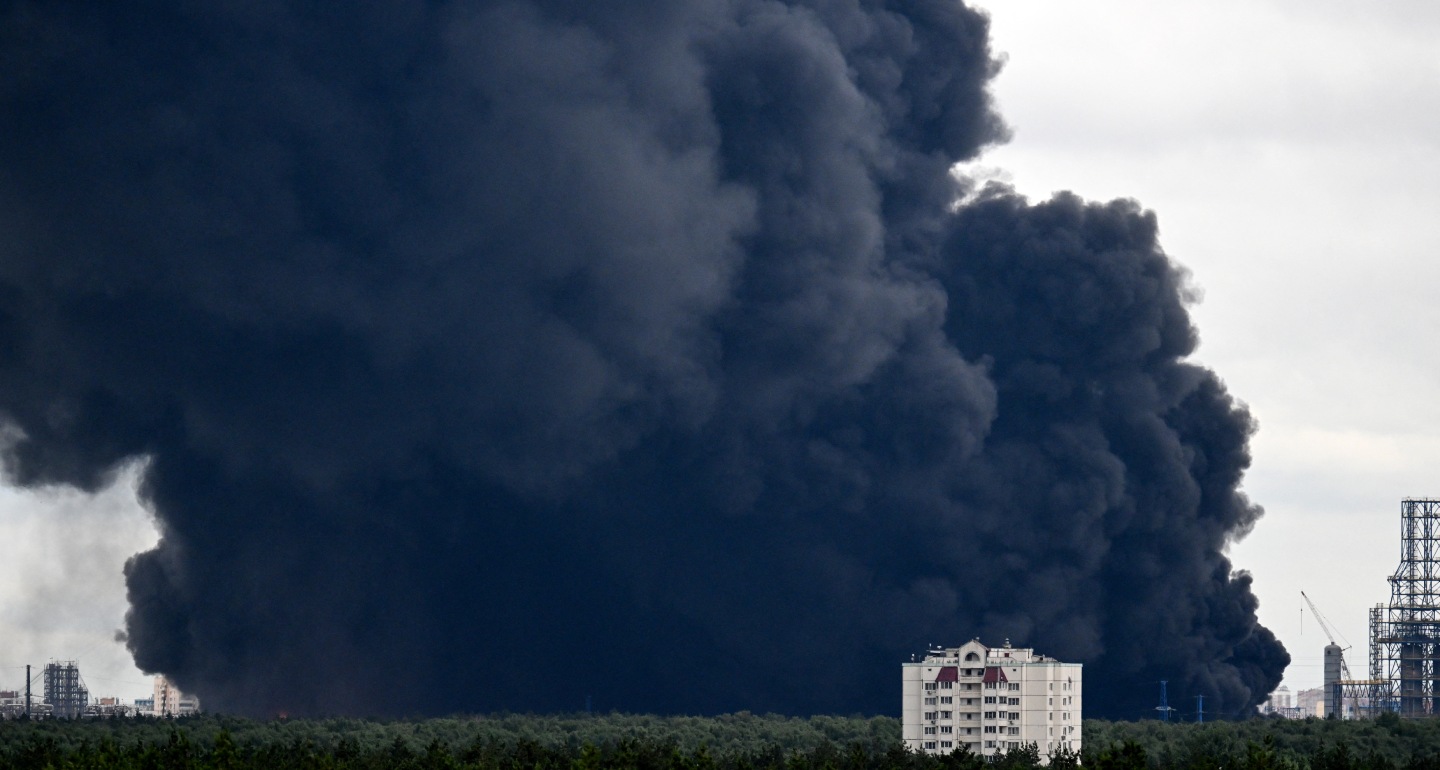
If it proves impossible for the Russian authorities to avoid a gasoline deficit, the question then becomes how they will organize the distribution of a scarce resource.

Sergey Vakulenko
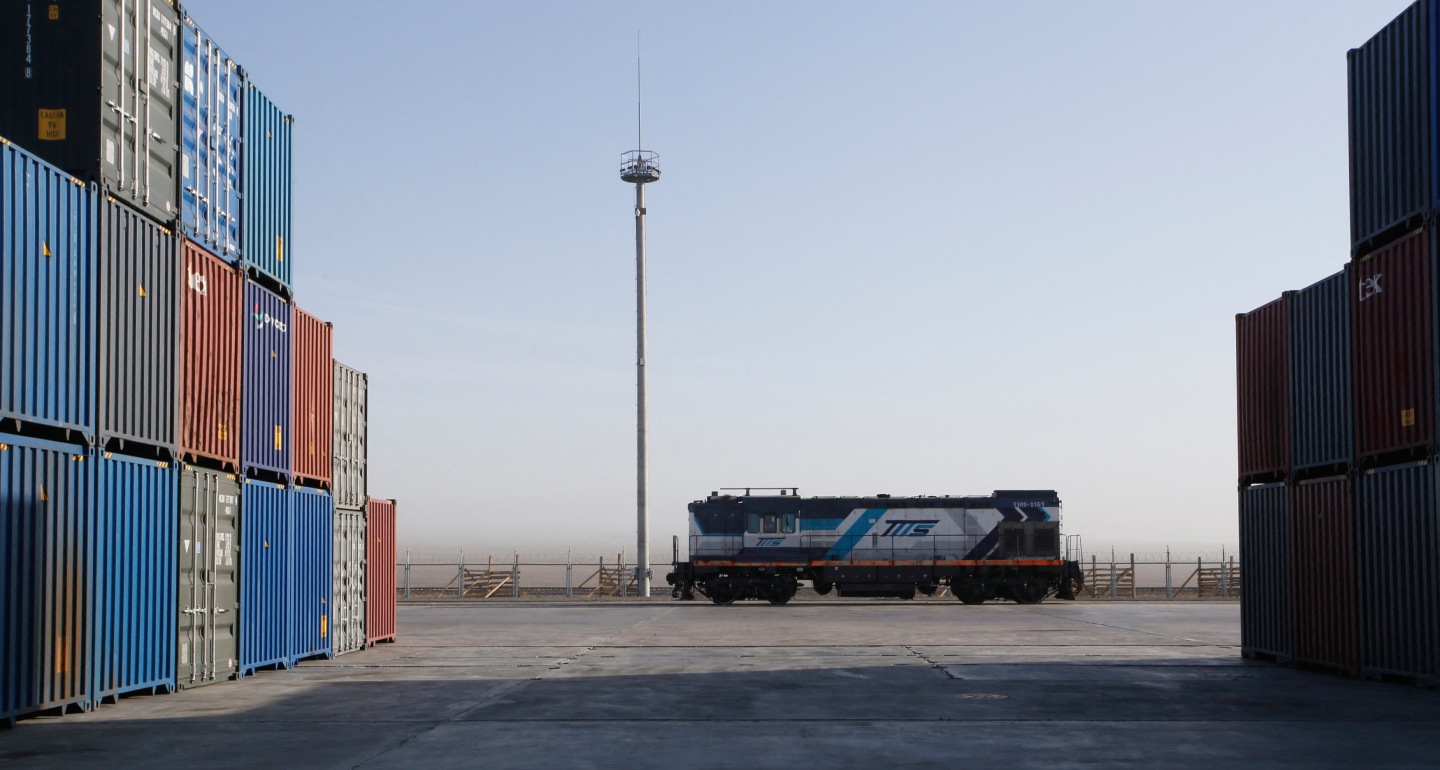
This year’s wars have made alternative routes to transit through Russia no less risky for Central Asian countries.

Galiya Ibragimova
A much-discussed disagreement over internet restrictions in Russia was never an existential threat for Putin: It was about elite groups protecting their interests.

Alexandra Prokopenko