

Commentary
If the Russian-speaking community in Latvia cannot articulate their interests without being seen as disloyal, they could end up embracing a pro-Kremlin agenda.
Sergejs Potapkins
{
  "authors": [
    "Matthew Rojansky",
    "Igor Munteanu",
    "William Hill"
  ],
  "type": "commentary",
  "centerAffiliationAll": "dc",
  "centers": [
    "Carnegie Endowment for International Peace"
  ],
  "collections": [],
  "englishNewsletterAll": "ctw",
  "nonEnglishNewsletterAll": "",
  "primaryCenter": "Carnegie Endowment for International Peace",
  "programAffiliation": "russia",
  "programs": [
    "Russia and Eurasia"
  ],
  "projects": [],
  "regions": [
    "Eastern Europe",
    "Moldova"
  ],
  "topics": []
}
REQUIRED IMAGE
Prolonged political stalemate in Moldova raises questions about the country’s ability to stay the course of reform despite the lack of immediate and gratifying results.
Prolonged political stalemate in Moldova raises questions about the country’s ability to stay the course of reform despite the lack of immediate and gratifying results. At the same time, December’s election of Yevgeny Shevchuk—a new and younger face in Transnistria—has again raised hopes for normalization of the decades-old conflict with the breakaway region. Is Moldova’s political deadlock proof that the democratic process is working or evidence of a failing system? Is Russia losing the ability to impose its own flagging brand of “sovereign democracy” in nearby separatist enclaves? What can the United States do to encourage Moldova’s slow, but steady progress toward greater implementation of Helsinki commitments?
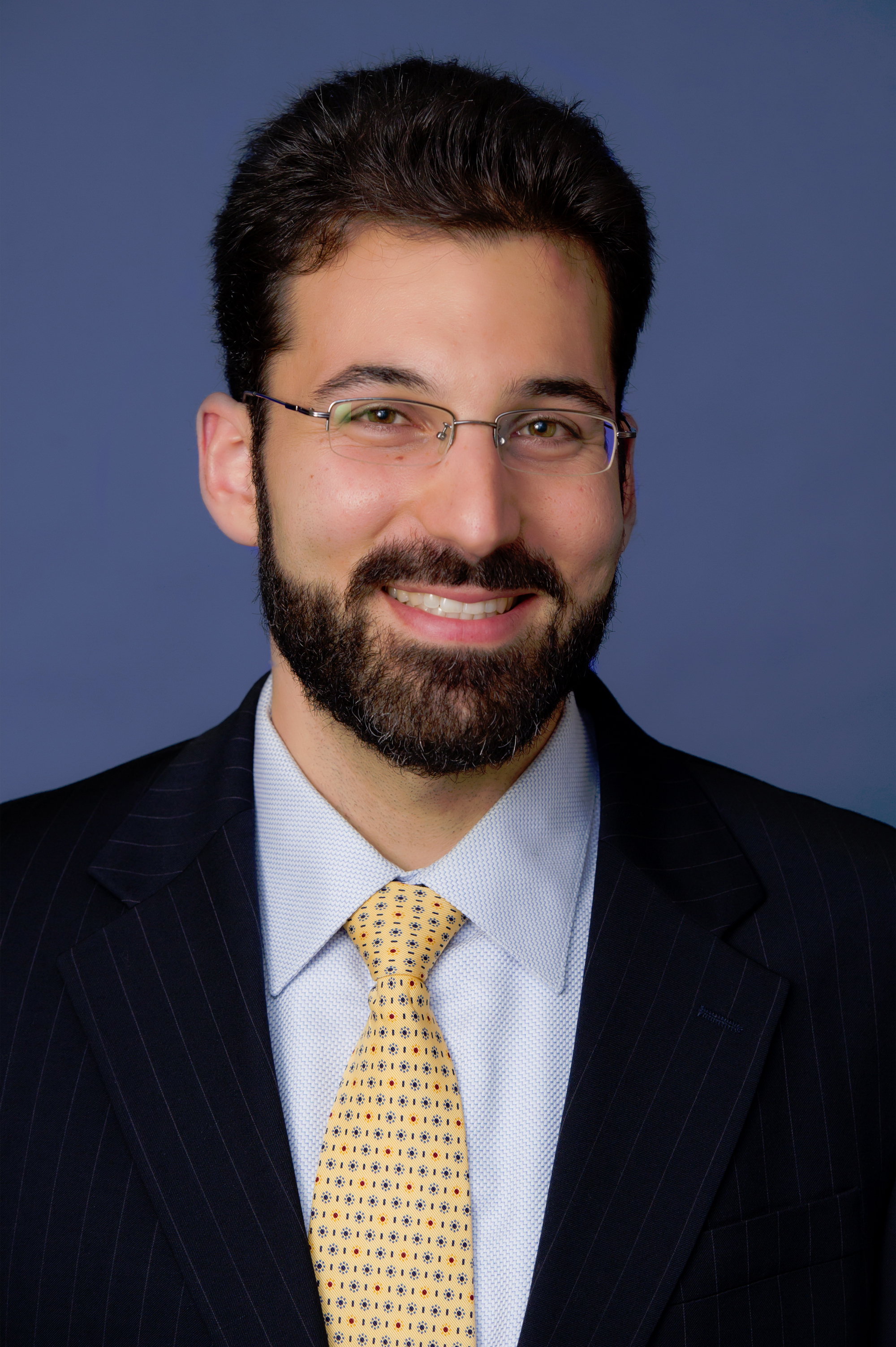
Former Deputy Director, Russia and Eurasia Program
Rojansky, formerly executive director of the Partnership for a Secure America, is an expert on U.S. and Russian national security and nuclear-weapon policies.
Igor Munteanu
William Hill
Carnegie does not take institutional positions on public policy issues; the views represented herein are those of the author(s) and do not necessarily reflect the views of Carnegie, its staff, or its trustees.

If the Russian-speaking community in Latvia cannot articulate their interests without being seen as disloyal, they could end up embracing a pro-Kremlin agenda.

Sergejs Potapkins
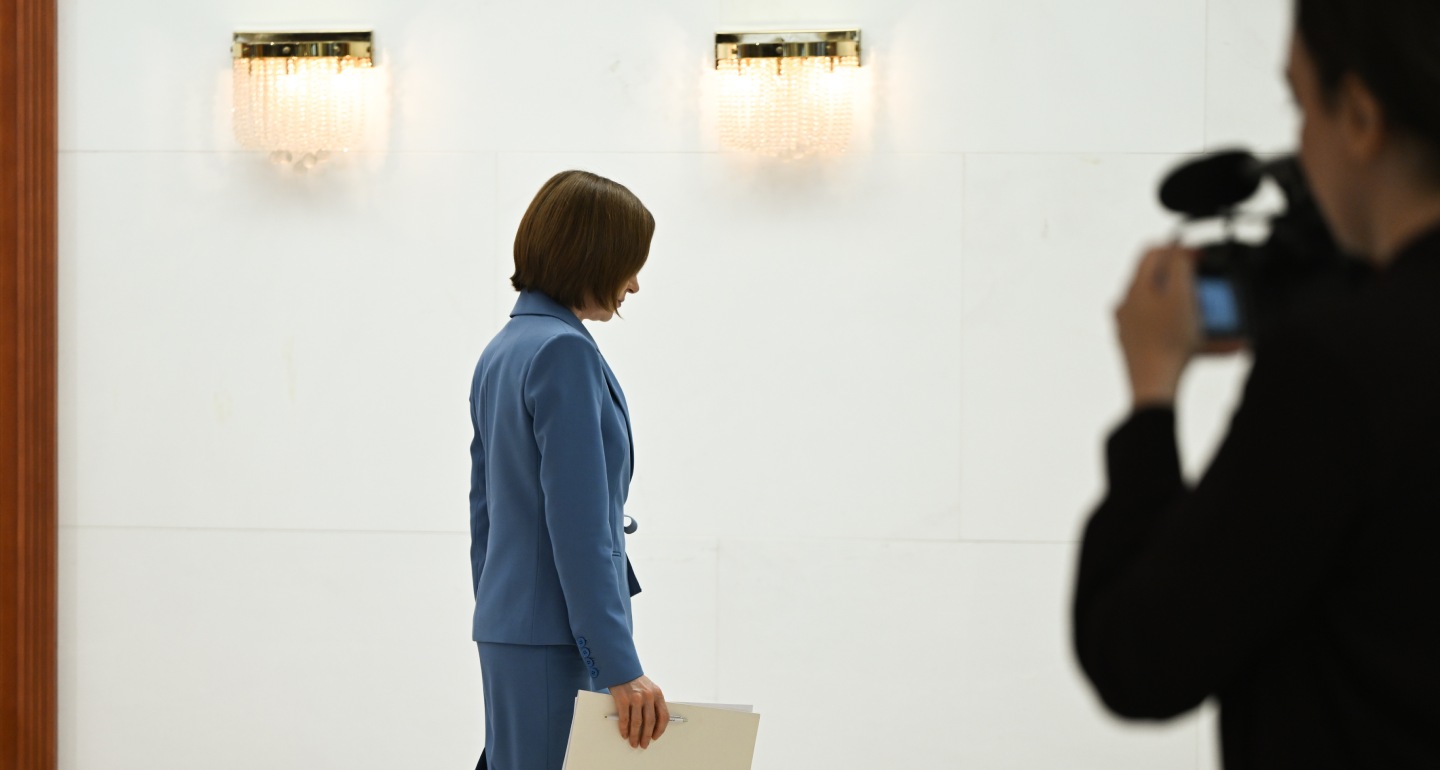
Whether PAS can refocus on the unfinished business of state-building may ultimately prove more consequential for Moldova’s European future than the pace of its accession negotiations.

Balázs Jarábik

Governments in Estonia, Latvia, and Lithuania want to ensure that a U.S. military withdrawal would not leave them dangerously exposed to a Russian attack.
Sergejs Potapkins
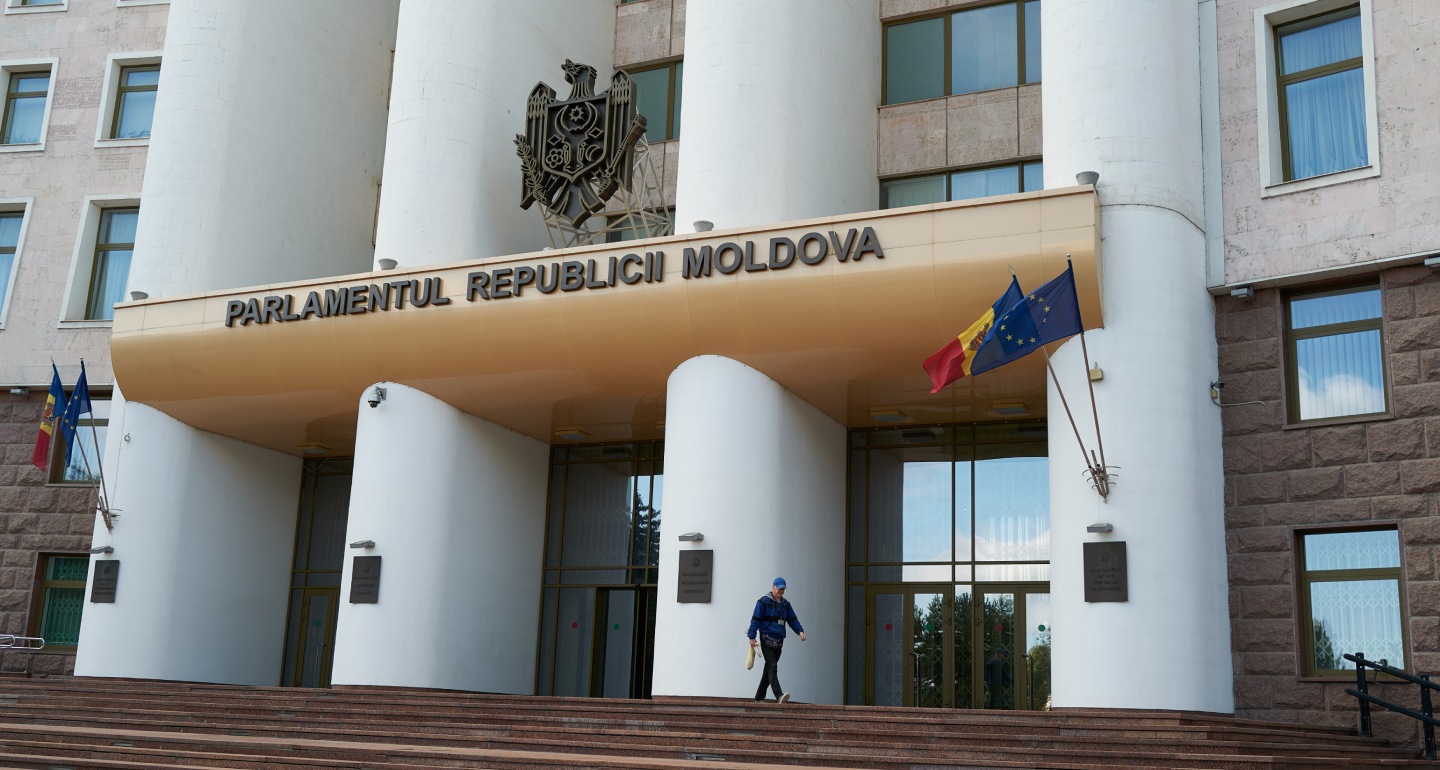
Moldova’s reintegration plan was drawn up to demonstrate to Brussels that Chișinău is serious about the Transnistria issue—and to get the West to react.
Vladimir Solovyov
The issue of withdrawing troops and tons of ammunition from the left bank of the Dniester River requires discussion with Russia, and the Moldovan authorities are not yet ready for that.
Vladimir Solovyov