

Commentary
A leak of Russian gas price data helps establish that China is paying Russia far less than Central Asian countries and Gazprom’s former European customers.
Sergey Vakulenko
{
  "authors": [
    "Evgeny Cheban"
  ],
  "type": "commentary",
  "blog": "Carnegie Politika",
  "centerAffiliationAll": "",
  "centers": [
    "Carnegie Endowment for International Peace",
    "Carnegie Russia Eurasia Center"
  ],
  "collections": [
    "Politika: The Best of 2025"
  ],
  "englishNewsletterAll": "",
  "nonEnglishNewsletterAll": "",
  "primaryCenter": "Carnegie Russia Eurasia Center",
  "programAffiliation": "",
  "programs": [],
  "projects": [],
  "regions": [
    "Moldova",
    "Russia",
    "Europe"
  ],
  "topics": [
    "EU Foreign Policy",
    "Foreign Policy",
    "Security",
    "EU"
  ]
}

Source: Getty
If Transnistria continues to be ignored, the breakaway state will gradually become a deserted subsidized Russian military base. Regaining control over such an entity would be a far more complicated, painful, and costly endeavor for Chișinău.
The Moldovan breakaway region of Transnistria is disintegrating, no longer able to survive in the same way that it has for decades. Economic and political change in the region is inevitable. Ultimately, there are two possible paths: the withdrawal of Russian troops and reintegration with Moldova, and the transformation into a Russian military outpost with no economy and few inhabitants. The path that Transnistria ends up taking depends not only on Tiraspol and Moscow, but also on Chișinău.
Transnistria was gripped by yet another energy crisis in October because of insufficient volumes of imported gas. When the state-run heating system is operating, Transnistria requires up to 3.7 million cubic meters of gas every day—but it received less than 1.5 million cubic meters of gas per day in the first half of October. That meant apartment blocks without hot water, and temporary closures at some factories. Locals complained about the cold in schools and nurseries.
Successive energy crises in Transnistria this year are the result of Russia’s bid to put pressure on Moldova’s pro-European government. After Kyiv halted gas transit through Ukraine at the beginning of 2025, Moscow did not seek alternative export routes so as to deprive Chișinău of the cheap electricity it had previously received from Transnistria (generated using Russian gas).
While Moldova—with help from the EU—found other electricity suppliers, Transnistria lost export revenue, no longer had cheap gas for its inefficient industrial sector, and was obliged to raise utility prices. Eventually, it was decided that Hungary’s MET Group would supply gas to Moldova’s gas company, Moldovagaz, which would then ship it to Transnistria. This was paid for by Moscow via a Dubai-based intermediary. But this arrangement has not functioned well, with Russia switching intermediaries at least three times. The October crisis was caused by payment issues.
At the same time, Transnistria faces a bigger existential problem: Russia is now paying for less gas than it once supplied for free. The impact on industry has caused particular problems for Tiraspol, which has been forced to slash spending in order to meet its social obligations. For the moment, Tiraspol has been able to keep the show on the road—but it’s clear that this can’t last much longer.
There are two major political clans in Transnistria: the local business elite grouped around the Sheriff holding company and its tycoon owner Viktor Gushan, and the security officers loyal to Moscow headed by Foreign Minister Vitaly Ignatiev. The drastic reduction in gas supplies is much more of a problem for the former, which will suffer if the Transnistrian economy does indeed implode.
Transnistria’s economy is now closely linked with the EU, where 80 percent of its exports go. For figures like Gushan, it’s important not only to have ties to Moscow, but also to Kyiv, Chișinău, and Brussels. The current head of Transnistria, Vadim Krasnoselsky (a former Sheriff employee), receives Ukrainian ambassadors, allows Ukrainian trains to transit Transnistria, and has sought to keep Kyiv—and Chișinău—onside. As a result, neither Gushan nor Krasnoselsky have been sanctioned by the West or Ukraine (Ignatiev, however, is wanted by Kyiv). All this begs the question: Why would Moscow spend millions to subsidize the Sheriff-linked elite? Why would it subsidize an economy oriented toward the EU?
Moscow still has a major lever of influence when it comes to Transnistria: the Operational Group of Russian Forces (OGRF), a task force of up to 1,500 soldiers based in the breakaway state. Russia pledged to withdraw these troops back in 1999, but has yet to do so. In addition to these men, the Transnistrian security services are commanded by Russian Federal Security Service (FSB) officers, and Transnistria’s military is closely integrated with Russia’s.
Both Transnistrian and Russian soldiers are armed with Soviet-era weapons that are gradually becoming obsolete. But despite Kyiv’s hints that it would be willing to drive out the Russian soldiers, Chișinău has never seriously considered a military solution.
If Russia continues to supply a minimum amount of gas to Transnistria, the region will adapt accordingly. Much of the economy will wither and die, and much of the population will leave. Those who remain will mostly be pensioners (many of whose pensions are paid by Moscow). Maintaining some sort of rump regime with a functioning security apparatus would be significantly cheaper for Moscow than gas subsidies.
The pro-EU government in Chișinău has said repeatedly since 2021 that the rapid reintegration of Transnistria would be more advantageous to Russia than Moldova. And Chișinău has clung to the idea—first supported by EU foreign policy chief Josep Borrell in 2023—that Moldova could join the EU without a resolution to the Transnistria issue. While it’s unclear whether this could actually happen, the fact that Russian troops are present in the 11 percent of Moldovan territory that Chișinău does not control is certainly not helping to advance its EU aspirations.
Moldovan President Maia Sandu has said she has a plan for the reintegration of Transnistria—but only once Russian soldiers have withdrawn. However, no one knows how to achieve that via diplomatic means. For this reason, the current Moldovan strategy is to wait out the problem: in other words, to take no action until the quality of life in Transnistria is so bad that it makes the breakaway state untenable and increases the appeal of reintegration.
In many ways, therefore, Moscow assisted Chișinău by cutting gas supplies to Tiraspol this year. But even a socioeconomic collapse will not solve the issue of Russia’s military presence. On the contrary, it might strengthen Moscow’s grip.
If nothing is done, the impending implosion of Transnistria will mean the region finds itself grappling with a massive population outflow and, in a worst-case scenario, a catastrophic economic collapse. Either way, the Transnistrian elite associated with Sherriff will slowly but surely lose their influence.
Transnistria could still be reintegrated with Moldova with minimal financial costs—by leveraging the deal-making ability of the Sherriff-linked elite and the support of some Transnistrians. After all, the economy is also closely tied to the Moldovan economy. However, if Transnistria continues to be ignored, then the breakaway state will gradually become little more than a deserted subsidized Russian military base. Regaining control over such an entity would be a far more complicated, painful, and costly endeavor for Chișinău.

Evgeny Cheban
Journalist, editor of "MOST" media project about Transnistria
Carnegie does not take institutional positions on public policy issues; the views represented herein are those of the author(s) and do not necessarily reflect the views of Carnegie, its staff, or its trustees.
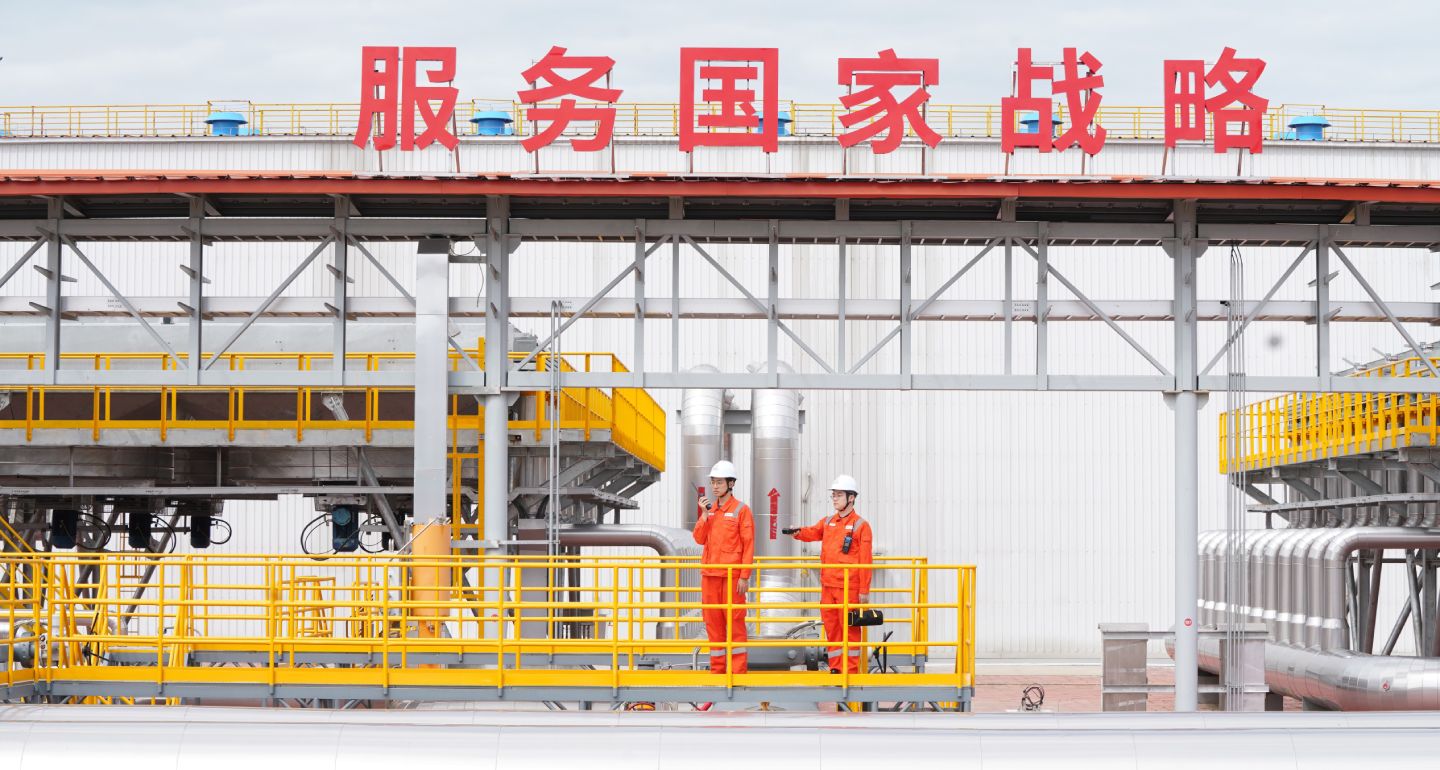
A leak of Russian gas price data helps establish that China is paying Russia far less than Central Asian countries and Gazprom’s former European customers.

Sergey Vakulenko
Japan’s long-term security policy is driven by concerns about China, and there is little appetite for (or interest in) pursuing a confrontation with Moscow.

James D.J. Brown
The truth of the strategic situation is that Europe and Russia are extremely unlikely to be able to “turn the page” on their confrontation within the next two decades.
Arkady Moshes
Russia spent years building a “sovereign internet,” concentrating web infrastructure exclusively within Russian territory. Ukrainian drone attacks have shown how vulnerable that approach has left the Russian internet.

Maria Kolomychenko
Putin’s conservative staffing policies and search for ever greater control have cemented parliament’s transformation into a bureaucratic appendage of the executive branch.

Andrey Pertsev