Ten years after the Bush administration declared Iran has a member of the “axis of evil,” U.S.-Iranian relations seem to be at their lowest point in over thirty years.
This is WEEKEND EDITION from NPR News. I'm Rachel Martin. Ten years ago today, President George W. Bush stood before both houses of Congress. It was his first State of the Union address, and just four months after September 11th. The president addressed what he saw as key threats to America's national security - and he named three countries specifically: Iraq, North Korea and Iran. And then he uttered a phrase now firmly part of the national lexicon.
PRESIDENT GEORGE W. BUSH: States like these and their terrorist allies constitute an axis of evil arming to threaten the peace of the world.
MARTIN: Since that speech, the United States has invaded and now pulled out of Iraq. North Korea has detonated a nuclear weapon, and the country remains as isolated and confrontational as ever. And Iran has continued to grow its nuclear program, despite a decade of warnings from the international community and waves of sanctions that never seem to break the stalemate between Iran and the West. This morning, we're going to focus in on the relationship between the U.S. and Iran and how it's changed since that famous speech. With me now, NPR foreign correspondent Mike Shuster, who has covered Iran extensively over the years. He joins us from NPR West. Also, Karim Sadjadpour, an expert on Iran with the Carnegie Endowment for International Peace. He joins me here in our studio in Washington, D.C. Gentlemen, thanks for joining me.
KARIM SADJADPOUR: Thank you, Rachel.
MIKE SHUSTER, BYLINE: Hi, Rachel.
MARTIN: I'd like to start by asking you both what the U.S. relationship was like with Iran right before the president gave that speech. Karim?
SADJADPOUR: The relationship between the United States and Iran had long been adversarial, since the 1979 Iranian revolution. But immediately after September 11, there was a hope in the air that suddenly there was a convergence of interest because Tehran had been a sworn enemy of the Taliban regime in Afghanistan and a sworn enemy of Saddam Hussein in Iraq. So, there was a hope in the air for about three months, which could potentially lead to some type of a rapprochement. But the axis of evil speech, I think, really sabotaged any hope that remained of them.
MARTIN: Mike, is that how you see things, the relationship between the U.S. and Iran before the speech?
SHUSTER: Yes, and I think it's worth pointing out that one of the first great candlelight vigils around the world that occurred right after the 9/11 attacks happened in Tehran. There was an outpouring of emotion, and it could have been something that the United States could have built upon if it had wanted to.
MARTIN: Fast forward. Over the next few years, the U.S. would deploy a large number of American troops on Iran's doorstep, in both Iraq and Afghanistan. How does this change the dynamic? Karim?
SADJADPOUR: In some ways, it was a very paradoxical period in the U.S.-Iran relationship. And the reason why I say that is that in 2003, shortly after the U.S. had captured Baghdad in just a very short period, the Iranian government was very nervous and they actually sent out some trial balloons towards the United States making it clear that they were interested in some type of a confidence-building process. But at that time, what I was told was that Vice President Cheney shot down any overtures from Tehran. And the Bush administration's philosophy at that time was the Iranian regime was on its way out and why should we throw a life raft to a drowning man?
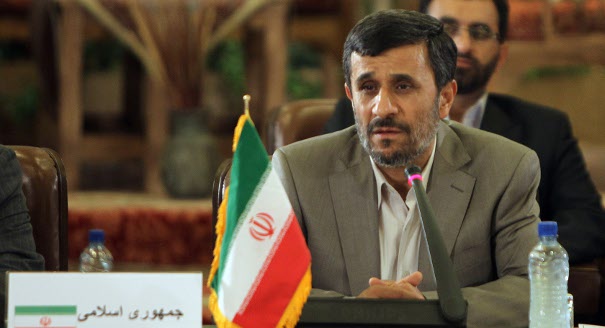
MARTIN: Karim, what role has the Iranian president Ahmadinejad played in all of this? How much of the tension has been a direct result of his personality or his particular political agenda?
SADJADPOUR: Certainly Ahmadinejad has exacerbated the tension and the animosity and mistrust between Washington and Tehran. Going back to the person who authored at least part of the axis of evil speech, David Frum; David Frum once told me something about U.S. domestic politics toward Iran, which I think is absolutely right. He said that a country could enrich uranium and it can call for Israel's demise but it can't do both at the same time. And that's, under Ahmadinejad, you know, Iran's hostility towards Israel has really complicated the relationship between the United States and Iran.
MARTIN: President Obama focused some time on Iran when he gave his State of the Union address last week. Let's listen to one section of that speech.
PRESIDENT BARACK OBAMA: Look at Iran. Through the power of our diplomacy, a world that was once divided about how to deal with Iran's nuclear program now stands as one. The regime is more isolated than ever before.
MARTIN: I want to ask you, Mike, is that true? Is the regime more isolated than ever before?
SHUSTER: Yeah, I think that that's fair to say. Iran doesn't have many friends in the world and is isolated and continues to be more isolated. And I think when you look at the U.N.-imposed sanctions - there have been four rounds of them over the last four or five years - everybody supported those sanctions, including Russia and China. The tougher sanctions that the United States has wanted to put into practice and now has gotten the European Union on board are still being resisted by Russia and China. So, in that sense, the really tough sanctions that President Obama would like to see are still a topic of conversation and resistance in Moscow and in Beijing.
MARTIN: Karim, where are we today when you think about the where the U.S.-Iranian relationship was before this speech, immediately following, now a decade later? Is it status quo? Has it really changed?
SADJADPOUR: It's gotten more hostile, and I think we're much closer to moving from a cold conflict to a hot conflict because Iran has moved forward with their nuclear program. But I would say that Iran truly is more isolated than it's ever been, and I think people around the world, including even in places like China and Russia, recognize that the Obama administration made unprecedented but unreciprocated overtures to Tehran. And I think there's a general recognition now that the challenge lies more in Tehran than in Washington.
MARTIN: Mike, how much of this is about Iranian domestic politics? There is an opposition to Ahmadinejad in Iran, is there not?
SHUSTER: Oh, there is an opposition to Ahmadinejad. It's on the right and the left of Ahmadinejad. The reformists oppose Ahmadinejad and the more hard-line conservatives. This is a very interesting political conflict that's emerged in the past year. A bit of irony here. It is Ahmadinejad who in recent weeks has been calling for renewed discussions with the United States and the Europeans to talk about the nuclear program, and he's made it clear he'd like to see the relationship with the United States improve. But the more hard-line conservative forces around the Supreme Leader Ali Khamenei, are resisting that. I think they're resisting it primarily because they don't want to see Ahmadinejad get credit for what would be a very popular move in Iran, which would be improvement of relations with the United States.
MARTIN: NPR foreign correspondent Mike Shuster joining us from NPR West and Karim Sadjadpour with the Carnegie Endowment for International Peace here in Washington. Thanks to you both.
Karim Sadjadpour is a senior fellow at the Carnegie Endowment for International Peace, where he focuses on Iran and U.S. foreign policy toward the Middle East.
Carnegie does not take institutional positions on public policy issues; the views represented herein are those of the author(s) and do not necessarily reflect the views of Carnegie, its staff, or its trustees.
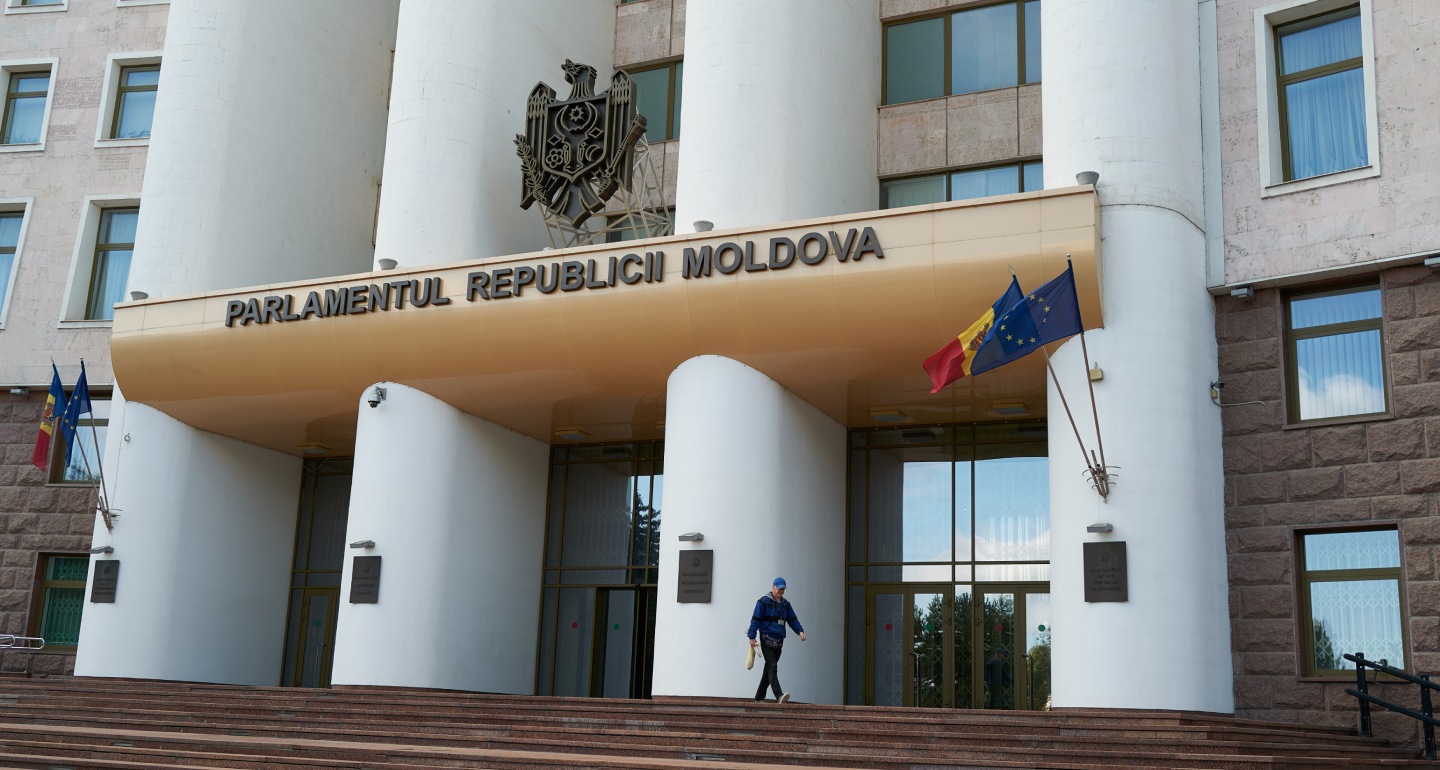
Moldova’s reintegration plan was drawn up to demonstrate to Brussels that Chișinău is serious about the Transnistria issue—and to get the West to react.
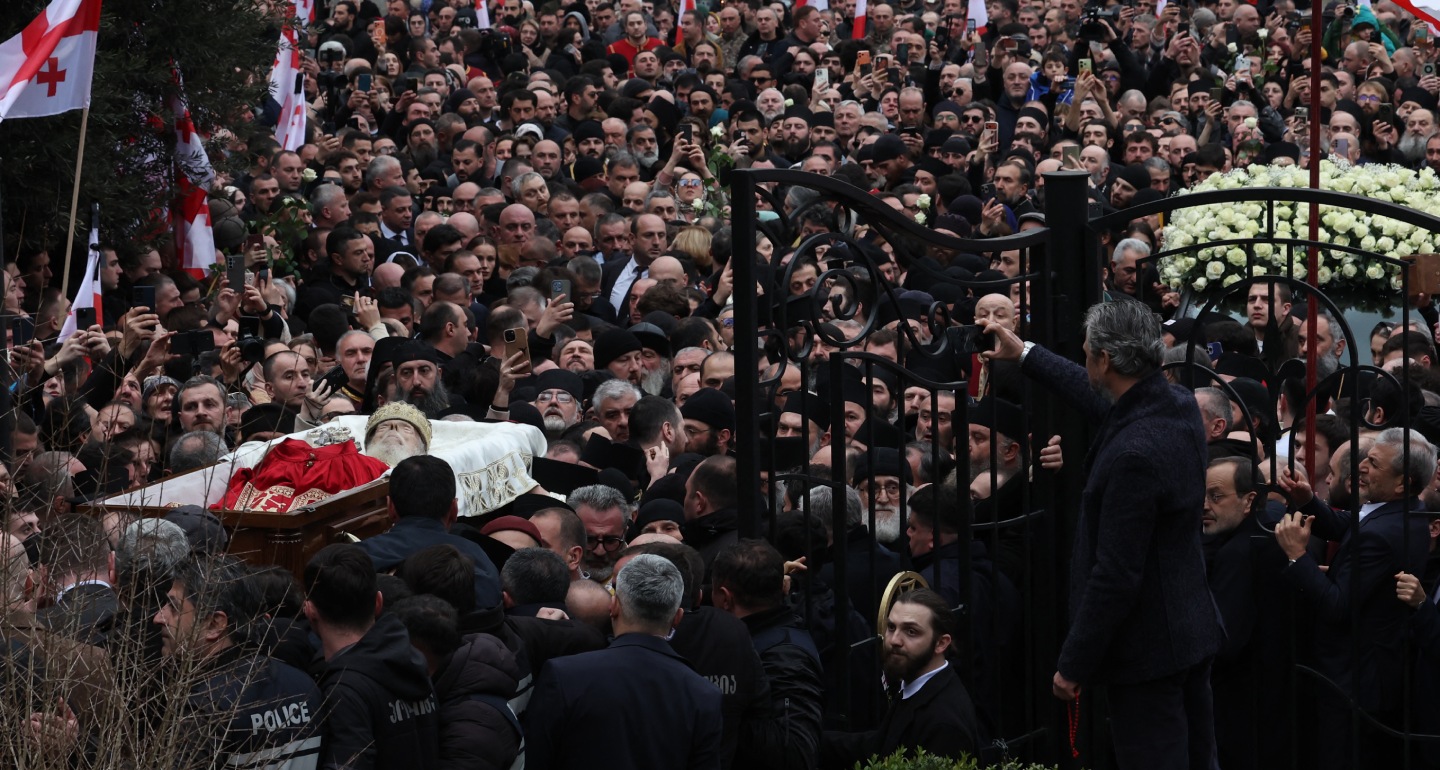
The front-runner to succeed Ilia II, Metropolitan Shio, is prone to harsh anti-Western rhetoric and frequent criticism of “liberal ideologies” that he claims threaten the Georgian state. This raises fears that under his leadership the Georgian Orthodox Church will lose its unifying role and become an instrument of ultraconservative ideology.
Lukashenko is willing to make big sacrifices for an invitation to Mar-a-Lago or the White House. He also knows that the clock is ticking: he must squeeze as much out of the Trump administration as he can before congressional elections in November leave Trump hamstrung or distracted.
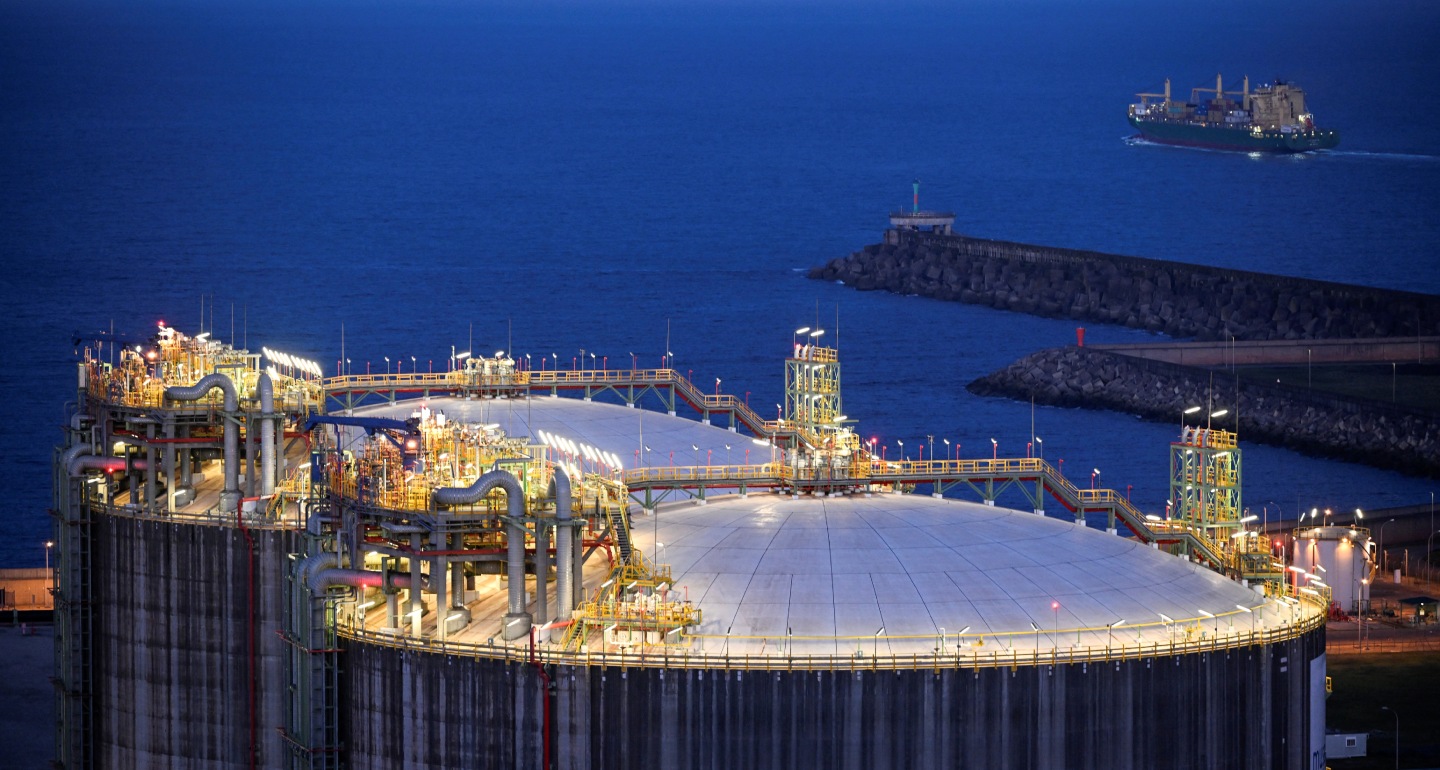
The future trajectory of the U.S.-Iran war remains uncertain, but its impact on global energy trade flows and ties will be far-reaching. Moscow is likely to become a key beneficiary of these changes; the crisis in the Gulf also strengthens Russia’s hand in its relationships with China and India, where advantages might prove more durable.