

Commentary
While the current surge in grain trading activity in the Caspian Sea is undeniably impressive, it is constrained by financial, infrastructure, geographic, military, and environmental factors.
Nikita Smagin
{
  "authors": [],
  "type": "pressRelease",
  "centerAffiliationAll": "dc",
  "centers": [
    "Carnegie Endowment for International Peace"
  ],
  "collections": [],
  "englishNewsletterAll": "ctw",
  "nonEnglishNewsletterAll": "",
  "primaryCenter": "Carnegie Endowment for International Peace",
  "programAffiliation": "russia",
  "programs": [
    "Russia and Eurasia"
  ],
  "projects": [],
  "regions": [
    "North America",
    "Caucasus",
    "Russia",
    "Eastern Europe",
    "Western Europe"
  ],
  "topics": [
    "Political Reform",
    "Democracy",
    "Climate Change",
    "Security",
    "Military",
    "Foreign Policy",
    "Nuclear Policy",
    "Nuclear Energy"
  ]
}
REQUIRED IMAGE
26 former generals, senior policymakers, and businesspeople from Russia, North America, and Europe warned that the security situation in the Euro-Atlantic region is sliding backwards, and called for the creation of a new, more ambitious security dialogue in the region.
MUNICH—Today, 26 former generals, senior policymakers, and businesspeople from Russia, North America, and Europe warned that the security situation in the Euro-Atlantic region is sliding backwards, and called for the creation of a new, more ambitious security dialogue in the region.
Two decades after the end of the Cold War, the Euro-Atlantic region remains blighted by Cold War postures and thinking, concluded the report of the Euro-Atlantic Security Initiative (EASI) released today at the 2012 Munich Security Conference. The report argues that a serious "deficit of trust" in security issues is placing the entire region under strain. Bred from old twentieth-century divisions, this distrust leaves the region dangerously ill prepared to handle the challenges of the twenty-first century.
Unveiling their findings, the members of EASI laid out a series of concrete steps in six areas to improve relations between Russia, Europe, and the United States, leading to the eventual creation of a genuine Euro-Atlantic Security Community:
"None of us has ever participated in an effort of this type before, which includes not only the West, or Europe, or the United States, but also Russia," said Wolfgang Ischinger, one of EASI's three co-chairs and chairman of the Munich Security Conference.
"The way you begin to address the problem with distrust is to work together on projects that are important," said Sam Nunn, EASI co-chair and former United States senator. "One recommendation we are making is to create more warning and decision time so that no country in the Euro-Atlantic area will be subject to a quick attack."
"During the Cold War, no one spoke about the issue of energy security," said Igor Ivanov, EASI co-chair and former Russian foreign minister. "In the Arctic we feel we have to avoid the previous mistakes, starting with the struggle around the zones of influence. It's better to have the Arctic as a zone of cooperation that is on a clear legal basis which respects the interests of each country."
In addition to the final report, EASI also released five working group papers on nonstrategic nuclear forces, Turkey's role in the region, historical reconciliation and protracted conflicts, missile defense and early warning systems, and energy security.
To move toward the goal of an inclusive Euro-Atlantic Security Community, a unique process was created in 2009 called the Euro-Atlantic Security Initiative (EASI) by the Carnegie Endowment for International Peace.
For the first time, former policymakers, diplomats, generals, and business leaders from Russia, the United States, Canada, Central Europe, and European Union nations came together to chart a roadmap of practical action that would allow the region to leave its past behind and to start to build a more secure future based on mutual trust and cooperation.
EASI was co-chaired by Igor Ivanov, Wolfgang Ischinger, and Sam Nunn. The final report has the unanimous support of all commission members.
To find out more go to carnegieendowment.org/EASI.
Karly Schledwitz (United States)
Carnegie Endowment for International Peace
kschledwitz@ceip.org
+1 202 939 2233
Tom Carver (Europe)
Carnegie Endowment for International Peace
tcarver@ceip.org
+1 202 365 1906
Carnegie does not take institutional positions on public policy issues; the views represented herein are those of the author(s) and do not necessarily reflect the views of Carnegie, its staff, or its trustees.
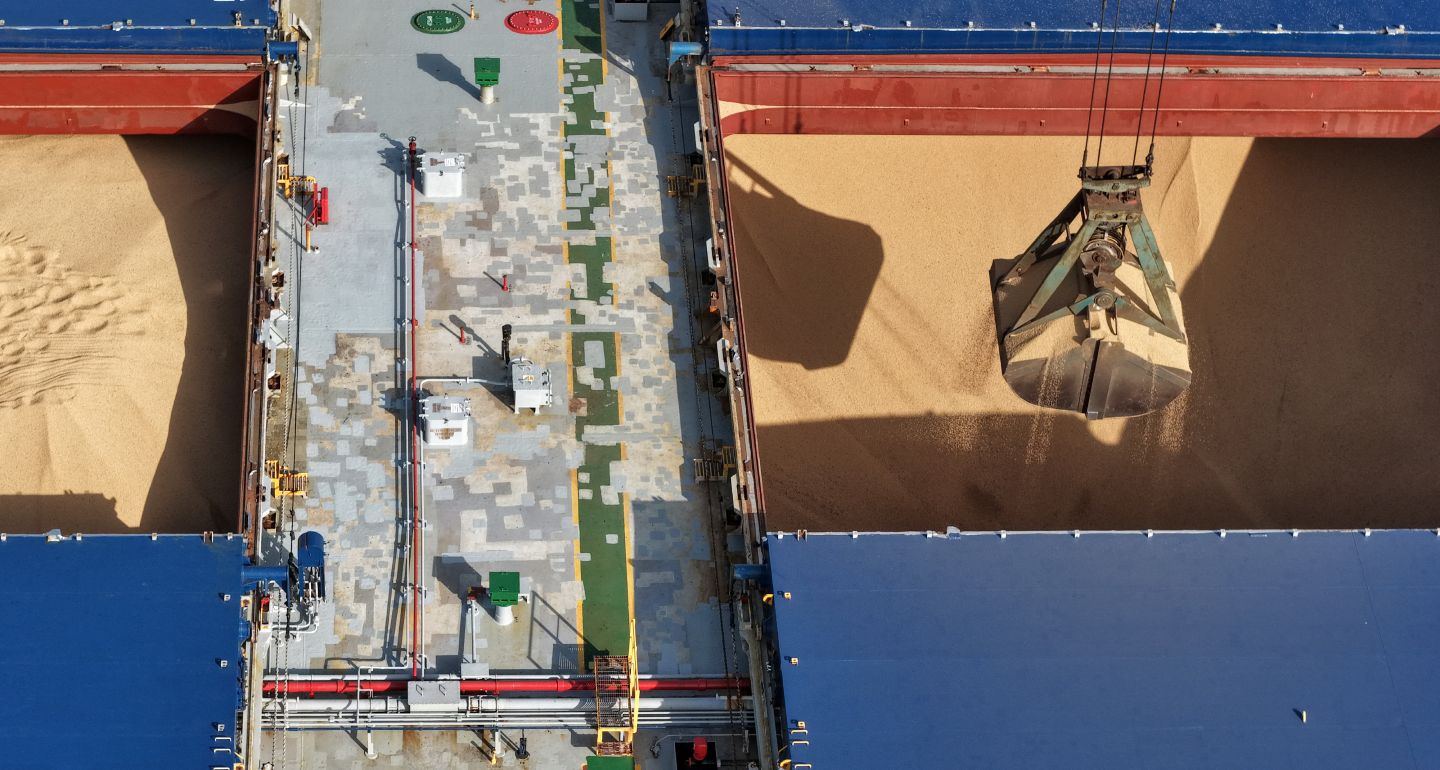
While the current surge in grain trading activity in the Caspian Sea is undeniably impressive, it is constrained by financial, infrastructure, geographic, military, and environmental factors.
Nikita Smagin
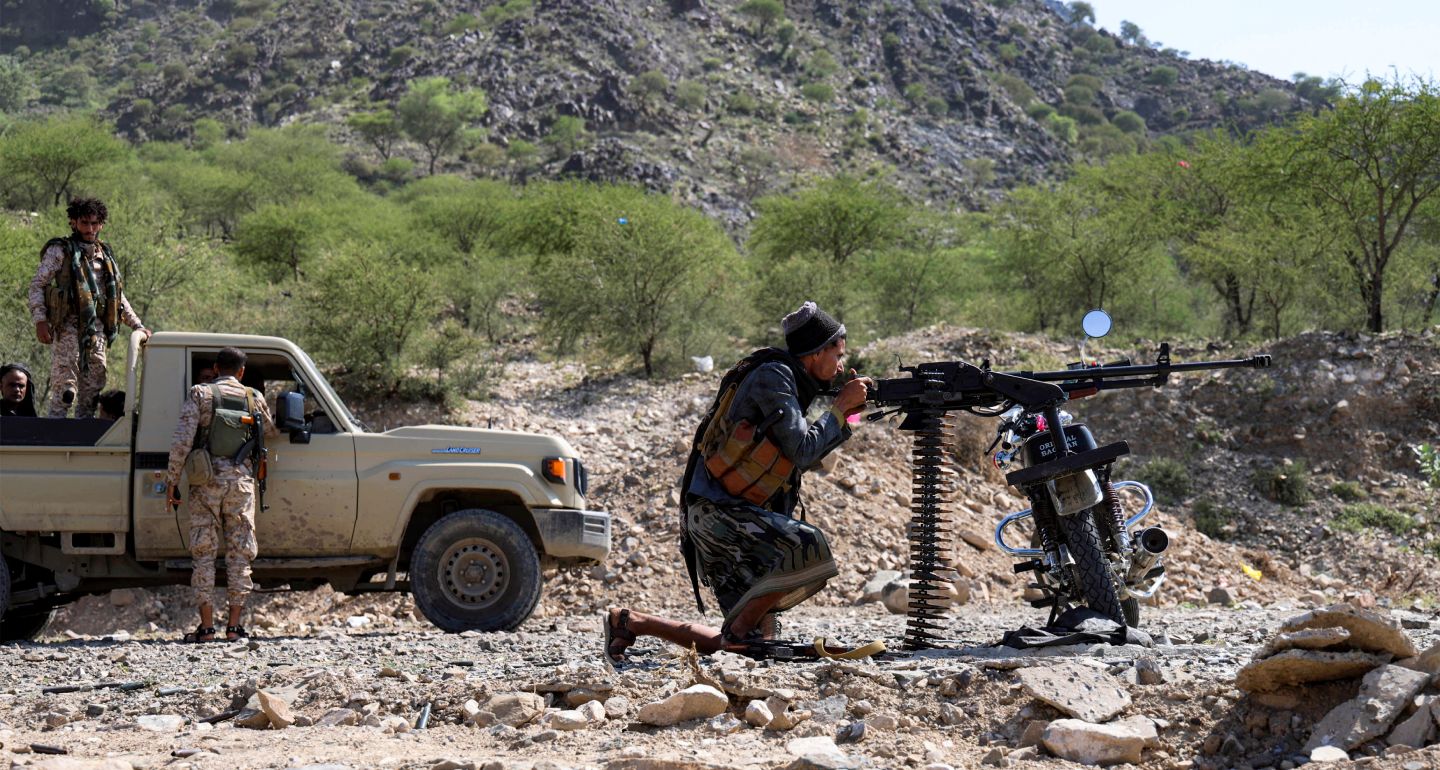
Russia officially endorses Yemen’s formal government while quietly providing military support to the Houthi rebels. However, recent escalation in Yemen has thrust Russia’s game into the spotlight—and risks endangering its relations with the Gulf states.

Ruslan Suleymanov
The concrete goal of an end to the hostilities in Ukraine has been replaced by a host of vague Russian demands concerning a range of issues and regions.

Alexander Baunov
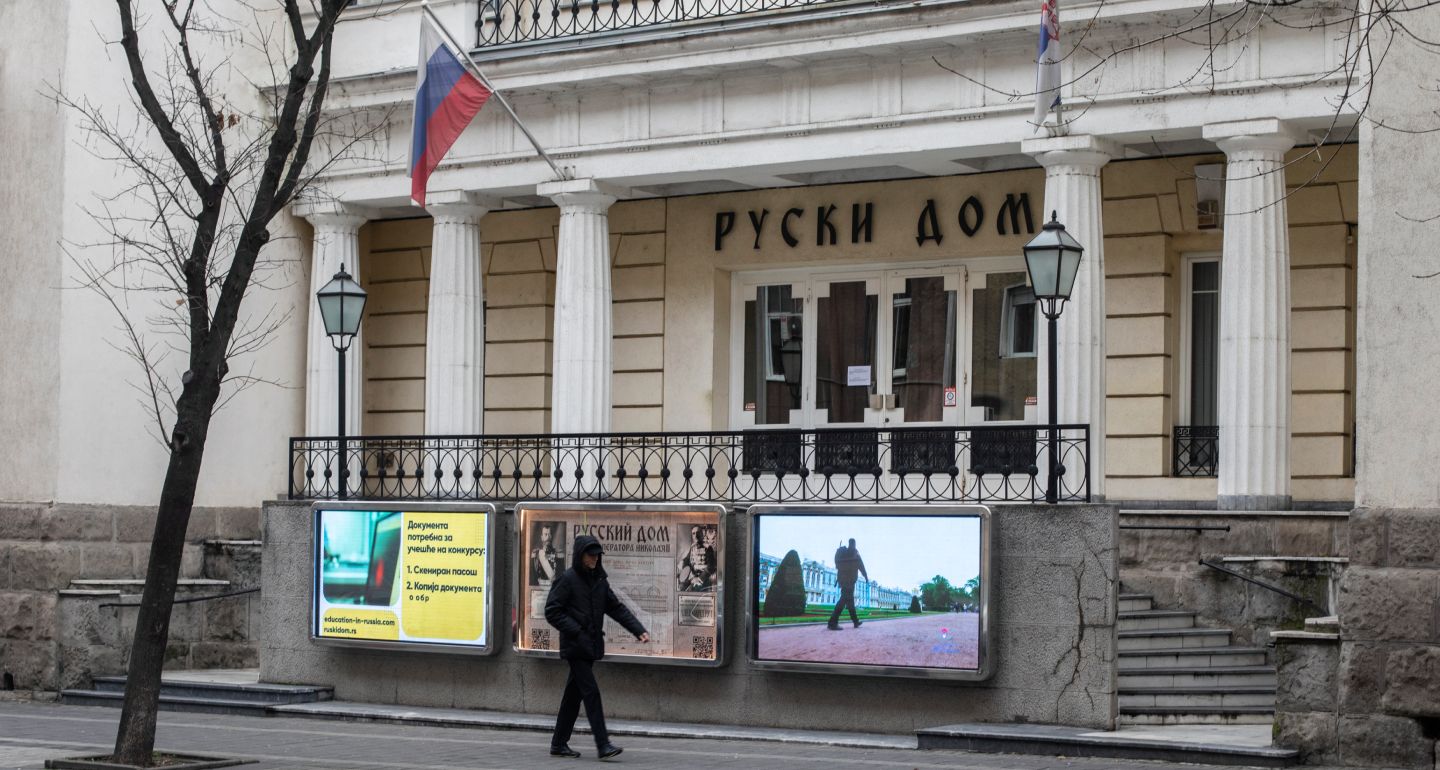
It’s a testing time for Russia’s policy in Serbia and the wider region, but it would be premature to conclude from one political setback that the days of Russian influence are over.

Dimitar Bechev
There are limits as to how far the shift in South Korea’s foreign policy will go.

James D.J. Brown