

Q&A
Suzanne Maloney, Aaron David Miller, Karim Sadjadpour
{
  "authors": [
    "Karim Sadjadpour"
  ],
  "type": "legacyinthemedia",
  "centerAffiliationAll": "dc",
  "centers": [
    "Carnegie Endowment for International Peace"
  ],
  "collections": [],
  "englishNewsletterAll": "menaTransitions",
  "nonEnglishNewsletterAll": "",
  "primaryCenter": "Carnegie Endowment for International Peace",
  "programAffiliation": "MEP",
  "programs": [
    "Middle East"
  ],
  "projects": [],
  "regions": [
    "Middle East",
    "Iran"
  ],
  "topics": [
    "Political Reform",
    "Nuclear Policy"
  ]
}
Source: Getty
Dialing down the rhetoric between Israel, Iran, and the United States is an important component in allowing coercive sanctions and diplomacy to run its course.
Source: MSNBC's Andrea Mitchell Reports
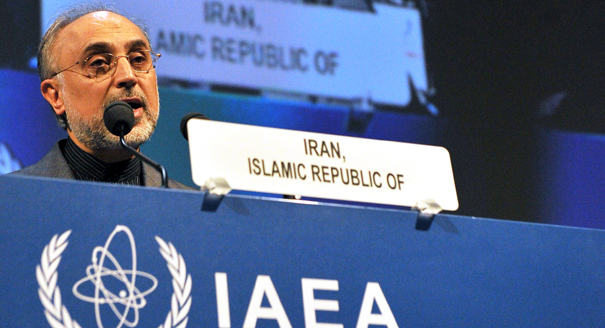
Speaking on MSNBC's Andrea Mitchell Reports, Carnegie's Karim Sadjadpour explained that the rhetoric between Iran and Israel has consistently escalated over the course of the last several months. However, both President Obama and Supreme Leader Ayatollah Khamenei have recently made conciliatory statements that have worked to dial down the temperature. Sadjadpour suggested that Iran sees little incentive to be transparent because transparency would just expose Tehran's illicit activities. “For a diplomatic solution to work, Iran must not feel as though it will be penalizing itself for being transparent,” noted Sadjadpour. For coercive sanctions and diplomacy to work, Sadjadpour argued that bellicose rhetoric must be kept to a minimum. “Whenever Prime Minister Netanyahu makes a statement about going to war with Iran, it causes speculation in the world oil market and spikes the price of oil,” said Sadjadpour. This inevitability blunts the power of any sanctions regime and demonstrates the importance of circumspect rhetoric.

Senior Fellow, Middle East Program
Karim Sadjadpour is a senior fellow at the Carnegie Endowment for International Peace, where he focuses on Iran and U.S. foreign policy toward the Middle East.
Recent Work


Suzanne Maloney, Aaron David Miller, Karim Sadjadpour

Aaron David Miller, Karim Sadjadpour, Robin Wright
Carnegie does not take institutional positions on public policy issues; the views represented herein are those of the author(s) and do not necessarily reflect the views of Carnegie, its staff, or its trustees.

The European far right might fail to steer EU policy in the direction Russia wants, but they will create enough chaos inside Europe to benefit the Kremlin.

Dimitar Bechev

If the Russian-speaking community in Latvia cannot articulate their interests without being seen as disloyal, they could end up embracing a pro-Kremlin agenda.

Sergejs Potapkins

Russia’s ruling party would have benefited from Putin appearing as its distant patron, but as an active frontman imposing his views on the public, he has done nothing but harm both the party’s election campaign and the ruling system overall.

Andrey Pertsev

In the tenth year of his presidency, President Mirziyoyev’s system is becoming even more personalized than that of his predecessor Karimov.

Galiya Ibragimova
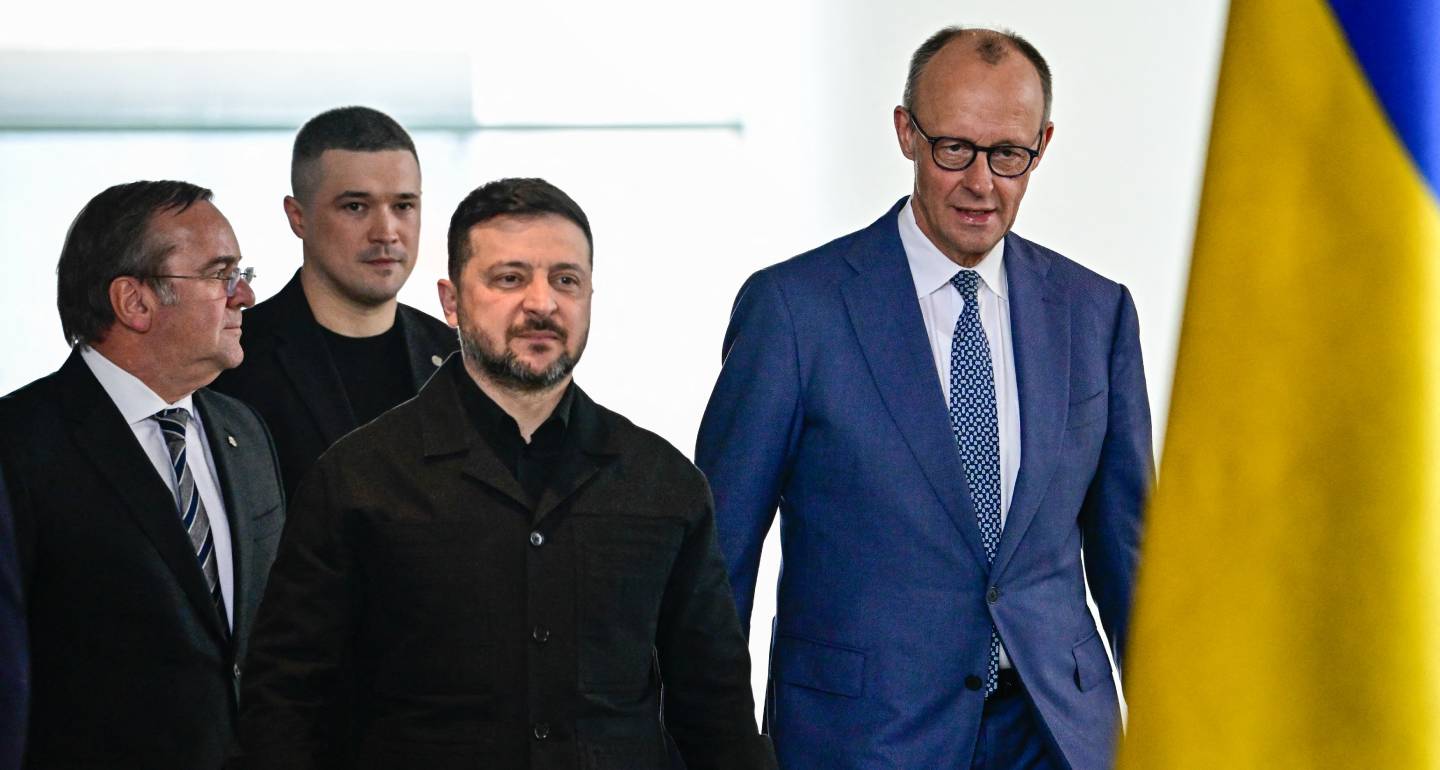
The greater threat to Zelensky comes not from Fedorov alone, but from the convergence between the former defense minister’s political campaign and the anti-corruption investigations moving ever closer to the presidential administration.

Balázs Jarábik