

Commentary
For every ruble allocated to social policy, health, and education in 2027, double that amount is earmarked for the army, the police, and the security services.
Alexandra Prokopenko
{
  "authors": [
    "Uri Dadush",
    "Moisés Naím"
  ],
  "type": "legacyinthemedia",
  "centerAffiliationAll": "",
  "centers": [
    "Carnegie Endowment for International Peace",
    "Carnegie Europe"
  ],
  "collections": [],
  "englishNewsletterAll": "",
  "nonEnglishNewsletterAll": "",
  "primaryCenter": "Carnegie Endowment for International Peace",
  "programAffiliation": "",
  "programs": [],
  "projects": [],
  "regions": [
    "North America",
    "United States",
    "Western Europe"
  ],
  "topics": [
    "Economy"
  ]
}
Source: Getty
The selection process for the World Bank's top job is far from competitive, but focusing on the presidency obscures the extent to which other high-level positions at both the Bank and the International Monetary Fund are also quota-driven.
Source: Washington Post

When the World Bank needs a new president — and this time the Obama administration is expected to name its candidate Friday — the charade goes like this: The public is told that the selection process will be “open, transparent and merit-based.” Then, the White House announces a name — how, we do not know — and the anointed American goes through pretend job interviews with the bank’s board of directors, who pretend to make a decision about which, in fact, they have no say. The handpicked American gets the job.
The indignant denunciations of this process — that it reeks of patronage and colonialism — obscure an interesting question: Why do developing countries allow this? For that matter, why do rich countries whose citizens are not considered, such as Canada and Japan, tolerate it?We know why Europe accepts it: The same charade is played at the IMF, starring a European — the only “acceptable” origin for the top job. In last year’s non-contest to lead the IMF, Agustin Carstens, the highly respected chief of Mexico’s central bank, barely got a nod of support from developing countries; the French candidate, Christine Lagarde, was a shoo-in (and the same nationality as her predecessor as managing director).
There are three reasons behind the developing countries’ surprising coyness. The first is that the United States is the World Bank’s largest single shareholder. This makes it hard to dislodge and underscores the second reason: The World Bank’s top job is not worth a fight with the superpower, certainly not one that challengers are so likely to lose.
To win such a fight would require assembling a vast international coalition, especially among poor countries. And what do poor nations have in common? Their poverty — and not much else. Consider the six largest emerging markets: China and India are geopolitical rivals; Mexico and Brazil compete for regional leadership (Brazil preferred Lagarde, the French candidate, over the Mexican to lead the IMF); and Russia and Indonesia cannot be more different. Do these countries want to upset the United States so as to favor a rival candidate from their motley group? No.
The third reason — rarely mentioned but powerful — for the longevity of the U.S. and European monopolies over these appointments is that they are stealthily supported by another, less noticed cartel: the few countries that “own” a quota of the rest of the top jobs at the World Bank and the IMF.
Not only are these institutions’ leaders selected in uncompetitive ways, but many powerful positions — extending two or three levels below the top job — are similarly allocated. It boils down to a quota system in which merit is only one, and often not the main, criterion. Under this unwritten but long-established convention, for example, the No. 2 at the IMF is always an American, while two other powerful deputies are from, respectively, a developing and an advanced country. China now holds a fourth such top-ranked position. The head of the powerful fiscal affairs department goes to an Italian. And so on.At the World Bank, the appointment cartel is equally powerful: Traditionally, Asia, Africa and Europe each get to select one managing director. The head of the International Financial Corp. is European, and the head of the Multilateral Insurance Guarantee Agency is always Japanese. The vice president slots are also carefully allocated. In numerous instances, candidates from other countries need not apply.
No well-run global company selects its senior management this way. These handicaps are ironic, and sad, because the World Bank and the IMF have significant missions in this rapidly globalizing world. Their managers’ decisions affect the livelihoods of millions. Little wonder there is no determined effort to dismantle the spoils system: Those who might challenge the appointments cartel may be next in line for a plum job.
This article was originally published in the Washington Post
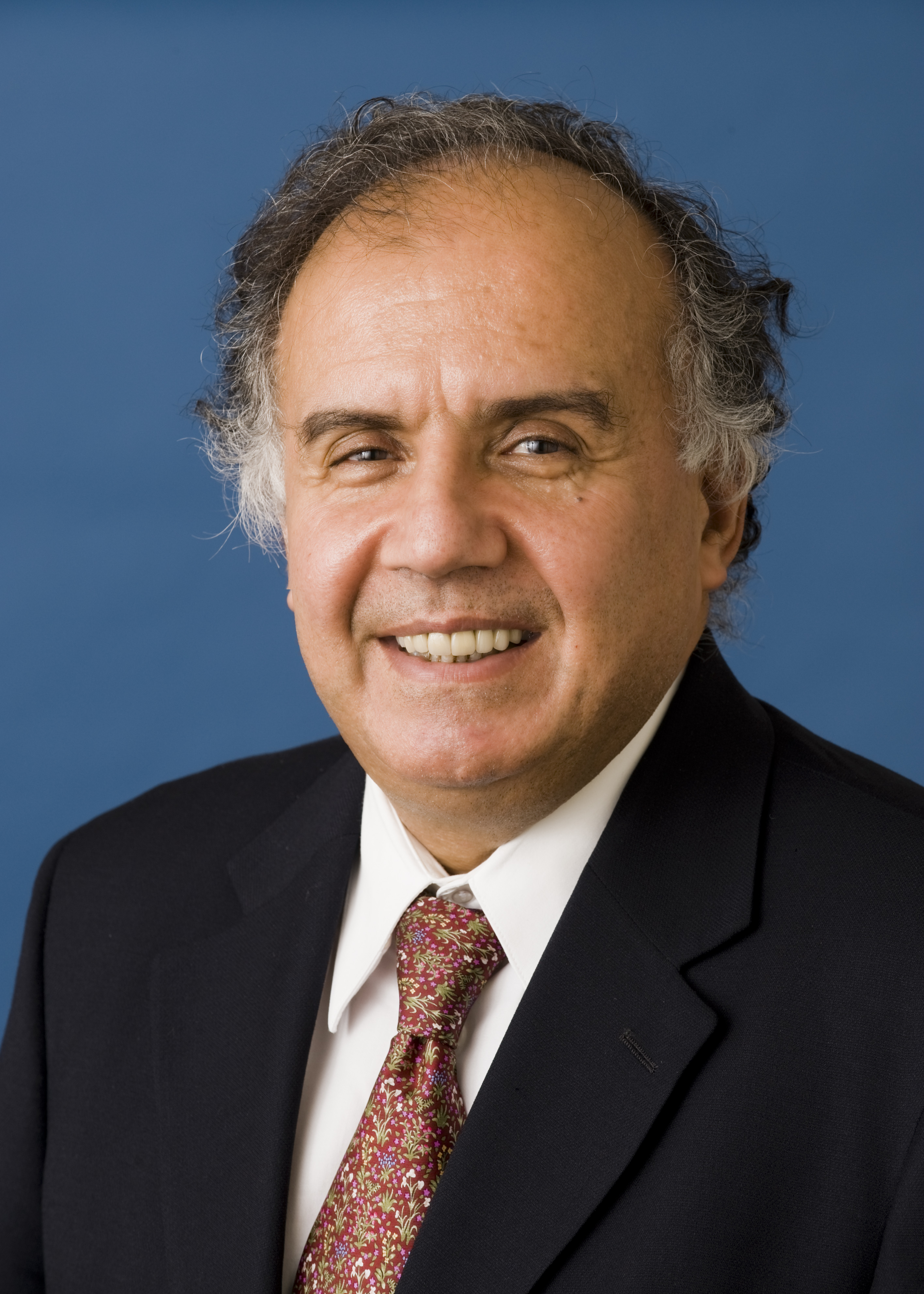
Former Senior Associate, International Economics Program
Dadush was a senior associate at the Carnegie Endowment for International Peace. He focuses on trends in the global economy and is currently tracking developments in the eurozone crisis.

Distinguished Fellow
Moisés Naím is a distinguished fellow at the Carnegie Endowment for International Peace, a best-selling author, and an internationally syndicated columnist.
Carnegie does not take institutional positions on public policy issues; the views represented herein are those of the author(s) and do not necessarily reflect the views of Carnegie, its staff, or its trustees.

For every ruble allocated to social policy, health, and education in 2027, double that amount is earmarked for the army, the police, and the security services.

Alexandra Prokopenko

Trump has promised Belarus a massive potash deal. But Minsk is seeking something greater: restored Western transit and greater room for maneuver from Russia.

Balázs Jarábik

Minsk clearly expected the dialogue with Washington to yield more results, in particular the lifting of EU sanctions and permission to export potash.

Artyom Shraibman

Depleted financial reserves and a shrinking tax base mean it is no longer possible to simultaneously deliver high defense spending, price stability, and economic growth.
Alexandra Prokopenko

Ongoing uncertainty in the Middle East allows Moscow to both increase its influence in Tehran and continue to enjoy the financial windfall of higher oil prices.

Nikita Smagin