

Commentary
Alexey Malashenko
{
  "authors": [
    "Alexey Malashenko"
  ],
  "type": "other",
  "centerAffiliationAll": "",
  "centers": [
    "Carnegie Endowment for International Peace",
    "Carnegie Europe",
    "Carnegie Russia Eurasia Center"
  ],
  "collections": [],
  "englishNewsletterAll": "",
  "nonEnglishNewsletterAll": "",
  "primaryCenter": "Carnegie Russia Eurasia Center",
  "programAffiliation": "",
  "programs": [],
  "projects": [
    "Eurasia in Transition"
  ],
  "regions": [
    "Asia"
  ],
  "topics": []
}
Source: Getty
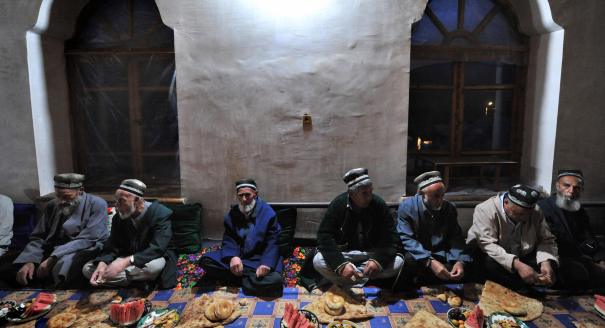
Tajikistan is among the most problematic countries in Central Asia. The country faces a number of challenges, including an economic crisis, regionalism, domestic political confrontation, and radical Islam.
In terms of internal and external security, Tajikistan has been among the most problematic countries in Central Asia. It is the only state in the region to have gone through a protracted civil war (1992-1997), which, according to various estimates, killed between 23,500 and 100,000 people (perhaps even more) and left the economy in ruins. The causes of this war were rooted not only in political confrontation, but also in confrontation between different regions, clans, and personalities, as well as confrontation within Islam between those who sought to build a secular state and those who wanted an Islamic state.
In his new Briefing, Alexey Malashenko writes about the current situation in Tajikistan and the country’s possible developments.

Former Scholar in Residence, Religion, Society, and Security Program
Malashenko is a former chair of the Carnegie Moscow Center’s Religion, Society, and Security Program.
Recent Work
Alexey Malashenko
Alexey Malashenko
Carnegie does not take institutional positions on public policy issues; the views represented herein are those of the author(s) and do not necessarily reflect the views of Carnegie, its staff, or its trustees.
For a real example of political forces engaged in the militarization of society, the Russian leadership might consider looking closer to home.

James D.J. Brown
Despite the organizers’ efforts, Intervision was unable to demonstrate its reason for existence, and ended up with disappointing viewing figures.

Andrey Shashkov
Golden Dome will press Russia into a new arms race, forcing it to devote yet more resources to its strategic forces at a time when the country can least afford it.
James D.J. Brown
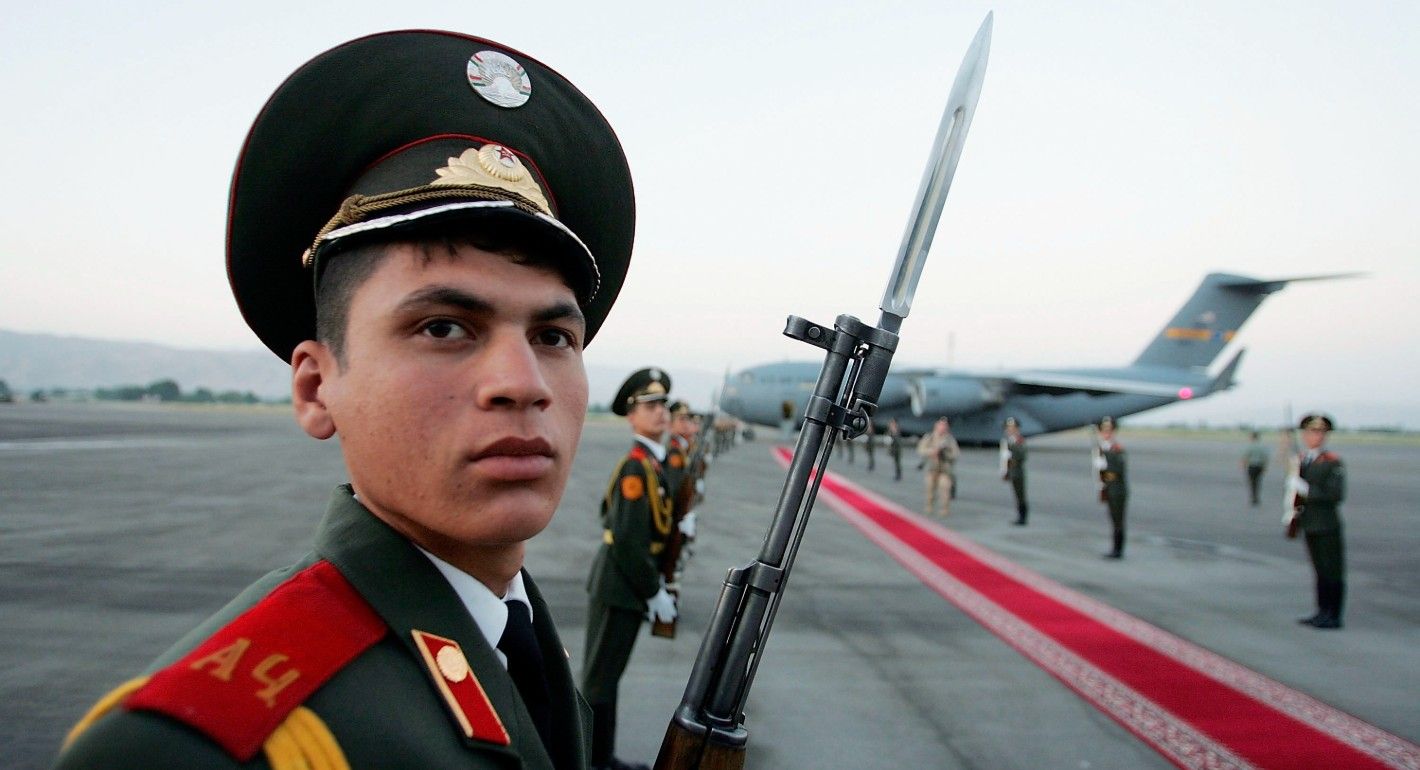
Tajikistan is at the forefront of China’s evolving role in global security. But China is not simply imposing its will on Tajikistan’s authoritarian government; the Tajik side is shaping the relationship as well, using China to strengthen its regime.

Edward Lemon, Ruslan Norov
A selection of experts answer a new question from Judy Dempsey on the foreign and security policy challenges shaping Europe’s role in the world.

Judy Dempsey