

Commentary
Judy Dempsey
{
  "authors": [
    "Judy Dempsey"
  ],
  "type": "legacyinthemedia",
  "centerAffiliationAll": "",
  "centers": [
    "Carnegie Endowment for International Peace",
    "Carnegie Europe"
  ],
  "collections": [],
  "englishNewsletterAll": "",
  "nonEnglishNewsletterAll": "",
  "primaryCenter": "Carnegie Europe",
  "programAffiliation": "",
  "programs": [],
  "projects": [],
  "regions": [
    "Europe"
  ],
  "topics": [
    "Foreign Policy"
  ]
}
Source: Getty
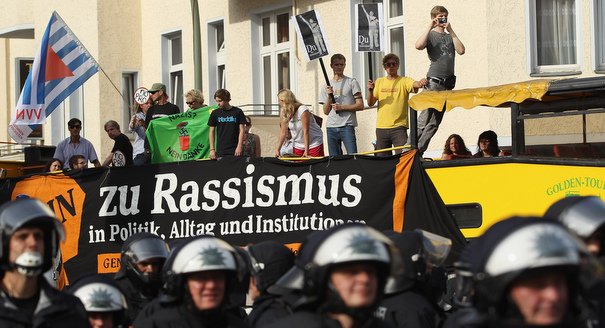
After another scandal damaged the creditability of Germany’s police force, more people are beginning to question whether the force is racist.
Source: New York Times

The latest scandal concerns two police officers serving in the southern state of Baden-Württemberg. They were members of the European White Knights, or E.W.K., which is linked to the extreme right-wing racist group, the Ku Klux Klan.
One of the police officers belongs to the regular police force, the other is a squad commander for a riot-control police unit.They are still in their jobs because they told their superior officers that when they joined the E.W.K. several years ago, they had been unaware of the intentions of the movement. They left after a few months.
Sebastian Edathy, a federal lawmaker and chairman of a parliamentary committee who is investigating a series of murders of Turks and a policewoman by the extreme right-wing National Socialist Underground, said the two officers should have been dismissed.
“Civil servants who are or were members of a decidedly anti-democratic, extremist organization must be removed from the police force,” he said.
Coincidentally, the two policemen were colleagues of Michele Kiesewetter, the policewoman murdered by the National Socialist Underground.
In another racist incident made public last March, the police union in Bavaria had distributed a calendar depicting caricatures of black people with comments in offensive language.
The police union said it could not understand what the fuss was about.
“People are acting as if there is no such thing as police jargon,” said Hermann Benker who was responsible for distributing the calendar. He said the union had, until now, been producing the calendar for six years. Had anyone complained before? No.

Nonresident Senior Fellow, Carnegie Europe
Judy Dempsey is a nonresident senior fellow at Carnegie Europe
Recent Work
Judy Dempsey
Judy Dempsey
Carnegie does not take institutional positions on public policy issues; the views represented herein are those of the author(s) and do not necessarily reflect the views of Carnegie, its staff, or its trustees.
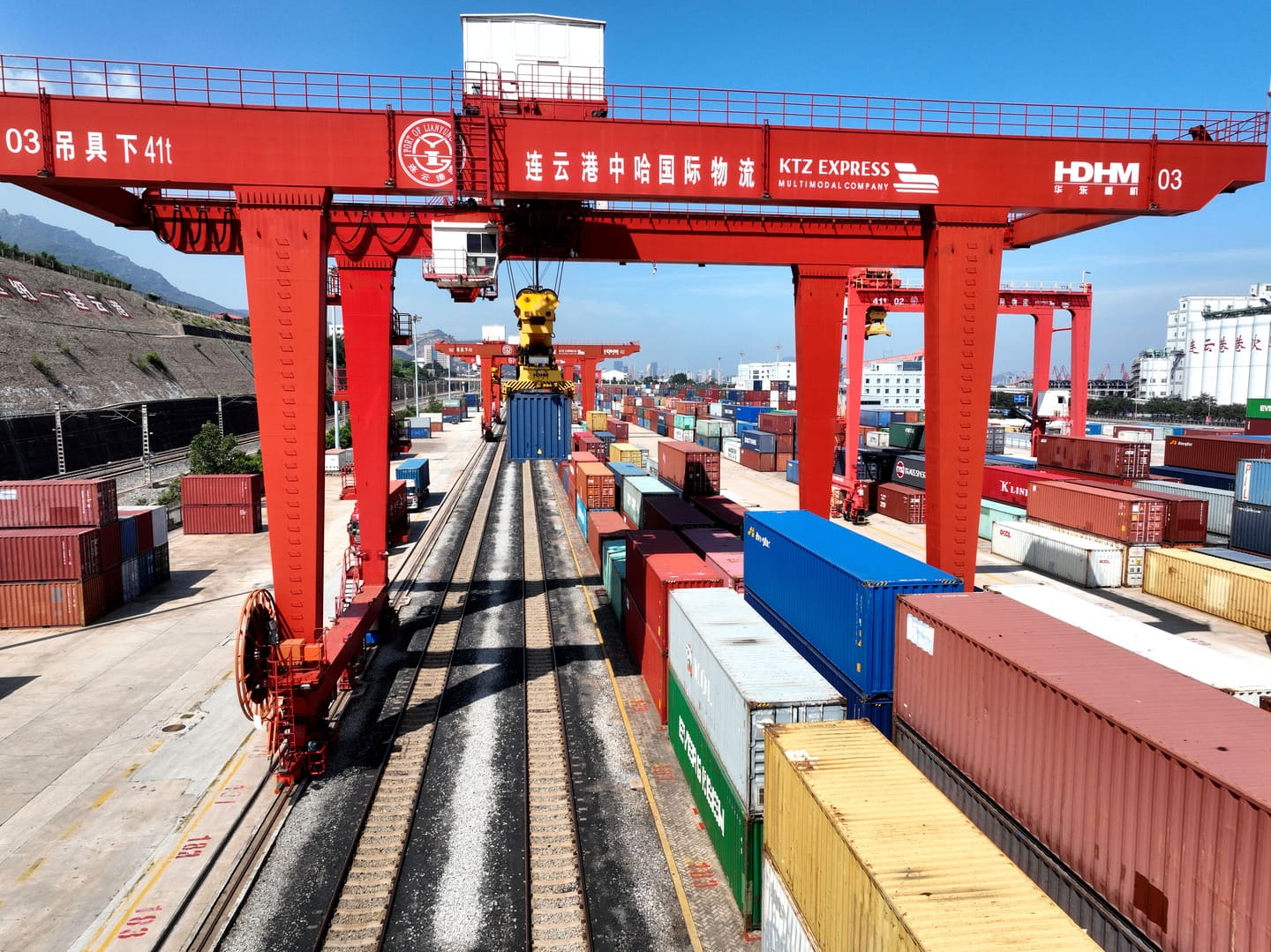
For the Middle Corridor to fulfill its promises, one of these routes must become scalable. At present, neither is.
Friedrich Conradi

Although Ukrainian strikes have led to a noticeable decline in the physical volume of Russian oil exports, the rise in prices has more than made up for it.

Sergey Vakulenko

The Russian leadership wants to avoid a dangerous precedent in which it is squeezed out of Iran by the United States and Israel—and left powerless to respond in any meaningful way.

Nikita Smagin
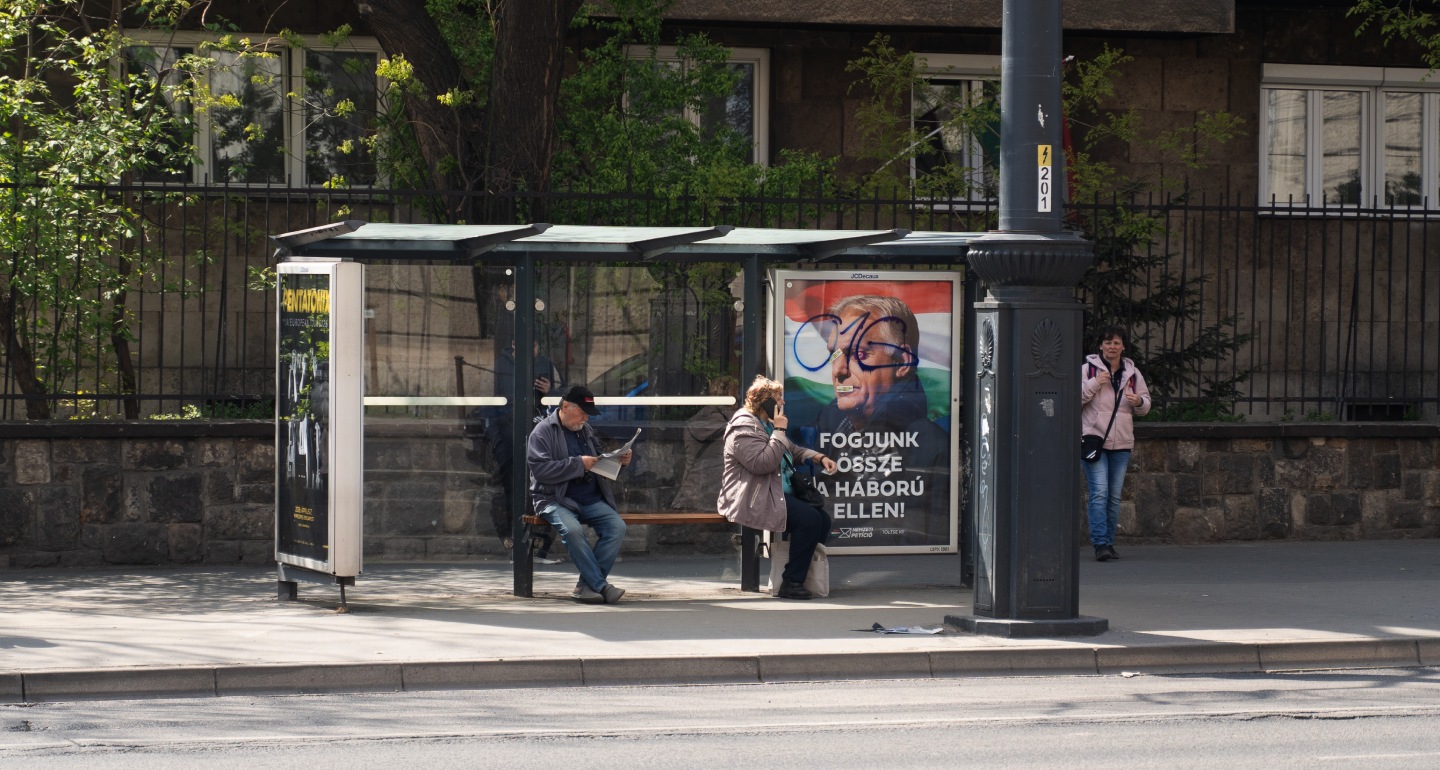
Orbán created an image for himself as virtually the only opponent of aid to Ukraine in the entire EU. But in reality, he was simply willing to use his veto to absorb all the backlash, allowing other opponents to remain in the shadows.
Maksim Samorukov

Central Asia’s digital ambitions are achievable, but only if policy is aligned with the region’s physical constraints.

Aruzhan Meirkhanova