

Article
Deborah Gordon, Stephen D. Ziman
{
  "authors": [
    "Deborah Gordon"
  ],
  "type": "legacyinthemedia",
  "centerAffiliationAll": "dc",
  "centers": [
    "Carnegie Endowment for International Peace"
  ],
  "collections": [],
  "englishNewsletterAll": "ctw",
  "nonEnglishNewsletterAll": "",
  "primaryCenter": "Carnegie Endowment for International Peace",
  "programAffiliation": "SCP",
  "programs": [
    "Sustainability, Climate, and Geopolitics"
  ],
  "projects": [
    "Carnegie Oil Initiative"
  ],
  "regions": [
    "North America"
  ],
  "topics": [
    "Climate Change"
  ]
}
Source: Getty
The shift from extracting, processing, and consuming conventional fuel sources to unconventional oils carries a host of still unknown consequences for international economics, technology development, and the environment.
Source: U.S. Embassy Berlin
Speaking at the U.S. Embassy in Berlin, Carnegie's Deborah Gordon explained that the global energy supply is witnessing a major shift in petroleum sources as production of conventional oils plateau and will soon begin a steady decline. Unlike the mostly homogeneous oils the world community has increasingly extracted, processed, and consumed for the last forty years, unconventional oils are both more difficult to tap and more varied in characteristics, Gordon said. Unconventional oils, however, are still fossil fuels, which means their emissions of carbon dioxide still contribute to climate change. Because the international community is in the early stages of exploration and extraction, the regulatory system that is currently held for conventional oils may not safeguard against the new, potential harms of unconventional oil production, Gordon concluded.

Former Director and Senior Fellow, Energy and Climate Program
Gordon was director of Carnegie’s Energy and Climate Program, where her research focuses on oil and climate change issues in North America and globally.
Recent Work
Deborah Gordon, Stephen D. Ziman
Deborah Gordon, Smriti Kumble, David Livingston
Carnegie does not take institutional positions on public policy issues; the views represented herein are those of the author(s) and do not necessarily reflect the views of Carnegie, its staff, or its trustees.
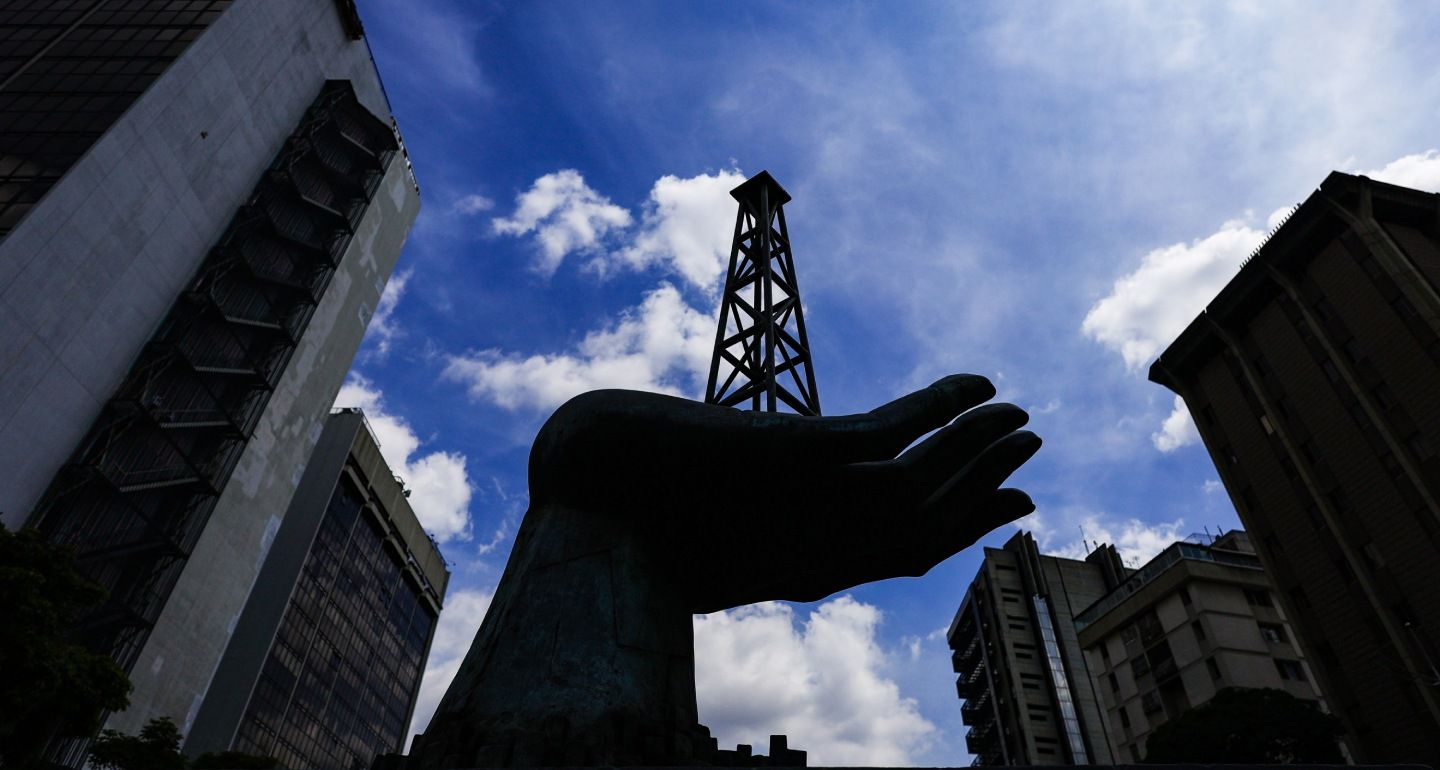
Geological complexity and years of mismanagement mean the Venezuelan oil industry is not the big prize officials in Moscow and Washington appear to believe.

Sergey Vakulenko

Inflicting damage on oil infrastructure in Russia that is used by Kazakhstan and a whole series of Western oil majors risks backfiring on Kyiv.
Sergey Vakulenko

Mutual suspicion between Moscow and Ankara is growing as Türkiye cozies up to Washington and NATO while reducing its dependence on Russian energy.

Ruslan Suleymanov

Much depends on Washington’s appetite for enforcement when it comes to the effectiveness of the sanctions on oil majors Lukoil and Rosneft.
Sergey Vakulenko
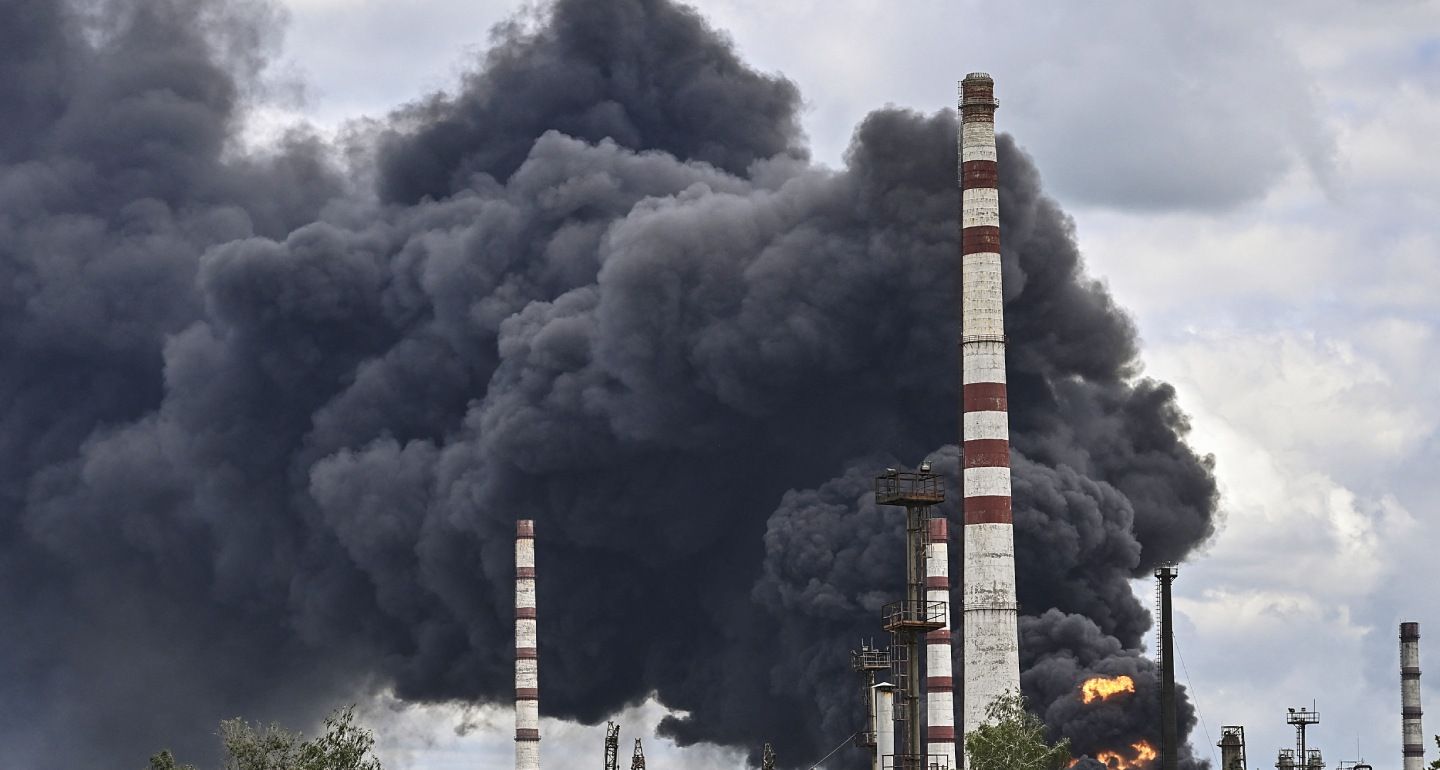
Kyiv’s unprecedented strike campaign on Russian oil refineries has inflicted serious—but likely not critical—damage on the country’s ability to produce fuel.
Sergey Vakulenko