

Commentary
Judy Dempsey
{
  "authors": [
    "Judy Dempsey"
  ],
  "type": "legacyinthemedia",
  "centerAffiliationAll": "",
  "centers": [
    "Carnegie Endowment for International Peace",
    "Carnegie Europe",
    "Carnegie Russia Eurasia Center"
  ],
  "collections": [],
  "englishNewsletterAll": "",
  "nonEnglishNewsletterAll": "",
  "primaryCenter": "Carnegie Europe",
  "programAffiliation": "",
  "programs": [],
  "projects": [],
  "regions": [
    "Russia",
    "Europe"
  ],
  "topics": [
    "Foreign Policy"
  ]
}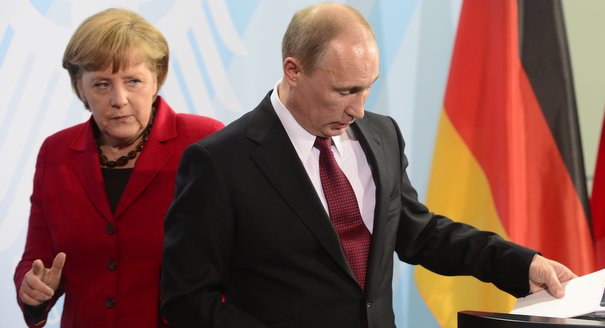
Source: Getty
An increasing number of German politicians from the main political parties are questioning Berlin's special relationship with Russia under President Vladimir V. Putin.
Source: New York Times

This beautifully carved work, done between 1360 and 1370, shows scenes of Russian hunters armed with axes, bows and arrows, and sticks. Once they have caught their prey, they select the finest furs and hides. The Russians then approach the German traders. The traders stand, arms folded, waiting to bargain.
The woodcut captures the old trading ties between Russians and Germans.
Despite the many vicissitudes, culminating in the terrible suffering of World War II, the relationship has been remarkably close. Germany is Russia’s most important trading partner and a loyal ally in the European Union.
Yet over the past few weeks, an increasing number of German politicians from the main political parties are questioning Berlin’s special relationship with Russia under Putin Two, as President Vladimir V. Putin’s return to the presidency has been called.“There is definitely a change in the discourse,” said Stefan Meister, a Russia specialist at the German Council on Foreign Relations in Berlin. “There are a number of politicians now saying that something is going wrong with Russia and that Germany must reassess its strategy toward Moscow. The big question is, how can the policy be changed, or what is the alternative?”
Over the years, Germany’s strategy toward Russia was focused on trying to bring Russia as close as possible to Europe. To achieve that goal, successive governments have used trade, loans, stronger energy ties and more.
The former Social Democrat-Green coalition under Gerhard Schröder as well as Chancellor Angela Merkel’s center-right coalition agreed to support the modernization of the Russian economy. They hoped that over time, modernization would infiltrate the political system to make it more democratic and accountable.
That has not happened.
A parliamentary motion by Ms. Merkel’s conservative bloc that was toned down by the Foreign Ministry — its top diplomats believe Russia is too important in global affairs to confront — questioned where Russia was heading and how Germany should react.
The motion bemoaned the lack of progress over modernization, the absence of transparency, the corruption, the curbing of nongovernmental organizations and the imprisonment of the Pussy Riot band members.
Andreas Schockenhoff, a conservative lawmaker and Germany’s special envoy responsible for Russia, said recently that Russia’s disregard for the rule of law was damaging Russia itself and its attempts to establish a modern, competitive economy.
Last week, the Russian Foreign Ministry hit back with undiplomatic language against Mr. Schockenhoff. It accused him of “making defamatory remarks” about Russia.
The ministry even said that the Kremlin no longer regarded Mr. Schockenhoff as having the authority to speak on behalf of the German government.
The reaction by the government was revealing. The German Foreign Ministry barely came to Mr. Schockenhoff’s defense — but the Chancellery went on the offensive.
The criticism of Mr. Schockenhoff “astonished us,” said Steffen Seibert, the government’s spokesman. It was not up to Russia to decide who spoke on Germany’s behalf. Ms. Merkel, he added, fully intended to speak her mind when she meets Mr. Putin next month in Russia. “There will have to be frank words spoken there,” Mr. Seibert warned.
Even the opposition Social Democrats are no longer prepared to remain silent over Russia. To this day, they are embarrassed by Mr. Schröder’s description of Mr. Putin in 2005 as an “impeccable democrat.” Mr. Schröder went on to be a top adviser to Gazprom, Russia’s state-run energy monopoly, soon after he was defeated in 2005 by Ms. Merkel.
Franz Thönnes, a Social Democrat lawmaker and member of the Parliament’s Foreign Affairs Committee, has openly criticized Mr. Putin’s crackdown on nongovernmental organizations and questioned the success of Russia’s modernization program.
Yet despite this changed discourse about Russia, Germany has yet to adopt a new strategy.
The conservative bloc and the opposition advocate a much broader dialogue, especially with civil society movements. They believe Russia under Mr. Putin has changed so much that Germany needs new interlocutors and a new approach.
But any new strategy needs the support of the Foreign Ministry and also industry, particularly the Ost-Ausschuss. This influential lobby, which is active throughout the former Soviet Union, is extremely reluctant to criticize the Kremlin and does not relish German criticism of Russia.
In practice, this means that as long as Germany fails to adopt a new strategy toward Russia, the European Union will continue to have no long-term and united policy toward Moscow. That could only happen, Mr. Meister said, “once Germany really recognizes that its current approach has failed.”

Nonresident Senior Fellow, Carnegie Europe
Judy Dempsey is a nonresident senior fellow at Carnegie Europe
Recent Work
Judy Dempsey
Judy Dempsey
Carnegie does not take institutional positions on public policy issues; the views represented herein are those of the author(s) and do not necessarily reflect the views of Carnegie, its staff, or its trustees.

If the Russian-speaking community in Latvia cannot articulate their interests without being seen as disloyal, they could end up embracing a pro-Kremlin agenda.

Sergejs Potapkins

Russia’s ruling party would have benefited from Putin appearing as its distant patron, but as an active frontman imposing his views on the public, he has done nothing but harm both the party’s election campaign and the ruling system overall.

Andrey Pertsev

Depleted financial reserves and a shrinking tax base mean it is no longer possible to simultaneously deliver high defense spending, price stability, and economic growth.

Alexandra Prokopenko
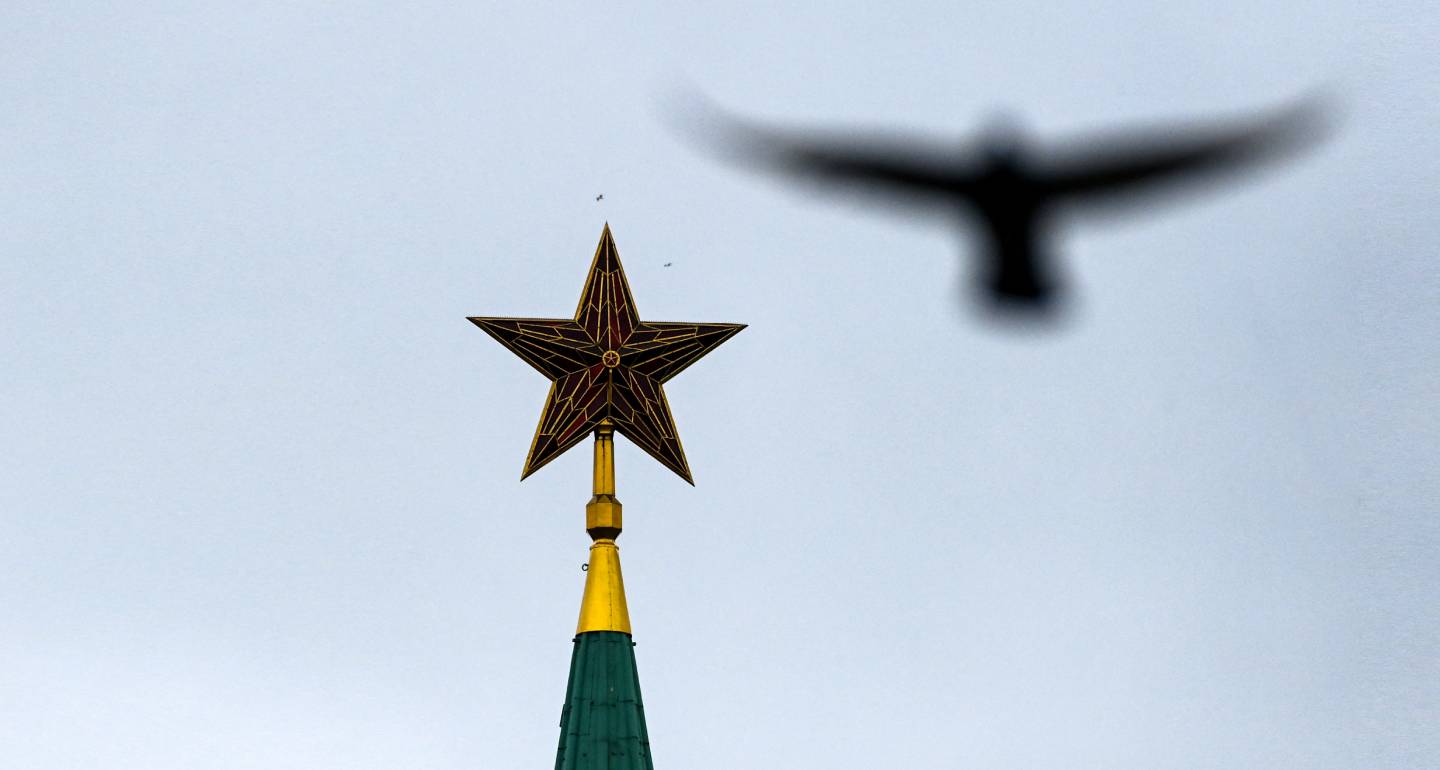
Blurring the line between humans and animals is a long-standing tradition in social utopian prose. In his latest novel, Leonid Bershidsky reminds us that in social experiments, people are often treated no differently than animals.

Alexander Baunov
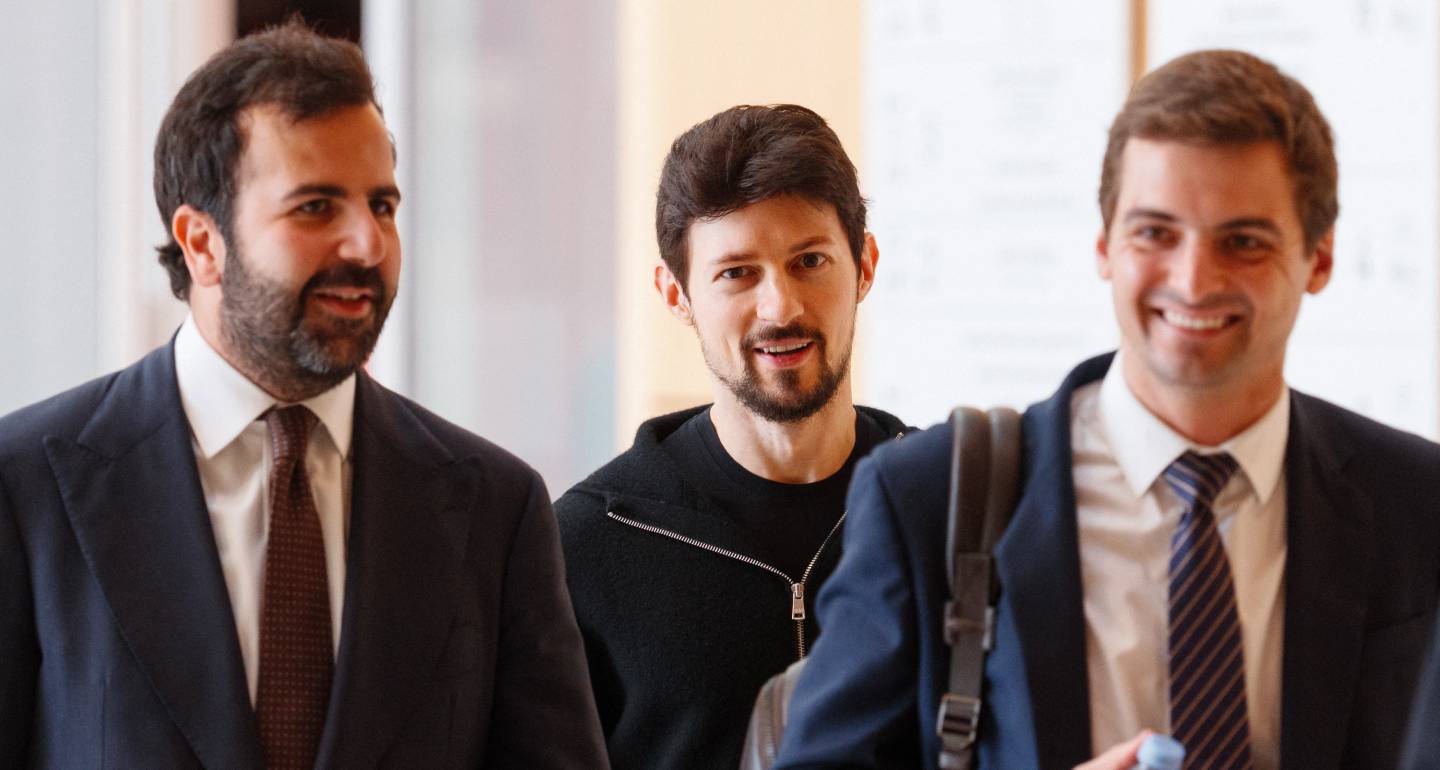
While France and Australia are seeking to establish the legal obligations of messaging apps like Telegram, Russia wants total subordination.

Maria Kolomychenko