

Paper
James M. Acton, Ankit Panda
{
  "authors": [
    "James M. Acton"
  ],
  "type": "legacyinthemedia",
  "centerAffiliationAll": "dc",
  "centers": [
    "Carnegie Endowment for International Peace"
  ],
  "collections": [
    "Korean Peninsula"
  ],
  "englishNewsletterAll": "ctw",
  "nonEnglishNewsletterAll": "",
  "primaryCenter": "Carnegie Endowment for International Peace",
  "programAffiliation": "NPP",
  "programs": [
    "Nuclear Policy"
  ],
  "projects": [],
  "regions": [
    "East Asia",
    "North Korea"
  ],
  "topics": [
    "Nuclear Policy",
    "Arms Control"
  ]
}
Source: Getty
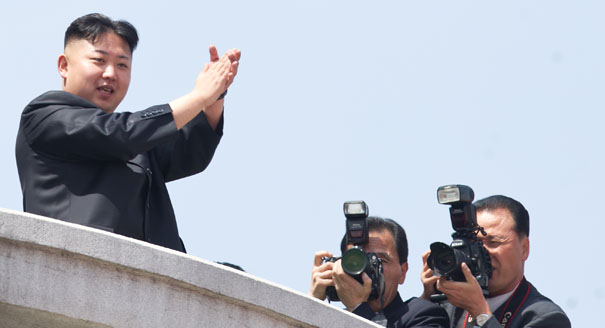
The UN Security Council says there has been a nuclear test in North Korea.
Source: Al Jazeera
Appearing on Al Jazeera, Carnegie's James Acton discussed the diplomatic response and key elements of the latest North Korean nuclear test. Acton pointed out that the diplomatic response to what seems like North Korea's third nuclear test will see a good deal of condemnation. "How this will be interpreted by the international community is going to depend quite heavily on how big the yield of this test was," said Acton. "There's a lot of uncertainty at the moment, but if it's really one kilometer, which is actually pretty deep for a nuclear test, this test could be substantially larger than the previous two," Acton added.
Acton argued that the United States and South Korea will not want to escalate the military response at the initial stages of their reactions, but will instead work with the United Nations and China to condemn the test. "They key issue about this nuclear test will be - if radioactive particles are detected in the air - to see if it's a uranium test or a plutonium test," Acton concluded.

Jessica T. Mathews Chair, Co-director, Nuclear Policy Program
Acton holds the Jessica T. Mathews Chair and is co-director of the Nuclear Policy Program at the Carnegie Endowment for International Peace.
Recent Work
James M. Acton, Ankit Panda
James M. Acton
Carnegie does not take institutional positions on public policy issues; the views represented herein are those of the author(s) and do not necessarily reflect the views of Carnegie, its staff, or its trustees.
Tokyo would have to surmount a lot of obstacles—not least Western sanctions—if it wanted to return Russian oil imports to even modest pre-2022 volumes.

Vladislav Pashchenko
Troubled by the growing salience of nuclear debates in East Asia, Moscow has responded in its usual way: with condemnation and threats. But by exacerbating insecurity, Russia is forcing South Korea and Japan to consider radical security options.

James D.J. Brown
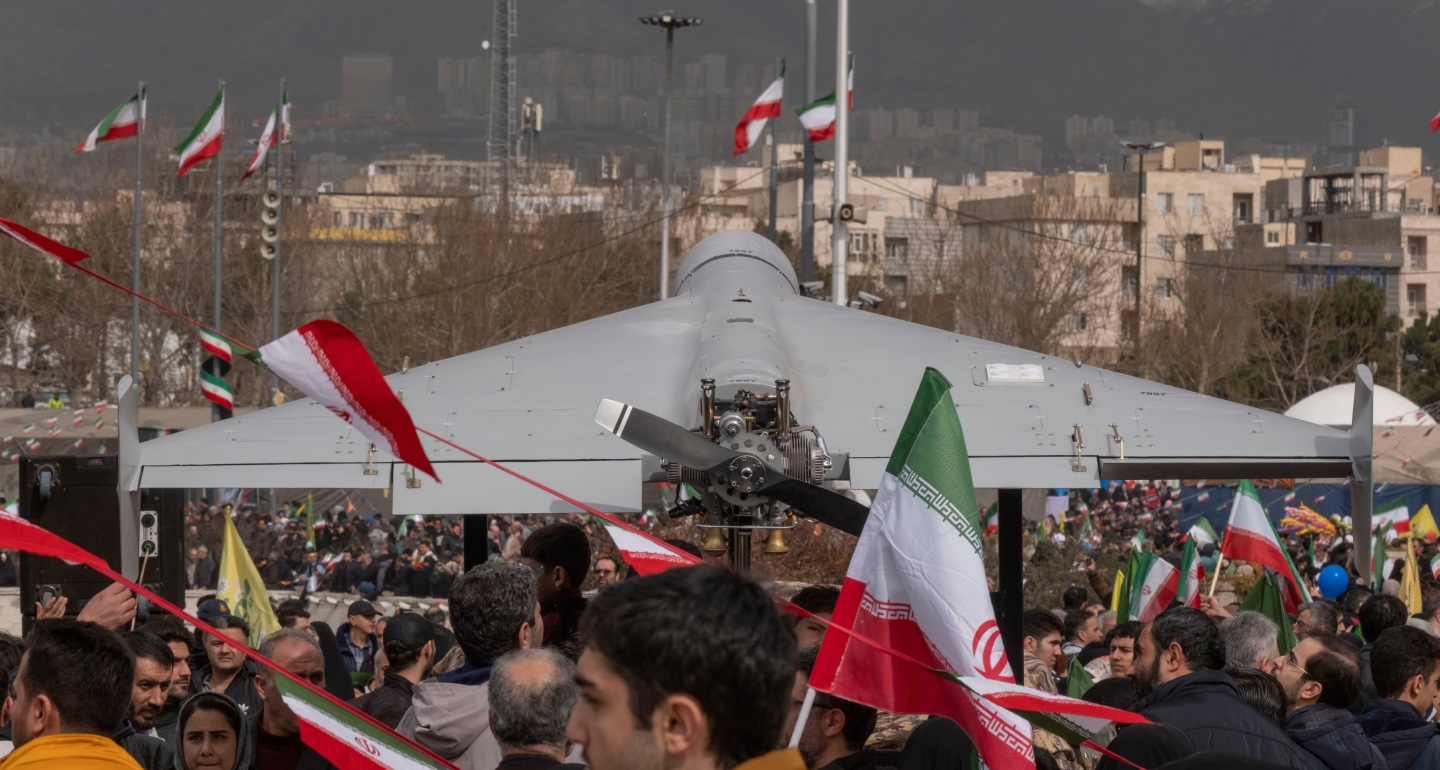
The Russian leadership wants to avoid a dangerous precedent in which it is squeezed out of Iran by the United States and Israel—and left powerless to respond in any meaningful way.

Nikita Smagin
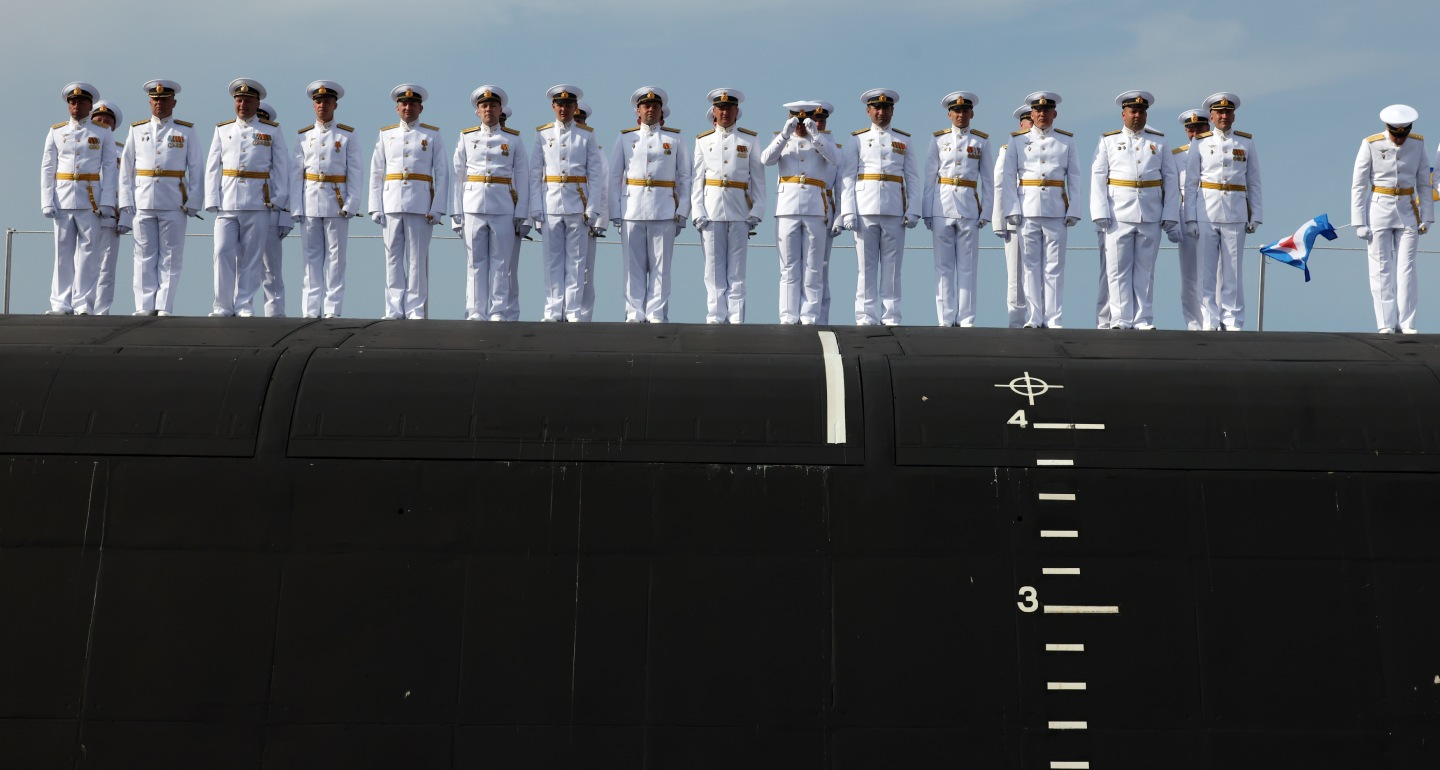
For Putin, upgrading Russia’s nuclear forces was a secondary goal. The main aim was to gain an advantage over the West, including by strengthening the nuclear threat on all fronts. That made growth in missile arsenals and a new arms race inevitable.
Maxim Starchak
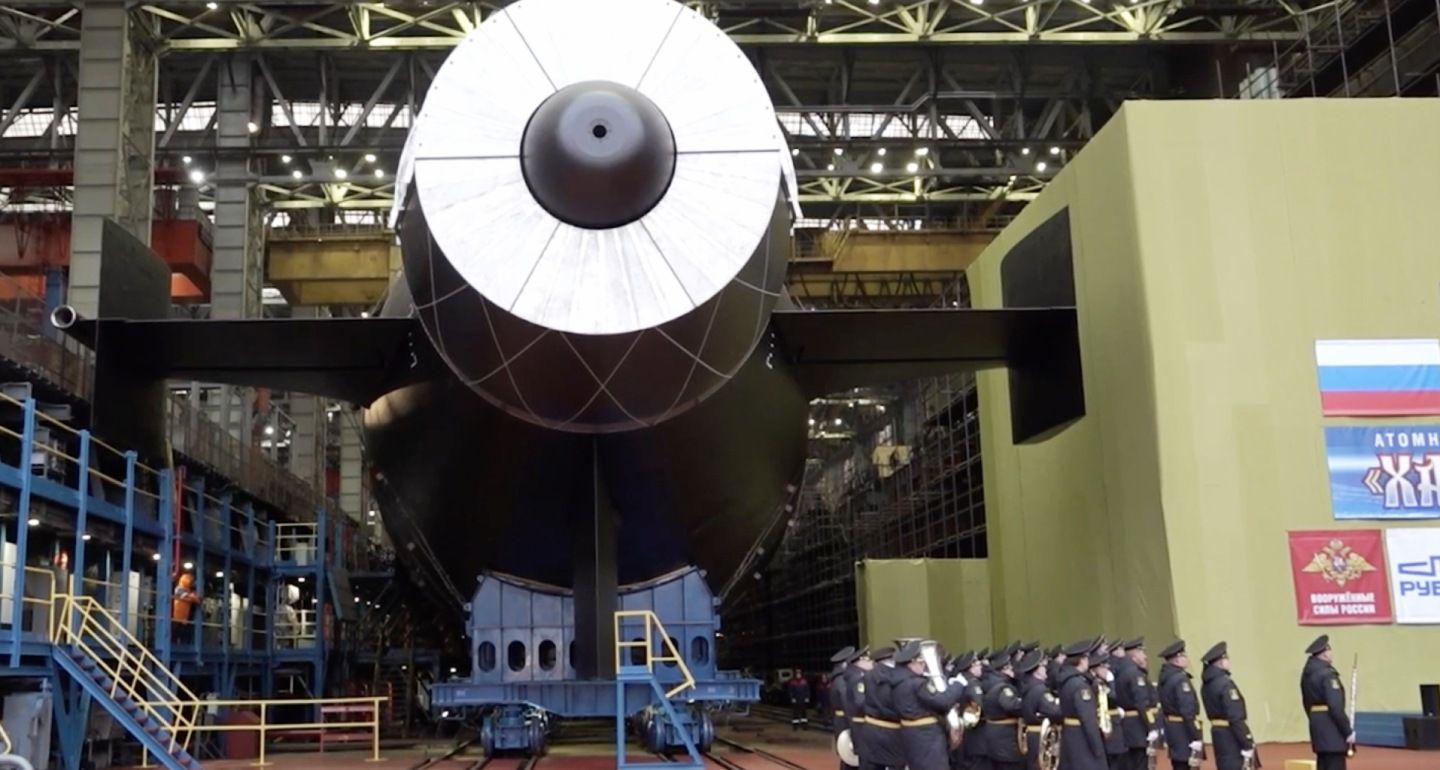
The Kremlin will only be prepared to negotiate strategic arms limitations if it is confident it can secure significant concessions from the United States. Otherwise, meaningful dialogue is unlikely, and the international system of strategic stability will continue to teeter on the brink of total collapse.
Maxim Starchak