

Q&A
Aaron David Miller, Karim Sadjadpour, Robin Wright
{
  "authors": [
    "Karim Sadjadpour"
  ],
  "type": "legacyinthemedia",
  "centerAffiliationAll": "dc",
  "centers": [
    "Carnegie Endowment for International Peace"
  ],
  "collections": [],
  "englishNewsletterAll": "menaTransitions",
  "nonEnglishNewsletterAll": "",
  "primaryCenter": "Carnegie Endowment for International Peace",
  "programAffiliation": "MEP",
  "programs": [
    "Middle East"
  ],
  "projects": [],
  "regions": [
    "Middle East",
    "Iran"
  ],
  "topics": [
    "Political Reform"
  ]
}
Source: Getty
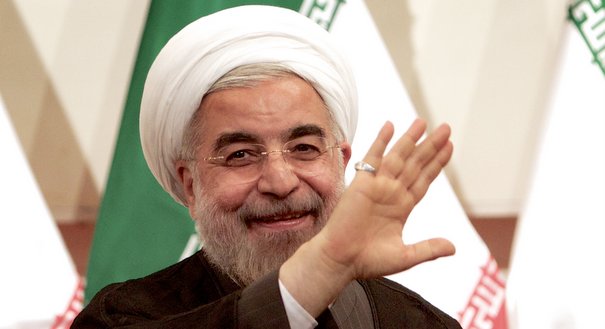
It's been obvious for a while that people in Iran want to see change, but what was quite surprising was that the ballots actually were counted and Rowhani was allowed to win.
Source: NPR’s Weekend Edition
SCOTT SIMON, HOST: This is WEEKEND EDITION from NPR News. I'm Scott Simon. The Iranian interior minister has announced on state TV that Hasan Rowhani has won that country's presidential election. Mr. Rowhani reportedly won 53 percent of the vote. He's considered a moderate on Iran's political spectrum. Karim Sadjadpour is a senior associate at the Carnegie Endowment for International Peace, and joins us. Thanks very much for being with us.
KARIM SADJADPOUR: Thank you.SIMON: How do you read this election result?
SADJADPOUR: Well, what's interesting is that of all the candidates that were permitted to run, Hasan Rowhani was the most moderate. And for that reason people didn't expect him to be able to win because over the last decade in Iran, moderates and reformists have been systematically purged from the system.
So I think this was a very surprising outcome, not because the Iranian public didn't want change. I think this was - it's been obvious for a while that people in Iran want to see change. But what was quite surprising was that the ballots actually were counted and Rowhani was allowed to win.
SIMON: What kind of change do you think his election might suggest?
SADJADPOUR: Well, after a decade of kind of foreign policy of resistance, especially on the nuclear file, nuclear intransigence. And then domestically, increasingly securitized atmosphere at home where people felt increasingly that they were living under a repressive securitized authoritarian regime. I would argue that the clouds of oppression - or the clouds of repression - have parted ever so slightly. Too early to say what's going to happen, but at least domestically I think many moderates in Iran are breathing a sigh of relief.
And with regards to foreign policy, instead of having a president like Mahmoud Ahmadinejad who denies the Holocaust and is belligerent towards Israel, Rowhani is much more sophisticated. He studied in Scotland, he speaks English, he's not known as kind of a visceral anti-American ideologue.
So I think this is a pretty significant occurrence. The supreme leader will continue to likely have the last word on matters of major import like relations with the United States and the nuclear issue, but I think is something that we should take very seriously. It was a very unexpected occurrence.
SIMON: In the seconds we have left, he's a former nuclear negotiator; moderate that he is, does he believe in Iran developing a nuclear weapon?
SADJADPOUR: I think he's one of those figures who, on one hand wants Iran to be strong. He believes in the Islamic republic. But I think he would also like an Iran which is more at peace with the outside world and reintegrated into the international community. So from the vantage points of the White House, that's positive.
SIMON: Karim Sadjadpour, senior associate at the Carnegie Endowment for International Peace. Thanks for being with us.
SADJADPOUR: Anytime. Thank you.
This interview was originally broadcast by NPR's Weekend Edition.

Senior Fellow, Middle East Program
Karim Sadjadpour is a senior fellow at the Carnegie Endowment for International Peace, where he focuses on Iran and U.S. foreign policy toward the Middle East.
Recent Work


Aaron David Miller, Karim Sadjadpour, Robin Wright
Aaron David Miller, David Petraeus, Karim Sadjadpour
Carnegie does not take institutional positions on public policy issues; the views represented herein are those of the author(s) and do not necessarily reflect the views of Carnegie, its staff, or its trustees.
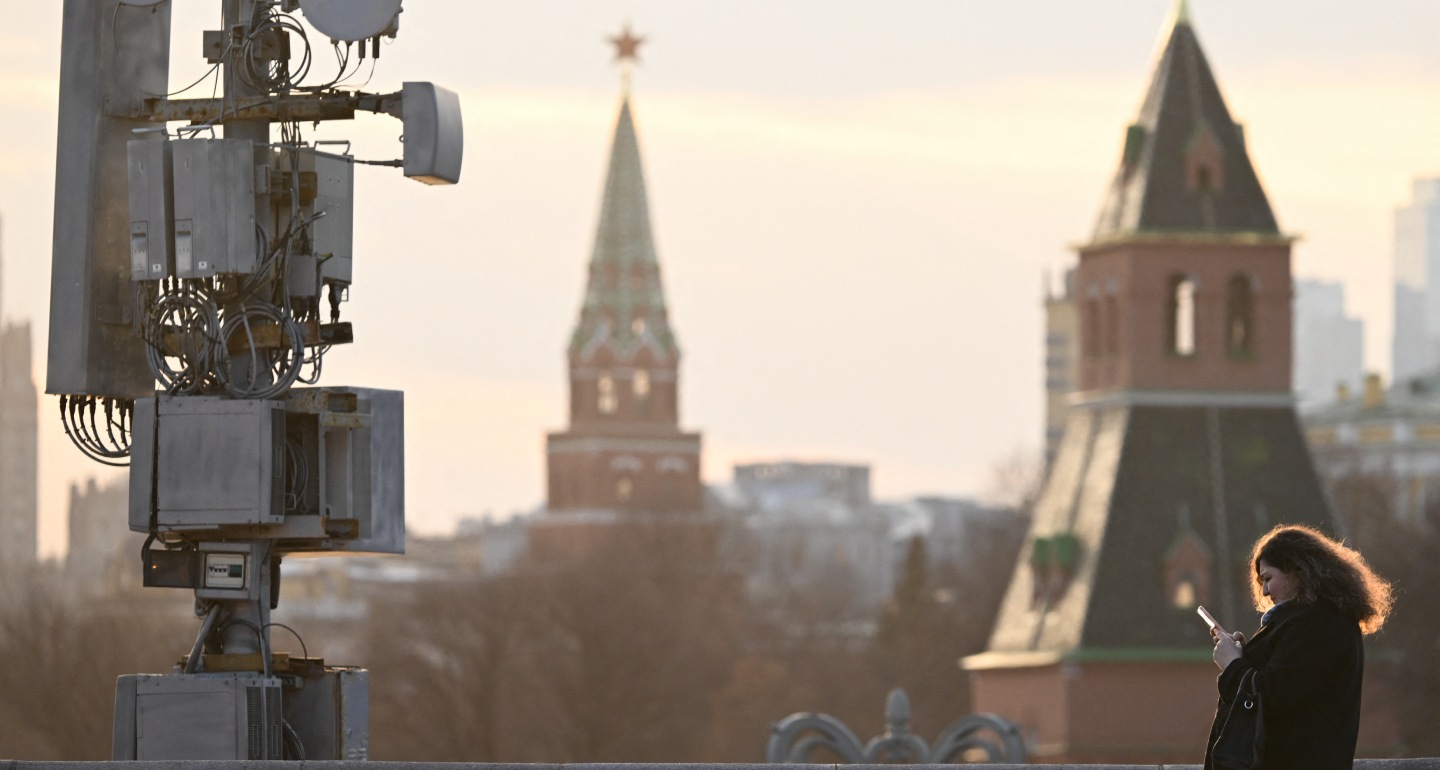
The Russian state has opted for complete ideological control of the internet and is prepared to bear the associated costs.

Maria Kolomychenko
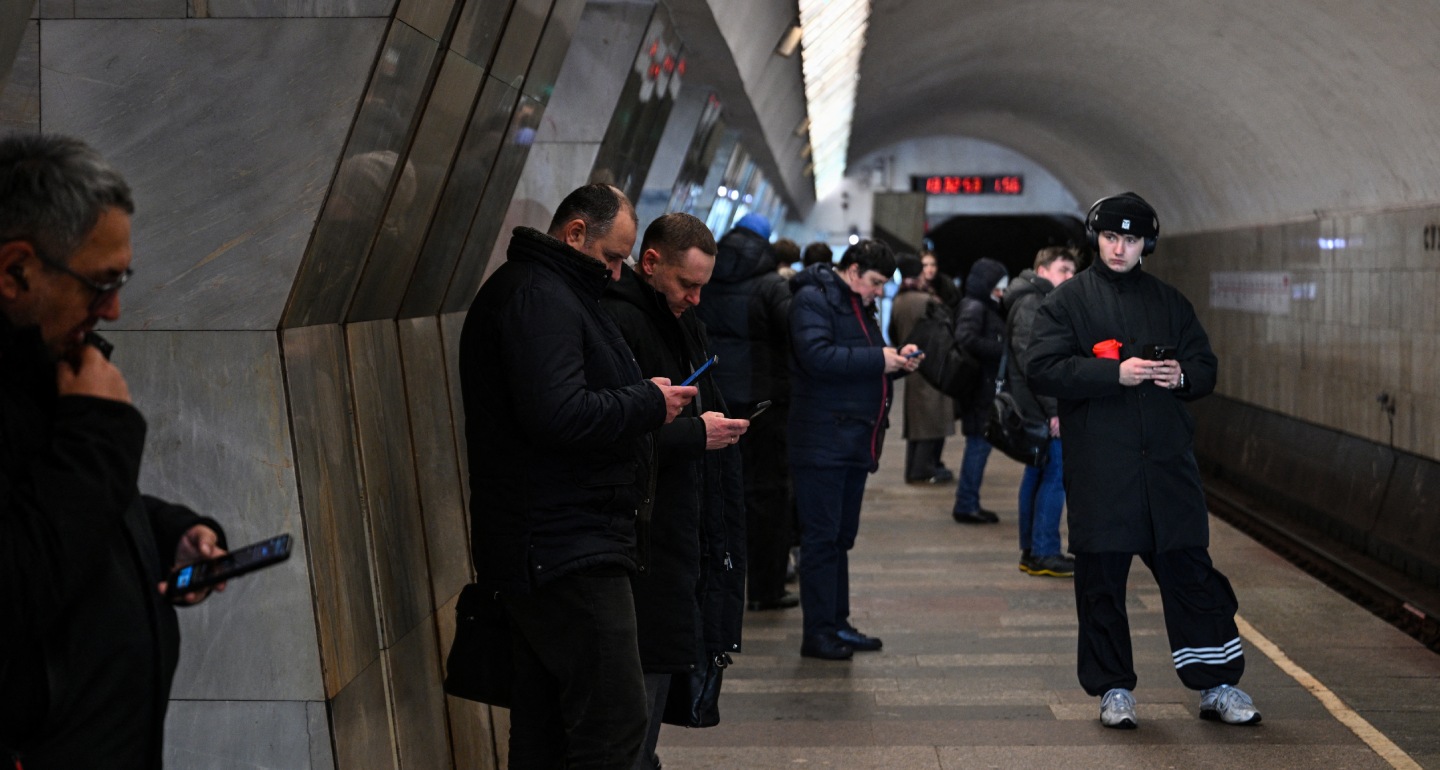
After four years of war, there is no one who can stand up to the security establishment, and President Vladimir Putin is increasingly passive.

Tatiana Stanovaya
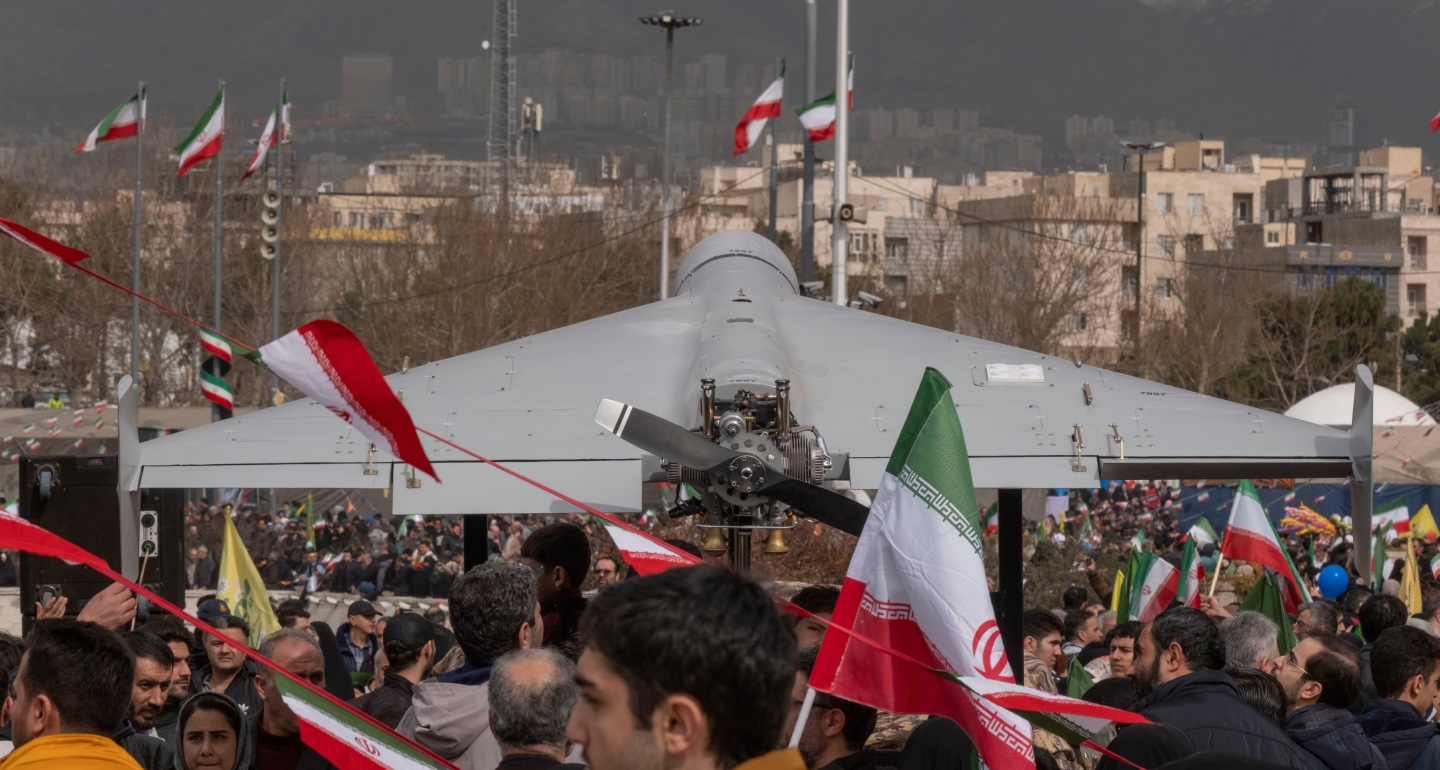
The Russian leadership wants to avoid a dangerous precedent in which it is squeezed out of Iran by the United States and Israel—and left powerless to respond in any meaningful way.

Nikita Smagin
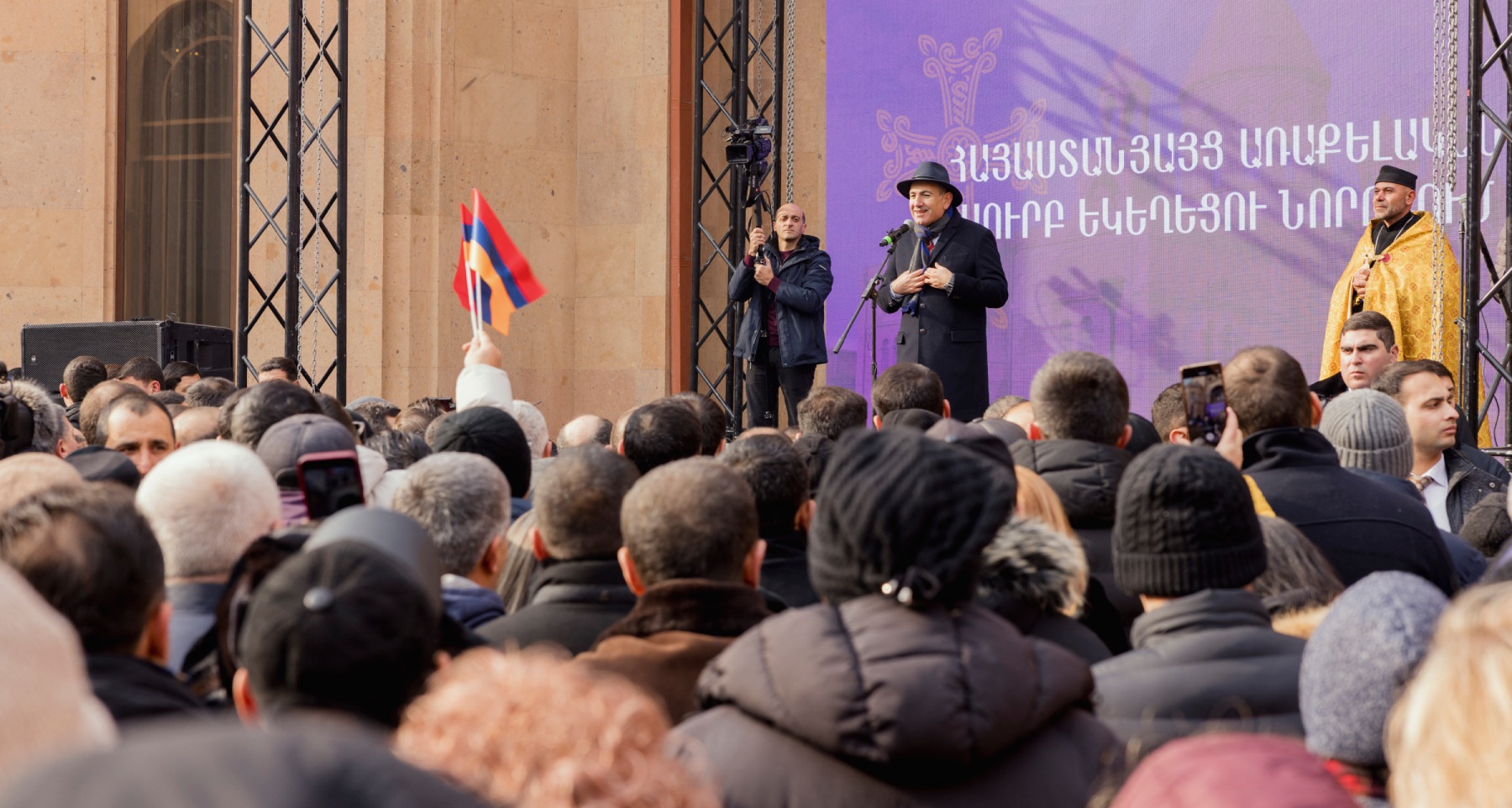
It’s true that many Armenians would vote for anyone just to be rid of Pashinyan, whom they blame for the loss of Nagorno-Karabakh, but the pro-Russia opposition is unlikely to be able to channel that frustration into an electoral victory.
Mikayel Zolyan
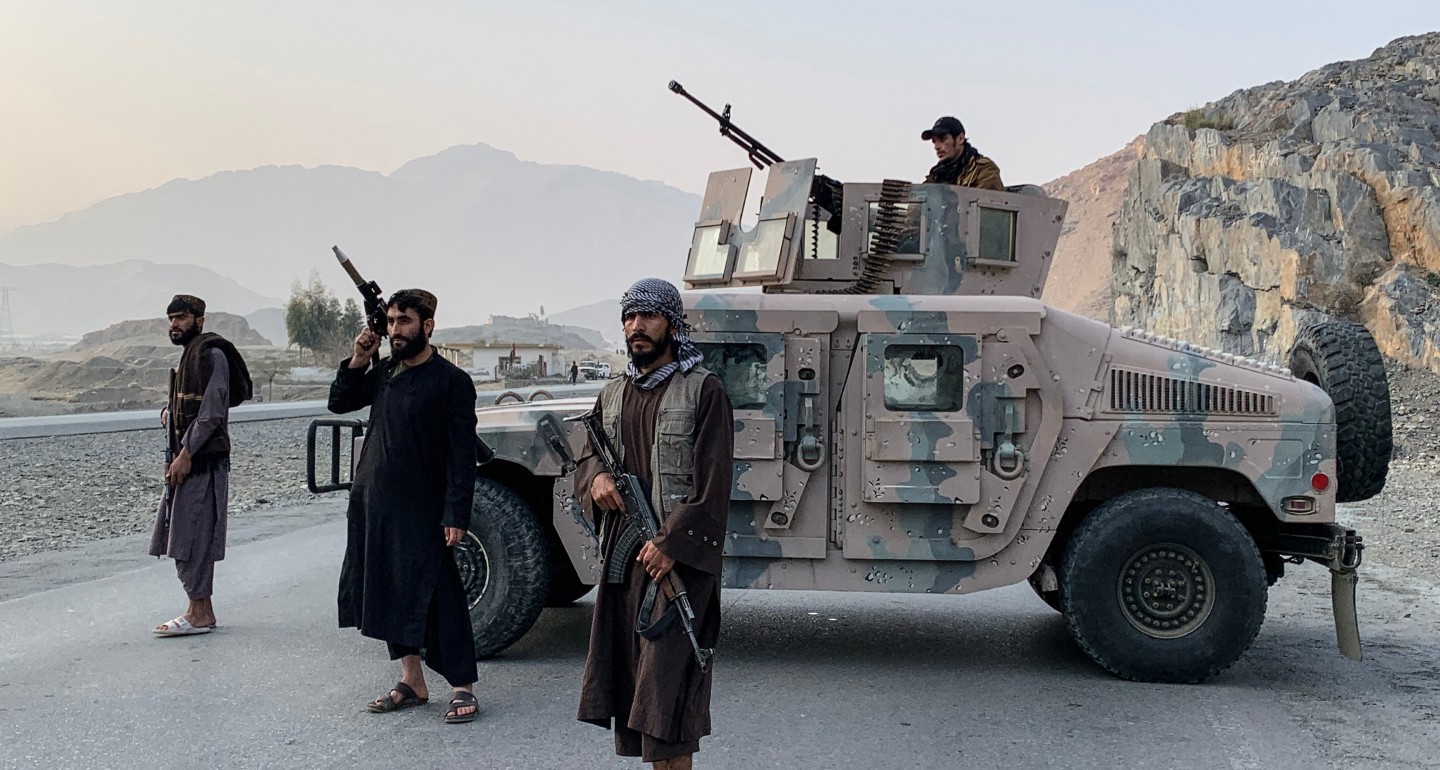
Not only does the fighting jeopardize regional security, it undermines Russian attempts to promote alternatives to the Western-dominated world order.
Ruslan Suleymanov