

Research
- +10
Rosa Balfour, Frances Z. Brown, Yasmine Farouk, …
{
  "authors": [
    "Moisés Naím"
  ],
  "type": "legacyinthemedia",
  "centerAffiliationAll": "",
  "centers": [
    "Carnegie Endowment for International Peace"
  ],
  "collections": [],
  "englishNewsletterAll": "",
  "nonEnglishNewsletterAll": "",
  "primaryCenter": "Carnegie Endowment for International Peace",
  "programAffiliation": "",
  "programs": [],
  "projects": [],
  "regions": [
    "North America"
  ],
  "topics": [
    "Political Reform",
    "Global Governance",
    "Religion"
  ]
}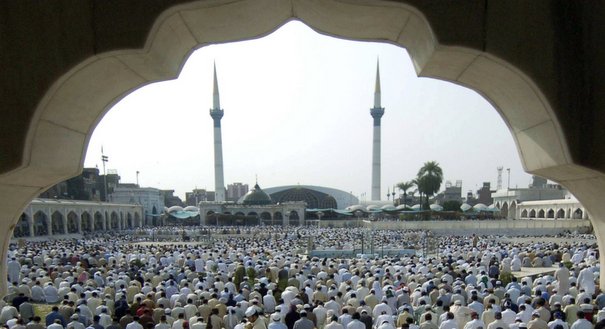
Source: Getty
There are a number of obstacles facing major established religious institutions in today’s globalized world, where the number of smaller religious affiliations has proliferated.
Source: VOA Press Conference
Speaking to Voice of America, Carnegie's Moises Naím discussed the fascinating trends overcoming religions in today's global society. Established religious institutions, which once had strong followings in countries across the world, are losing their market share, Naím explained. For instance, the 1970 census in Brazil showed 90 percent of the population identifying as Catholic. In 2010, this figure dropped to 65 percent. The same trend is occurring in Guatemala, the Philippines, and Nigeria. On the reverse end, Naím added, some religious sectors are growing. The Pentecostal church has seen a surge, as it has been competing effectively in attracting people that come from families with traditional roots in one of the more common institutionalized religions.
Islam, like Christianity, is also seeing a revolution; it is observing hyper-fragmentation, Naím argued.. Unlike the centralized hierarchy in Catholicism, there is no central power or order that established a homogenous doctrine and rules for the religious following, Naím concluded.

Distinguished Fellow
Moisés Naím is a distinguished fellow at the Carnegie Endowment for International Peace, a best-selling author, and an internationally syndicated columnist.
Recent Work



Rosa Balfour, Frances Z. Brown, Yasmine Farouk, …
Moisés Naím
Carnegie does not take institutional positions on public policy issues; the views represented herein are those of the author(s) and do not necessarily reflect the views of Carnegie, its staff, or its trustees.

Despite having the resources and expertise, the Russian space industry missed the opportunity to offer the United States or China a mutually rewarding partnership in the lunar race.
Georgy Trishkin
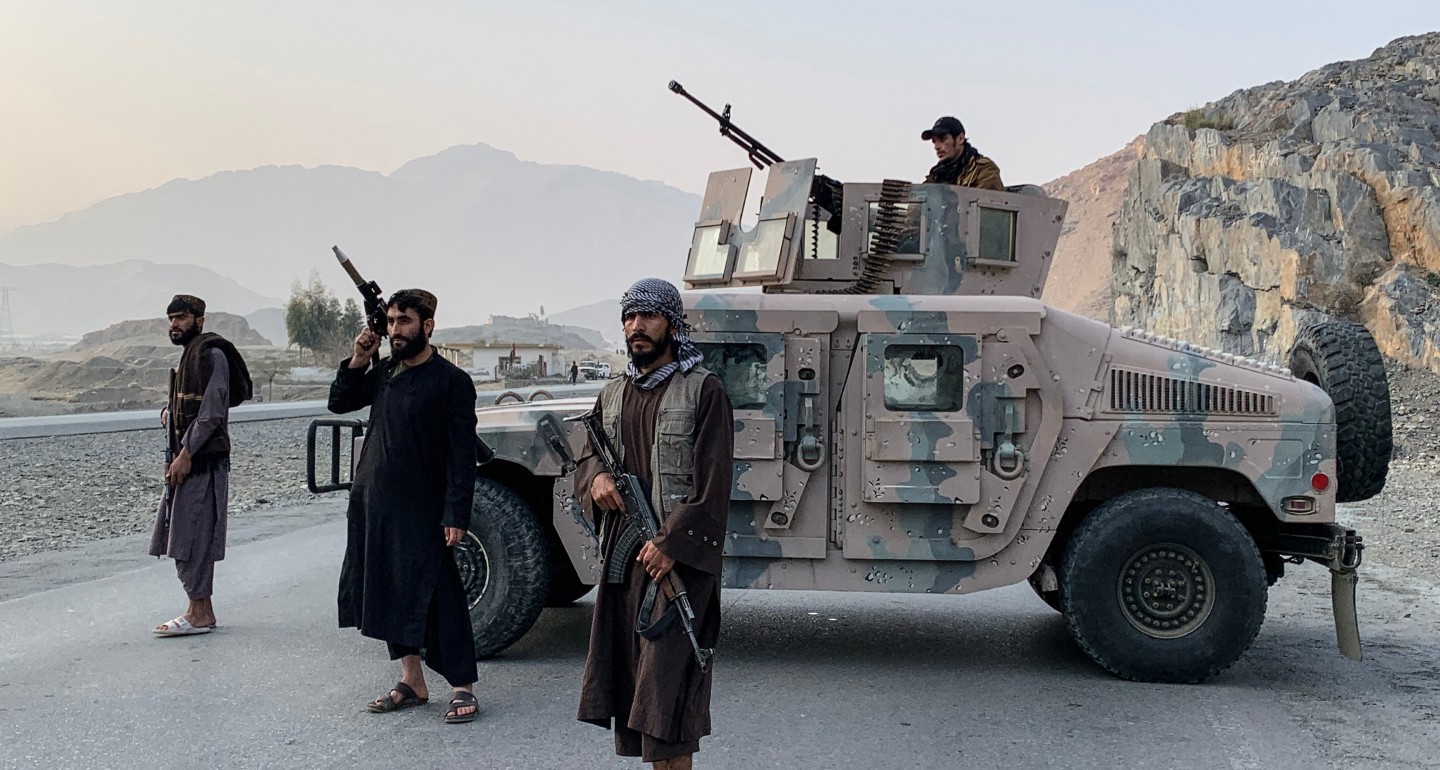
Not only does the fighting jeopardize regional security, it undermines Russian attempts to promote alternatives to the Western-dominated world order.
Ruslan Suleymanov
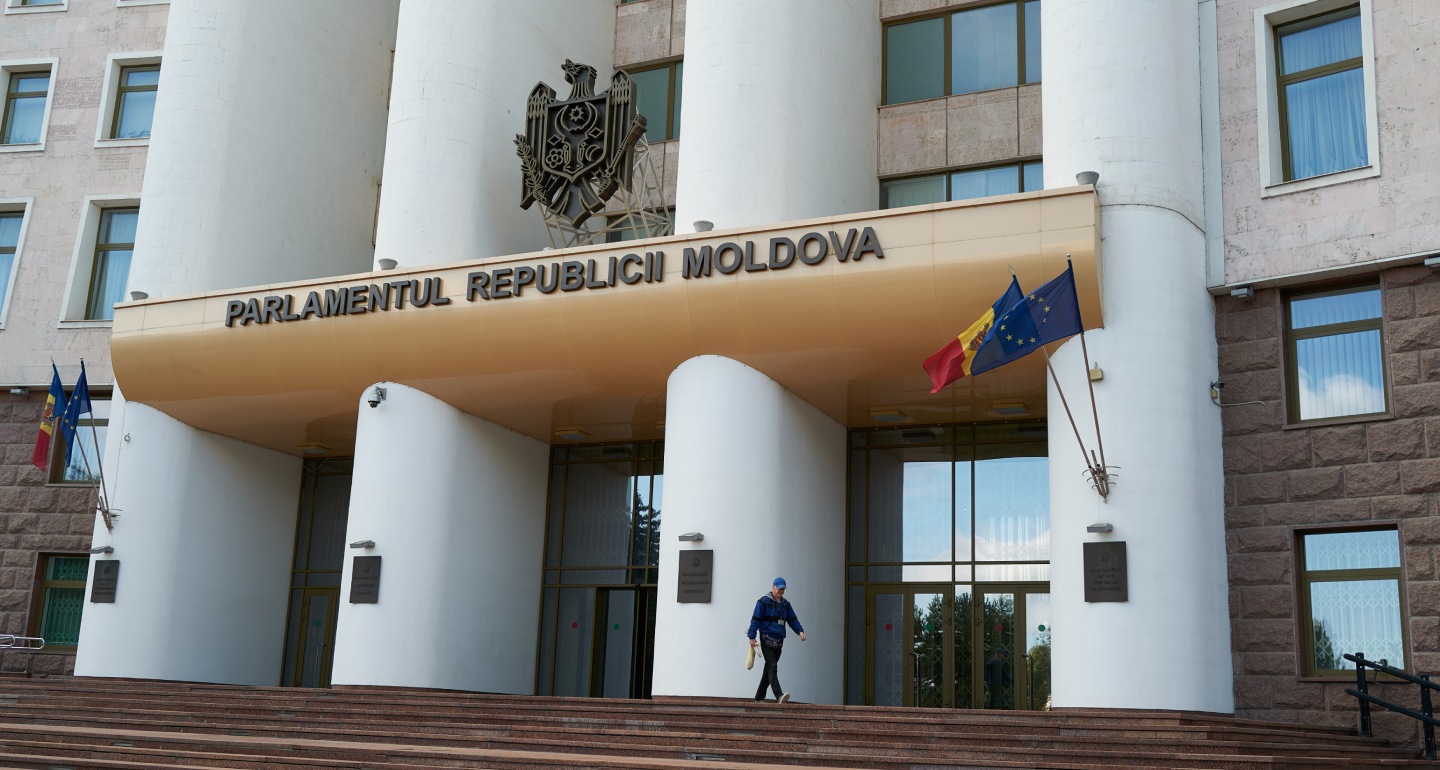
Moldova’s reintegration plan was drawn up to demonstrate to Brussels that Chișinău is serious about the Transnistria issue—and to get the West to react.
Vladimir Solovyov
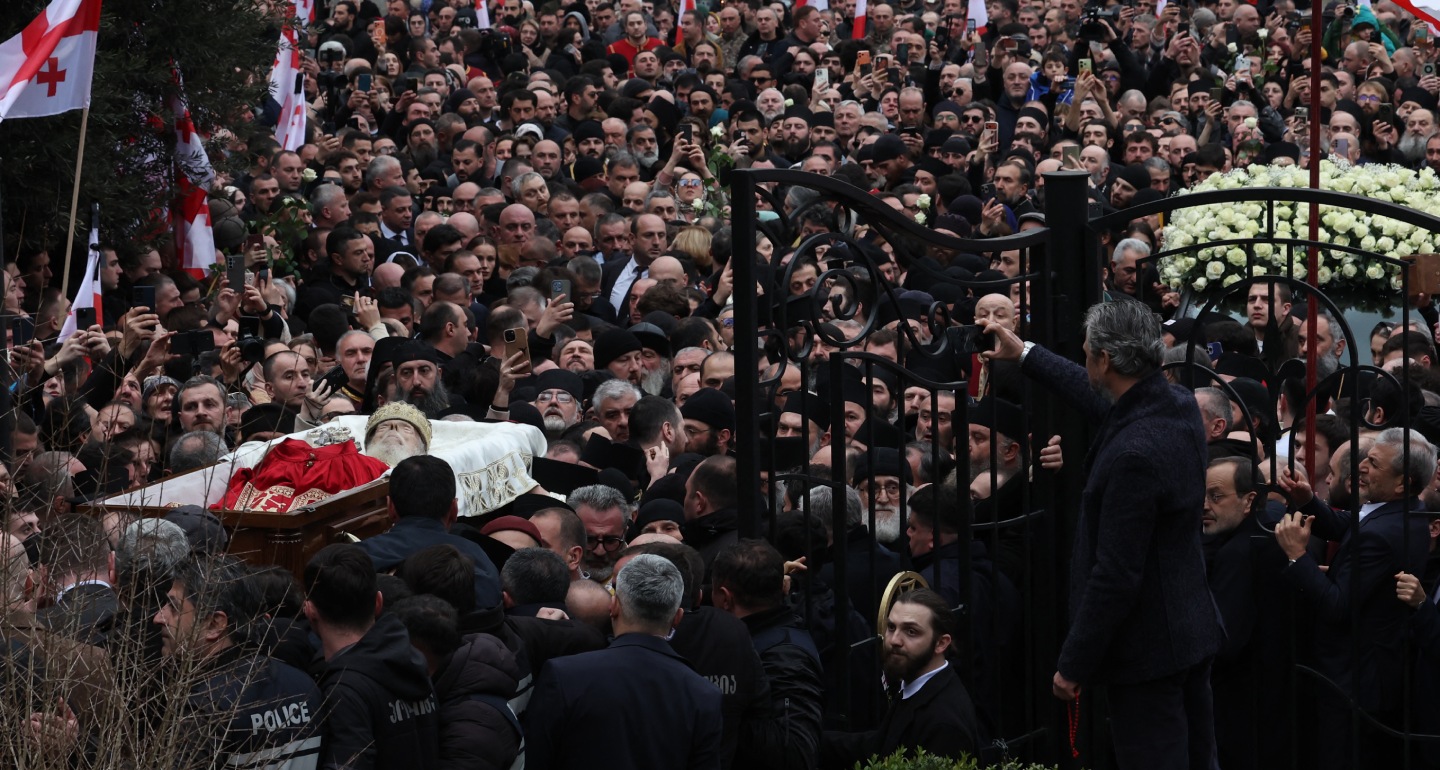
The front-runner to succeed Ilia II, Metropolitan Shio, is prone to harsh anti-Western rhetoric and frequent criticism of “liberal ideologies” that he claims threaten the Georgian state. This raises fears that under his leadership the Georgian Orthodox Church will lose its unifying role and become an instrument of ultraconservative ideology.

Bashir Kitachaev
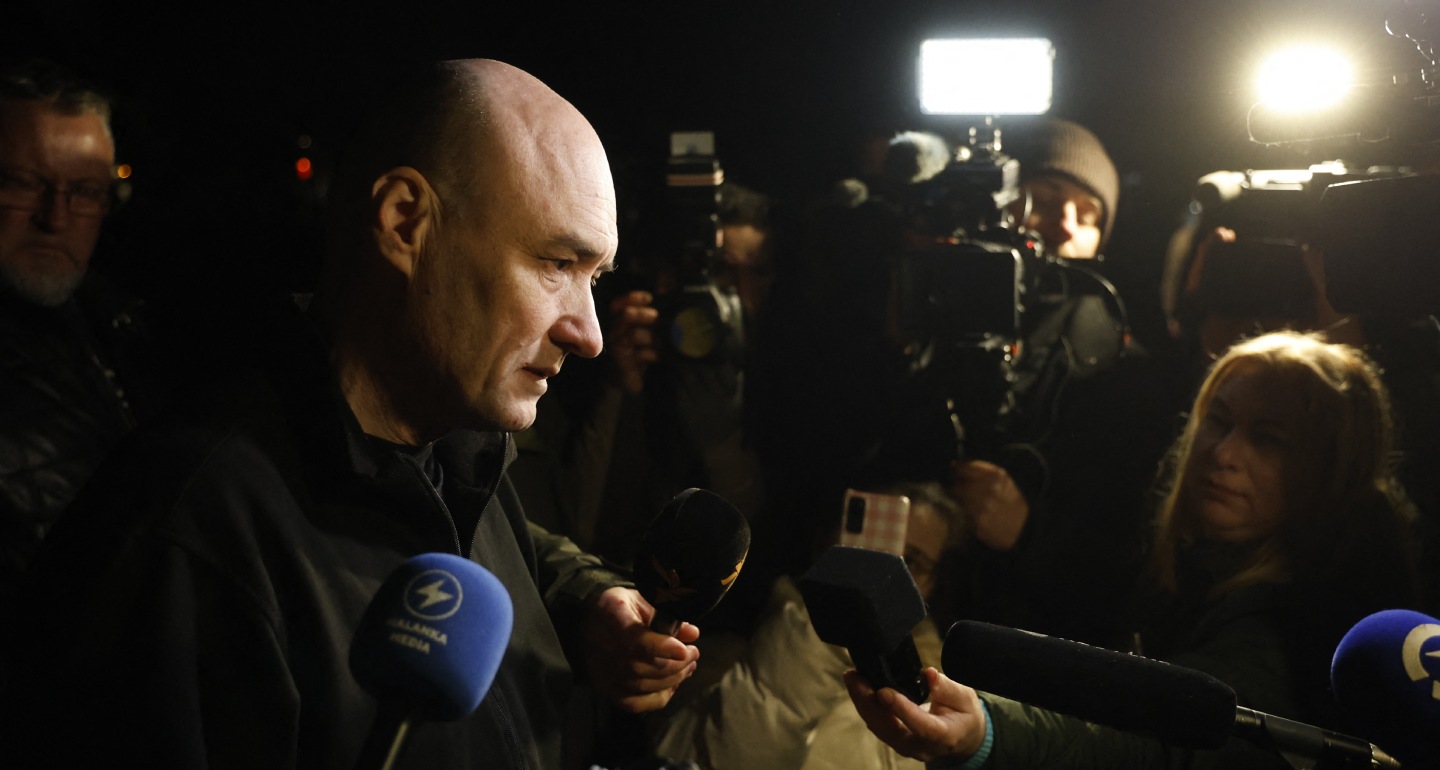
Lukashenko is willing to make big sacrifices for an invitation to Mar-a-Lago or the White House. He also knows that the clock is ticking: he must squeeze as much out of the Trump administration as he can before congressional elections in November leave Trump hamstrung or distracted.

Artyom Shraibman