

Article
Frederic Grare
{
  "authors": [
    "Frederic Grare"
  ],
  "type": "legacyinthemedia",
  "centerAffiliationAll": "dc",
  "centers": [
    "Carnegie Endowment for International Peace",
    "Carnegie China"
  ],
  "collections": [],
  "englishNewsletterAll": "ctw",
  "nonEnglishNewsletterAll": "",
  "primaryCenter": "Carnegie Endowment for International Peace",
  "programAffiliation": "SAP",
  "programs": [
    "South Asia"
  ],
  "projects": [],
  "regions": [
    "North America",
    "United States",
    "South Asia",
    "India"
  ],
  "topics": [
    "Foreign Policy"
  ]
}
REQUIRED IMAGE
Although U.S. Vice President Biden’s visit to India received relatively limited media attention in both India and the United States, it has led to another round of questions about the state of U.S.-India relations.
Source: Indian Express
Although US Vice President Biden's visit to India received relatively limited media attention in both India and the US, it has led to another round of questions about the state of US-India relations. The fact that the relationship may enter a period of stagnation after more than a decade of progress should not come as a surprise. However, US vice-presidential visits to India do not happen frequently, and this one was seen to demonstrate signs of a strain between the two countries.
Real difficulties do indeed exist. At their epicentre are the major differences over Afghanistan and, more generally, a lack of steadiness and transparency in US regional policies. New Delhi fears a deal between Islamabad and Washington to ensure a smooth US withdrawal from Afghanistan, potentially through an Islamabad-brokered peace deal with the Taliban. Instead, India would like the US to give Kabul the military means to contain the Taliban.
It is doubtful whether the assurances given by the US vice president have provided any comfort to the Indian decisionmakers. Joe Biden told the Indian government that any agreement would have to include three elements: that the Taliban break with al-Qaeda, that they stop the violence, and that they accept the constitution and guarantee equal treatment for women. The Taliban have so far announced that they will not let Afghan soil be used for an attack against a third party and guaranteed women's rights under certain conditions. However, they do not recognise the constitution, which is not considered sacrosanct by any of the protagonists in any case. India sees any agreement with the Taliban which is based on trust as folly, given that it feels nobody, the US included, will be able to guarantee adherence to an agreement after the US withdrawal. Afghanistan is therefore likely to remain an irritant between India and the US.Beyond Biden's visit, the current uneasiness in the relationship seems, on the Indian side, to be the result of New Delhi's sense of vulnerability, both externally and domestically. This is sharpened in the context of a relationship characterised by a huge disparity of power between the two countries.
Relations with China illustrate the point. India considers that US interests with respect to China are too important for India to entrust Washington with its own security. Moreover, New Delhi is only too aware that it cannot afford to be the collateral damage of either confrontation or cooperation between Beijing and Washington. It feels its concerns are likely to be better addressed if it keeps the latitude to navigate between the two in a way that furthers Indian interests. It is therefore willing to engage in defence cooperation only up to a certain point, an important reason for Washington's unhappiness about India's capacity and willingness to play the role of a major Asian strategic actor.
Similar questions arise in the economic field. Biden relayed the complaints of American companies about some of the recent protectionist policies introduced by the Indian government. These include, among other things, preferential market quotas to help domestic producers. The American vice president also expressed specific demands regarding the protection of intellectual property rights and lowering of trade barriers in an effort to encourage the opening up of the Indian economy.
The timing for this push is unfavourable as India is entering an electoral period, which means its government's capacity to pass the necessary legislation is restricted. India's coalition politics and the current electoral constraints may explain the slow pace of its economic reforms, but they do not diminish their necessity.
Concerns about the Indian economy are shared by many elsewhere in Asia and beyond. Nations that see India as a potential strategic partner, such as Australia, Japan, Singapore, Indonesia, Vietnam and some European countries, have integrated India into their long-term strategic calculations. An India incapable of living up to its economic potential will also be less likely to fulfil the strategic role that many, in the region and beyond, expect it to play. India's own perception of its regional role may differ from the expectations of its partners, but it will see its own position adversely affected if those partners lose confidence in its capacity to achieve its potential.
Nothing suggests a loss of interest in India's emergence, quite the contrary. But India should not bask in the false comfort of being courted by a substantial part of the international community. What has been achieved economically and strategically over the past two decades is remarkable. But the caution of most of India's partners, whether in the strategic domain or in the economic sphere, suggests that it still has a long way to go. More than Afghanistan, economic issues have a long-term potential impact. Biden's visit may have been no more than a wake up call, but it would be India's mistake to ignore it.
This article was originally published by the Indian Express.
Former Nonresident Senior Fellow, South Asia Program
Frédéric Grare was a nonresident senior fellow at the Carnegie Endowment for International Peace, where his research focuses on Indo-Pacific dynamics, the search for a security architecture, and South Asia Security issues.
Recent Work
Frederic Grare
Frederic Grare
Carnegie does not take institutional positions on public policy issues; the views represented herein are those of the author(s) and do not necessarily reflect the views of Carnegie, its staff, or its trustees.

With the growth in points of friction between the great powers, organizations like the SCO will continue to play a role in the strategic adaptation of the smaller powers caught between them.

Temur Umarov

When faced with fuel shortages in the past, Central Asian governments could always count on additional supplies from Moscow. That safety net no longer exists.

Galiya Ibragimova
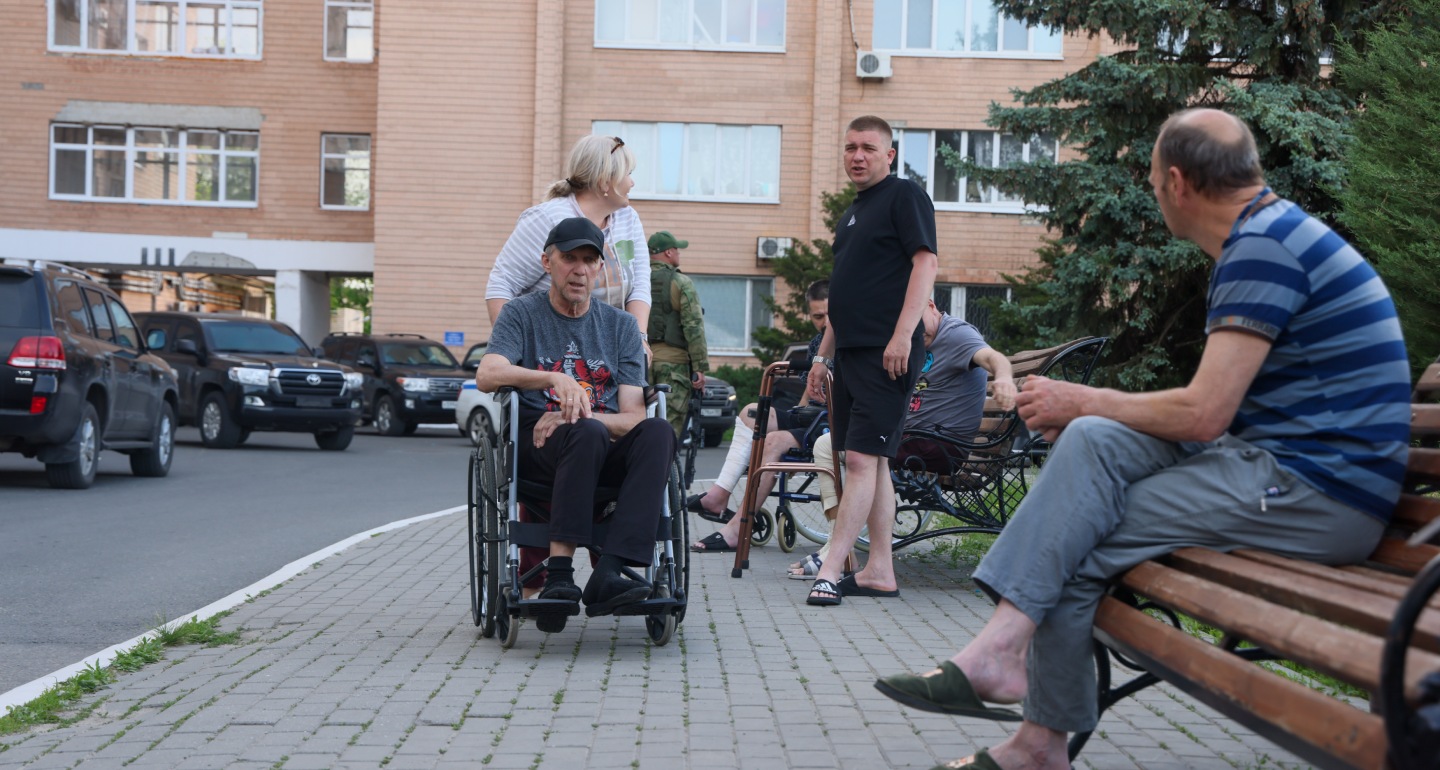
Despite unhappiness on the ground, Moscow is determined to use both carrot and stick to ensure there is record support for United Russia in occupied Ukraine.

Konstantin Skorkin
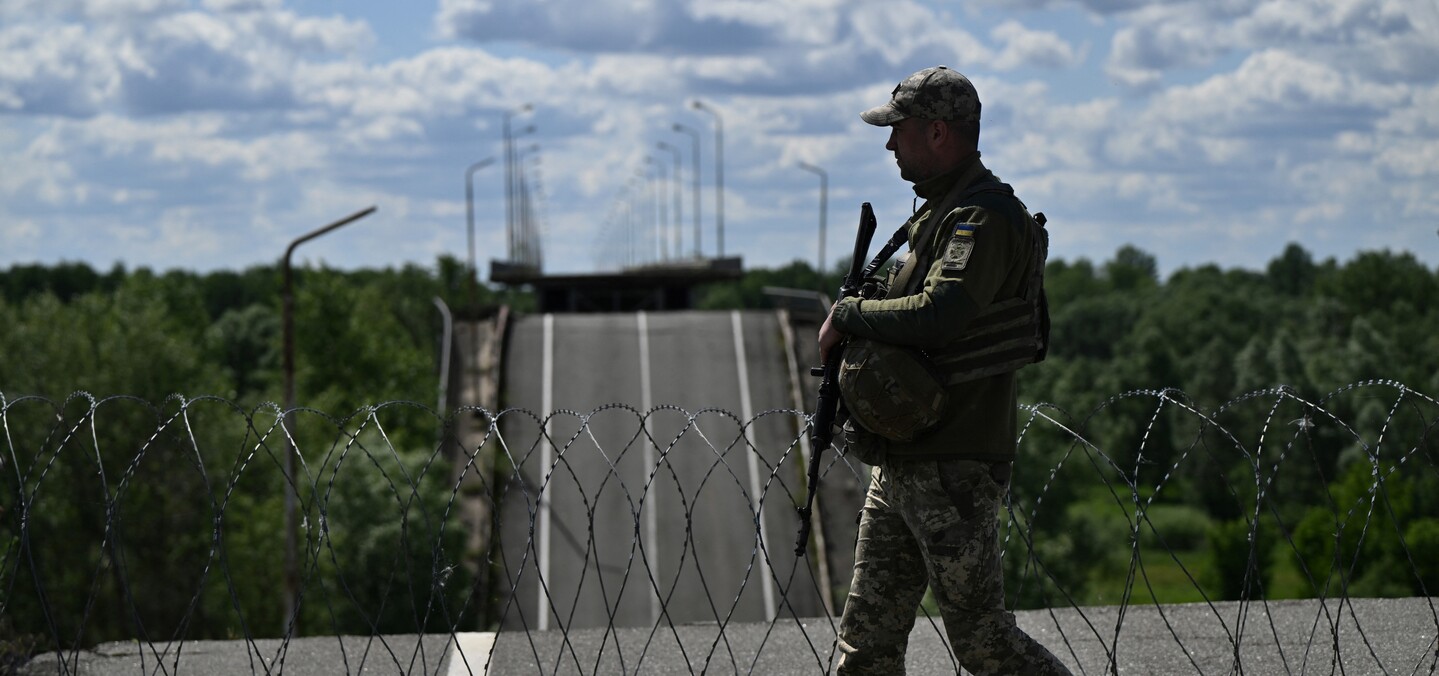
The recent damage inflicted by Ukrainian drones and missiles on Russia has made Belarus aware of its own vulnerabilities—and surprisingly amenable to Kyiv’s demands.

Artyom Shraibman
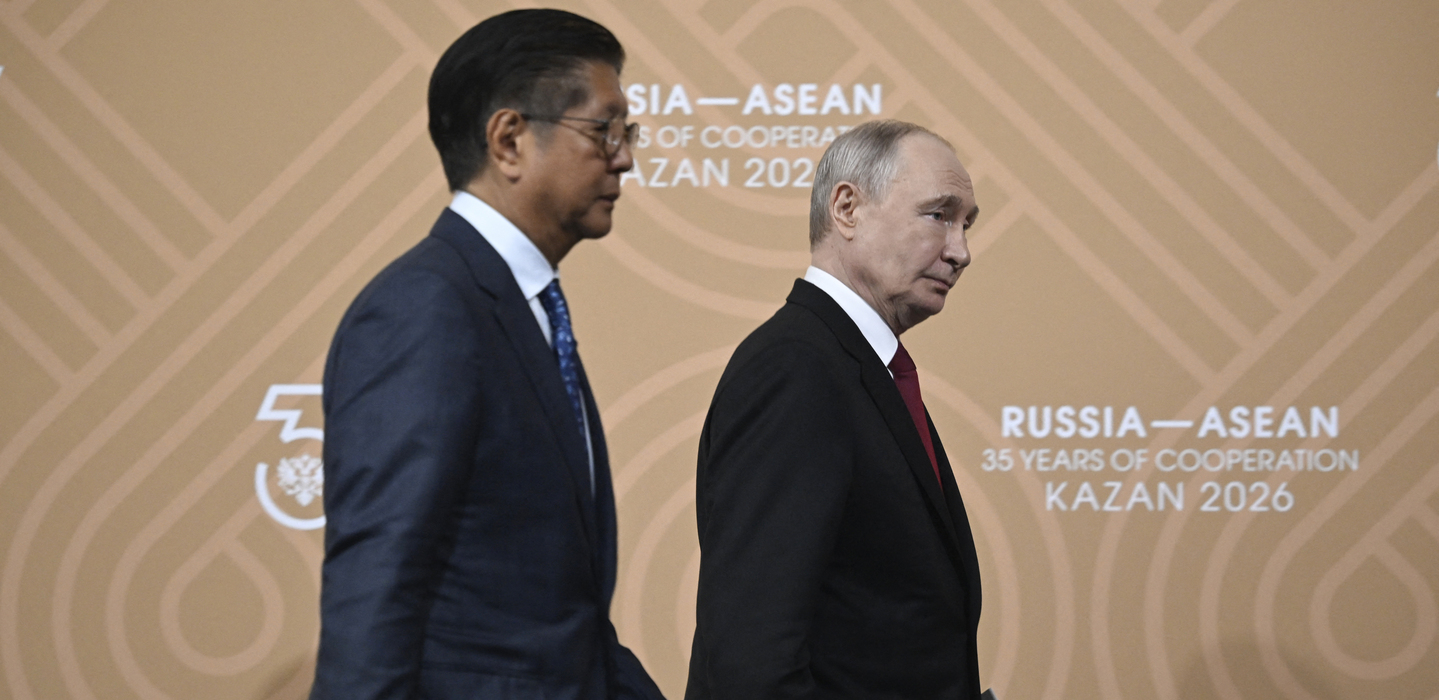
Russia looks set to reap economic benefits from closer ties with Southeast Asian countries that are keen to find reliable energy suppliers and diversify trade ties.

Alexander Gabuev